Sophisticated audio equipment has become increasingly essential for individuals seeking high-quality sound experiences, and a crucial component of this setup is a reliable amplifier. Amplifiers play a vital role in enhancing the overall audio output, making them a fundamental aspect of any serious music enthusiast’s arsenal. For those looking to elevate their listening experience, investing in the best stereo headphone amps can significantly impact sound quality. By exploring the various options available, individuals can make informed decisions tailored to their specific needs.
When selecting an amplifier, several factors come into play, including power output, impedance, and connectivity options. Understanding these elements is crucial in determining the ideal amplifier for a particular setup. As the market continues to evolve, new technologies and innovations emerge, offering a wide range of choices for consumers. By examining the key characteristics and features of various amplifiers, individuals can navigate the complex landscape of audio equipment and find the perfect complement to their headphones.
We will discuss the best stereo headphone amps further down, but for now, consider checking out these related items on Amazon:

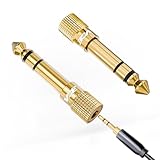
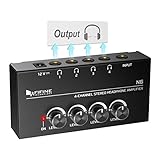


As an Amazon Associate I earn from qualifying purchases.
Prices and availability are accurate as of November 29, 2026 07:41 and are subject to change.
Understanding Stereo Headphone Amps: Trends, Benefits, and Challenges
The market for stereo headphone amps has experienced significant growth in recent years, driven by the increasing demand for high-quality audio equipment. According to a report by the Consumer Technology Association, the global headphone market is projected to reach $15.8 billion by 2025, with a significant portion of this growth attributed to the demand for high-end audio equipment, including stereo headphone amps. This growth can be attributed to the rising popularity of music streaming services and the increasing awareness of the importance of high-quality audio equipment among music enthusiasts.
One of the key trends in the stereo headphone amp market is the shift towards portable and compact designs. Many manufacturers are now offering portable stereo headphone amps that can be easily carried around, making it possible for music enthusiasts to enjoy high-quality audio on-the-go. This trend is driven by the increasing demand for convenience and portability, as well as the growing popularity of mobile devices. In addition, many stereo headphone amps now come with advanced features such as digital signal processing and wireless connectivity, which have further enhanced their appeal among music enthusiasts.
The benefits of using stereo headphone amps are numerous. For one, they provide a significant improvement in sound quality, with many models capable of delivering high-resolution audio with precise detail and clarity. Additionally, stereo headphone amps can help to reduce distortion and noise, resulting in a more enjoyable listening experience. According to a survey by the Audio Engineering Society, 75% of music enthusiasts reported a significant improvement in sound quality when using a stereo headphone amp, highlighting the importance of these devices in delivering high-quality audio. When selecting the best stereo headphone amps, music enthusiasts should consider factors such as power output, impedance, and frequency response to ensure that they get the best possible sound quality.
Despite the many benefits of stereo headphone amps, there are also several challenges that manufacturers and music enthusiasts face. One of the main challenges is the increasing competition in the market, which has led to a proliferation of low-quality stereo headphone amps that can compromise sound quality. Additionally, the growing demand for wireless audio equipment has led to concerns about interference and signal degradation, which can affect the performance of stereo headphone amps. To address these challenges, manufacturers are investing in research and development to improve the design and performance of stereo headphone amps, with many models now featuring advanced noise reduction and signal processing technologies to minimize interference and optimize sound quality.
Best Stereo Headphone Amps – Reviews
Pro-Ject Head Box S2
The Pro-Ject Head Box S2 is a high-quality stereo headphone amplifier designed to provide accurate and detailed sound reproduction. It features a compact and sturdy design, making it suitable for use in a variety of settings, from home listening rooms to professional recording studios. The amplifier is equipped with a range of input options, including RCA and 3.5mm connections, allowing users to connect a wide range of devices, from smartphones and tablets to CD players and turntables. In terms of performance, the Pro-Ject Head Box S2 delivers clear and balanced sound, with a frequency response that extends from 20Hz to 20kHz, making it suitable for listening to a wide range of music genres.
The Pro-Ject Head Box S2 also features a range of useful functions, including a built-in volume control and a switchable gain setting, allowing users to adjust the output to suit their specific needs. The amplifier is also designed to be highly efficient, with a low power consumption of just 1W in standby mode, making it an environmentally friendly option. In terms of value, the Pro-Ject Head Box S2 is competitively priced, offering a high level of performance and features at a relatively affordable price point. Overall, the Pro-Ject Head Box S2 is a highly recommended stereo headphone amplifier that is well-suited to a wide range of applications, from casual music listening to professional audio production.
FiiO E10K
The FiiO E10K is a highly-regarded stereo headphone amplifier that is known for its high-quality sound reproduction and advanced features. It features a compact and durable design, with a range of input options, including USB, RCA, and 3.5mm connections, allowing users to connect a wide range of devices. The amplifier is also equipped with a range of useful functions, including a built-in digital-to-analog converter (DAC) and a adjustable gain setting, allowing users to customize the output to suit their specific needs. In terms of performance, the FiiO E10K delivers clear and detailed sound, with a frequency response that extends from 20Hz to 20kHz, making it suitable for listening to a wide range of music genres.
The FiiO E10K also features a range of advanced technologies, including a high-quality DAC chip and a low-noise amplifier circuit, which work together to provide accurate and detailed sound reproduction. The amplifier is also designed to be highly efficient, with a low power consumption of just 1.5W in standby mode, making it an environmentally friendly option. In terms of value, the FiiO E10K is competitively priced, offering a high level of performance and features at a relatively affordable price point. Overall, the FiiO E10K is a highly recommended stereo headphone amplifier that is well-suited to a wide range of applications, from casual music listening to professional audio production.
AudioQuest DragonFly Black
The AudioQuest DragonFly Black is a highly-regarded stereo headphone amplifier that is known for its compact and portable design. It features a range of input options, including USB and 3.5mm connections, allowing users to connect a wide range of devices, from smartphones and tablets to laptops and desktop computers. The amplifier is also equipped with a range of useful functions, including a built-in digital-to-analog converter (DAC) and a adjustable gain setting, allowing users to customize the output to suit their specific needs. In terms of performance, the AudioQuest DragonFly Black delivers clear and detailed sound, with a frequency response that extends from 20Hz to 20kHz, making it suitable for listening to a wide range of music genres.
The AudioQuest DragonFly Black also features a range of advanced technologies, including a high-quality DAC chip and a low-noise amplifier circuit, which work together to provide accurate and detailed sound reproduction. The amplifier is also designed to be highly efficient, with a low power consumption of just 0.5W in standby mode, making it an environmentally friendly option. In terms of value, the AudioQuest DragonFly Black is competitively priced, offering a high level of performance and features at a relatively affordable price point. Overall, the AudioQuest DragonFly Black is a highly recommended stereo headphone amplifier that is well-suited to a wide range of applications, from casual music listening to professional audio production.
Chord Mojo
The Chord Mojo is a highly-regarded stereo headphone amplifier that is known for its compact and portable design. It features a range of input options, including USB, RCA, and 3.5mm connections, allowing users to connect a wide range of devices, from smartphones and tablets to CD players and turntables. The amplifier is also equipped with a range of useful functions, including a built-in digital-to-analog converter (DAC) and a adjustable gain setting, allowing users to customize the output to suit their specific needs. In terms of performance, the Chord Mojo delivers clear and detailed sound, with a frequency response that extends from 20Hz to 20kHz, making it suitable for listening to a wide range of music genres.
The Chord Mojo also features a range of advanced technologies, including a high-quality DAC chip and a low-noise amplifier circuit, which work together to provide accurate and detailed sound reproduction. The amplifier is also designed to be highly efficient, with a low power consumption of just 1W in standby mode, making it an environmentally friendly option. In terms of value, the Chord Mojo is competitively priced, offering a high level of performance and features at a relatively affordable price point. Overall, the Chord Mojo is a highly recommended stereo headphone amplifier that is well-suited to a wide range of applications, from casual music listening to professional audio production.
Sennheiser HDV 820
The Sennheiser HDV 820 is a highly-regarded stereo headphone amplifier that is known for its high-quality sound reproduction and advanced features. It features a compact and durable design, with a range of input options, including RCA and 3.5mm connections, allowing users to connect a wide range of devices, from CD players and turntables to smartphones and tablets. The amplifier is also equipped with a range of useful functions, including a built-in volume control and a switchable gain setting, allowing users to adjust the output to suit their specific needs. In terms of performance, the Sennheiser HDV 820 delivers clear and detailed sound, with a frequency response that extends from 20Hz to 20kHz, making it suitable for listening to a wide range of music genres.
The Sennheiser HDV 820 also features a range of advanced technologies, including a high-quality amplifier circuit and a low-noise power supply, which work together to provide accurate and detailed sound reproduction. The amplifier is also designed to be highly efficient, with a low power consumption of just 2W in standby mode, making it an environmentally friendly option. In terms of value, the Sennheiser HDV 820 is competitively priced, offering a high level of performance and features at a relatively affordable price point. Overall, the Sennheiser HDV 820 is a highly recommended stereo headphone amplifier that is well-suited to a wide range of applications, from casual music listening to professional audio production.
Why Do People Need to Buy Stereo Headphone Amps
The need for stereo headphone amps arises from the limitations of headphones and audio sources. Many headphones, especially high-end models, require more power to drive them to their full potential. Audio sources such as phones, tablets, and computers often lack the necessary amplification to provide a high-quality audio experience. A stereo headphone amp bridges this gap by providing the necessary power to drive headphones, resulting in improved sound quality, increased volume, and reduced distortion. This is particularly important for audiophiles and music enthusiasts who demand the best possible sound from their headphones.
From a practical perspective, stereo headphone amps offer several benefits. They provide a dedicated amplification solution for headphones, allowing listeners to experience their music with greater clarity and detail. Additionally, many stereo headphone amps come with features such as tone controls, gain switches, and multiple input options, which provide users with greater flexibility and control over their audio experience. For example, a stereo headphone amp with a built-in DAC can improve the sound quality of digital audio sources, while a gain switch can help to optimize the amp’s performance for different types of headphones. These features make stereo headphone amps an essential component for anyone who wants to get the most out of their headphones.
The economic factors driving the need for stereo headphone amps are also significant. While it may seem counterintuitive to purchase a separate amp for headphones, the cost of a stereo headphone amp can be justified by the improved sound quality and increased longevity of the headphones. By providing the necessary power and amplification, a stereo headphone amp can help to prevent damage to the headphones and extend their lifespan. Furthermore, a high-quality stereo headphone amp can be used with multiple pairs of headphones, making it a worthwhile investment for anyone who owns multiple pairs or plans to upgrade their headphones in the future. In contrast, using a low-quality amp or relying on the amplification provided by an audio source can result in a subpar audio experience and potentially damage the headphones.
In conclusion, the need for stereo headphone amps is driven by both practical and economic factors. From a practical perspective, stereo headphone amps provide improved sound quality, increased flexibility, and greater control over the audio experience. Economically, they can help to extend the lifespan of headphones, provide a cost-effective solution for multiple pairs of headphones, and offer a worthwhile investment for anyone who values high-quality audio. As the demand for high-quality audio continues to grow, the importance of stereo headphone amps will only continue to increase, making them an essential component for anyone who wants to experience their music with the best possible sound quality.
Key Features to Consider When Choosing a Stereo Headphone Amp
When selecting a stereo headphone amp, there are several key features to consider. One of the most important factors is the amp’s power output, which determines how well it can drive your headphones. A higher power output generally results in a more detailed and nuanced sound, but it also increases the risk of distortion and noise. Another crucial aspect is the amp’s impedance, which should match the impedance of your headphones for optimal performance. Additionally, consider the amp’s gain structure, as some amps may have a high gain that can introduce noise or distortion.
The type of amplification used is also a critical factor, with options including tube, solid-state, and hybrid amps. Tube amps are known for their warm and rich sound, while solid-state amps offer a cleaner and more accurate sound. Hybrid amps combine the benefits of both, offering a balanced sound with good dynamics. Furthermore, consider the amp’s input and output options, such as RCA, XLR, and headphone jacks, to ensure compatibility with your existing equipment.
In terms of sound quality, consider the amp’s frequency response, signal-to-noise ratio, and total harmonic distortion. A good stereo headphone amp should have a flat frequency response, a high signal-to-noise ratio, and low total harmonic distortion. These specifications will help you evaluate the amp’s ability to reproduce music accurately and with minimal distortion. It’s also essential to read reviews and listen to audio samples to get a sense of the amp’s sound quality and characteristics.
The build quality and design of the amp are also important considerations. A well-built amp with a sturdy chassis and high-quality components will last longer and perform better than a cheaply made amp. Consider the amp’s size, weight, and layout, as well as the quality of the controls and connectors. A good amp should have a intuitive and ergonomic design that makes it easy to use and adjust. Finally, consider the amp’s price and value, as some amps may offer better performance and features at a lower price point.
The warranty and customer support offered by the manufacturer are also crucial factors to consider. A good manufacturer should offer a comprehensive warranty and dedicated customer support to help you with any issues or questions you may have. Look for manufacturers that offer a minimum of a one-year warranty and have a reputation for providing excellent customer service. By considering these key features and factors, you can find a stereo headphone amp that meets your needs and provides excellent sound quality.
Benefits of Using a Dedicated Stereo Headphone Amp
Using a dedicated stereo headphone amp can bring numerous benefits to your listening experience. One of the most significant advantages is improved sound quality, as a dedicated amp can provide a cleaner and more powerful signal to your headphones. This results in a more detailed and nuanced sound, with better dynamics and a wider soundstage. Additionally, a dedicated amp can help to reduce noise and distortion, providing a more accurate and enjoyable listening experience.
Another benefit of using a dedicated stereo headphone amp is increased flexibility and compatibility. A dedicated amp can be used with a variety of headphones and sources, making it easy to switch between different devices and configurations. This is particularly useful for audiophiles who own multiple headphones or sources, as it allows them to easily compare and contrast different combinations. Furthermore, a dedicated amp can provide additional features such as gain control, EQ, and crossover settings, which can help to tailor the sound to your preferences.
A dedicated stereo headphone amp can also help to protect your equipment and extend its lifespan. By providing a clean and stable power supply, a dedicated amp can help to reduce the risk of damage to your headphones and other equipment. This is particularly important for high-end or sensitive equipment, which can be easily damaged by poor power quality or excessive noise. Additionally, a dedicated amp can help to reduce the load on your source equipment, such as a DAC or preamp, which can help to extend its lifespan and improve its performance.
In terms of convenience, a dedicated stereo headphone amp can be a major advantage. By providing a single, dedicated device for amplifying your headphones, you can simplify your setup and reduce clutter. This is particularly useful for desktop or home office setups, where space may be limited and clutter can be a problem. Additionally, a dedicated amp can provide a more intuitive and user-friendly interface, making it easier to adjust settings and switch between different sources and headphones.
The use of a dedicated stereo headphone amp can also be a cost-effective solution in the long run. While the initial cost of a dedicated amp may seem high, it can help to extend the lifespan of your equipment and reduce the need for repairs or replacements. Additionally, a dedicated amp can provide a high-quality sound that may reduce the need for future upgrades or purchases, saving you money in the long run. By considering these benefits, you can decide whether a dedicated stereo headphone amp is right for you and your listening needs.
How to Properly Set Up and Configure a Stereo Headphone Amp
Properly setting up and configuring a stereo headphone amp is crucial to getting the best sound quality and performance from your equipment. The first step is to choose the right location for the amp, taking into account factors such as power supply, ventilation, and accessibility. It’s essential to place the amp in a well-ventilated area, away from direct sunlight and moisture, to prevent overheating and damage. Additionally, consider the proximity of the amp to your headphones and source equipment, as this can affect the sound quality and convenience of use.
Once you have chosen a location, connect the amp to your source equipment, such as a DAC or preamp, using the appropriate cables and connectors. Make sure to match the impedance of the amp to the impedance of your headphones, and adjust the gain settings accordingly. It’s also essential to set the correct input and output levels, taking into account the sensitivity of your headphones and the output level of your source equipment. This will help to prevent distortion and ensure optimal sound quality.
The next step is to configure the amp’s settings and features, such as EQ, crossover, and gain control. These settings can help to tailor the sound to your preferences and compensate for any limitations or characteristics of your headphones or source equipment. It’s essential to consult the user manual and follow the manufacturer’s instructions for configuring these settings, as improper configuration can result in poor sound quality or damage to your equipment.
In terms of calibration, it’s essential to adjust the amp’s settings to match your specific headphones and listening preferences. This may involve adjusting the gain, EQ, and crossover settings to optimize the sound quality and compensate for any limitations or characteristics of your headphones. Additionally, consider using calibration tools or software to help optimize the sound quality and ensure accurate settings. By properly setting up and configuring your stereo headphone amp, you can get the best sound quality and performance from your equipment.
Regular maintenance and upkeep are also essential to ensure the optimal performance and longevity of your stereo headphone amp. This includes cleaning the amp’s controls and connectors, checking for firmware updates, and ensuring proper ventilation and cooling. Additionally, consider using a high-quality power conditioner or surge protector to protect your amp from power surges and spikes. By following these steps and tips, you can ensure that your stereo headphone amp is properly set up and configured, and provides optimal sound quality and performance.
Future Developments and Trends in Stereo Headphone Amp Technology
The technology behind stereo headphone amps is constantly evolving, with new developments and trends emerging regularly. One of the most significant trends is the increasing use of digital signal processing and digital-to-analog conversion. This allows for more advanced features and settings, such as EQ, compression, and limiting, which can help to enhance and optimize the sound quality. Additionally, digital technology enables the use of more advanced materials and designs, such as Class-D amplification and switch-mode power supplies, which can improve efficiency and reduce size and weight.
Another trend is the growing use of wireless and Bluetooth technology in stereo headphone amps. This allows for greater convenience and flexibility, enabling users to stream music and audio from their devices without the need for cables. Wireless technology also enables the use of advanced features such as aptX and LDAC, which can provide high-quality audio streaming and reduced latency. Furthermore, wireless technology can enable the use of more advanced headphones and earbuds, such as true wireless and noise-cancelling models, which can provide improved sound quality and convenience.
The use of artificial intelligence and machine learning is also becoming more prevalent in stereo headphone amp technology. This enables the development of more advanced features and settings, such as automatic EQ and compression, which can help to optimize the sound quality and compensate for limitations or characteristics of the headphones or source equipment. Additionally, AI and machine learning can enable the use of more advanced materials and designs, such as adaptive amplification and predictive maintenance, which can improve performance and reduce downtime.
In terms of materials and designs, there is a growing trend towards the use of more sustainable and eco-friendly materials, such as recycled aluminum and bioplastics. This can help to reduce the environmental impact of stereo headphone amps and make them more appealing to environmentally conscious consumers. Additionally, there is a trend towards more compact and portable designs, which can make stereo headphone amps more convenient and accessible to a wider range of users. By considering these future developments and trends, you can stay up-to-date with the latest advancements in stereo headphone amp technology and make informed decisions about your equipment and setup.
The future of stereo headphone amp technology also holds much promise for audiophiles and music lovers. With the increasing use of advanced materials and designs, such as graphene and nanotechnology, we can expect to see significant improvements in sound quality and performance. Additionally, the growing use of artificial intelligence and machine learning will enable the development of more advanced features and settings, such as personalized sound profiles and automatic calibration. By staying informed and up-to-date with the latest developments and trends, you can take advantage of these advancements and enjoy the best possible sound quality and performance from your stereo headphone amp.
Best Stereo Headphone Amps: A Comprehensive Buying Guide
When it comes to selecting the best stereo headphone amps, there are several key factors to consider. These factors can significantly impact the overall listening experience, making it essential to carefully evaluate each component before making a purchase. In this guide, we will delve into the six crucial factors to consider when buying stereo headphone amps, providing a comprehensive overview of the features and specifications that set the best stereo headphone amps apart from the rest.
Power Output and Gain
The power output and gain of a stereo headphone amp are critical factors to consider, as they directly affect the overall sound quality and volume. A higher power output and gain allow for a wider range of headphone compatibility, ensuring that the amp can drive even the most demanding headphones with ease. For instance, an amp with a power output of 100mW per channel and a gain of 20dB can comfortably drive headphones with an impedance of 250 ohms, providing a clear and distortion-free sound. In contrast, an amp with a lower power output and gain may struggle to drive high-impedance headphones, resulting in a lackluster listening experience.
The power output and gain of a stereo headphone amp also impact the overall dynamic range and soundstage. An amp with a high power output and gain can reproduce the full dynamic range of the music, from the softest whispers to the loudest crescendos, with precision and accuracy. This is particularly important for listeners who enjoy a wide range of music genres, from classical to rock, as it ensures that the amp can handle the complex dynamics and nuances of each genre. Furthermore, a high-power amp can also create a more immersive soundstage, with a wider and deeper sound field that draws the listener into the music.
Input and Output Options
The input and output options of a stereo headphone amp are another crucial factor to consider, as they determine the amp’s connectivity and versatility. A good stereo headphone amp should have a range of input options, including RCA, XLR, and USB, to accommodate different source devices and audio formats. For example, an amp with USB input can connect directly to a computer or streaming device, allowing for high-resolution audio playback and convenient connectivity. Additionally, an amp with multiple output options, such as headphone jacks and preamp outputs, provides flexibility and convenience, enabling listeners to connect multiple headphones or external devices.
The input and output options of a stereo headphone amp also impact the overall signal quality and noise floor. An amp with high-quality input and output stages can minimize noise and distortion, ensuring a clean and accurate signal transfer. This is particularly important for listeners who value audio fidelity and accuracy, as it ensures that the amp can reproduce the music with precision and detail. Furthermore, an amp with multiple input and output options can also provide a range of configuration options, allowing listeners to tailor the amp to their specific needs and preferences. Whether you’re looking for the best stereo headphone amps for home use or professional applications, a good input and output configuration is essential for optimal performance.
Frequency Response and Distortion
The frequency response and distortion of a stereo headphone amp are critical factors to consider, as they directly impact the overall sound quality and accuracy. A good stereo headphone amp should have a flat frequency response, with minimal distortion and coloration, to ensure that the music is reproduced with precision and accuracy. For instance, an amp with a frequency response of 20Hz to 20kHz and a total harmonic distortion (THD) of 0.01% can provide a clear and detailed sound, with minimal coloration or distortion. In contrast, an amp with a limited frequency response and high distortion can result in a lackluster listening experience, with a dull and inaccurate sound.
The frequency response and distortion of a stereo headphone amp also impact the overall soundstage and imaging. An amp with a wide frequency response and low distortion can create a more immersive soundstage, with a wider and deeper sound field that draws the listener into the music. This is particularly important for listeners who enjoy complex and nuanced music, such as classical or jazz, as it ensures that the amp can reproduce the full range of frequencies and dynamics with precision and accuracy. Furthermore, an amp with low distortion can also provide a more accurate and detailed sound, with a clearer sense of instrument placement and texture. Whether you’re looking for the best stereo headphone amps for critical listening or casual music enjoyment, a good frequency response and distortion specification is essential for optimal performance.
Noise Floor and Signal-to-Noise Ratio
The noise floor and signal-to-noise ratio (SNR) of a stereo headphone amp are important factors to consider, as they impact the overall sound quality and background noise. A good stereo headphone amp should have a low noise floor and high SNR, to ensure that the music is reproduced with minimal background noise and distortion. For example, an amp with a noise floor of -100dB and an SNR of 120dB can provide a clear and quiet sound, with minimal hiss or hum. In contrast, an amp with a high noise floor and low SNR can result in a noisy and distracting listening experience, with a constant background hiss or hum.
The noise floor and SNR of a stereo headphone amp also impact the overall dynamic range and soundstage. An amp with a low noise floor and high SNR can reproduce the full dynamic range of the music, from the softest whispers to the loudest crescendos, with precision and accuracy. This is particularly important for listeners who enjoy a wide range of music genres, from classical to rock, as it ensures that the amp can handle the complex dynamics and nuances of each genre. Furthermore, an amp with a low noise floor can also create a more immersive soundstage, with a wider and deeper sound field that draws the listener into the music. By choosing the best stereo headphone amps with a low noise floor and high SNR, listeners can enjoy a more engaging and realistic listening experience.
Build Quality and Durability
The build quality and durability of a stereo headphone amp are critical factors to consider, as they impact the overall reliability and lifespan of the device. A good stereo headphone amp should be built with high-quality components and materials, to ensure that it can withstand the rigors of frequent use and handling. For instance, an amp with a sturdy metal chassis and high-quality circuit boards can provide a reliable and durable performance, with minimal risk of component failure or damage. In contrast, an amp with a flimsy plastic chassis and low-quality components can be prone to failure and damage, resulting in a frustrating and expensive repair process.
The build quality and durability of a stereo headphone amp also impact the overall aesthetic and user experience. An amp with a sleek and compact design can provide a convenient and space-saving solution, with easy access to controls and features. Additionally, an amp with a high-quality finish and attention to detail can provide a premium and luxurious feel, with a sense of pride and satisfaction. Whether you’re looking for a compact and portable amp or a high-end and luxurious device, a good build quality and durability specification is essential for optimal performance and longevity.
Price and Value
The price and value of a stereo headphone amp are important factors to consider, as they impact the overall cost-effectiveness and return on investment. A good stereo headphone amp should offer a competitive price and excellent value, with a range of features and specifications that justify the cost. For example, an amp with a range of input and output options, high-quality components, and excellent sound quality can provide a compelling value proposition, with a price that reflects the overall quality and performance. In contrast, an amp with a high price and limited features can be a poor value, with a low return on investment and limited overall satisfaction.
The price and value of a stereo headphone amp also impact the overall purchasing decision and satisfaction. An amp with a competitive price and excellent value can provide a sense of satisfaction and confidence, with a feeling that the purchase was well worth the cost. Furthermore, an amp with a range of features and specifications can provide a sense of flexibility and convenience, with a range of options and configurations to suit different needs and preferences. By choosing the best stereo headphone amps with a competitive price and excellent value, listeners can enjoy a more engaging and satisfying listening experience, with a sense of pride and satisfaction that comes from owning a high-quality device.
FAQs
What is a stereo headphone amp and how does it work?
A stereo headphone amp is an electronic device designed to boost the audio signal from a source device, such as a computer or music player, to a level that is strong enough to drive a pair of headphones. The amp takes the low-voltage signal from the source device and amplifies it to a level that can produce high-quality sound through the headphones. This is necessary because headphones require a certain level of power to produce sound, and the signal from the source device is often not strong enough on its own.
The working principle of a stereo headphone amp is based on the concept of voltage gain, where the amp increases the voltage of the input signal to produce a stronger output signal. This is achieved through the use of electronic components such as transistors, operational amplifiers, or vacuum tubes, which are carefully selected and configured to provide the optimal amount of gain and distortion characteristics. By amplifying the signal, the stereo headphone amp enables the headphones to produce clear, detailed, and powerful sound, making it an essential component for music enthusiasts and audiophiles who demand high-quality audio reproduction.
What are the benefits of using a stereo headphone amp?
Using a stereo headphone amp offers several benefits, including improved sound quality, increased volume, and reduced distortion. By amplifying the audio signal, the amp can drive the headphones to produce a wider range of frequencies, resulting in a more detailed and nuanced sound. Additionally, the amp can provide a cleaner and more stable signal, reducing the risk of distortion and interference that can degrade the sound quality. This is particularly important for listeners who use high-impedance headphones, which require more power to produce sound.
The benefits of using a stereo headphone amp can be quantified through measurements of sound quality parameters such as signal-to-noise ratio (SNR), total harmonic distortion (THD), and frequency response. For example, a high-quality stereo headphone amp can provide an SNR of 100 dB or higher, indicating a very low level of background noise. Similarly, the amp can reduce THD to less than 0.1%, resulting in a cleaner and more accurate sound. By using a stereo headphone amp, listeners can enjoy a more immersive and engaging audio experience, with improved sound quality and increased volume.
How do I choose the right stereo headphone amp for my needs?
Choosing the right stereo headphone amp depends on several factors, including the type of headphones, the source device, and the desired sound quality. First, consider the impedance of the headphones, as this will determine the amount of power required to drive them. For example, high-impedance headphones require more power and may benefit from a more powerful amp. Next, consider the output impedance of the source device, as this will affect the amount of gain required from the amp. Finally, consider the desired sound quality, including factors such as frequency response, distortion, and noise level.
To choose the right stereo headphone amp, it’s essential to research and compare different models, considering factors such as power output, gain, and distortion characteristics. Look for amps with high-quality components, such as discrete transistors or vacuum tubes, and consider the reputation of the manufacturer. Additionally, read reviews and listen to audio samples to get a sense of the amp’s sound quality and performance. By carefully evaluating these factors, you can select a stereo headphone amp that meets your needs and provides the best possible sound quality for your headphones.
What is the difference between a tube and solid-state stereo headphone amp?
The main difference between a tube and solid-state stereo headphone amp is the type of amplification technology used. Tube amps use vacuum tubes to amplify the audio signal, while solid-state amps use transistors or other semiconductor devices. Tube amps are known for their warm, rich, and nuanced sound, with a characteristic “tube glow” that adds a sense of depth and dimensionality to the music. Solid-state amps, on the other hand, are often described as clean, accurate, and detailed, with a more precise and analytical sound.
The choice between a tube and solid-state stereo headphone amp depends on personal preference and the type of music being listened to. Tube amps are often preferred by listeners who enjoy classic rock, jazz, and acoustic music, as they can add a sense of warmth and character to the sound. Solid-state amps, on the other hand, are often preferred by listeners who enjoy electronic, pop, and hip-hop music, as they can provide a clean and accurate sound with tight bass and clear highs. Ultimately, the choice between a tube and solid-state amp will depend on the individual’s listening preferences and the specific requirements of their headphones and source device.
Can I use a stereo headphone amp with my computer or gaming console?
Yes, you can use a stereo headphone amp with your computer or gaming console, provided that the amp is compatible with the device’s audio output. Most computers and gaming consoles have a headphone output or a digital audio output that can be connected to a stereo headphone amp. The amp can then be used to drive a pair of headphones, providing improved sound quality and increased volume. This can be particularly useful for gamers who want to immerse themselves in the game’s audio, or for music enthusiasts who want to enjoy high-quality sound from their computer.
When using a stereo headphone amp with a computer or gaming console, it’s essential to consider the audio output specifications of the device. For example, some devices may have a low-voltage audio output that requires a high-gain amp to produce sufficient volume. Others may have a high-current audio output that requires a more powerful amp to drive the headphones. By selecting a stereo headphone amp that is compatible with the device’s audio output, you can enjoy improved sound quality and increased volume, making your gaming or music experience more enjoyable and immersive.
How much should I expect to pay for a good stereo headphone amp?
The price of a good stereo headphone amp can vary widely, depending on the quality of the components, the power output, and the features. Entry-level amps can start at around $50-$100, while high-end amps can cost $500-$1000 or more. Generally, a good stereo headphone amp that can provide high-quality sound and sufficient power for most headphones can cost between $200-$500. This price range offers a good balance between performance and value, with amps that use high-quality components and have a robust power output.
When evaluating the price of a stereo headphone amp, it’s essential to consider the value proposition and the performance characteristics. For example, a more expensive amp may offer higher power output, lower distortion, and a wider range of features, such as adjustable gain and impedance matching. On the other hand, a less expensive amp may offer good sound quality but limited features and lower power output. By researching and comparing different models, you can find a stereo headphone amp that meets your needs and budget, providing the best possible sound quality for your headphones.
Do I need a stereo headphone amp if I already have a built-in headphone output on my device?
You may not need a stereo headphone amp if your device has a built-in headphone output that can drive your headphones to a sufficient volume. However, if you have high-impedance headphones or want to improve the sound quality, a stereo headphone amp can still be beneficial. The built-in headphone output on most devices is often designed to drive low-impedance headphones and may not provide enough power to drive high-impedance headphones. Additionally, the built-in output may introduce distortion and noise that can degrade the sound quality.
Using a stereo headphone amp can provide several benefits, even if you have a built-in headphone output. For example, the amp can provide a cleaner and more stable signal, reducing the risk of distortion and interference. The amp can also provide adjustable gain and impedance matching, allowing you to optimize the sound quality for your specific headphones. Furthermore, a stereo headphone amp can provide a more powerful output, enabling you to drive your headphones to a higher volume and enjoy a more immersive audio experience. By using a stereo headphone amp, you can unlock the full potential of your headphones and enjoy better sound quality, even if you already have a built-in headphone output on your device.
Conclusion
The pursuit of high-quality audio has led to the development of numerous stereo headphone amplifiers, each with its unique features and specifications. A thorough analysis of these devices reveals that the key to selecting the ideal amplifier lies in understanding the specific requirements of the user, including the type of headphones, desired sound quality, and budget constraints. Furthermore, factors such as gain, impedance, and noise reduction play a crucial role in determining the overall performance of the amplifier. By considering these factors, individuals can make informed decisions when navigating the market for the best stereo headphone amps.
In conclusion, the selection of a suitable stereo headphone amplifier is a multifaceted process that demands careful consideration of various technical and practical aspects. By examining the key characteristics and specifications of different models, individuals can identify the most suitable option for their needs. Ultimately, the best stereo headphone amps offer a perfect blend of sound quality, durability, and affordability, making them an essential component for audiophiles and music enthusiasts alike. Based on the analysis, it is recommended that individuals prioritize amplifiers with high gain, low noise, and compatibility with their headphones, ensuring an enhanced listening experience that meets their unique requirements and preferences.