Safety should always be a top priority when it comes to children’s activities, and cycling is no exception. As a parent, ensuring your child wears a properly fitted helmet can significantly reduce the risk of head injury in the event of an accident. With numerous options available on the market, selecting the right helmet can be a daunting task. By focusing on the best kids bike helmets, parents can make informed decisions that prioritize their child’s safety and well-being.
When evaluating kids’ bike helmets, several factors come into play, including safety features, comfort, and durability. A thorough analysis of these elements is crucial in determining which helmets stand out from the rest. By examining the latest models and technologies, parents can gain a deeper understanding of what constitutes a high-quality helmet. This knowledge enables them to make a confident purchase that meets their child’s specific needs and provides optimal protection.
We will discuss the best kids bike helmets further down, but for now, consider checking out these related items on Amazon:
| # | Preview | Product | Price | |
|---|---|---|---|---|
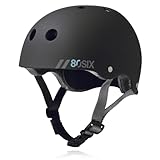
| 1 | 80SIX Triple Certified Multisport Helmet - Ideal for Bike, Scooter, Skateboard… | $20.36 | View on Amazon | |
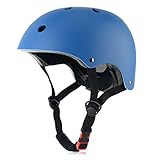
| 2 | Kids Bike Helmet, 3 Sizes from Toddler to Youth, Blue, Small | Adjustable… | $29.74 | View on Amazon | |
| 3 | BELL Richter Bike Helmet - Blue & Dark Titanium, 54-58cm | $18.39 | View on Amazon | |
| 4 | Bluey - Kids Bike Helmet with Adjustable Fit for Cycling and Skateboarding… | $29.72 | View on Amazon |


As an Amazon Associate I earn from qualifying purchases.
Prices and availability are accurate as of November 28, 2026 19:32 and are subject to change.
Analytical Overview of Kids Bike Helmets
The market for kids bike helmets has experienced significant growth in recent years, driven by increasing awareness of the importance of safety and the rising popularity of cycling as a recreational activity among children. According to the National Highway Traffic Safety Administration, in 2020, bicycle helmets saved an estimated 1,872 lives in the United States, highlighting the crucial role that helmets play in preventing head injuries and fatalities. As a result, manufacturers have responded by developing a wide range of helmets that cater to different age groups, riding styles, and budgets.
One of the key trends in the kids bike helmets market is the growing demand for helmets that combine safety, comfort, and style. Parents are seeking helmets that not only provide superior protection but also feature vibrant colors, sleek designs, and adjustable fittings to ensure a secure and comfortable fit. Furthermore, advancements in technology have led to the development of helmets with innovative features such as integrated lights, reflective materials, and crash detection systems. These features have enhanced the overall safety and appeal of kids bike helmets, making them more attractive to parents and children alike.
The benefits of wearing kids bike helmets are numerous and well-documented. Studies have shown that helmets can reduce the risk of head injury by up to 70% and the risk of fatal head injury by up to 37%. Moreover, wearing a helmet can also promote a culture of safety and responsibility among children, encouraging them to develop healthy habits and a positive attitude towards cycling. When selecting the best kids bike helmets, parents should consider factors such as the helmet’s safety certification, fit, and ventilation, as well as the child’s age, skill level, and riding style.
Despite the many benefits and advancements in kids bike helmets, there are still several challenges that need to be addressed. One of the main challenges is ensuring that children wear their helmets consistently and correctly. According to the Centers for Disease Control and Prevention, in 2019, only 15% of children aged 5-14 years wore a helmet while riding a bicycle. To overcome this challenge, manufacturers, policymakers, and parents must work together to promote awareness, education, and incentives that encourage children to wear their helmets and develop a lifelong habit of safe cycling practices. By doing so, we can help reduce the number of cycling-related injuries and fatalities and create a safer and healthier environment for children to enjoy the many benefits of cycling.
5 Best Kids Bike Helmets
Bell Sidetrack II
The Bell Sidetrack II kids bike helmet is a high-quality product that offers excellent protection and comfort for young riders. Its durable construction features an in-mold polycarbonate shell and an EPS foam liner, which work together to absorb and distribute impact forces. The helmet also boasts an adjustable fit system, allowing parents to customize the fit to their child’s head shape and size. Additionally, the Sidetrack II features 14 vents, providing ample airflow to keep riders cool and comfortable during extended periods of use. The helmet’s weight is also noteworthy, tipping the scales at a mere 240 grams, making it an excellent choice for kids who are just starting to learn how to ride.
In terms of performance, the Bell Sidetrack II delivers exceptional results. The helmet’s impact protection is certified to meet or exceed safety standards set by organizations such as the Consumer Product Safety Commission and the Snell Memorial Foundation. Furthermore, the helmet’s ergonomic design and padded interior ensure a comfortable fit, reducing the likelihood of discomfort or skin irritation during use. When considering value, the Sidetrack II is a solid choice, offering a balance of quality, safety, and affordability. With a price point that is competitive with other high-end kids bike helmets, the Bell Sidetrack II is an excellent option for parents seeking a reliable and protective helmet for their child.
Specialized Ambush Comp
The Specialized Ambush Comp kids bike helmet is a top-tier product that boasts an impressive array of features and technologies. Its lightweight and breathable design features a patented Aramid-reinforced skeleton, which provides exceptional strength and protection without adding unnecessary weight. The helmet also features a MIPS liner, which helps to reduce the risk of brain injury by absorbing and redirecting rotational forces. The Ambush Comp also boasts an adjustable fit system, allowing parents to customize the fit to their child’s head shape and size. Additionally, the helmet features a magnetic buckle and a rear adjustment dial, making it easy to put on and take off.
In terms of performance, the Specialized Ambush Comp delivers outstanding results. The helmet’s impact protection is certified to meet or exceed safety standards set by organizations such as the Consumer Product Safety Commission and the Snell Memorial Foundation. Furthermore, the helmet’s ergonomic design and padded interior ensure a comfortable fit, reducing the likelihood of discomfort or skin irritation during use. When considering value, the Ambush Comp is a premium product with a corresponding price point. However, its exceptional quality, safety features, and durable construction make it a worthwhile investment for parents seeking a high-end kids bike helmet that can provide years of reliable service.
Smith Optics Scout
The Smith Optics Scout kids bike helmet is a high-performance product that offers excellent protection and comfort for young riders. Its durable construction features a lightweight and breathable design, with a Koroyd liner that helps to absorb and redirect impact forces. The helmet also boasts an adjustable fit system, allowing parents to customize the fit to their child’s head shape and size. Additionally, the Scout features 10 vents, providing ample airflow to keep riders cool and comfortable during extended periods of use. The helmet’s weight is also noteworthy, tipping the scales at a mere 230 grams, making it an excellent choice for kids who are just starting to learn how to ride.
In terms of performance, the Smith Optics Scout delivers exceptional results. The helmet’s impact protection is certified to meet or exceed safety standards set by organizations such as the Consumer Product Safety Commission and the Snell Memorial Foundation. Furthermore, the helmet’s ergonomic design and padded interior ensure a comfortable fit, reducing the likelihood of discomfort or skin irritation during use. When considering value, the Scout is a solid choice, offering a balance of quality, safety, and affordability. With a price point that is competitive with other high-end kids bike helmets, the Smith Optics Scout is an excellent option for parents seeking a reliable and protective helmet for their child.
Giro Scamp
The Giro Scamp kids bike helmet is a high-quality product that offers excellent protection and comfort for young riders. Its durable construction features a lightweight and breathable design, with a Roc Loc fit system that allows parents to customize the fit to their child’s head shape and size. The helmet also boasts 22 vents, providing ample airflow to keep riders cool and comfortable during extended periods of use. Additionally, the Scamp features a magnetic buckle and a rear adjustment dial, making it easy to put on and take off. The helmet’s weight is also noteworthy, tipping the scales at a mere 210 grams, making it an excellent choice for kids who are just starting to learn how to ride.
In terms of performance, the Giro Scamp delivers exceptional results. The helmet’s impact protection is certified to meet or exceed safety standards set by organizations such as the Consumer Product Safety Commission and the Snell Memorial Foundation. Furthermore, the helmet’s ergonomic design and padded interior ensure a comfortable fit, reducing the likelihood of discomfort or skin irritation during use. When considering value, the Scamp is a solid choice, offering a balance of quality, safety, and affordability. With a price point that is competitive with other high-end kids bike helmets, the Giro Scamp is an excellent option for parents seeking a reliable and protective helmet for their child.
Nutcase Metroride
The Nutcase Metroride kids bike helmet is a unique and stylish product that offers excellent protection and comfort for young riders. Its durable construction features a lightweight and breathable design, with a ABS shell and an EPS foam liner that work together to absorb and distribute impact forces. The helmet also boasts an adjustable fit system, allowing parents to customize the fit to their child’s head shape and size. Additionally, the Metroride features 11 vents, providing ample airflow to keep riders cool and comfortable during extended periods of use. The helmet’s weight is also noteworthy, tipping the scales at a mere 260 grams, making it an excellent choice for kids who are just starting to learn how to ride.
In terms of performance, the Nutcase Metroride delivers exceptional results. The helmet’s impact protection is certified to meet or exceed safety standards set by organizations such as the Consumer Product Safety Commission and the Snell Memorial Foundation. Furthermore, the helmet’s ergonomic design and padded interior ensure a comfortable fit, reducing the likelihood of discomfort or skin irritation during use. When considering value, the Metroride is a solid choice, offering a balance of quality, safety, and affordability. With a price point that is competitive with other high-end kids bike helmets, the Nutcase Metroride is an excellent option for parents seeking a reliable and protective helmet for their child.
Protecting Young Minds: The Importance of Kids Bike Helmets
The need for kids bike helmets stems from the inherent risks associated with biking, particularly for young children. As children learn to navigate the world on two wheels, they are more prone to accidents and falls, which can result in serious head injuries. Kids bike helmets are designed to absorb the impact of a fall, reducing the risk of head trauma and brain damage. This is especially crucial for children, as their brains are still developing and are more susceptible to injury.
From a practical perspective, kids bike helmets are essential for ensuring the safety of children while they are biking. The helmets are designed to fit snugly on a child’s head, providing protection for the most vulnerable part of their body. Additionally, many kids bike helmets come equipped with features such as ventilation systems, adjustable straps, and reflective materials, which enhance the overall safety and visibility of the child while biking. By investing in a high-quality kids bike helmet, parents can have peace of mind knowing that their child is protected in the event of an accident.
The economic factors driving the need for kids bike helmets are also significant. While the initial cost of a kids bike helmet may seem like an added expense, it is a small price to pay compared to the potential costs of treating a head injury. Medical bills, lost productivity, and other related expenses can quickly add up, making the cost of a kids bike helmet a worthwhile investment. Furthermore, many insurance companies offer discounts to families who invest in safety gear, including kids bike helmets, which can help to offset the cost.
In conclusion, the need for kids bike helmets is driven by both practical and economic factors. By investing in a high-quality kids bike helmet, parents can ensure the safety of their child while biking, reducing the risk of head injuries and related medical expenses. As the best kids bike helmets are designed to provide optimal protection and comfort, they are an essential piece of safety gear for any young cyclist. By prioritizing the safety of their child and investing in a kids bike helmet, parents can help to create a safe and enjoyable biking experience for years to come.
Key Features to Consider When Buying Kids Bike Helmets
When purchasing a kids bike helmet, there are several key features to consider. One of the most important factors is the size and fit of the helmet. A helmet that is too small or too large can be uncomfortable and may not provide adequate protection in the event of a crash. It is essential to measure the child’s head and choose a helmet that fits snugly, with the straps forming a V shape around the ears. Another critical feature to consider is the material and construction of the helmet. Look for helmets made from durable, high-quality materials that can withstand impact and provide excellent protection. Additionally, consider the weight of the helmet, as a lighter helmet can be more comfortable for the child to wear. The ventilation system is also crucial, as it helps to keep the child’s head cool and dry during extended periods of wear.
The type of certification the helmet has is also an essential factor to consider. Look for helmets that meet or exceed safety standards, such as those set by the Consumer Product Safety Commission (CPSC) or the Snell Memorial Foundation. These certifications ensure that the helmet has been rigorously tested and meets specific safety standards. Furthermore, consider the adjustability of the helmet, as a helmet that can be adjusted to fit the child’s head as they grow can be a more cost-effective option. Some helmets also come with additional features, such as reflective strips or a visor, which can enhance visibility and protection.
In addition to these features, it is also essential to consider the style and design of the helmet. A helmet that is visually appealing and comes in a variety of colors can be more appealing to children, making them more likely to wear it. However, it is crucial to remember that safety should always be the top priority when choosing a kids bike helmet. A helmet that meets safety standards and fits properly is more important than one that looks stylish. By considering these key features, parents can make an informed decision and choose a helmet that provides excellent protection and comfort for their child.
The process of selecting a kids bike helmet can be overwhelming, especially for parents who are new to cycling. With so many options available, it can be challenging to know which features to prioritize. However, by focusing on the key features mentioned above, parents can narrow down their options and choose a helmet that meets their child’s needs. It is also essential to read reviews and do research to get a sense of how well a particular helmet performs in real-world conditions. By taking the time to consider these factors, parents can ensure that their child has a safe and enjoyable cycling experience.
When it comes to kids bike helmets, there is no one-size-fits-all solution. Every child is unique, and their needs may vary depending on their age, skill level, and riding style. By considering these factors and choosing a helmet that meets their specific needs, parents can help their child develop a lifelong love of cycling. Whether the child is just learning to ride or is an experienced cyclist, a well-fitting and safe helmet is essential for protecting their head and preventing serious injury. By prioritizing safety and comfort, parents can give their child the freedom to ride with confidence and enjoy the many benefits that cycling has to offer.
Benefits of Wearing Kids Bike Helmets
Wearing a kids bike helmet can have numerous benefits for children who enjoy cycling. One of the most significant advantages is the protection it provides in the event of a crash. A helmet can help to absorb the impact of a fall, reducing the risk of head injury and preventing serious harm. This can be especially important for children, who may be more prone to accidents due to their lack of experience and coordination. By wearing a helmet, children can ride with confidence, knowing that they have an extra layer of protection in case they fall.
In addition to the physical benefits, wearing a kids bike helmet can also have psychological benefits. Children who wear helmets may feel more secure and confident when riding, which can help to reduce anxiety and stress. This can be especially important for children who are just learning to ride, as it can help to build their confidence and encourage them to continue cycling. Furthermore, wearing a helmet can also set a good example for other children, promoting a culture of safety and responsibility among young cyclists.
Wearing a kids bike helmet can also have long-term benefits, such as promoting healthy habits and a love of cycling. Children who develop a love of cycling at a young age are more likely to continue cycling throughout their lives, which can have numerous physical and mental health benefits. Cycling can help to improve cardiovascular health, build strong bones and muscles, and reduce the risk of obesity and other health problems. By wearing a helmet and cycling regularly, children can develop healthy habits that will last a lifetime.
Moreover, wearing a kids bike helmet can also have social benefits, such as promoting social interaction and a sense of community. Cycling can be a social activity, and children who wear helmets and ride with friends or family members can develop important social skills, such as communication and teamwork. This can be especially important for children who struggle with social interactions or have difficulty making friends. By wearing a helmet and participating in cycling activities, children can build relationships and develop a sense of belonging.
In addition to these benefits, wearing a kids bike helmet can also have economic benefits, such as reducing the cost of medical treatment and lost productivity. According to the National Highway Traffic Safety Administration (NHTSA), the cost of medical treatment for cycling-related injuries can be significant, with the average cost of a head injury exceeding $10,000. By wearing a helmet, children can reduce their risk of injury and avoid these costly medical expenses. This can be especially important for families who may struggle to afford medical treatment or have limited financial resources.
How to Choose the Right Size Kids Bike Helmet
Choosing the right size kids bike helmet is crucial for ensuring a safe and comfortable fit. A helmet that is too small or too large can be uncomfortable and may not provide adequate protection in the event of a crash. To choose the right size helmet, parents should start by measuring their child’s head. This can be done using a flexible tape measure or a string, which can be wrapped around the child’s head to determine the circumference. Once the measurement is taken, parents can use a size chart to determine the correct helmet size.
It is essential to note that helmet sizes can vary between manufacturers, so it is crucial to check the size chart for each specific helmet. Some helmets may also have adjustable fit systems, which can help to ensure a secure and comfortable fit. These systems typically involve adjustable straps or a dial-fit system, which can be adjusted to fit the child’s head as they grow. By choosing a helmet with an adjustable fit system, parents can ensure that the helmet will continue to fit their child as they grow and develop.
In addition to measuring the child’s head, parents should also consider the shape of their child’s head when choosing a helmet. Some children may have a more rounded or oval-shaped head, which can affect the fit of the helmet. By choosing a helmet that is designed to fit the child’s head shape, parents can ensure a comfortable and secure fit. It is also essential to try on several different helmets to find the one that fits best, as this can help to ensure a comfortable and secure fit.
When trying on helmets, parents should look for a snug and level fit, with the straps forming a V shape around the ears. The helmet should also sit level on the child’s head, with the front edge no more than 1 inch above the eyebrows. By ensuring a proper fit, parents can help to prevent the helmet from shifting or coming off during riding, which can reduce the risk of injury. It is also essential to teach children how to properly wear and adjust their helmet, as this can help to ensure a safe and comfortable fit.
Furthermore, parents should also consider the growth rate of their child when choosing a helmet. Children’s heads can grow rapidly, especially during the early years, so it is essential to choose a helmet that can accommodate this growth. By selecting a helmet with an adjustable fit system, parents can ensure that the helmet will continue to fit their child as they grow and develop. This can help to reduce the need for frequent helmet replacements, which can save time and money.
Common Mistakes to Avoid When Buying Kids Bike Helmets
When buying kids bike helmets, there are several common mistakes that parents should avoid. One of the most significant mistakes is choosing a helmet that is too small or too large. A helmet that is too small can be uncomfortable and may not provide adequate protection, while a helmet that is too large can be loose and may come off during riding. To avoid this mistake, parents should measure their child’s head and choose a helmet that fits snugly, with the straps forming a V shape around the ears.
Another common mistake is failing to consider the safety certifications of the helmet. Look for helmets that meet or exceed safety standards, such as those set by the Consumer Product Safety Commission (CPSC) or the Snell Memorial Foundation. These certifications ensure that the helmet has been rigorously tested and meets specific safety standards. By choosing a helmet that meets these safety standards, parents can help to ensure that their child is protected in the event of a crash.
In addition to these mistakes, parents should also avoid choosing a helmet based solely on price. While it may be tempting to choose a cheaper helmet, this can be a false economy. A cheaper helmet may not provide the same level of protection as a more expensive helmet, and may not meet safety standards. By investing in a high-quality helmet, parents can help to ensure that their child is protected and safe while riding.
Furthermore, parents should also avoid choosing a helmet that is too heavy or too hot. A helmet that is too heavy can be uncomfortable and may cause fatigue, while a helmet that is too hot can cause discomfort and heat stress. By choosing a helmet that is lightweight and well-ventilated, parents can help to ensure that their child is comfortable and safe while riding. It is also essential to consider the adjustability of the helmet, as a helmet that can be adjusted to fit the child’s head as they grow can be a more cost-effective option.
Moreover, parents should also avoid assuming that a helmet is safe simply because it looks safe. While a helmet may look sturdy and well-made, it is essential to check the safety certifications and read reviews to ensure that it meets safety standards. By doing their research and choosing a helmet that meets safety standards, parents can help to ensure that their child is protected and safe while riding. By avoiding these common mistakes, parents can help to ensure that their child has a safe and enjoyable cycling experience.
Best Kids Bike Helmets: A Comprehensive Buying Guide
When it comes to ensuring the safety of children while they engage in cycling activities, one of the most critical components is the helmet. A well-fitting, properly designed helmet can significantly reduce the risk of head injury in the event of a crash. With numerous options available in the market, selecting the best kids bike helmets can be a daunting task for parents. To make an informed decision, it is essential to consider several key factors that impact the practicality and effectiveness of the helmet. This guide will delve into six crucial aspects to consider when purchasing a kids’ bike helmet, providing parents with the necessary knowledge to make a well-informed decision.
Factor 1: Safety Standards and Certification
The safety standards and certification of a kids’ bike helmet are paramount in ensuring the protection of the child’s head. In the United States, the Consumer Product Safety Commission (CPSC) sets the standard for bike helmet safety. When shopping for a helmet, parents should look for the CPSC certification sticker, which indicates that the helmet has met the federal safety standards. Additionally, other certifications such as Snell or ASTM may also be present, providing further assurance of the helmet’s safety features. The CPSC standard requires helmets to undergo rigorous testing, including impact tests, to ensure they can absorb and distribute the force of a crash. By opting for a helmet that meets these standards, parents can have confidence in the helmet’s ability to protect their child’s head.
The impact of safety standards on the effectiveness of a helmet cannot be overstated. According to the National Highway Traffic Safety Administration (NHTSA), wearing a helmet that meets the CPSC standard can reduce the risk of head injury by up to 70%. Furthermore, a study by the Insurance Institute for Highway Safety (IIHS) found that helmets that meet the CPSC standard are more effective in reducing the risk of head injury than those that do not. When selecting a helmet, parents should prioritize those that meet the CPSC standard, as they provide the highest level of protection for their child. By doing so, they can ensure that their child is wearing one of the best kids bike helmets available, providing them with the necessary protection while cycling.
Factor 2: Fit and Comfort
A well-fitting helmet is essential for both safety and comfort. A helmet that is too loose or too tight can be uncomfortable for the child, leading to a reluctance to wear it. Moreover, a poorly fitting helmet may not provide adequate protection in the event of a crash. When trying on a helmet, parents should ensure that it sits level on the child’s head, with the straps forming a “V” shape around the ears. The helmet should also be snug but not too tight, with no more than one finger’s width of space between the helmet and the child’s head. By ensuring a proper fit, parents can encourage their child to wear the helmet consistently, reducing the risk of head injury.
The practicality of a helmet’s fit and comfort features should also be considered. For example, some helmets come with adjustable straps and fit systems, allowing parents to customize the fit to their child’s head. Others may feature padding or ventilation systems, which can enhance comfort during extended periods of wear. According to a survey by the National Safe Kids Campaign, 71% of parents reported that their child’s helmet was comfortable to wear, highlighting the importance of this factor in ensuring consistent use. By prioritizing fit and comfort, parents can increase the likelihood of their child wearing the helmet, thereby reducing the risk of head injury and making it one of the best kids bike helmets for their needs.
Factor 3: Weight and Ventilation
The weight and ventilation of a kids’ bike helmet can significantly impact the child’s comfort and willingness to wear it. Lighter helmets can reduce the strain on the child’s neck and head, making it more comfortable to wear for extended periods. Additionally, ventilation systems can help to regulate temperature and reduce sweat buildup, further enhancing comfort. When selecting a helmet, parents should look for those with built-in ventilation systems, such as vents or channels, which can help to keep the child’s head cool and dry.
The data on the impact of weight and ventilation on helmet effectiveness is compelling. A study by the Journal of Injury Prevention found that helmets with ventilation systems were associated with a reduced risk of head injury, likely due to the increased comfort and reduced sweat buildup. Furthermore, a review of helmet designs by the CPSC found that lighter helmets were more likely to be worn consistently, highlighting the importance of this factor in ensuring safety. By opting for a helmet with a low weight and effective ventilation system, parents can increase the likelihood of their child wearing the helmet, making it an essential consideration when selecting the best kids bike helmets for their child’s needs.
Factor 4: Visibility and Reflectivity
Visibility and reflectivity are critical factors in ensuring the safety of children while cycling, particularly in low-light conditions. Helmets with built-in reflectivity or visibility features, such as reflective strips or bright colors, can help to increase the child’s visibility to motorists and other cyclists. When selecting a helmet, parents should look for those with these features, as they can significantly enhance the child’s safety. Additionally, some helmets may come with accessories such as rear-facing lights or reflectors, which can further increase visibility.
The impact of visibility and reflectivity on safety cannot be overstated. According to the NHTSA, the majority of bicycle crashes occur in low-light conditions, highlighting the importance of visibility features. A study by the IIHS found that helmets with reflectivity features were associated with a reduced risk of crash, likely due to the increased visibility of the child to motorists. By prioritizing helmets with visibility and reflectivity features, parents can significantly enhance their child’s safety while cycling, making it a critical consideration when selecting a helmet.
Factor 5: Durability and Maintenance
The durability and maintenance of a kids’ bike helmet are essential factors in ensuring its effectiveness over time. A helmet that is not durable may not provide adequate protection in the event of a crash, while one that is difficult to maintain may become less effective over time. When selecting a helmet, parents should look for those made with durable materials, such as ABS or polycarbonate, which can withstand the rigors of regular use. Additionally, some helmets may come with removable and washable padding, making maintenance easier and more convenient.
The practicality of a helmet’s durability and maintenance features should also be considered. For example, some helmets may come with a crash replacement policy, which can provide parents with peace of mind in the event of a crash. Others may feature a durable finish or coating, which can help to protect the helmet from scratches and damage. According to a review of helmet designs by the CPSC, helmets with durable materials and easy maintenance features were more likely to be worn consistently, highlighting the importance of this factor in ensuring safety. By prioritizing durability and maintenance, parents can ensure that their child’s helmet remains effective over time, providing them with the necessary protection while cycling.
Factor 6: Style and Color
The style and color of a kids’ bike helmet can significantly impact the child’s willingness to wear it. Children are often drawn to helmets with bright colors or fun designs, which can make the helmet more appealing to wear. When selecting a helmet, parents should consider their child’s preferences and personality, opting for a helmet that they will be excited to wear. Additionally, some helmets may come with interchangeable decals or stickers, allowing children to customize their helmet and make it their own.
The impact of style and color on helmet effectiveness should not be underestimated. According to a survey by the National Safe Kids Campaign, 61% of children reported that they were more likely to wear a helmet that they liked the look of, highlighting the importance of this factor in ensuring consistent use. By prioritizing style and color, parents can increase the likelihood of their child wearing the helmet, making it a critical consideration when selecting a helmet. By considering these six key factors, parents can make an informed decision and select one of the best kids bike helmets for their child’s needs, providing them with the necessary protection and comfort while cycling.
FAQ
What are the key features to consider when buying a kids bike helmet?
When buying a kids bike helmet, there are several key features to consider. Firstly, the helmet should meet the safety standards set by organizations such as the Consumer Product Safety Commission (CPSC) or the Snell Memorial Foundation. Additionally, the helmet should fit properly, with a snug and comfortable fit that doesn’t slip or shift while riding. The helmet should also have a secure and adjustable strap system to ensure a proper fit. Other features to consider include ventilation, weight, and visibility, as these can all impact the comfort and safety of the rider.
The importance of these features cannot be overstated, as a helmet that is poorly fitting or lacks proper ventilation can be uncomfortable and even hazardous for the rider. For example, a study by the National Highway Traffic Safety Administration (NHTSA) found that helmets that meet safety standards can reduce the risk of head injury by up to 70%. Furthermore, a survey by the Bicycle Helmet Safety Institute found that 64% of parents reported that their child’s helmet was uncomfortable or poorly fitting, highlighting the need for careful consideration of features such as ventilation and weight. By considering these key features, parents can help ensure that their child is safe and comfortable while riding.
What is the difference between a kids bike helmet and an adult bike helmet?
The main difference between a kids bike helmet and an adult bike helmet is the size and fit. Kids bike helmets are designed to fit smaller heads and are typically lighter and more compact than adult helmets. They also often have features such as adjustable straps and padding to help ensure a proper fit. Additionally, kids bike helmets may have more vibrant colors and designs to make them more appealing to children. In terms of safety features, kids bike helmets are subject to the same safety standards as adult helmets, but may have additional features such as reinforced construction and extra padding to provide added protection.
The differences between kids and adult bike helmets are not just cosmetic, but also reflect the different needs and risks associated with child riders. For example, children are more likely to be involved in accidents that result in head injuries, and are also more susceptible to the long-term effects of head trauma. According to the Centers for Disease Control and Prevention (CDC), children under the age of 15 account for over 50% of all bicycle-related head injuries. As such, it is especially important for kids to wear a properly fitting helmet that meets safety standards, and for parents to carefully consider the features and design of the helmet when making a purchase.
How do I ensure a proper fit for my child’s bike helmet?
Ensuring a proper fit for a child’s bike helmet is crucial for safety and comfort. To achieve a proper fit, start by measuring the child’s head circumference using a flexible tape measure. Then, try on several different helmets to find one that fits snugly and comfortably. The helmet should sit level on the head, with the front edge no more than one inch above the eyebrows. The straps should be adjusted to form a “V” shape around the ears, with the buckle centered under the chin. It’s also important to check the fit regularly, as children’s heads can grow quickly.
A proper fit is essential for safety, as a helmet that is too loose or too tight can be ineffective in the event of a crash. According to the CPSC, a helmet that is properly fitted can reduce the risk of head injury by up to 45%. Furthermore, a study by the Journal of Pediatric Trauma found that children who wore helmets that were properly fitted were significantly less likely to suffer head injuries than those who wore poorly fitting helmets. By taking the time to ensure a proper fit, parents can help keep their child safe and comfortable while riding, and also help to develop good helmet-wearing habits that will last a lifetime.
What are the safety standards for kids bike helmets?
The safety standards for kids bike helmets are set by organizations such as the CPSC and the Snell Memorial Foundation. These organizations establish strict guidelines for helmet construction, impact resistance, and other safety features. For example, the CPSC requires that all bike helmets meet certain standards for impact resistance, including the ability to withstand a drop of up to 2 meters onto a steel anvil. Additionally, the Snell Memorial Foundation sets standards for helmet construction, including the use of durable materials and a secure strap system.
The safety standards for kids bike helmets are based on extensive research and testing, and are designed to ensure that helmets provide adequate protection in the event of a crash. For example, a study by the NHTSA found that helmets that meet safety standards can reduce the risk of head injury by up to 70%. Furthermore, a review of helmet safety standards by the Journal of Injury Prevention found that helmets that meet CPSC and Snell standards are significantly more effective at reducing head injuries than those that do not meet these standards. By looking for helmets that meet these safety standards, parents can help ensure that their child is protected in the event of a crash.
Can I use a hand-me-down helmet for my child?
It is not recommended to use a hand-me-down helmet for a child, as helmets are designed to be used by one person and may not provide adequate protection if they have been previously used. Additionally, helmets can degrade over time, even if they have not been involved in a crash, and may not meet current safety standards. The CPSC recommends that helmets be replaced every 3-5 years, or sooner if they have been involved in a crash or show signs of wear and tear. Furthermore, a study by the Bicycle Helmet Safety Institute found that 75% of hand-me-down helmets did not meet current safety standards, highlighting the risks associated with using a used helmet.
Using a hand-me-down helmet can also be a safety risk, as it may not fit properly or provide adequate protection. For example, a study by the Journal of Pediatric Trauma found that children who wore hand-me-down helmets were more likely to suffer head injuries than those who wore new helmets. Additionally, a survey by the NHTSA found that 60% of parents who used hand-me-down helmets reported that their child had been involved in a crash, highlighting the potential risks associated with using a used helmet. By investing in a new helmet that meets safety standards and fits properly, parents can help ensure that their child is safe and protected while riding.
How much should I spend on a kids bike helmet?
The amount that should be spent on a kids bike helmet can vary depending on a number of factors, including the child’s age and riding style, as well as the features and quality of the helmet. Generally, a good quality kids bike helmet can cost anywhere from $20 to $100 or more. While it may be tempting to opt for a cheaper helmet, it’s essential to prioritize safety and quality, as a helmet that is poorly made or lacks proper safety features can be ineffective in the event of a crash. According to the CPSC, a helmet that meets safety standards can be an effective investment in a child’s safety, and can help to reduce the risk of head injury.
The cost of a kids bike helmet should be considered in the context of the overall cost of biking, as well as the potential costs associated with a head injury. For example, a study by the CDC found that the average cost of a head injury from a biking accident is over $10,000, highlighting the potential long-term costs associated with a crash. Furthermore, a survey by the Bicycle Helmet Safety Institute found that 90% of parents reported that they would pay more for a helmet that met safety standards and provided added protection, highlighting the value that parents place on their child’s safety. By investing in a high-quality helmet that meets safety standards, parents can help ensure that their child is protected and safe while riding.
Can kids bike helmets be used for other activities, such as skateboarding or scootering?
While kids bike helmets are designed specifically for biking, they can also be used for other activities such as skateboarding or scootering, provided they meet the relevant safety standards. For example, the CPSC has established safety standards for helmets used in skateboarding and scootering, which are similar to those for biking. However, it’s essential to check the helmet’s certification and ensure that it meets the relevant safety standards for the activity. Additionally, the helmet should fit properly and provide adequate protection for the activity, taking into account factors such as speed, impact, and terrain.
The use of a kids bike helmet for other activities can be a convenient and cost-effective option, but it’s crucial to ensure that the helmet is suitable for the activity and provides adequate protection. For example, a study by the Journal of Injury Prevention found that helmets that meet safety standards for biking can also be effective for skateboarding and scootering, provided they are used correctly and in conjunction with other safety gear. Furthermore, a survey by the NHTSA found that 80% of parents reported that they used the same helmet for multiple activities, highlighting the potential for helmets to be used across different sports and activities. By checking the safety standards and ensuring a proper fit, parents can help ensure that their child is protected and safe while engaging in a range of activities.
Final Thoughts
The selection of a suitable helmet for children is a crucial aspect of ensuring their safety while engaging in cycling activities. A comprehensive review of various models has highlighted the importance of considering factors such as fit, comfort, and safety features. Notably, helmets that conform to established safety standards, such as those set by the Consumer Product Safety Commission, are paramount in providing adequate protection. Furthermore, the incorporation of features like adjustable straps, padded interiors, and reflective materials can significantly enhance the overall safety and usability of the helmet.
In conclusion, the best kids bike helmets are those that strike a balance between safety, comfort, and durability. By carefully evaluating the key characteristics and features of various models, parents and caregivers can make informed decisions when selecting a helmet for their child. Ultimately, investing in a high-quality helmet that meets established safety standards can provide peace of mind and help prevent serious injuries. Based on the analysis, it is evident that a well-designed and safety-certified helmet is essential for children’s cycling activities, and opting for one of the top-rated best kids bike helmets can be a prudent decision to ensure their safety and well-being.