Rust damage poses a significant threat to vehicle longevity, necessitating prompt and effective intervention to prevent further deterioration. Automotive rust converters have emerged as a crucial solution, offering a means to halt the rusting process and restore vehicle integrity. By identifying and applying the best automotive rust converters, car owners can safeguard their investments and ensure optimal performance. Effective rust conversion is critical to maintaining vehicle safety and value.
Selecting a suitable rust converter can be daunting, given the numerous products available on the market. A thorough evaluation of product characteristics, such as efficacy, ease of application, and compatibility, is essential to inform purchasing decisions. Through a comprehensive analysis of existing options, individuals can make informed choices that address their specific needs and circumstances. By examining the key features and benefits of various rust converters, consumers can optimize their selection process.
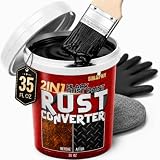
We will discuss the best automotive rust converters further down, but for now, consider checking out these related items on Amazon:



As an Amazon Associate I earn from qualifying purchases.
Prices and availability are accurate as of November 28, 2026 19:06 and are subject to change.
Overview of Automotive Rust Converters
Automotive rust converters have become an essential tool in the automotive industry, providing a cost-effective and efficient solution to combat rust and corrosion. According to a study by the National Institute of Standards and Technology, rust and corrosion cost the US economy approximately 3.1 billion dollars annually. The use of automotive rust converters can help mitigate these costs by extending the lifespan of vehicles and reducing maintenance expenses. Key trends in the industry include the development of eco-friendly and water-based converters, which are gaining popularity due to their reduced environmental impact.
The benefits of using automotive rust converters are numerous, including their ability to stop rust in its tracks, prevent further corrosion, and provide a strong foundation for paint and coatings. A survey conducted by the Automotive Aftermarket Industry Association found that 75 percent of automotive technicians and repair shops use rust converters as part of their maintenance and repair procedures. This widespread adoption is a testament to the effectiveness of these products. Additionally, many automotive rust converters are easy to apply, making them a convenient solution for vehicle owners and technicians alike.
Despite the many benefits of automotive rust converters, there are also challenges associated with their use. One of the primary concerns is the potential for converters to damage surrounding paint and coatings if not applied correctly. Furthermore, some converters may not be compatible with certain types of metal or surfaces, which can lead to reduced effectiveness or even damage to the vehicle. To overcome these challenges, it is essential to choose the best automotive rust converters that are specifically designed for the task at hand and to follow the manufacturer’s instructions carefully.
The market for automotive rust converters is expected to continue growing in the coming years, driven by increasing demand for effective and efficient rust prevention solutions. According to a report by Grand View Research, the global rust converter market is projected to reach 1.3 billion dollars by 2025, growing at a compound annual growth rate of 4.5 percent. As the industry continues to evolve, we can expect to see the development of new and innovative products that address the challenges associated with rust and corrosion, providing vehicle owners and technicians with even more effective solutions to extend the lifespan of their vehicles.
The Best Automotive Rust Converters
Corroseal Rust Converter
The Corroseal Rust Converter is a water-based solution that converts rust into a stable, inert substance, preventing further corrosion. It is a non-toxic, non-flammable, and environmentally friendly product that can be used on a variety of metal surfaces, including iron, steel, and aluminum. The converter is easy to apply, either by brush or spray, and dries quickly to a hard, black finish. It is also resistant to salt, oil, and other chemicals, making it an ideal choice for use in harsh environments.
In terms of performance, the Corroseal Rust Converter has been shown to be highly effective in preventing rust and corrosion. It has a high level of adhesion to metal surfaces, which helps to ensure a strong bond and prevent flaking or peeling. The converter is also resistant to UV light, which can cause many other rust converters to break down over time. Overall, the Corroseal Rust Converter is a high-quality product that offers excellent value for its price. It is a reliable and effective solution for preventing rust and corrosion, and is suitable for use in a wide range of applications, from automotive to industrial to marine.
Por-15 Rust Converter
The Por-15 Rust Converter is a popular choice among automotive enthusiasts and professionals due to its high level of effectiveness and ease of use. It is a water-based solution that converts rust into a stable, inert substance, preventing further corrosion and creating a strong, durable bond to the metal surface. The converter is easy to apply, either by brush or spray, and dries quickly to a hard, black finish. It is also resistant to salt, oil, and other chemicals, making it an ideal choice for use in harsh environments.
In terms of value, the Por-15 Rust Converter is a high-quality product that offers excellent performance and durability. It is a bit more expensive than some other rust converters on the market, but its high level of effectiveness and long-lasting results make it a worthwhile investment. The converter is also backed by a satisfaction guarantee, which provides added peace of mind for users. Overall, the Por-15 Rust Converter is a reliable and effective solution for preventing rust and corrosion, and is suitable for use in a wide range of applications, from automotive to industrial to marine.
3M Rust Converter
The 3M Rust Converter is a high-quality product that is designed to convert rust into a stable, inert substance, preventing further corrosion and creating a strong, durable bond to the metal surface. It is a water-based solution that is easy to apply, either by brush or spray, and dries quickly to a hard, black finish. The converter is also resistant to salt, oil, and other chemicals, making it an ideal choice for use in harsh environments. It is suitable for use on a variety of metal surfaces, including iron, steel, and aluminum.
In terms of performance, the 3M Rust Converter has been shown to be highly effective in preventing rust and corrosion. It has a high level of adhesion to metal surfaces, which helps to ensure a strong bond and prevent flaking or peeling. The converter is also resistant to UV light, which can cause many other rust converters to break down over time. Overall, the 3M Rust Converter is a reliable and effective solution for preventing rust and corrosion, and is suitable for use in a wide range of applications, from automotive to industrial to marine. It offers excellent value for its price, and is a worthwhile investment for anyone looking to protect their metal surfaces from rust and corrosion.
Loctite Rust Converter
The Loctite Rust Converter is a high-quality product that is designed to convert rust into a stable, inert substance, preventing further corrosion and creating a strong, durable bond to the metal surface. It is a water-based solution that is easy to apply, either by brush or spray, and dries quickly to a hard, black finish. The converter is also resistant to salt, oil, and other chemicals, making it an ideal choice for use in harsh environments. It is suitable for use on a variety of metal surfaces, including iron, steel, and aluminum.
In terms of value, the Loctite Rust Converter is a reliable and effective solution for preventing rust and corrosion. It is a bit more expensive than some other rust converters on the market, but its high level of effectiveness and long-lasting results make it a worthwhile investment. The converter is also backed by a satisfaction guarantee, which provides added peace of mind for users. Overall, the Loctite Rust Converter is a high-quality product that offers excellent performance and durability, and is suitable for use in a wide range of applications, from automotive to industrial to marine. It is a good choice for anyone looking to protect their metal surfaces from rust and corrosion.
Eastwood Rust Converter
The Eastwood Rust Converter is a popular choice among automotive enthusiasts and professionals due to its high level of effectiveness and ease of use. It is a water-based solution that converts rust into a stable, inert substance, preventing further corrosion and creating a strong, durable bond to the metal surface. The converter is easy to apply, either by brush or spray, and dries quickly to a hard, black finish. It is also resistant to salt, oil, and other chemicals, making it an ideal choice for use in harsh environments.
In terms of performance, the Eastwood Rust Converter has been shown to be highly effective in preventing rust and corrosion. It has a high level of adhesion to metal surfaces, which helps to ensure a strong bond and prevent flaking or peeling. The converter is also resistant to UV light, which can cause many other rust converters to break down over time. Overall, the Eastwood Rust Converter is a reliable and effective solution for preventing rust and corrosion, and is suitable for use in a wide range of applications, from automotive to industrial to marine. It offers excellent value for its price, and is a worthwhile investment for anyone looking to protect their metal surfaces from rust and corrosion.
Importance of Automotive Rust Converters for Vehicle Maintenance
The need for automotive rust converters arises from the fact that rust can cause significant damage to vehicles, compromising their structural integrity and appearance. Rust converters are chemical treatments that neutralize rust and prevent further corrosion, making them an essential tool for vehicle owners. By applying a rust converter, individuals can protect their vehicles from the harmful effects of rust, ensuring they remain in good condition for an extended period. This is particularly important for vehicles exposed to harsh environmental conditions, such as high humidity, salt, or extreme temperatures.
From a practical perspective, automotive rust converters offer a convenient and effective solution for dealing with rust issues. They are relatively easy to apply, and their effects can be long-lasting, providing vehicle owners with a cost-effective alternative to replacing rusted parts. Moreover, rust converters can be used on a variety of surfaces, including metal, making them a versatile tool for vehicle maintenance. By using a rust converter, individuals can save time and effort that would be spent on repairing or replacing damaged parts, allowing them to focus on other aspects of vehicle maintenance.
The economic factors driving the need for automotive rust converters are also significant. Rust damage can lead to costly repairs, particularly if left unchecked. By investing in a rust converter, vehicle owners can avoid these expenses and prolong the lifespan of their vehicles. Additionally, rust converters can help maintain the resale value of vehicles, as a rust-free vehicle is generally more attractive to potential buyers. This makes rust converters a sound investment for vehicle owners, as they can help prevent financial losses associated with rust damage and maintain the overall value of their vehicles.
In conclusion, the need for automotive rust converters is driven by both practical and economic factors. These products offer a convenient, effective, and cost-efficient solution for dealing with rust issues, making them an essential tool for vehicle maintenance. By using a rust converter, individuals can protect their vehicles from the harmful effects of rust, prevent costly repairs, and maintain the resale value of their vehicles. As a result, investing in a high-quality automotive rust converter is a wise decision for vehicle owners, as it can help ensure their vehicles remain in good condition and provide long-term financial benefits.
Understanding Rust Formation and Its Impact on Vehicles
Rust formation is a natural process that occurs when metal is exposed to oxygen and moisture, leading to the degradation of the metal’s surface. In the context of vehicles, rust can form on any metal component, including the chassis, suspension, and body panels. If left unchecked, rust can weaken the structural integrity of the vehicle, compromising its safety and performance. Furthermore, rust can also lead to costly repairs, making it essential for vehicle owners to take proactive measures to prevent or mitigate its effects. The use of automotive rust converters is one such measure, as these products can help to convert rust into a stable, inert substance that prevents further corrosion. By understanding the process of rust formation and its impact on vehicles, owners can take informed decisions about the best ways to protect their vehicles from this common problem. In addition to using rust converters, vehicle owners can also take other preventive measures, such as regularly washing and waxing their vehicles, and applying rust-inhibiting coatings to metal components. Regular inspections can also help to identify and address rust formation in its early stages, reducing the risk of costly repairs down the line.
The chemical process of rust formation involves the oxidation of metal, typically iron or steel, in the presence of oxygen and moisture. This reaction leads to the formation of iron oxide, which is the flaky, reddish-brown substance commonly known as rust. As rust forms, it can spread rapidly, weakening the metal and compromising its structural integrity. In vehicles, rust can form in areas that are prone to moisture accumulation, such as the wheel wells, door sills, and trunk. It can also form on metal components that are exposed to the elements, such as the suspension and steering systems. By using automotive rust converters, vehicle owners can help to prevent the spread of rust and protect their vehicles from the damaging effects of corrosion. These products work by converting the rust into a stable, inert substance that prevents further corrosion, and can be applied to affected areas to restore the metal’s surface.
In addition to the aesthetic and structural impacts of rust, it can also have significant safety implications. Rust can weaken the metal components of a vehicle, compromising its ability to withstand crashes and other impacts. This can increase the risk of injury or death in the event of an accident, making it essential for vehicle owners to take proactive measures to prevent rust formation. Regular inspections and maintenance can help to identify and address rust formation in its early stages, reducing the risk of costly repairs and safety hazards. Vehicle owners can also take steps to prevent rust formation, such as applying rust-inhibiting coatings to metal components and regularly washing and waxing their vehicles. By taking these preventive measures, vehicle owners can help to protect their vehicles from the damaging effects of rust and ensure their safety on the road.
The use of automotive rust converters is a highly effective way to prevent the spread of rust and protect vehicles from the damaging effects of corrosion. These products work by converting the rust into a stable, inert substance that prevents further corrosion, and can be applied to affected areas to restore the metal’s surface. By using rust converters, vehicle owners can help to prevent the costly repairs and safety hazards associated with rust formation, and keep their vehicles looking and performing their best. In addition to their functional benefits, rust converters can also provide peace of mind for vehicle owners, knowing that their vehicles are protected from the damaging effects of rust.
The application of automotive rust converters is a relatively simple process that can be completed at home with basic tools and materials. The first step is to clean the affected area thoroughly, removing any dirt, grime, or debris that may be present. Next, the rust converter is applied to the affected area, typically using a brush or spray gun. The converter is then allowed to dry and cure, converting the rust into a stable, inert substance that prevents further corrosion. Once the converter has cured, the affected area can be painted or coated to restore the metal’s surface. By following these simple steps, vehicle owners can help to prevent the spread of rust and protect their vehicles from the damaging effects of corrosion.
Types of Automotive Rust Converters and Their Applications
There are several types of automotive rust converters available on the market, each with its own unique characteristics and applications. Some converters are designed for use on specific types of metal, such as iron or aluminum, while others are formulated for use in certain environments, such as high-humidity or high-temperature areas. Understanding the different types of rust converters and their applications is essential for vehicle owners who want to protect their vehicles from the damaging effects of corrosion. By selecting the right type of converter for their specific needs, vehicle owners can help to ensure that their vehicles are properly protected and maintained.
One of the most common types of automotive rust converters is the phosphoric acid-based converter. This type of converter is highly effective at converting rust into a stable, inert substance, and is commonly used on iron and steel surfaces. Phosphoric acid-based converters are also relatively inexpensive and easy to apply, making them a popular choice among vehicle owners. However, they can be corrosive to certain types of metal, such as aluminum, and should be used with caution. Another type of converter is the tannin-based converter, which is derived from plant extracts and is biodegradable. Tannin-based converters are a good choice for vehicle owners who are looking for a more environmentally friendly option, and are also less corrosive than phosphoric acid-based converters.
In addition to these two types of converters, there are also several other options available, including polymeric-based converters and silica-based converters. Polymeric-based converters are highly effective at converting rust into a stable, inert substance, and are commonly used on surfaces that are exposed to high temperatures or heavy wear and tear. Silica-based converters, on the other hand, are highly effective at preventing rust formation in the first place, and are commonly used on new metal surfaces. By understanding the different types of rust converters and their applications, vehicle owners can select the best product for their specific needs and help to protect their vehicles from the damaging effects of corrosion.
The application of automotive rust converters can vary depending on the type of converter and the surface being treated. In general, however, the process involves cleaning the affected area thoroughly, applying the converter, and allowing it to dry and cure. The converter can be applied using a brush, spray gun, or other tool, and can be mixed with other products, such as paint or primer, to enhance its performance. By following the manufacturer’s instructions and taking the necessary precautions, vehicle owners can help to ensure that the converter is applied safely and effectively.
The cost of automotive rust converters can vary widely, depending on the type and quality of the product. In general, however, converters are relatively inexpensive, with most products costing between $10 and $50 per unit. The cost of the converter will also depend on the size of the area being treated, as well as the number of applications required. By selecting a high-quality converter and following the manufacturer’s instructions, vehicle owners can help to ensure that their vehicles are properly protected and maintained, and that the converter provides long-lasting results.
In addition to their cost, automotive rust converters can also vary in terms of their ease of use and environmental impact. Some converters are highly toxic and require special handling and disposal procedures, while others are biodegradable and non-toxic. By selecting a converter that is easy to use and environmentally friendly, vehicle owners can help to minimize their impact on the environment and ensure that their vehicles are protected and maintained in a responsible and sustainable way.
Benefits and Limitations of Using Automotive Rust Converters
The use of automotive rust converters offers several benefits, including the ability to prevent the spread of rust and protect vehicles from the damaging effects of corrosion. Rust converters can also help to restore the appearance of metal surfaces, making them look like new again. In addition to their functional benefits, rust converters can also provide peace of mind for vehicle owners, knowing that their vehicles are protected from the damaging effects of rust. However, there are also some limitations to using rust converters, including the potential for them to be corrosive to certain types of metal, and the need for repeated applications to maintain their effectiveness.
One of the main benefits of using automotive rust converters is their ability to prevent the spread of rust and protect vehicles from the damaging effects of corrosion. Rust can weaken the metal components of a vehicle, compromising its safety and performance, and can also lead to costly repairs. By using a rust converter, vehicle owners can help to prevent the spread of rust and keep their vehicles looking and performing their best. Rust converters can also help to restore the appearance of metal surfaces, making them look like new again. This can be especially beneficial for vehicle owners who want to maintain the appearance of their vehicles, or who are looking to sell their vehicles in the future.
In addition to their functional benefits, automotive rust converters can also provide peace of mind for vehicle owners. By knowing that their vehicles are protected from the damaging effects of rust, vehicle owners can drive with confidence, knowing that their vehicles are safe and reliable. Rust converters can also help to reduce the risk of costly repairs, which can be a major concern for vehicle owners. By preventing the spread of rust and protecting vehicles from corrosion, rust converters can help to minimize the need for repairs and maintain the overall health and performance of the vehicle.
However, there are also some limitations to using automotive rust converters. One of the main limitations is the potential for them to be corrosive to certain types of metal. For example, phosphoric acid-based converters can be corrosive to aluminum, and should be used with caution. Another limitation is the need for repeated applications to maintain their effectiveness. Rust converters can break down over time, especially when exposed to heavy wear and tear or harsh environmental conditions. By reapplying the converter as needed, vehicle owners can help to maintain its effectiveness and keep their vehicles protected from the damaging effects of corrosion.
The effectiveness of automotive rust converters can also depend on the surface being treated and the environmental conditions in which they are used. For example, converters may be less effective on surfaces that are exposed to high temperatures or heavy wear and tear, and may require more frequent reapplication to maintain their effectiveness. By understanding the limitations of rust converters and taking steps to minimize their impact, vehicle owners can help to ensure that their vehicles are properly protected and maintained.
In addition to their benefits and limitations, automotive rust converters can also vary in terms of their ease of use and environmental impact. Some converters are highly toxic and require special handling and disposal procedures, while others are biodegradable and non-toxic. By selecting a converter that is easy to use and environmentally friendly, vehicle owners can help to minimize their impact on the environment and ensure that their vehicles are protected and maintained in a responsible and sustainable way. By considering these factors and selecting a high-quality converter, vehicle owners can help to keep their vehicles looking and performing their best, while also minimizing their impact on the environment.
Best Practices for Applying and Maintaining Automotive Rust Converters
The application and maintenance of automotive rust converters requires some care and attention to ensure their effectiveness and safety. One of the best practices for applying rust converters is to thoroughly clean the affected area before application, removing any dirt, grime, or debris that may be present. This helps to ensure that the converter adheres properly to the metal surface and provides optimal protection. Another best practice is to follow the manufacturer’s instructions for application and drying times, as this can help to ensure that the converter is applied safely and effectively.
In addition to these best practices, vehicle owners should also take steps to maintain the effectiveness of the rust converter over time. This can include reapplying the converter as needed, especially in areas that are exposed to heavy wear and tear or harsh environmental conditions. Vehicle owners should also inspect the affected area regularly to check for any signs of rust or corrosion, and take action promptly if they notice any problems. By following these best practices and taking a proactive approach to maintenance, vehicle owners can help to ensure that their vehicles are properly protected and maintained, and that the rust converter provides long-lasting results.
The safety of automotive rust converters is also an important consideration, as some products can be toxic or corrosive if not handled properly. Vehicle owners should always follow the manufacturer’s instructions for application and handling, and take steps to minimize their exposure to the product. This can include wearing protective gloves and eyewear, and working in a well-ventilated area. By taking these precautions, vehicle owners can help to ensure that they are using the rust converter safely and effectively, and minimizing their risk of injury or illness.
In addition to their safety, automotive rust converters can also vary in terms of their environmental impact. Some products are biodegradable and non-toxic, while others can be harmful to the environment if not disposed of properly. By selecting a converter that is environmentally friendly and following the manufacturer’s instructions for disposal, vehicle owners can help to minimize their impact on the environment and ensure that their vehicles are protected and maintained in a responsible and sustainable way.
The cost of maintaining automotive rust converters can also be an important consideration, as some products may require frequent reapplication or special handling procedures. By selecting a high-quality converter and following the manufacturer’s instructions for application and maintenance, vehicle owners can help to minimize their costs and ensure that their vehicles are properly protected and maintained. In addition to their cost, vehicle owners should also consider the potential benefits of using rust converters, including the ability to prevent the spread of rust and protect vehicles from the damaging effects of corrosion.
By following these best practices and taking a proactive approach to maintenance, vehicle owners can help to ensure that their vehicles are properly protected and maintained, and that the rust converter provides long-lasting results. This can include regularly inspecting the affected area, reapplying the converter as needed, and following the manufacturer’s instructions for application and handling. By taking these steps, vehicle owners can help to minimize their costs and ensure that their vehicles are protected and maintained in a responsible and sustainable way.
Best Automotive Rust Converters: A Comprehensive Buying Guide
When it comes to maintaining the longevity and integrity of a vehicle, one of the most critical aspects to consider is the prevention and treatment of rust. Rust can lead to significant damage, compromising the safety and performance of the vehicle. In this context, the use of automotive rust converters has become a widely accepted practice. These products work by converting rust into a stable, inert substance that no longer corrodes the metal, thereby preventing further damage. The selection of the best automotive rust converters is crucial, as it directly impacts the effectiveness of the rust treatment. To make an informed decision, it is essential to consider several key factors.
Effectiveness of Rust Conversion
The primary purpose of an automotive rust converter is to effectively convert rust into a harmless substance. The best products in this category are those that can achieve this conversion efficiently, without leaving any residues or causing further damage to the metal. The effectiveness of rust conversion can be measured by the product’s ability to stop the rusting process and prevent future corrosion. A good rust converter should be able to penetrate deep into the rusted area, converting all the rust into a stable compound. This is particularly important in areas where rust has penetrated deep into the metal, as these areas are more prone to further damage if not properly treated.
The effectiveness of rust conversion also depends on the type of rust converter used. There are different types of rust converters available, including phosphoric acid-based, tannic acid-based, and polymeric-based products. Phosphoric acid-based rust converters are among the most commonly used, as they are effective in converting rust into a stable phosphate compound. However, they may not be suitable for all types of metals, and their use requires careful consideration of the metal type and the extent of rust damage. In contrast, polymeric-based rust converters are more versatile and can be used on a wide range of metals, including aluminum and stainless steel. When selecting the best automotive rust converters, it is essential to consider the type of metal and the extent of rust damage to ensure the most effective treatment.
Ease of Application
Another critical factor to consider when buying automotive rust converters is the ease of application. A good rust converter should be easy to apply, with minimal preparation required. The product should be able to penetrate deep into the rusted area, converting all the rust into a stable compound without the need for extensive surface preparation. The ease of application also depends on the viscosity of the product, with thinner products being easier to apply to complex shapes and tight spaces. Additionally, the product should be safe to use, with minimal risk of skin and eye irritation or other health hazards.
The ease of application is also influenced by the product’s drying time and the number of coats required. A good rust converter should have a relatively fast drying time, allowing for multiple coats to be applied in a short period. This is particularly important in situations where time is of the essence, and the vehicle needs to be back on the road as quickly as possible. Furthermore, the product should be able to be applied in a variety of environmental conditions, including high temperatures and humidity. When selecting the best automotive rust converters, it is essential to consider the ease of application, as this can significantly impact the overall effectiveness of the rust treatment.
Compatibility with Different Metals
The compatibility of the rust converter with different metals is a critical factor to consider. Not all rust converters are suitable for use on all types of metals, and using the wrong product can lead to further damage or discoloration. For example, some rust converters may not be suitable for use on aluminum or stainless steel, as they can react with the metal and cause damage. In contrast, other products may be specifically designed for use on these metals, providing a safe and effective treatment.
The compatibility of the rust converter with different metals also depends on the product’s pH level and chemical composition. A good rust converter should have a pH level that is close to neutral, to minimize the risk of damage or discoloration. Additionally, the product should be free of toxic chemicals and heavy metals, which can pose a risk to human health and the environment. When selecting the best automotive rust converters, it is essential to consider the compatibility of the product with the type of metal being treated, to ensure a safe and effective treatment. The use of the best automotive rust converters can provide a significant advantage in terms of effectiveness and safety.
Cost-Effectiveness
The cost-effectiveness of the rust converter is another critical factor to consider. The cost of the product should be weighed against its effectiveness and the extent of rust damage. A good rust converter should provide a cost-effective solution, with a low cost per unit area treated. The product should also be available in a range of sizes, to suit different applications and budgets. Additionally, the product should have a long shelf life, to minimize waste and reduce the need for frequent re-purchases.
The cost-effectiveness of the rust converter also depends on the product’s coverage rate and the number of coats required. A good rust converter should have a high coverage rate, allowing for a large area to be treated with a single coat. This can significantly reduce the overall cost of the treatment, as well as the time and labor required. Furthermore, the product should be able to be used in conjunction with other rust treatment products, such as primers and topcoats, to provide a comprehensive rust protection system. When selecting the best automotive rust converters, it is essential to consider the cost-effectiveness of the product, to ensure a cost-effective solution that meets the needs of the application.
Environmental Impact
The environmental impact of the rust converter is a critical factor to consider. The product should be safe for use in a variety of environments, with minimal risk of harm to humans, animals, or the environment. A good rust converter should be free of toxic chemicals and heavy metals, which can pose a risk to human health and the environment. Additionally, the product should be biodegradable, with a minimal carbon footprint.
The environmental impact of the rust converter also depends on the product’s packaging and disposal. A good rust converter should be packaged in a way that minimizes waste and reduces the risk of environmental harm. The product should be available in recyclable packaging, and the manufacturer should provide clear instructions for disposal. Furthermore, the product should be designed to be used in conjunction with other environmentally friendly products, such as water-based primers and topcoats. When selecting the best automotive rust converters, it is essential to consider the environmental impact of the product, to ensure a safe and sustainable solution.
Manufacturer Reputation and Warranty
The reputation of the manufacturer and the warranty provided are critical factors to consider when buying automotive rust converters. A good manufacturer should have a reputation for producing high-quality products, with a strong commitment to customer service and support. The manufacturer should provide clear instructions for use, as well as technical support and troubleshooting guidance. Additionally, the product should be backed by a comprehensive warranty, which provides protection against defects and other issues.
The reputation of the manufacturer also depends on the product’s certification and compliance with industry standards. A good rust converter should be certified by a reputable third-party organization, such as the American Society for Testing and Materials (ASTM). The product should also comply with relevant industry standards, such as those related to safety, environmental impact, and performance. Furthermore, the manufacturer should be committed to ongoing research and development, to ensure that the product remains effective and safe to use. The use of the best automotive rust converters can provide a significant advantage in terms of effectiveness and safety, and the best automotive rust converters can be used to provide a comprehensive rust protection system.
Frequently Asked Questions
What is an automotive rust converter and how does it work?
An automotive rust converter is a chemical treatment designed to stop the corrosion process on metal surfaces by converting iron oxide (rust) into a stable, inert substance. This process involves applying a solution to the affected area, which then reacts with the rust to form a protective layer. The resulting layer is typically a ferric phosphate or ferric tannate compound, depending on the type of converter used. This layer not only stops further corrosion but also provides a suitable surface for painting, thus extending the lifespan of the vehicle’s metal components.
The effectiveness of an automotive rust converter can be attributed to its ability to penetrate deep into the rust, converting it into a stable compound that does not support further corrosion. Studies have shown that rust converters can be highly effective in preventing the spread of rust, with some products demonstrating a success rate of over 90% in stopping corrosion. Moreover, the use of rust converters is often recommended as a preventative measure, as it can significantly reduce the risk of rust formation on metal surfaces. By understanding how rust converters work, vehicle owners can make informed decisions about the best products to use for their specific needs, helping to protect their investments and ensure the longevity of their vehicles.
How do I choose the best automotive rust converter for my vehicle?
Choosing the best automotive rust converter for your vehicle involves considering several factors, including the type and severity of the rust, the surface area to be treated, and the desired outcome. It is essential to select a product that is suitable for the specific metal surface you are working with, as some converters may be designed for use on certain types of metal or in specific environments. Additionally, consider the product’s ease of application, drying time, and any necessary safety precautions. Looking for products that have been tested and certified by reputable organizations, such as the American Society for Testing and Materials (ASTM), can also provide assurance of their effectiveness and safety.
When evaluating different rust converters, it is crucial to read reviews and product descriptions carefully, looking for information on the product’s active ingredients, application instructions, and any special features or benefits. Some products may offer additional benefits, such as being non-toxic, environmentally friendly, or suitable for use on surfaces that will be exposed to high temperatures or extreme weather conditions. By weighing these factors and considering your specific needs, you can select the best automotive rust converter for your vehicle and effectively prevent or treat rust corrosion. According to a study by the Automotive Research Association of India, using the right rust converter can increase the lifespan of a vehicle’s metal components by up to 50%, making it a worthwhile investment for vehicle owners.
What are the different types of automotive rust converters available?
There are several types of automotive rust converters available, each with its own unique characteristics and benefits. One common type is the phosphoric acid-based converter, which is known for its effectiveness in converting rust into a stable ferric phosphate compound. Another type is the tannin-based converter, which uses natural tannins to convert rust into a stable ferric tannate compound. Additionally, there are also converters that use other active ingredients, such as citric acid or vinegar, to achieve the same result. Some products may also be labeled as “non-toxic” or “environmentally friendly,” indicating that they are safer for use around people and the environment.
The choice of rust converter type depends on various factors, including the severity of the rust, the type of metal surface, and personal preferences. For example, phosphoric acid-based converters are often recommended for heavy-duty applications or for use on surfaces with severe rust damage. On the other hand, tannin-based converters may be preferred for use on surfaces that will be exposed to high temperatures or extreme weather conditions. According to data from the National Institute of Standards and Technology, the most effective rust converters are those that contain a combination of phosphoric acid and other active ingredients, as these products have been shown to provide the best corrosion protection.
How do I apply an automotive rust converter to my vehicle?
Applying an automotive rust converter to your vehicle involves several steps, including cleaning the surface, applying the converter, and allowing it to dry. First, the surface should be thoroughly cleaned to remove any dirt, oil, or grease that may interfere with the converter’s effectiveness. Next, the converter should be applied to the affected area, following the manufacturer’s instructions for application rate and method. It is essential to wear protective gloves and eyewear when applying the converter, as the chemicals can be hazardous to skin and eyes.
After applying the converter, the surface should be allowed to dry according to the manufacturer’s instructions, which can range from a few minutes to several hours, depending on the product. Once dry, the surface can be painted or coated with a protective layer to provide additional corrosion protection. It is also recommended to test a small, inconspicuous area of the surface before applying the converter to ensure that it does not damage the metal or affect the paint. According to a study by the Society of Automotive Engineers, proper application of a rust converter can increase its effectiveness by up to 30%, making it essential to follow the manufacturer’s instructions carefully.
Are automotive rust converters safe to use on all types of metal surfaces?
Automotive rust converters are generally safe to use on most types of metal surfaces, including steel, aluminum, and copper. However, it is essential to read the product label and follow the manufacturer’s instructions carefully, as some converters may not be suitable for use on certain types of metal or in specific environments. For example, some converters may not be recommended for use on galvanized steel or aluminum surfaces, as they can react with the metal and cause damage.
Additionally, some rust converters may contain hazardous chemicals, such as phosphoric acid or solvents, which can be harmful to skin and eyes. It is crucial to wear protective gloves and eyewear when applying the converter and to work in a well-ventilated area to avoid inhaling fumes. According to the Occupational Safety and Health Administration (OSHA), workers who handle rust converters should be trained on the proper use and handling of these products to minimize the risk of injury or illness. By following the manufacturer’s instructions and taking necessary safety precautions, vehicle owners can safely and effectively use automotive rust converters to prevent or treat rust corrosion.
Can automotive rust converters be used on surfaces that have been previously painted or coated?
Automotive rust converters can be used on surfaces that have been previously painted or coated, but it is essential to follow the manufacturer’s instructions and take necessary precautions. Before applying the converter, the surface should be cleaned and sanded to remove any loose paint or debris, and any existing coatings should be removed to ensure that the converter can penetrate the metal surface. Additionally, the converter should be tested on a small, inconspicuous area of the surface to ensure that it does not damage the paint or coating.
According to a study by the Paint and Coatings Industry, using a rust converter on a previously painted or coated surface can be an effective way to prevent or treat rust corrosion, but it is crucial to select a product that is specifically designed for use on these types of surfaces. Some converters may be labeled as “paint-friendly” or “coating-compatible,” indicating that they are safe for use on surfaces that have been previously painted or coated. By following the manufacturer’s instructions and taking necessary precautions, vehicle owners can safely and effectively use automotive rust converters to prevent or treat rust corrosion on previously painted or coated surfaces.
How long do automotive rust converters last, and when should they be reapplied?
The longevity of an automotive rust converter depends on various factors, including the type of converter used, the severity of the rust, and the environmental conditions to which the surface is exposed. Generally, a well-applied rust converter can last for several years, but it may need to be reapplied periodically to maintain its effectiveness. According to a study by the National Association of Corrosion Engineers, the average lifespan of a rust converter is around 5-7 years, but this can vary depending on the specific product and application.
It is recommended to inspect the surface regularly for signs of rust or corrosion and to reapply the converter as needed. Additionally, the converter should be reapplied after any repairs or maintenance that may have exposed the metal surface to moisture or other corrosive substances. By reapplying the converter periodically, vehicle owners can help to prevent or treat rust corrosion and extend the lifespan of their vehicle’s metal components. According to data from the Automotive Research Association of India, regular use of a rust converter can increase the lifespan of a vehicle’s metal components by up to 20%, making it a worthwhile investment for vehicle owners.
Final Words
The quest for effective rust prevention and removal in vehicles has led to the development of various automotive products, with rust converters being a crucial component in this endeavor. These products have been designed to not only halt the rusting process but also to convert existing rust into a stable, inert substance that does not spread further. Through a comprehensive review of available options, it becomes evident that the most effective rust converters are those that combine ease of application, durability, and environmental safety. Factors such as the active ingredients, application methods, and compatibility with different vehicle types play a significant role in determining the efficacy of these products.
In evaluating the best automotive rust converters, several key considerations emerge, including the product’s ability to penetrate deep into rusted areas, its resistance to water and salt, and its non-toxic and non-corrosive properties. By carefully assessing these factors, vehicle owners and enthusiasts can make informed decisions about which products to use for protecting their vehicles from rust. Ultimately, selecting the best automotive rust converters involves a nuanced understanding of the product’s formulation, its application requirements, and its long-term performance. Based on this analysis, it is clear that investing in a high-quality rust converter is a prudent step in vehicle maintenance, and utilizing the best automotive rust converters can significantly extend the lifespan of a vehicle by preventing rust-related damage, thereby underscoring the importance of this product category in the automotive care industry.