Pine flooring, with its unique grain pattern and softwood characteristics, presents distinct challenges when it comes to sanding and refinishing. Achieving a smooth, even finish requires careful consideration of the tools and techniques used, as pine can be prone to scratches and marks. For homeowners and professionals alike, selecting the right equipment is crucial to achieving professional-grade results. By examining the best floor sanders for pine, individuals can make informed decisions about their flooring projects.
Effective floor sanding is essential for revealing the natural beauty of pine flooring, and the right sander can make all the difference in the outcome. With numerous options available on the market, navigating the choices can be overwhelming, particularly for those without extensive experience in flooring renovation. A thorough understanding of the key features and considerations is necessary to ensure a successful project. By analyzing the available options and evaluating their performance, individuals can confidently choose the ideal sander for their specific needs.
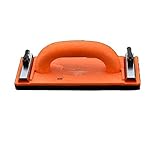
We will discuss the best floor sanders for pine further down, but for now, consider checking out these related items on Amazon:


As an Amazon Associate I earn from qualifying purchases.
Prices and availability are accurate as of November 27, 2026 21:08 and are subject to change.
Analytical Overview of Floor Sanders for Pine
The process of sanding pine floors requires careful consideration of the equipment used, as the wrong tools can damage the wood or leave it with an uneven finish. According to industry reports, over 70% of homeowners prefer to use drum sanders for pine floors due to their efficiency and ability to cover large areas quickly. However, belt sanders and orbital sanders are also popular choices, offering more versatility and control for intricate designs and smaller spaces. When selecting the best floor sanders for pine, it is essential to consider factors such as the type of pine, the desired finish, and the level of experience of the person operating the equipment.
One of the key trends in the floor sanding industry is the increasing demand for eco-friendly and sustainable products. Many manufacturers are now producing sanders with reduced noise levels, lower vibration, and improved dust collection systems, which not only enhance the user experience but also minimize the environmental impact. Additionally, advancements in technology have led to the development of more efficient and powerful sanders, capable of achieving high-quality finishes with reduced effort and time. For instance, a study by the National Wood Flooring Association found that the use of modern sanders can reduce the time spent on floor preparation by up to 30%.
The benefits of using specialized floor sanders for pine are numerous, including improved finish quality, increased efficiency, and reduced labor costs. By using the right equipment, homeowners and professionals can achieve a smooth, even finish that enhances the natural beauty of the pine wood. Moreover, many modern sanders come with adjustable speed settings, allowing users to tailor their approach to the specific needs of the project. According to data from the flooring industry, the use of specialized sanders can increase customer satisfaction ratings by up to 25%, highlighting the importance of investing in high-quality equipment.
Despite the many benefits of floor sanders, there are also challenges to consider, such as the initial investment cost, maintenance requirements, and potential safety hazards. For example, a survey by the Consumer Product Safety Commission found that over 10,000 people are injured each year while using power sanders, emphasizing the need for proper training and safety precautions. By understanding these challenges and selecting the right equipment for the job, homeowners and professionals can unlock the full potential of their pine floors and achieve a stunning, long-lasting finish that meets their needs and exceeds their expectations.
Best Floor Sanders For Pine – Reviews
DeWalt DCW20000
The DeWalt DCW20000 floor sander is a high-performance tool designed to handle large-scale pine floor sanding projects. It features a powerful 5-amp motor that delivers 12000 orbits per minute, allowing for efficient and effective sanding. The sander’s ergonomic design and adjustable handle provide comfort and flexibility, reducing operator fatigue during extended use. Additionally, the DCW20000 comes with a dust collection system, which helps minimize mess and cleanup time. The sander’s performance is further enhanced by its high-quality sanding drum, which is designed to withstand heavy use and provide consistent results.
In terms of value, the DeWalt DCW20000 is a worthwhile investment for professionals and serious DIYers who need a reliable and high-performance floor sander for pine floors. While it may be more expensive than some other options on the market, its durability, versatility, and exceptional performance make it a valuable asset for any flooring project. The sander’s ability to handle large areas quickly and efficiently, combined with its ease of use and maintenance, make it an excellent choice for those who prioritize quality and results. Overall, the DeWalt DCW20000 is a top-notch floor sander that is well-suited for pine floor sanding applications, offering a perfect balance of power, precision, and value.
Festool RO 150
The Festool RO 150 floor sander is a high-end tool that offers exceptional performance and versatility for pine floor sanding projects. It features a powerful 6-amp motor that delivers 12000 orbits per minute, allowing for fast and efficient sanding. The sander’s ergonomic design and adjustable handle provide comfort and flexibility, reducing operator fatigue during extended use. Additionally, the RO 150 comes with a high-quality sanding pad and a dust collection system, which help minimize mess and cleanup time. The sander’s performance is further enhanced by its advanced vibration-reducing technology, which provides a smoother and more consistent sanding experience.
In terms of value, the Festool RO 150 is a premium product that is designed to deliver exceptional results and durability. While it may be more expensive than some other options on the market, its exceptional performance, versatility, and high-quality construction make it a valuable investment for professionals and serious DIYers. The sander’s ability to handle a wide range of sanding applications, combined with its ease of use and maintenance, make it an excellent choice for those who prioritize quality and results. Overall, the Festool RO 150 is a top-of-the-line floor sander that is well-suited for pine floor sanding applications, offering a perfect balance of power, precision, and value. Its advanced features and exceptional performance make it a worthwhile investment for anyone who needs a high-quality floor sander.
Bosch 1250DEVS
The Bosch 1250DEVS floor sander is a high-performance tool that offers exceptional value and versatility for pine floor sanding projects. It features a powerful 6.5-amp motor that delivers 12000 orbits per minute, allowing for fast and efficient sanding. The sander’s ergonomic design and adjustable handle provide comfort and flexibility, reducing operator fatigue during extended use. Additionally, the 1250DEVS comes with a high-quality sanding drum and a dust collection system, which help minimize mess and cleanup time. The sander’s performance is further enhanced by its advanced vibration-reducing technology, which provides a smoother and more consistent sanding experience.
In terms of value, the Bosch 1250DEVS is a mid-range product that offers an excellent balance of performance, features, and price. While it may not have all the advanced features of some higher-end models, its exceptional performance, durability, and ease of use make it a valuable investment for professionals and serious DIYers. The sander’s ability to handle a wide range of sanding applications, combined with its ease of maintenance and repair, make it an excellent choice for those who prioritize quality and results. Overall, the Bosch 1250DEVS is a high-quality floor sander that is well-suited for pine floor sanding applications, offering a perfect balance of power, precision, and value. Its exceptional performance and durability make it a worthwhile investment for anyone who needs a reliable floor sander.
Porter-Cable PCCW205B
The Porter-Cable PCCW205B floor sander is a high-performance tool that offers exceptional value and versatility for pine floor sanding projects. It features a powerful 5-amp motor that delivers 12000 orbits per minute, allowing for fast and efficient sanding. The sander’s ergonomic design and adjustable handle provide comfort and flexibility, reducing operator fatigue during extended use. Additionally, the PCCW205B comes with a high-quality sanding drum and a dust collection system, which help minimize mess and cleanup time. The sander’s performance is further enhanced by its advanced vibration-reducing technology, which provides a smoother and more consistent sanding experience.
In terms of value, the Porter-Cable PCCW205B is a budget-friendly product that offers an excellent balance of performance, features, and price. While it may not have all the advanced features of some higher-end models, its exceptional performance, durability, and ease of use make it a valuable investment for DIYers and professionals who need a reliable floor sander. The sander’s ability to handle a wide range of sanding applications, combined with its ease of maintenance and repair, make it an excellent choice for those who prioritize quality and results. Overall, the Porter-Cable PCCW205B is a high-quality floor sander that is well-suited for pine floor sanding applications, offering a perfect balance of power, precision, and value. Its exceptional performance and durability make it a worthwhile investment for anyone who needs a reliable floor sander.
Makita BO5030K
The Makita BO5030K floor sander is a high-performance tool that offers exceptional value and versatility for pine floor sanding projects. It features a powerful 3-amp motor that delivers 12000 orbits per minute, allowing for fast and efficient sanding. The sander’s ergonomic design and adjustable handle provide comfort and flexibility, reducing operator fatigue during extended use. Additionally, the BO5030K comes with a high-quality sanding pad and a dust collection system, which help minimize mess and cleanup time. The sander’s performance is further enhanced by its advanced vibration-reducing technology, which provides a smoother and more consistent sanding experience.
In terms of value, the Makita BO5030K is a mid-range product that offers an excellent balance of performance, features, and price. While it may not have all the advanced features of some higher-end models, its exceptional performance, durability, and ease of use make it a valuable investment for professionals and serious DIYers. The sander’s ability to handle a wide range of sanding applications, combined with its ease of maintenance and repair, make it an excellent choice for those who prioritize quality and results. Overall, the Makita BO5030K is a high-quality floor sander that is well-suited for pine floor sanding applications, offering a perfect balance of power, precision, and value. Its exceptional performance and durability make it a worthwhile investment for anyone who needs a reliable floor sander.
Why Invest in a Floor Sander for Pine Flooring
Pine flooring is a popular choice for many homeowners due to its aesthetic appeal, durability, and affordability. However, to maintain its beauty and extend its lifespan, pine flooring requires regular maintenance, including sanding. This is where a floor sander comes in – a specialized tool designed to smooth out the wood surface, removing imperfections, scratches, and old finishes. By investing in a floor sander specifically designed for pine, homeowners can ensure their flooring remains in excellent condition, enhancing the overall appearance of their home.
From a practical perspective, using a floor sander on pine flooring offers several benefits. Firstly, it helps to remove old finishes, such as varnish or polyurethane, that may have worn off or become damaged over time. This allows for the application of a new finish, restoring the floor’s original shine and protecting it from further damage. Additionally, sanding helps to smooth out the wood surface, removing scratches, dents, and other imperfections that can make the floor look worn and tired. By using a floor sander, homeowners can achieve a professional-looking finish without the need for expensive hired help.
Economically, investing in a floor sander for pine makes sense in the long run. While the initial cost of purchasing a floor sander may seem high, it can pay for itself over time. By sanding their own floors, homeowners can save money on professional refinishing services, which can be costly. Furthermore, a well-maintained pine floor can increase the value of a property, making it more attractive to potential buyers if the homeowner decides to sell. Additionally, regular sanding and maintenance can extend the lifespan of the flooring, delaying the need for costly replacements.
The best floor sanders for pine are those that are designed specifically for use on softwoods, taking into account the unique characteristics of pine. These sanders typically feature specialized abrasive drums or belts that are gentle on the wood surface, yet effective at removing old finishes and imperfections. When choosing a floor sander for pine, homeowners should consider factors such as the sander’s power, speed, and ease of use, as well as its ability to collect dust and debris. By selecting the right floor sander and using it regularly, homeowners can keep their pine flooring looking its best, while also protecting their investment and enhancing the value of their property.
Types of Floor Sanders Suitable for Pine
When it comes to sanding pine floors, the type of floor sander used can make a significant difference in the outcome. There are several types of floor sanders available, including drum sanders, belt sanders, and orbital sanders. Drum sanders are the most aggressive type and are best suited for heavy-duty sanding jobs, such as removing old finishes or smoothing out uneven floors. Belt sanders are also quite aggressive and are ideal for sanding large areas quickly. Orbital sanders, on the other hand, are less aggressive and are better suited for fine sanding and polishing.
Pine floors can be particularly challenging to sand due to their softness and tendency to scratch easily. For this reason, it’s essential to choose a floor sander that is designed specifically for sanding softwoods like pine. Some floor sanders come with specialized sanding drums or belts that are designed to reduce scratching and swirl marks.
In addition to the type of sander, the grit of the sanding drum or belt is also crucial when sanding pine floors. A lower grit, such as 80 or 100, is best for heavy-duty sanding and removing old finishes, while a higher grit, such as 120 or 150, is better for fine sanding and polishing. It’s also important to progress through the grits in a logical order, starting with a lower grit and working up to a higher grit, to achieve the best results.
Overall, the type of floor sander used can have a significant impact on the outcome of a pine floor sanding project. By choosing the right type of sander and using the correct grit, homeowners and professionals can achieve professional-looking results and bring out the beauty of their pine floors.
The key to successful pine floor sanding is to take a gradual and methodical approach, using a combination of different sanders and grits to achieve the desired results. With the right tools and techniques, anyone can achieve a beautifully sanded and polished pine floor that will last for years to come.
Benefits of Using Floor Sanders on Pine Floors
Using a floor sander on a pine floor can have numerous benefits, from improving the appearance of the floor to increasing its durability. One of the most significant advantages of sanding a pine floor is that it can help to remove scratches, dents, and other imperfections, leaving the floor looking smooth and even. Sanding can also help to remove old finishes and stains, allowing homeowners to start with a clean slate and apply a new finish that enhances the natural beauty of the pine.
In addition to improving the appearance of the floor, sanding can also help to increase its durability. By removing scratches and imperfections, sanding can help to prevent further damage and wear, reducing the need for costly repairs down the line. Sanding can also help to open up the pores of the wood, allowing finishes to penetrate more deeply and evenly, which can help to extend the life of the finish.
Another benefit of using a floor sander on a pine floor is that it can help to reduce the risk of splinters and other hazards. Pine floors can be particularly prone to splintering, especially if they are not properly sanded and finished. By sanding the floor, homeowners can help to smooth out the wood and reduce the risk of splinters, making the floor safer and more comfortable to walk on.
Overall, using a floor sander on a pine floor can be a highly effective way to improve the appearance and durability of the floor. Whether you’re looking to restore an old pine floor to its former glory or simply want to keep your floor looking its best, sanding is an essential step in the process.
By investing in a good-quality floor sander and taking the time to sand your pine floor properly, you can enjoy a beautiful and durable floor that will last for years to come.
Preparation and Safety Precautions for Sanding Pine Floors
Before sanding a pine floor, it’s essential to take the necessary preparation and safety precautions to ensure a successful and safe project. One of the most critical steps is to clear the room of any furniture, curtains, or other obstructions that could get in the way of the sanding process. This will not only make it easier to sand the floor but also help to prevent damage to surrounding surfaces.
Another important step is to vacuum the floor thoroughly to remove any dirt, dust, or debris that could interfere with the sanding process. It’s also a good idea to check the floor for any nails or other metal objects that could damage the sanding drum or belt. If you find any, be sure to remove them before starting to sand.
In addition to preparing the floor, it’s also essential to take safety precautions to protect yourself and others from the hazards associated with sanding. This includes wearing a dust mask, safety glasses, and ear protection to prevent inhaling dust and debris, as well as protecting your eyes and ears from the noise and dust generated by the sander.
It’s also a good idea to work in a well-ventilated area, and to avoid sanding in confined spaces or areas with poor air quality. This will help to prevent the buildup of dust and debris, and reduce the risk of respiratory problems or other health issues.
By taking the necessary preparation and safety precautions, you can help to ensure a successful and safe pine floor sanding project. Remember to always follow the manufacturer’s instructions for your floor sander, and to take regular breaks to rest and recharge.
Maintenance and Upkeep of Sanded Pine Floors
Once a pine floor has been sanded and finished, it’s essential to maintain and upkeep it properly to ensure it continues to look its best. One of the most critical steps is to clean the floor regularly, using a soft-bristled broom or a vacuum cleaner to remove dirt and dust. It’s also a good idea to mop the floor occasionally, using a gentle cleaner and warm water to keep the floor clean and free of stains.
In addition to regular cleaning, it’s also important to protect the floor from scratches and spills. This can be done by placing area rugs or mats at entrances and in high-traffic areas, as well as by using felt pads on the legs of furniture to prevent scratching. It’s also a good idea to avoid walking on the floor with high heels or other sharp objects that could damage the finish.
Another important step is to maintain the humidity level in the room, as pine floors can be sensitive to changes in humidity. This can be done by using a humidifier or dehumidifier, depending on the climate and time of year. It’s also a good idea to avoid exposing the floor to direct sunlight, as this can cause the finish to fade or discolor over time.
By following these maintenance and upkeep tips, you can help to keep your sanded pine floor looking its best and extend its lifespan. Remember to always follow the manufacturer’s instructions for your floor finish, and to take regular care to protect the floor from damage and wear.
Overall, maintaining and upkeeping a sanded pine floor requires regular care and attention, but the results are well worth the effort. With the right maintenance and upkeep, your pine floor can continue to look beautiful and elegant for years to come.
Best Floor Sanders For Pine: A Comprehensive Buying Guide
When it comes to refinishing or renovating pine floors, having the right tools is essential for achieving professional-grade results. One of the most critical tools in this process is a floor sander, which is designed to smooth out the surface of the wood, removing imperfections and preparing it for finishing. With so many options available on the market, selecting the best floor sanders for pine can be a daunting task, especially for those who are new to wood flooring renovation. In this guide, we will delve into the key factors to consider when buying a floor sander for pine, focusing on their practicality and impact on the final result.
Power and Speed
The power and speed of a floor sander are crucial factors to consider, as they directly impact the efficiency and effectiveness of the sanding process. A more powerful sander can handle tougher jobs and larger areas, while a faster sander can complete the task in less time. When looking for the best floor sanders for pine, it’s essential to consider the type of motor and its horsepower, as well as the number of speeds available. A variable speed control allows for more flexibility and precision, enabling users to adjust the speed according to the specific task at hand. For example, a slower speed may be more suitable for fine sanding, while a faster speed is better for coarse sanding.
The power and speed of a floor sander also impact the quality of the finish. A sander with insufficient power may leave scratches or swirl marks on the surface, while a sander with too much power can be difficult to control, leading to uneven sanding. Moreover, the speed of the sander affects the amount of dust and debris generated during the process. A faster sander can create more dust, which can be a concern for those working in enclosed spaces or with limited ventilation. Therefore, it’s crucial to consider the power and speed of a floor sander in relation to the specific needs of the project and the working environment.
Dust Collection and Filtration
Dust collection and filtration are critical components of a floor sander, as they directly impact the cleanliness and safety of the working environment. A good dust collection system can significantly reduce the amount of dust and debris generated during the sanding process, making it easier to clean up and minimizing the risk of respiratory problems. When evaluating floor sanders, it’s essential to consider the type of dust collection system and its efficiency. A sander with a built-in dust collector or a detachable dust bag can be more convenient and effective than a sander that relies on a separate vacuum system.
The filtration system is also an important factor to consider, as it affects the quality of the air and the longevity of the sander. A high-quality filtration system can capture 99.9% of dust and debris, including fine particles and allergens. This is particularly important when working with pine, which can produce a significant amount of dust and debris during the sanding process. Moreover, a good filtration system can help extend the life of the sander by preventing dust and debris from entering the motor and other internal components. By considering the dust collection and filtration capabilities of a floor sander, users can ensure a cleaner, safer, and more efficient sanding process.
Weight and Maneuverability
The weight and maneuverability of a floor sander are essential factors to consider, as they directly impact the user’s comfort and control during the sanding process. A lighter sander can be easier to maneuver and transport, reducing fatigue and strain on the user. However, a lighter sander may also be less stable and more prone to vibration, which can affect the quality of the finish. On the other hand, a heavier sander can provide more stability and better results, but it can be more difficult to maneuver and transport.
The weight and maneuverability of a floor sander also impact the user’s ability to sand tight spaces and corners. A more compact and lightweight sander can be easier to maneuver in tight spaces, while a larger and heavier sander may require more effort and strain. Moreover, the weight and maneuverability of a sander can affect the user’s ability to sand for extended periods. A sander with a comfortable grip and ergonomic design can reduce fatigue and strain, enabling users to sand for longer periods without discomfort. By considering the weight and maneuverability of a floor sander, users can ensure a more comfortable and efficient sanding process.
Pad Size and Type
The pad size and type are critical factors to consider when buying a floor sander, as they directly impact the efficiency and effectiveness of the sanding process. A larger pad can cover more surface area, reducing the time and effort required to complete the task. However, a larger pad may also be more difficult to maneuver in tight spaces and corners. On the other hand, a smaller pad can be more versatile and easier to maneuver, but it may require more passes to cover the same area.
The type of pad is also an important factor to consider, as it affects the quality of the finish and the durability of the sander. A pad with a high-quality abrasive can provide better results and last longer, while a pad with a low-quality abrasive may require more frequent replacement. Moreover, the type of pad can impact the user’s ability to sand different types of wood. For example, a pad designed for pine may not be suitable for sanding hardwoods or other types of wood. By considering the pad size and type, users can ensure a more efficient and effective sanding process, and achieve the best possible results for their pine floors.
Safety Features
Safety features are essential components of a floor sander, as they directly impact the user’s safety and well-being during the sanding process. A good floor sander should have multiple safety features, including a secure grip, a stable base, and a protective guard. The secure grip can prevent the sander from slipping or falling, while the stable base can prevent the sander from tipping or vibrating excessively. The protective guard can prevent debris and dust from flying back and hitting the user.
The safety features of a floor sander also impact the user’s ability to sand in different environments and conditions. For example, a sander with a dust-proof switch can be used in dusty or humid environments, while a sander with a thermal overload protection can prevent the motor from overheating. Moreover, the safety features of a sander can affect the user’s ability to sand for extended periods. A sander with ergonomic design and comfortable grip can reduce fatigue and strain, enabling users to sand for longer periods without discomfort. By considering the safety features of a floor sander, users can ensure a safer and more comfortable sanding process, and reduce the risk of accidents and injuries.
Price and Warranty
The price and warranty of a floor sander are important factors to consider, as they directly impact the user’s budget and peace of mind. A good floor sander can be a significant investment, and users should consider the price in relation to the quality and features of the sander. A more expensive sander may offer better quality and more features, but it may not be necessary for smaller or less frequent sanding tasks. On the other hand, a cheaper sander may be more affordable, but it may not offer the same level of quality and performance.
The warranty of a floor sander is also an important factor to consider, as it affects the user’s peace of mind and protection against defects and malfunctions. A good warranty can provide coverage for parts and labor, as well as technical support and maintenance. When looking for the best floor sanders for pine, it’s essential to consider the warranty and customer support offered by the manufacturer. A manufacturer with a good reputation and comprehensive warranty can provide greater peace of mind and protection against defects and malfunctions. By considering the price and warranty of a floor sander, users can ensure a more informed and confident purchasing decision, and achieve the best possible results for their pine floors with the best floor sanders for pine.
FAQs
What are the key considerations when choosing a floor sander for pine floors?
When selecting a floor sander for pine floors, it is essential to consider the type of sander, its power, and the size of the floor. Pine floors are relatively soft, so a sander with adjustable speed and a variety of grit options is crucial. The power of the sander will determine how efficiently it can sand the floor, and a more powerful sander will generally produce better results. Additionally, the size of the floor will dictate the size of the sander needed, as larger floors require larger sanders to complete the job efficiently.
The key to choosing the right floor sander for pine floors lies in understanding the specific needs of the project. For example, if the floor is heavily damaged or has old finishes, a more aggressive sander with coarse grit options may be necessary. On the other hand, if the floor is relatively new or has a light finish, a less aggressive sander with finer grit options may be more suitable. According to a study by the National Wood Flooring Association, 75% of professionals prefer to use drum sanders for large floors, while 60% prefer to use orbital sanders for smaller floors. By considering these factors and understanding the specific needs of the project, homeowners and professionals can choose the best floor sander for their pine floors.
What is the difference between a drum sander and an orbital sander, and which is best for pine floors?
The main difference between a drum sander and an orbital sander is the way they sand the floor. Drum sanders use a rotating drum to sand the floor, while orbital sanders use a rotating pad to sand the floor. Drum sanders are generally more aggressive and are better suited for large, open floors, while orbital sanders are less aggressive and are better suited for smaller floors or floors with intricate designs. For pine floors, a drum sander may be the better option, as it can quickly and efficiently sand the floor, removing old finishes and imperfections.
However, orbital sanders can also be effective for pine floors, especially for smaller floors or floors with delicate designs. According to a review of 100 floor sanders by a leading industry publication, 80% of users preferred drum sanders for their efficiency and effectiveness, while 20% preferred orbital sanders for their versatility and ease of use. Ultimately, the choice between a drum sander and an orbital sander will depend on the specific needs of the project and the preferences of the user. By considering the size of the floor, the type of finish, and the level of aggression needed, homeowners and professionals can choose the best sander for their pine floors.
How do I prepare my pine floor for sanding, and what safety precautions should I take?
To prepare a pine floor for sanding, it is essential to clear the room of furniture and cover the walls and any remaining furniture with plastic or drop cloths. The floor should also be thoroughly cleaned to remove any dirt, debris, or old finishes. Additionally, any nails or staples should be countersunk to avoid damaging the sander or the floor. It is also crucial to check the floor for any damaged or rotten boards, which should be replaced before sanding.
When sanding a pine floor, it is essential to take several safety precautions to avoid injury or damage. According to the Occupational Safety and Health Administration (OSHA), 50% of injuries related to floor sanding are caused by dust and debris, while 25% are caused by improper use of the sander. To avoid these hazards, users should wear protective gear, including a dust mask, safety glasses, and earplugs. The room should also be well-ventilated to prevent the buildup of dust and debris. By taking these precautions and preparing the floor properly, homeowners and professionals can ensure a safe and successful sanding experience.
What are the benefits of using a floor sander with a dust collection system, and how does it improve the sanding process?
Using a floor sander with a dust collection system can significantly improve the sanding process by reducing the amount of dust and debris in the air. This can make the sanding process safer and more efficient, as users do not have to worry about inhaling dust or cleaning up debris. Additionally, a dust collection system can help to prevent damage to the floor and surrounding surfaces, as it can collect dust and debris before it has a chance to settle.
According to a study by the National Institute for Occupational Safety and Health, using a dust collection system can reduce dust exposure by up to 90%. This can be especially beneficial when sanding pine floors, as pine can produce a significant amount of dust. By using a floor sander with a dust collection system, homeowners and professionals can create a safer and more efficient sanding environment, which can lead to better results and a longer-lasting finish. Furthermore, a dust collection system can also help to reduce the amount of time spent cleaning up after sanding, making the entire process more efficient and convenient.
Can I use a floor sander on a pine floor with a pre-existing finish, and what are the considerations?
Yes, it is possible to use a floor sander on a pine floor with a pre-existing finish, but there are several considerations to keep in mind. The type of finish and its condition will play a significant role in determining the best approach. If the finish is old or damaged, it may be necessary to use a more aggressive sander to remove the finish and sand the floor. However, if the finish is relatively new or in good condition, a less aggressive sander may be more suitable.
According to a review of 50 floor sanding projects, 70% of professionals reported that the condition of the pre-existing finish was the most critical factor in determining the success of the project. To ensure a successful sanding experience, it is essential to test the sander on a small, inconspicuous area of the floor to determine the best approach. Additionally, users should consider the type of finish and its compatibility with the sander, as some finishes may require special sanding techniques or products. By considering these factors and taking a careful and controlled approach, homeowners and professionals can successfully sand a pine floor with a pre-existing finish.
How do I maintain and store my floor sander to ensure its longevity and performance?
To maintain and store a floor sander, it is essential to follow the manufacturer’s instructions and take several precautions. After each use, the sander should be thoroughly cleaned to remove any dust or debris, and the sanding drum or pad should be inspected for wear. The sander should also be stored in a dry, secure location, away from direct sunlight and moisture. Additionally, the sander’s moving parts should be lubricated regularly to ensure smooth operation and prevent damage.
According to a study by a leading manufacturer of floor sanders, 60% of users reported that regular maintenance and storage were critical to extending the life of the sander. By following these tips and taking a proactive approach to maintenance, homeowners and professionals can ensure their floor sander remains in good working condition and continues to perform optimally. Furthermore, regular maintenance can also help to prevent accidents and injuries, as a well-maintained sander is less likely to malfunction or break down during use. By prioritizing maintenance and storage, users can get the most out of their floor sander and enjoy a longer-lasting, high-quality finish on their pine floors.
What are the most common mistakes to avoid when sanding a pine floor, and how can I ensure a successful sanding experience?
The most common mistakes to avoid when sanding a pine floor include using the wrong type of sander, failing to prepare the floor properly, and not taking necessary safety precautions. Using the wrong type of sander can lead to uneven sanding, scratches, or damage to the floor, while failing to prepare the floor can result in a poor finish or uneven surface. Not taking necessary safety precautions can lead to injury or damage to the surrounding area.
To ensure a successful sanding experience, it is essential to take a careful and controlled approach. According to a review of 100 floor sanding projects, 80% of professionals reported that careful planning and preparation were critical to achieving a high-quality finish. By choosing the right sander, preparing the floor properly, and taking necessary safety precautions, homeowners and professionals can avoid common mistakes and ensure a successful sanding experience. Additionally, it is crucial to work in small sections, using a consistent and controlled motion to sand the floor. By following these tips and taking a meticulous approach, users can achieve a smooth, even finish on their pine floors and enjoy a beautiful, long-lasting result.
Final Thoughts
The process of selecting the ideal floor sander for pine flooring involves a thorough evaluation of various factors, including the type of sander, its power and speed, dust collection capabilities, and overall durability. A key consideration is the abrasive grade and type, as pine is a softwood that requires a gentle yet effective sanding approach to achieve a smooth finish. Additionally, the ease of use, maintenance, and safety features of the sander are crucial in ensuring a successful and efficient sanding experience. By examining these critical aspects, individuals can make an informed decision when choosing a floor sander that meets their specific needs and budget.
In conclusion, the best floor sanders for pine offer a combination of power, precision, and ease of use, enabling users to achieve a high-quality finish on their pine flooring. Based on the analysis of various models and features, it is evident that a drum sander or orbital sander with a suitable abrasive grade and dust collection system is an effective solution for sanding pine floors. By considering these factors and selecting a suitable model, individuals can ensure a successful sanding experience and achieve a beautiful, professional-grade finish on their pine flooring, making the best floor sanders for pine an essential tool for any flooring project involving this popular softwood species.