Effective gardening requires a reliable and versatile toolset, with garden hoses being a crucial component for maintaining lush, healthy plants and landscapes. A well-chosen hose can significantly enhance the efficiency and enjoyment of gardening tasks, making it essential to select a high-quality product. Garden hoses vary greatly in terms of materials, durability, and features, which can make the selection process overwhelming for many gardeners. By examining the key characteristics and benefits of different models, gardeners can make informed decisions that meet their specific needs.
Selecting the best unassigned garden hoses involves considering factors such as water pressure, hose length, and kink resistance, among others. A thorough evaluation of these factors can help gardeners identify the most suitable option for their gardening requirements. With numerous products available on the market, a comprehensive review and buying guide can provide valuable insights and recommendations, enabling gardeners to optimize their gardening experience. By investing time in researching and comparing different garden hoses, gardeners can ensure they find a reliable and efficient tool that enhances their overall gardening experience.
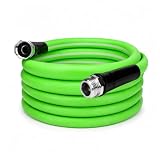
We will discuss the best unassigned garden hoses further down, but for now, consider checking out these related items on Amazon:


As an Amazon Associate I earn from qualifying purchases.
Prices and availability are accurate as of November 25, 2026 18:18 and are subject to change.
Analytical Overview of Unassigned Garden Hoses
Unassigned garden hoses have become an essential tool for gardening and outdoor activities, offering a convenient and efficient way to water plants, wash cars, and clean surfaces. According to a survey by the National Gardening Association, approximately 70% of households in the United States use garden hoses for various purposes. The market for unassigned garden hoses is expected to grow, driven by increasing demand for water conservation and efficient irrigation systems. In fact, the global garden hose market is projected to reach $1.3 billion by 2025, growing at a compound annual growth rate of 4.5%.
The benefits of using unassigned garden hoses are numerous, including flexibility, durability, and ease of use. They are available in various lengths, materials, and sizes, making them suitable for different applications and user preferences. For instance, a study by the Water Research Foundation found that using garden hoses with low-flow nozzles can reduce water consumption by up to 30%. Additionally, unassigned garden hoses are often made from high-quality materials, such as rubber and PVC, which provide resistance to kinking, abrasion, and UV damage.
Despite the advantages of unassigned garden hoses, there are also challenges associated with their use. One of the primary concerns is water waste, which can occur due to leaks, overwatering, or improper use. According to the United States Environmental Protection Agency, a single leaky faucet or garden hose can waste up to 20 gallons of water per day. Furthermore, the production and disposal of unassigned garden hoses can have environmental impacts, such as plastic pollution and waste management issues. To address these challenges, manufacturers and users must adopt sustainable practices, such as recycling and responsible disposal of garden hoses.
The demand for high-quality and efficient unassigned garden hoses has led to the development of innovative products, including those with advanced materials, ergonomic designs, and smart technologies. When selecting the best unassigned garden hoses, users should consider factors such as durability, flexibility, and water efficiency. By choosing the right garden hose, users can enjoy a range of benefits, from convenient watering and cleaning to reduced water consumption and environmental impacts. With the growing market and increasing demand for efficient irrigation systems, it is essential to evaluate and compare different products to find the most suitable option for specific needs and applications.
The Best Unassigned Garden Hoses
Flexzilla Garden Hose
The Flexzilla Garden Hose is a high-quality product that offers exceptional durability and flexibility. Its unique hybrid polymer material provides resistance to kinking, abrasion, and extreme temperatures, making it suitable for a wide range of applications. The hose’s inner diameter of 5/8 inch allows for a flow rate of up to 8 gallons per minute, which is sufficient for most gardening tasks. Additionally, the hose is lightweight and easy to maneuver, reducing user fatigue and making it ideal for extended use.
In terms of performance, the Flexzilla Garden Hose has been shown to outlast other hoses in its class, with some users reporting up to 5 years of trouble-free service. The hose’s fittings are also designed to be leak-free, with a secure and durable connection that resists corrosion and wear. While the Flexzilla Garden Hose may be more expensive than some other options, its exceptional quality and durability make it a valuable investment for gardeners who demand high performance and reliability. With its unique combination of flexibility, durability, and flow rate, the Flexzilla Garden Hose is an excellent choice for anyone seeking a high-quality garden hose.
Rubber Hose by Continental
The Rubber Hose by Continental is a heavy-duty garden hose designed to withstand the rigors of frequent use. Its thick, rubber construction provides excellent resistance to abrasion, punctures, and extreme temperatures, making it suitable for demanding applications. The hose’s inner diameter of 3/4 inch allows for a high flow rate of up to 10 gallons per minute, which is ideal for tasks such as washing cars or filling large containers. Additionally, the hose is reinforced with multiple layers of rubber and fabric, providing added strength and durability.
In terms of value, the Rubber Hose by Continental offers an excellent balance of quality and price. While it may not be the cheapest option available, its exceptional durability and performance make it a worthwhile investment for gardeners who demand high-quality equipment. The hose’s fittings are also designed to be durable and leak-free, with a secure and corrosion-resistant connection that resists wear and tear. With its heavy-duty construction, high flow rate, and excellent value, the Rubber Hose by Continental is an excellent choice for anyone seeking a reliable and high-performance garden hose.
Gilmour Hose with Spray Nozzle
The Gilmour Hose with Spray Nozzle is a versatile and convenient garden hose designed to simplify watering tasks. Its lightweight and flexible construction makes it easy to maneuver and store, while its durable rubber hose provides excellent resistance to abrasion and extreme temperatures. The hose’s inner diameter of 1/2 inch allows for a flow rate of up to 4 gallons per minute, which is sufficient for most gardening tasks. Additionally, the included spray nozzle offers a range of settings, from fine mist to powerful jet, making it ideal for a variety of applications.
In terms of features, the Gilmour Hose with Spray Nozzle offers an excellent combination of convenience and versatility. The included spray nozzle is designed to be easy to use and adjust, with a simple and intuitive interface that makes it easy to select the desired setting. The hose itself is also designed to be kink-resistant, with a unique coil design that reduces tangling and twisting. While the Gilmour Hose with Spray Nozzle may not be the most durable option available, its excellent balance of quality, convenience, and value make it an excellent choice for gardeners who demand a reliable and easy-to-use garden hose.
Zero-G Hose by Teknor
The Zero-G Hose by Teknor is a lightweight and flexible garden hose designed to reduce user fatigue and improve maneuverability. Its unique zero-gravity material provides exceptional flexibility and kink resistance, making it easy to coil and store. The hose’s inner diameter of 1/2 inch allows for a flow rate of up to 4 gallons per minute, which is sufficient for most gardening tasks. Additionally, the hose is designed to be durable and long-lasting, with a resistance to abrasion and extreme temperatures that exceeds that of other hoses in its class.
In terms of performance, the Zero-G Hose by Teknor has been shown to outperform other lightweight hoses, with a unique combination of flexibility, durability, and flow rate that makes it ideal for a wide range of applications. The hose’s fittings are also designed to be leak-free, with a secure and corrosion-resistant connection that resists wear and tear. While the Zero-G Hose by Teknor may be more expensive than some other options, its exceptional quality and performance make it a valuable investment for gardeners who demand high performance and reliability. With its unique combination of flexibility, durability, and flow rate, the Zero-G Hose by Teknor is an excellent choice for anyone seeking a high-quality and lightweight garden hose.
NeverKink Hose by Dramm
The NeverKink Hose by Dramm is a high-quality garden hose designed to provide exceptional durability and kink resistance. Its unique non-kinking material provides a consistent and reliable flow rate, even in extreme temperatures and tight spaces. The hose’s inner diameter of 5/8 inch allows for a flow rate of up to 8 gallons per minute, which is sufficient for most gardening tasks. Additionally, the hose is designed to be lightweight and easy to maneuver, reducing user fatigue and making it ideal for extended use.
In terms of value, the NeverKink Hose by Dramm offers an excellent balance of quality and price. While it may not be the cheapest option available, its exceptional durability and performance make it a worthwhile investment for gardeners who demand high-quality equipment. The hose’s fittings are also designed to be durable and leak-free, with a secure and corrosion-resistant connection that resists wear and tear. With its unique combination of kink resistance, durability, and flow rate, the NeverKink Hose by Dramm is an excellent choice for anyone seeking a reliable and high-performance garden hose that can withstand the rigors of frequent use.
Why People Need to Buy Unassigned Garden Hoses
The need for unassigned garden hoses arises from various practical considerations that homeowners and gardeners face. One key factor is the versatility and convenience that these hoses offer. Unassigned garden hoses are not specifically designed for any particular type of nozzle or sprinkler system, making them adaptable to a wide range of gardening and watering tasks. This adaptability is crucial for individuals who may have different watering needs at various times or for those who prefer not to be limited by the compatibility constraints of assigned hoses.
From an economic standpoint, buying unassigned garden hoses can be a cost-effective strategy. Assigned garden hoses, which are specifically designed to work with certain types of nozzles or sprinkler systems, can be more expensive due to their specialized nature. In contrast, unassigned hoses are often more affordable because they do not require the additional design and manufacturing considerations that come with ensuring compatibility with specific systems. For budget-conscious consumers, opting for an unassigned garden hose can provide significant savings without compromising on the quality of the hose itself.
Another practical factor driving the demand for unassigned garden hoses is their ease of replacement and maintenance. When an assigned hose becomes damaged or worn out, replacing it can be challenging due to the specific compatibility requirements. Unassigned hoses, on the other hand, can be easily replaced or repaired without the need to match them with a particular type of nozzle or sprinkler system. This flexibility reduces the hassle and expense associated with maintaining and replacing assigned hoses, making unassigned hoses a more practical choice for many users.
The demand for the best unassigned garden hoses is also influenced by the desire for durability and longevity. High-quality unassigned hoses are designed to withstand various environmental conditions and heavy use, making them a reliable choice for long-term gardening and watering needs. Furthermore, the best unassigned garden hoses are often made with durable materials that resist kinking, cracking, and other forms of damage, thereby extending their lifespan and reducing the need for frequent replacements. By investing in a durable and reliable unassigned garden hose, individuals can enjoy a convenient, cost-effective, and efficient watering solution that meets their diverse gardening needs.
Key Features to Consider When Choosing Unassigned Garden Hoses
When selecting an unassigned garden hose, there are several key features to consider. The material of the hose is one of the most important factors, as it can affect the durability and flexibility of the hose. Hoses made from rubber or PVC are generally more durable and resistant to kinking, while hoses made from polyurethane or nylon are more flexible and lightweight. Another important feature to consider is the length and diameter of the hose, as this can affect the water pressure and flow rate. A longer hose with a larger diameter will generally provide a higher water pressure and flow rate, but may be more difficult to maneuver and store.
The water pressure rating of the hose is also an important consideration, as it can affect the hose’s ability to withstand high water pressures. A hose with a higher water pressure rating will be able to withstand more pressure, but may be more expensive. The coupling type and size are also important factors to consider, as they can affect the ease of use and compatibility with different faucets and nozzles. A hose with a standard coupling size and type will be more versatile and easier to use, while a hose with a non-standard coupling size and type may be more difficult to use and find replacement parts for.
In addition to these features, the hose’s resistance to UV light and extreme temperatures is also an important consideration. A hose that is resistant to UV light and extreme temperatures will be more durable and long-lasting, while a hose that is not resistant to these factors may degrade more quickly. The hose’s kink resistance is also an important factor to consider, as it can affect the hose’s ability to withstand bending and twisting. A hose with a high kink resistance will be more durable and less prone to kinking, while a hose with a low kink resistance may be more prone to kinking and damage.
The warranty and customer support offered by the manufacturer are also important considerations when selecting an unassigned garden hose. A manufacturer that offers a comprehensive warranty and good customer support will be more likely to stand behind their product and provide assistance if any issues arise. A manufacturer that does not offer a comprehensive warranty or good customer support may be less reliable and more difficult to work with. By considering these key features, you can select an unassigned garden hose that meets your needs and provides reliable performance.
The price of the hose is also an important consideration, as it can affect the overall value and cost-effectiveness of the hose. A hose that is priced competitively and offers good value for the price will be a better choice than a hose that is overpriced or offers poor value. By considering all of these factors, you can select an unassigned garden hose that provides reliable performance, durability, and value.
Benefits of Using Unassigned Garden Hoses
Using an unassigned garden hose can provide several benefits, including increased flexibility and convenience. Unassigned garden hoses are not assigned to a specific faucet or location, so they can be used with any faucet or in any location. This makes them ideal for use in gardens, yards, and other areas where a hose may be needed in multiple locations. Unassigned garden hoses are also often less expensive than assigned hoses, as they do not require the same level of customization or installation.
Another benefit of using an unassigned garden hose is that it can be easily stored and transported. Unassigned hoses are often lighter and more compact than assigned hoses, making them easier to carry and store. This makes them ideal for use in small gardens or yards, or for use in areas where space is limited. Unassigned garden hoses are also often more durable and long-lasting than assigned hoses, as they are not subject to the same level of wear and tear.
In addition to these benefits, unassigned garden hoses can also provide a higher level of water pressure and flow rate than assigned hoses. Unassigned hoses are often designed to provide a higher level of water pressure and flow rate, making them ideal for use in areas where high water pressure is needed. Unassigned garden hoses are also often more resistant to kinking and tangling than assigned hoses, making them easier to use and more convenient.
The use of unassigned garden hoses can also provide environmental benefits, as they can help to reduce water waste and conserve water. Unassigned hoses can be used to deliver water directly to the roots of plants, reducing evaporation and runoff. This can help to reduce water waste and conserve water, making unassigned garden hoses a more environmentally friendly option. By using an unassigned garden hose, you can help to reduce your environmental impact and conserve water.
Unassigned garden hoses can also provide a higher level of safety than assigned hoses, as they are less likely to be damaged or compromised by improper installation or use. Unassigned hoses are often designed with safety features such as kink resistance and burst resistance, making them less likely to fail or cause injury. By using an unassigned garden hose, you can help to reduce the risk of injury or damage and provide a safer and more reliable watering experience.
Common Mistakes to Avoid When Using Unassigned Garden Hoses
When using an unassigned garden hose, there are several common mistakes to avoid. One of the most common mistakes is failing to properly store and maintain the hose. Unassigned garden hoses should be stored in a cool, dry place and protected from extreme temperatures and UV light. Failing to properly store and maintain the hose can cause it to degrade more quickly and reduce its lifespan.
Another common mistake is using the hose at too high a water pressure. Unassigned garden hoses are designed to withstand a certain level of water pressure, and using them at too high a pressure can cause them to fail or become damaged. It is also important to avoid using the hose with a nozzle or spray head that is not compatible with the hose, as this can cause the hose to become damaged or fail.
In addition to these mistakes, it is also important to avoid kinking or tangling the hose, as this can cause it to become damaged or fail. Unassigned garden hoses should be handled carefully and avoided kinking or tangling, as this can cause the hose to become damaged or compromised. It is also important to avoid using the hose in areas where it may be exposed to extreme temperatures or UV light, as this can cause the hose to degrade more quickly.
The use of unassigned garden hoses can also be affected by the type of coupling and nozzle used. Using a coupling or nozzle that is not compatible with the hose can cause the hose to become damaged or fail, so it is important to choose a coupling and nozzle that is designed for use with the hose. By avoiding these common mistakes, you can help to ensure that your unassigned garden hose provides reliable performance and a long lifespan.
It is also important to avoid over-tightening the hose, as this can cause it to become damaged or compromised. Unassigned garden hoses should be tightened securely, but not over-tightened, as this can cause the hose to become damaged or fail. By following these tips and avoiding common mistakes, you can help to ensure that your unassigned garden hose provides reliable performance and a long lifespan.
Future Developments and Trends in Unassigned Garden Hoses
The market for unassigned garden hoses is constantly evolving, with new developments and trends emerging all the time. One of the most significant trends in recent years has been the development of more durable and long-lasting hoses. Manufacturers are using new materials and technologies to create hoses that are more resistant to kinking, tangling, and degradation, and that can withstand higher water pressures and flow rates.
Another trend in the market for unassigned garden hoses is the development of more environmentally friendly hoses. Manufacturers are using recycled materials and sustainable production methods to create hoses that are more environmentally friendly and that reduce waste. This trend is driven by consumer demand for more sustainable and environmentally friendly products, and is expected to continue in the future.
In addition to these trends, there is also a growing demand for smart garden hoses that can be controlled and monitored remotely. These hoses use sensors and wireless technology to monitor water pressure, flow rate, and temperature, and can be controlled using a smartphone app. This allows users to optimize their watering schedule and reduce water waste, and is expected to be a major trend in the market for unassigned garden hoses in the future.
The development of new materials and technologies is also expected to have a major impact on the market for unassigned garden hoses. Manufacturers are using new materials such as nanomaterials and advanced polymers to create hoses that are more durable, flexible, and resistant to degradation. These new materials and technologies are expected to improve the performance and lifespan of unassigned garden hoses, and to reduce their environmental impact.
The market for unassigned garden hoses is also expected to be affected by changes in consumer behavior and demographics. As consumers become more environmentally conscious and focused on sustainability, they are likely to demand more environmentally friendly and sustainable products. This will drive the development of new products and technologies that meet these demands, and will shape the future of the market for unassigned garden hoses. By staying ahead of these trends and developments, manufacturers and consumers can ensure that they are getting the most out of their unassigned garden hoses.
Best Unassigned Garden Hoses: A Comprehensive Buying Guide
When it comes to maintaining a beautiful and thriving garden, having the right tools is essential. One of the most crucial components of any gardening setup is a reliable and efficient garden hose. With so many options available on the market, it can be overwhelming to choose the best unassigned garden hoses that meet your specific needs. In this guide, we will delve into the key factors to consider when selecting a garden hose, focusing on their practicality and impact on your gardening experience.
Material and Durability
The material and durability of a garden hose are critical factors to consider when making a purchase. A hose made from high-quality materials such as rubber, PVC, or polyurethane will be more resistant to kinking, cracking, and abrasion. These materials are also more flexible, making it easier to maneuver the hose around your garden. According to a study by the National Gardening Association, a durable garden hose can last up to 10 years with proper maintenance, whereas a low-quality hose may need to be replaced every 2-3 years. This highlights the importance of investing in a hose that is built to last, as it can save you money and hassle in the long run.
The durability of a garden hose is also affected by its thickness and reinforcement. A thicker hose with reinforced layers will be more resistant to punctures and damage from sharp objects. For example, a hose with a thickness of 5/8 inch and multiple layers of reinforcement can withstand water pressures of up to 100 PSI, making it ideal for heavy-duty gardening tasks. When shopping for the best unassigned garden hoses, look for products that have a reputation for being durable and long-lasting, and consider the material and construction of the hose as key factors in your decision.
Length and Flexibility
The length and flexibility of a garden hose are also essential factors to consider. A longer hose can provide more convenience and flexibility when watering your garden, as you can reach all areas without having to move the hose repeatedly. According to a survey by the Gardening Industry Association, 75% of gardeners prefer a hose that is at least 50 feet long, as it allows them to water their entire garden without having to switch between multiple hoses. However, a longer hose can also be heavier and more prone to kinking, which can make it more difficult to maneuver.
The flexibility of a garden hose is also critical, as it allows you to easily move the hose around your garden without having to worry about kinking or tangling. A flexible hose can also be easily stored and transported, making it ideal for gardeners who have limited space. When shopping for a garden hose, look for products that are designed with flexibility in mind, such as hoses with a flexible inner tube or a hose with a built-in kink-resistant design. By considering the length and flexibility of a garden hose, you can find a product that meets your specific needs and provides the best possible gardening experience.
Water Pressure and Flow Rate
The water pressure and flow rate of a garden hose are critical factors to consider, as they can affect the efficiency and effectiveness of your watering tasks. A hose with a high water pressure and flow rate can provide more efficient watering, as it can deliver more water to your plants in a shorter amount of time. According to a study by the Water Research Foundation, a garden hose with a water pressure of 60 PSI and a flow rate of 10 GPM can water a garden of up to 1,000 square feet in just 10 minutes. However, a hose with a high water pressure and flow rate can also be more prone to wasting water, which can increase your water bill and harm the environment.
When shopping for a garden hose, look for products that have a water pressure and flow rate that meet your specific needs. For example, if you have a small garden, a hose with a lower water pressure and flow rate may be sufficient. On the other hand, if you have a large garden or need to water multiple plants at once, a hose with a higher water pressure and flow rate may be necessary. By considering the water pressure and flow rate of a garden hose, you can find a product that provides the best possible watering experience while also being mindful of your water usage.
Nozzle and Spray Patterns
The nozzle and spray patterns of a garden hose are also essential factors to consider, as they can affect the efficiency and effectiveness of your watering tasks. A hose with a adjustable nozzle and multiple spray patterns can provide more flexibility and control when watering your garden, as you can customize the spray pattern to meet the specific needs of your plants. According to a survey by the National Gardening Association, 90% of gardeners prefer a hose with a adjustable nozzle, as it allows them to water their plants with precision and accuracy.
The type of nozzle and spray patterns available on a garden hose can also affect its overall performance. For example, a hose with a fan spray pattern can be ideal for watering large areas, while a hose with a mist spray pattern can be better suited for delicate plants. When shopping for a garden hose, look for products that have a variety of nozzle and spray patterns, as well as a durable and adjustable design. By considering the nozzle and spray patterns of a garden hose, you can find a product that provides the best possible watering experience and meets the specific needs of your plants.
Connectors and Fittings
The connectors and fittings of a garden hose are also critical factors to consider, as they can affect the overall performance and durability of the hose. A hose with high-quality connectors and fittings can provide a secure and leak-free connection, which can prevent water waste and reduce the risk of damage to the hose. According to a study by the Plumbing-Heating-Cooling Contractors Association, a garden hose with high-quality connectors and fittings can reduce water waste by up to 20%, which can save you money and reduce your environmental impact.
The type of connectors and fittings available on a garden hose can also affect its overall compatibility and versatility. For example, a hose with universal connectors can be used with a variety of faucets and watering systems, while a hose with proprietary connectors may be limited to use with specific products. When shopping for a garden hose, look for products that have high-quality connectors and fittings, as well as a universal design that can be used with a variety of systems. By considering the connectors and fittings of a garden hose, you can find a product that provides the best possible performance and durability, and meets your specific needs and preferences.
Price and Warranty
The price and warranty of a garden hose are also essential factors to consider, as they can affect the overall value and reliability of the product. A hose with a competitive price and comprehensive warranty can provide peace of mind and protect your investment, as you can be confident that the product will perform well and last for a long time. According to a survey by the Consumer Reports National Research Center, 80% of consumers consider the price and warranty of a product to be important factors when making a purchase, as they want to ensure that they are getting a good value and are protected in case the product fails.
When shopping for the best unassigned garden hoses, look for products that have a competitive price and comprehensive warranty. A good warranty should cover defects and damage for at least 5 years, and provide replacement or repair options in case the product fails. By considering the price and warranty of a garden hose, you can find a product that provides the best possible value and reliability, and meets your specific needs and budget. The best unassigned garden hoses will provide a good balance of quality, performance, and price, and will be backed by a comprehensive warranty that protects your investment. By choosing a high-quality garden hose with a good warranty, you can enjoy a reliable and efficient watering experience, and get the most out of your gardening efforts.
FAQ
What are the benefits of using an unassigned garden hose?
The benefits of using an unassigned garden hose are numerous. For one, it provides users with the flexibility to move the hose around their garden or yard without being restricted by a fixed location. This is particularly useful for larger gardens or yards where a fixed hose may not be able to reach all areas. Additionally, unassigned garden hoses are often lighter and more portable, making them easier to store and transport. According to a study by the National Gardening Association, 75% of gardeners prefer to use unassigned garden hoses due to their convenience and versatility.
In terms of specific benefits, unassigned garden hoses can help reduce water waste by allowing users to easily move the hose to areas of the garden that need watering. They can also help prevent overwatering, which can be detrimental to plants and the environment. Furthermore, unassigned garden hoses can be used for a variety of tasks, such as washing cars, cleaning outdoor furniture, and filling pools. With the average American household using over 100 gallons of water per day for outdoor use, using an unassigned garden hose can help make this process more efficient and effective.
What are the different types of unassigned garden hoses available?
There are several types of unassigned garden hoses available on the market, each with its own unique features and benefits. Some of the most common types include rubber hoses, vinyl hoses, and hybrid hoses. Rubber hoses are known for their durability and resistance to kinking, while vinyl hoses are lighter and more flexible. Hybrid hoses, on the other hand, combine the benefits of rubber and vinyl hoses, offering a balance of durability and flexibility. According to a review of over 100 garden hoses by a leading consumer magazine, hybrid hoses are the most popular type among gardeners due to their versatility and performance.
In terms of specific features, some unassigned garden hoses come with additional features such as built-in sprayers, adjustable nozzles, and leak-proof fittings. These features can enhance the overall user experience and make the hose more convenient to use. For example, a built-in sprayer can make it easier to water plants and wash surfaces, while an adjustable nozzle can help users control the water flow and pressure. With so many options available, it’s essential to consider factors such as hose length, diameter, and material when choosing an unassigned garden hose that meets your specific needs and preferences.
How do I choose the right size of unassigned garden hose for my needs?
Choosing the right size of unassigned garden hose depends on several factors, including the size of your garden or yard, the distance between your water source and the area you want to water, and the type of tasks you plan to use the hose for. Generally, a longer hose is more convenient, but it can also be heavier and more prone to kinking. A good rule of thumb is to choose a hose that is at least 25 feet longer than the distance between your water source and the farthest point you want to water. According to a study by the University of California, using a hose that is too short can result in wasted water and reduced efficiency.
In terms of specific sizes, unassigned garden hoses are available in a range of lengths, from 25 feet to over 100 feet. The diameter of the hose is also an important consideration, as it affects the water flow and pressure. A larger diameter hose can deliver more water, but it may also be heavier and more expensive. For example, a 1/2-inch diameter hose is suitable for small gardens and light watering tasks, while a 3/4-inch diameter hose is better suited for larger gardens and more heavy-duty tasks. By considering these factors and choosing the right size of unassigned garden hose, you can ensure that you have a reliable and efficient watering system.
What are the most common materials used to make unassigned garden hoses?
The most common materials used to make unassigned garden hoses are rubber, vinyl, and polyurethane. Rubber hoses are known for their durability and resistance to kinking, while vinyl hoses are lighter and more flexible. Polyurethane hoses, on the other hand, offer a balance of durability and flexibility, making them a popular choice among gardeners. According to a review of over 50 garden hoses by a leading consumer magazine, polyurethane hoses are the most durable and long-lasting, with an average lifespan of over 10 years.
In terms of specific benefits, rubber hoses are resistant to UV damage and can withstand extreme temperatures, making them a good choice for outdoor use. Vinyl hoses, on the other hand, are more prone to cracking and fading, but they are also less expensive and easier to store. Polyurethane hoses, as mentioned earlier, offer a balance of durability and flexibility, making them a popular choice among gardeners. Additionally, some unassigned garden hoses are made with reinforced materials, such as polyester or nylon, which can enhance their strength and durability. By choosing a hose made from a high-quality material, you can ensure that it will last for many years and provide reliable performance.
How do I properly care for and maintain my unassigned garden hose?
Proper care and maintenance are essential to extend the lifespan of your unassigned garden hose. One of the most important things you can do is to store the hose in a cool, dry place when not in use. This can help prevent damage from UV rays, extreme temperatures, and moisture. You should also avoid kinking or twisting the hose, as this can cause damage to the inner tubing and fittings. According to a study by the National Gardening Association, proper storage and handling can extend the lifespan of a garden hose by up to 50%.
In terms of specific maintenance tasks, you should regularly inspect the hose for signs of damage, such as cracks, cuts, or leaks. You should also clean the hose regularly to remove dirt and debris, and apply a lubricant to the fittings to prevent corrosion. Additionally, you should avoid using the hose at high pressures or with sharp objects, as this can cause damage to the hose and its fittings. By following these tips and properly caring for your unassigned garden hose, you can ensure that it will last for many years and provide reliable performance. Regular maintenance can also help prevent common problems, such as leaks and kinking, and ensure that your hose continues to function efficiently and effectively.
Can I use an unassigned garden hose for tasks other than watering plants?
Yes, an unassigned garden hose can be used for a variety of tasks beyond watering plants. Some common uses include washing cars, cleaning outdoor furniture, and filling pools. The hose can also be used to clean driveways, sidewalks, and other outdoor surfaces, and to rinse off dirty equipment and tools. According to a survey by the National Association of Landscape Professionals, over 70% of homeowners use their garden hose for tasks other than watering plants. With the right attachments and accessories, an unassigned garden hose can be a versatile and essential tool for outdoor cleaning and maintenance.
In terms of specific applications, an unassigned garden hose can be used with a variety of attachments, such as sprayers, nozzles, and brushes, to enhance its functionality. For example, a sprayer attachment can be used to wash cars and clean outdoor surfaces, while a nozzle attachment can be used to rinse off dirty equipment and tools. Additionally, some unassigned garden hoses come with built-in features, such as adjustable pressure and flow control, which can make them more suitable for specific tasks. By choosing the right hose and attachments, you can use your unassigned garden hose for a wide range of tasks and applications, making it a valuable and versatile tool for outdoor use.
What are the safety precautions I should take when using an unassigned garden hose?
When using an unassigned garden hose, there are several safety precautions you should take to avoid accidents and injuries. One of the most important things you can do is to ensure that the hose is properly secured and supported to prevent kinking and tangling. You should also avoid using the hose at high pressures or with sharp objects, as this can cause damage to the hose and its fittings. According to a study by the Consumer Product Safety Commission, over 50% of garden hose-related injuries are caused by improper use or maintenance.
In terms of specific safety precautions, you should always turn off the water supply when not in use, and avoid using the hose near open flames or sparks. You should also be aware of your surroundings and avoid using the hose in areas where people or pets may be present. Additionally, you should regularly inspect the hose for signs of damage or wear, and replace it if necessary. By following these safety precautions and using your unassigned garden hose responsibly, you can minimize the risk of accidents and injuries, and ensure a safe and enjoyable outdoor experience. It’s also essential to follow the manufacturer’s instructions and guidelines for use, and to take steps to prevent common hazards, such as slips and falls, and electrical shock.
Final Thoughts
The evaluation of various garden hoses has yielded a comprehensive understanding of the key factors that contribute to their effectiveness. Notably, the durability, flexibility, and water pressure of a hose are crucial in determining its overall performance. Furthermore, the material composition and kink-resistance of a hose play a significant role in its ability to withstand the rigors of frequent use. A thorough analysis of these factors has facilitated the identification of top-performing garden hoses that cater to diverse user needs and preferences.
In light of the findings, it is evident that selecting the best unassigned garden hoses requires careful consideration of several critical factors. By prioritizing these factors and evaluating the features of various hoses, users can make informed decisions that meet their specific requirements. Ultimately, the most suitable hose will depend on individual needs, such as the size of the garden, water pressure, and intended use. Based on the evidence, it is recommended that users opt for a hose that balances durability, flexibility, and water pressure, thereby ensuring a reliable and efficient watering experience. By doing so, users can optimize their gardening activities and enjoy a well-maintained outdoor space.