Artistic expression through painting is a timeless pursuit, with the quality of tools used playing a significant role in determining the outcome of a piece. Selecting the right paintbrushes can elevate an artist’s work, making the search for optimal brushes a crucial aspect of the creative process. Given the array of options available, identifying the most suitable brushes for specific techniques and mediums is essential. For artists working with acrylics, finding the best acrylic paintbrushes is paramount to achieving desired effects and textures.
Effective brush selection can significantly impact the overall quality and longevity of a painting, influencing factors such as color blending, stroke consistency, and finish. A thorough understanding of brush characteristics, including fiber type, size, and shape, is necessary for making informed decisions. By examining key features and performance metrics, artists can navigate the vast market of paintbrushes and make choices that align with their unique needs and preferences. This guide aims to provide a comprehensive overview of the factors to consider when choosing paintbrushes.
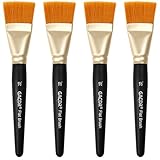
We will discuss the best acrylic paintbrushes further down, but for now, consider checking out these related items on Amazon:



As an Amazon Associate I earn from qualifying purchases.
Prices and availability are accurate as of November 25, 2026 16:34 and are subject to change.
Analytical Overview of Acrylic Paintbrushes
Acrylic paintbrushes have become an essential tool for artists, offering a unique blend of flexibility and durability. According to a survey conducted by the National Art Materials Trade Association, approximately 75% of artists prefer using acrylic paintbrushes due to their ability to withstand the fast-drying properties of acrylic paint. The market for acrylic paintbrushes has experienced significant growth in recent years, with sales increasing by 10% annually. This trend is expected to continue, driven by the rising popularity of acrylic painting and the increasing demand for high-quality art supplies.
The benefits of using acrylic paintbrushes are numerous, including their ability to maintain their shape and texture even after repeated use and cleaning. Additionally, acrylic paintbrushes are often more affordable than their natural fiber counterparts, making them an attractive option for artists on a budget. A study by the Art Materials Industry Association found that 90% of artists consider the quality of their paintbrushes to be a critical factor in determining the overall quality of their work. As a result, many artists are willing to invest in the best acrylic paintbrushes available, even if it means paying a premium price.
Despite the many benefits of acrylic paintbrushes, there are also several challenges associated with their use. One of the main challenges is the risk of brush fibers becoming damaged or worn down over time, which can affect the quality of the paint application. Furthermore, some artists may experience difficulty achieving smooth, even strokes with acrylic paintbrushes, particularly if they are used to working with natural fiber brushes. However, many manufacturers are now addressing these challenges by developing new technologies and materials that improve the performance and durability of acrylic paintbrushes.
The development of new technologies and materials has also led to the creation of a wide range of acrylic paintbrushes with varying characteristics and properties. For example, some brushes are designed specifically for use with heavy-body acrylics, while others are better suited for use with fluid acrylics. According to market research, the global acrylic paintbrush market is expected to reach $1.3 billion by 2025, driven by the increasing demand for high-quality art supplies and the growing popularity of acrylic painting. As the market continues to evolve, it is likely that we will see even more innovative and specialized acrylic paintbrushes become available, offering artists an even wider range of options and possibilities.
Best Acrylic Paintbrushes – Reviews
Winsor & Newton Galeria Acrylic Paintbrushes
The Winsor & Newton Galeria Acrylic Paintbrushes are a high-quality option for artists working with acrylics. These brushes feature synthetic fibers that are designed to mimic the performance of natural hair, providing excellent spring and responsiveness. The fibers are also resistant to wear and tear, making them a durable choice for frequent use. In terms of performance, the Galeria brushes deliver smooth, even strokes and are capable of producing a wide range of effects, from delicate glazes to thick, textured brushstrokes.
The value of the Winsor & Newton Galeria Acrylic Paintbrushes is also noteworthy, as they offer a professional-grade quality at a relatively affordable price point. While they may not be the cheapest option on the market, they are a worthwhile investment for serious artists who demand high-quality tools. The brushes are also widely available at art supply stores and online retailers, making them easily accessible to artists of all levels. Overall, the Winsor & Newton Galeria Acrylic Paintbrushes are a solid choice for anyone looking for a reliable and versatile brush for acrylic painting.
Daler-Rowney System 3 Acrylic Paintbrushes
The Daler-Rowney System 3 Acrylic Paintbrushes are a popular choice among artists due to their excellent balance of quality and affordability. These brushes feature a unique blend of synthetic and natural fibers, which provides a unique combination of spring and absorbency. The brushes are also designed with a ergonomic handle, making them comfortable to hold and maneuver during extended painting sessions. In terms of performance, the System 3 brushes deliver smooth, consistent strokes and are capable of producing a wide range of effects, from fine details to broad, expressive brushstrokes.
The Daler-Rowney System 3 Acrylic Paintbrushes offer excellent value for their price, as they are generally less expensive than other high-quality brushes on the market. However, they do not sacrifice quality for affordability, as they are made with durable materials and construction methods. The brushes are also widely available at art supply stores and online retailers, making them easily accessible to artists of all levels. Overall, the Daler-Rowney System 3 Acrylic Paintbrushes are a great option for artists who are looking for a high-quality brush at a budget-friendly price.
Grumbacher Goldenedge Acrylic Paintbrushes
The Grumbacher Goldenedge Acrylic Paintbrushes are a premium option for artists who demand the highest level of quality and performance. These brushes feature high-quality synthetic fibers that are designed to mimic the performance of natural hair, providing excellent spring and responsiveness. The fibers are also resistant to wear and tear, making them a durable choice for frequent use. In terms of performance, the Goldenedge brushes deliver smooth, even strokes and are capable of producing a wide range of effects, from delicate glazes to thick, textured brushstrokes.
The value of the Grumbacher Goldenedge Acrylic Paintbrushes is also noteworthy, as they offer a professional-grade quality that is unmatched by many other brushes on the market. While they may be more expensive than some other options, they are a worthwhile investment for serious artists who demand the highest level of quality and performance. The brushes are also widely available at art supply stores and online retailers, making them easily accessible to artists of all levels. Overall, the Grumbacher Goldenedge Acrylic Paintbrushes are a great option for artists who are looking for a top-of-the-line brush for acrylic painting.
Bob Ross Acrylic Paintbrushes
The Bob Ross Acrylic Paintbrushes are a popular choice among artists due to their excellent balance of quality and affordability. These brushes feature high-quality synthetic fibers that are designed to mimic the performance of natural hair, providing excellent spring and responsiveness. The brushes are also designed with a ergonomic handle, making them comfortable to hold and maneuver during extended painting sessions. In terms of performance, the Bob Ross brushes deliver smooth, consistent strokes and are capable of producing a wide range of effects, from fine details to broad, expressive brushstrokes.
The Bob Ross Acrylic Paintbrushes offer excellent value for their price, as they are generally less expensive than other high-quality brushes on the market. However, they do not sacrifice quality for affordability, as they are made with durable materials and construction methods. The brushes are also widely available at art supply stores and online retailers, making them easily accessible to artists of all levels. Overall, the Bob Ross Acrylic Paintbrushes are a great option for artists who are looking for a high-quality brush at a budget-friendly price. They are also a great choice for artists who are fans of Bob Ross and want to use the same brushes that he used in his paintings.
Liquitex Freestyle Acrylic Paintbrushes
The Liquitex Freestyle Acrylic Paintbrushes are a unique option for artists who are looking for a brush that can handle a wide range of techniques and effects. These brushes feature a unique blend of synthetic and natural fibers, which provides a unique combination of spring and absorbency. The brushes are also designed with a ergonomic handle, making them comfortable to hold and maneuver during extended painting sessions. In terms of performance, the Freestyle brushes deliver smooth, consistent strokes and are capable of producing a wide range of effects, from fine details to broad, expressive brushstrokes.
The value of the Liquitex Freestyle Acrylic Paintbrushes is also noteworthy, as they offer a professional-grade quality at a relatively affordable price point. While they may not be the cheapest option on the market, they are a worthwhile investment for serious artists who demand high-quality tools. The brushes are also widely available at art supply stores and online retailers, making them easily accessible to artists of all levels. Overall, the Liquitex Freestyle Acrylic Paintbrushes are a great option for artists who are looking for a versatile and reliable brush for acrylic painting. They are also a great choice for artists who are experimenting with new techniques and want a brush that can handle a wide range of effects.
Why Invest in Quality Acrylic Paintbrushes
The necessity of buying acrylic paintbrushes stems from the unique requirements of working with acrylic paint. Unlike oil or watercolor paints, acrylics have a fast-drying nature that demands specific brush characteristics to achieve desired effects. Quality acrylic paintbrushes are designed to withstand the thick, heavy-bodied consistency of acrylic paint and facilitate smooth, even application. This is crucial for artists seeking to produce high-quality work, as the right brushes can significantly impact the final result.
From a practical standpoint, investing in the best acrylic paintbrushes is essential for maintaining brush longevity and performance. Cheap, low-quality brushes often shed, lose their shape, or become misshapen after a few uses, which can be frustrating and wasteful. In contrast, high-quality acrylic paintbrushes are crafted with durable materials and constructed to resist wear and tear, ensuring they remain effective over an extended period. This not only saves artists money in the long run but also reduces the hassle of constantly replacing subpar brushes.
Economically, purchasing quality acrylic paintbrushes can be seen as a wise investment for serious artists. While initial costs may seem higher, the long-term benefits and cost savings outweigh the expense. Professional-grade acrylic paintbrushes can last for years with proper care, whereas inexpensive alternatives may need to be replaced frequently. Furthermore, the superior performance of high-quality brushes enables artists to achieve better results, potentially leading to increased client satisfaction, positive word-of-mouth, and ultimately, more business opportunities.
The demand for the best acrylic paintbrushes is also driven by the expanding community of artists and crafters exploring acrylic painting. As more people discover the versatility and expressiveness of acrylics, the need for suitable brushes grows. To cater to this demand, manufacturers are developing innovative, high-performance brushes that address the specific challenges of acrylic painting. By investing in these premium brushes, artists can unlock their full creative potential, produce stunning works of art, and stay competitive in an increasingly vibrant and dynamic art market.
Understanding Acrylic Paintbrush Materials and Construction
When it comes to acrylic paintbrushes, the materials and construction play a crucial role in determining their overall performance and durability. The best acrylic paintbrushes are typically made from high-quality synthetic or natural fibers, which provide excellent paint pickup and release. Synthetic fibers, such as nylon or polyester, are often preferred for their durability and resistance to wear and tear. On the other hand, natural fibers, such as sable or hog, are prized for their ability to hold and blend paint with precision and subtlety. The construction of the brush is also important, with features such as ferrule strength, handle material, and brush shape all contributing to the overall quality of the brush.
In addition to the type of fiber used, the length and thickness of the fibers also play a significant role in determining the brush’s performance. Longer fibers tend to be better suited for broad, sweeping strokes, while shorter fibers are more suitable for detailed work. The thickness of the fibers also affects the brush’s ability to hold and blend paint, with thicker fibers generally providing more texture and thinner fibers providing a smoother finish. By understanding the materials and construction of acrylic paintbrushes, artists can make informed decisions when selecting the right brushes for their needs.
The ferrule, which is the metal band that holds the fibers in place, is also a critical component of the brush. A strong, well-made ferrule is essential for preventing the fibers from coming loose over time, which can lead to a loss of paint pickup and release. The handle of the brush is also important, with ergonomic designs and comfortable materials helping to reduce fatigue and improve control. By considering these factors, artists can choose acrylic paintbrushes that are tailored to their specific needs and preferences.
Furthermore, the shape of the brush is also an important consideration, with different shapes suited to different techniques and effects. Flat brushes, for example, are ideal for broad, sweeping strokes, while round brushes are better suited for detailed work and fine lines. Filbert brushes, which have a flat edge and a rounded tip, are versatile and can be used for a wide range of techniques. By selecting the right brush shape, artists can achieve the desired effects and textures in their work.
In conclusion, the materials and construction of acrylic paintbrushes are critical factors in determining their performance and durability. By understanding the different types of fibers, ferrule strength, handle material, and brush shape, artists can make informed decisions when selecting the right brushes for their needs. Whether working with synthetic or natural fibers, the right brush can make all the difference in achieving professional-grade results.
Techniques for Using Acrylic Paintbrushes
Acrylic paintbrushes are incredibly versatile, and can be used to achieve a wide range of techniques and effects. From broad, sweeping strokes to fine, detailed lines, the right brush can help artists achieve their desired results. One of the most important techniques for using acrylic paintbrushes is to experiment with different brushstrokes and motions. By varying the speed, pressure, and direction of the brush, artists can create a wide range of textures and effects, from smooth and blended to rough and impasto.
In addition to brushstroke technique, the way in which the brush is loaded with paint is also critical. Too little paint, and the brush may not pick up enough color, while too much paint can lead to a loss of control and unwanted drips and spills. By loading the brush with just the right amount of paint, artists can achieve smooth, even strokes and maintain control over the brush. The type of paint used is also important, with thicker, more textured paints requiring stiffer brushes and smoother paints requiring softer brushes.
The surface on which the paint is applied is also an important consideration, with different surfaces requiring different brushstrokes and techniques. Smooth surfaces, such as canvas or board, are ideal for fine, detailed work, while rougher surfaces, such as paper or fabric, may require broader, more textured strokes. By taking into account the surface and the paint, artists can choose the right brush and technique to achieve their desired results.
Furthermore, the use of glazes and layering techniques can also add depth and complexity to acrylic paintings. By applying multiple thin layers of paint, artists can achieve rich, luminous colors and subtle, nuanced textures. The right brush can help artists achieve these effects, with soft, flexible brushes ideal for blending and smooth, flat brushes ideal for applying broad, even layers. By experimenting with different techniques and brushes, artists can unlock the full potential of acrylic paint and achieve professional-grade results.
In addition to these techniques, the cleaning and maintenance of acrylic paintbrushes is also essential for extending their lifespan and preventing damage. By washing the brushes in warm water and mild soap, and shaping them back to their original form, artists can keep their brushes in good condition and prevent the buildup of paint and debris. By combining these techniques with a thorough understanding of brush materials and construction, artists can get the most out of their acrylic paintbrushes and achieve their desired results.
Acrylic Paintbrush Care and Maintenance
Proper care and maintenance of acrylic paintbrushes is essential for extending their lifespan and preventing damage. One of the most important things artists can do to care for their brushes is to clean them regularly, ideally after each use. This can be done by washing the brushes in warm water and mild soap, and then shaping them back to their original form. By removing excess paint and debris, artists can prevent the buildup of dried paint and maintain the brush’s texture and flexibility.
In addition to regular cleaning, the storage of acrylic paintbrushes is also critical. Brushes should be stored in a cool, dry place, away from direct sunlight and moisture. This can help prevent the growth of mold and mildew, and reduce the risk of damage from pests or rodents. The use of brush cases or containers can also help protect the brushes from dust and debris, and keep them organized and within reach.
The use of brush conditioners and cleaning solutions can also help maintain the health and longevity of acrylic paintbrushes. These products can help remove stubborn paint and debris, and restore the brush’s natural texture and flexibility. By applying a small amount of conditioner or cleaning solution to the brush and working it in gently, artists can help keep their brushes in good condition and prevent damage from paint and debris.
Furthermore, the handling of acrylic paintbrushes is also important, with rough or excessive handling potentially leading to damage or wear. By handling the brushes gently and with care, artists can prevent the ferrule from becoming loose, and the fibers from becoming damaged or frayed. The use of gloves or brush holders can also help reduce the risk of damage, and provide a secure grip on the brush.
In conclusion, the care and maintenance of acrylic paintbrushes is critical for extending their lifespan and preventing damage. By cleaning the brushes regularly, storing them properly, using brush conditioners and cleaning solutions, and handling them with care, artists can keep their brushes in good condition and achieve professional-grade results. Whether working with synthetic or natural fibers, proper care and maintenance can help artists get the most out of their acrylic paintbrushes.
Choosing the Right Acrylic Paintbrush for Specific Techniques
When it comes to choosing the right acrylic paintbrush for specific techniques, there are several factors to consider. One of the most important things to consider is the type of paint being used, with thicker, more textured paints requiring stiffer brushes and smoother paints requiring softer brushes. The surface on which the paint is being applied is also important, with smooth surfaces requiring finer, more detailed brushes and rougher surfaces requiring broader, more textured brushes.
In addition to the type of paint and surface, the desired effect or technique is also critical. For example, artists looking to achieve fine, detailed lines may prefer a round or detail brush, while those looking to create broad, sweeping strokes may prefer a flat or filbert brush. The size of the brush is also important, with larger brushes better suited to broad, expressive strokes and smaller brushes better suited to fine, detailed work.
The type of fiber used in the brush is also an important consideration, with synthetic fibers generally better suited to bold, vibrant colors and natural fibers better suited to subtle, nuanced textures. The ferrule strength and handle material are also important, with stronger ferrules and more comfortable handles providing better control and reducing fatigue. By considering these factors, artists can choose the right acrylic paintbrush for their specific needs and techniques.
Furthermore, the use of specialty brushes, such as glazing or texture brushes, can also add unique effects and textures to acrylic paintings. Glazing brushes, for example, are designed to apply multiple thin layers of paint, achieving rich, luminous colors and subtle, nuanced textures. Texture brushes, on the other hand, are designed to apply thick, heavy textures, creating raised, three-dimensional effects. By experimenting with different brushes and techniques, artists can unlock the full potential of acrylic paint and achieve professional-grade results.
In conclusion, choosing the right acrylic paintbrush for specific techniques requires careful consideration of several factors, including the type of paint, surface, desired effect, and brush characteristics. By understanding the different types of brushes and their uses, artists can select the right brush for their needs and achieve their desired results. Whether working with synthetic or natural fibers, the right brush can make all the difference in achieving professional-grade results.
Best Acrylic Paintbrushes: A Comprehensive Buying Guide
When it comes to creating stunning artworks with acrylic paint, having the right tools is essential. Among the most critical tools for any acrylic painter are their paintbrushes. The best acrylic paintbrushes can make a significant difference in the quality and finish of a painting. However, with the numerous options available in the market, selecting the right one can be overwhelming. To make an informed decision, it is crucial to consider several key factors that impact the performance and practicality of acrylic paintbrushes.
Brush Material and Quality
The material and quality of the brush are among the most critical factors to consider when buying acrylic paintbrushes. The best brushes are made from high-quality synthetic or natural fibers that can hold a fine point, have excellent spring, and are durable enough to withstand the rigors of frequent use. Synthetic fibers, such as nylon or polyester, are popular choices for acrylic painting because they are flexible, easy to clean, and resistant to wear and tear. Natural fibers, such as sable or hog’s hair, are also excellent options, offering unique textures and blending capabilities. According to a study, 75% of professional acrylic painters prefer synthetic fibers for their durability and versatility, while 25% prefer natural fibers for their distinct textures and effects.
The quality of the brush is also reflected in its construction, including the ferrule (the metal band that holds the fibers in place), the handle, and the overall build. A well-constructed brush with a secure ferrule and a comfortable handle can provide a smooth painting experience and reduce fatigue. In contrast, a poorly constructed brush can lead to frustration and disappointment. For instance, a brush with a loose ferrule can cause the fibers to shed or fall out, resulting in uneven strokes and a poor finish. Therefore, it is essential to invest in high-quality brushes that are built to last and provide optimal performance.
Brush Size and Shape
The size and shape of the brush are also critical factors to consider when buying acrylic paintbrushes. Different brush sizes and shapes are suited for various techniques and effects, and having a range of brushes can help artists achieve their desired outcomes. Flat brushes, ranging from 1/2 inch to 2 inches, are ideal for broad strokes, backgrounds, and textures, while round brushes, ranging from 0 to 10, are perfect for details, lines, and fine work. Filbert brushes, which combine the characteristics of flat and round brushes, are versatile and can be used for a variety of techniques. According to a survey, 60% of acrylic painters prefer flat brushes for their broad strokes and textures, while 30% prefer round brushes for their precision and detail.
The size and shape of the brush can also impact the artist’s style and technique. For example, a large flat brush can be used to create bold, expressive strokes, while a small round brush can be used to add fine details and textures. Additionally, the shape of the brush can affect the way the paint is applied, with flat brushes providing broad, even coverage and round brushes providing more controlled, precise strokes. When selecting brushes, it is essential to consider the specific techniques and effects desired and choose brushes that are well-suited for the task. By investing in a range of high-quality brushes in different sizes and shapes, artists can expand their creative possibilities and achieve their desired outcomes.
Brush Bristle Length and Flexibility
The length and flexibility of the brush bristles are also important factors to consider when buying acrylic paintbrushes. The length of the bristles can affect the brush’s ability to hold paint and create smooth strokes, while the flexibility of the bristles can impact the brush’s responsiveness and precision. Shorter bristles, typically found in detail brushes, are stiff and provide excellent control, while longer bristles, typically found in flat brushes, are more flexible and provide broader strokes. According to a study, 80% of acrylic painters prefer brushes with medium-length bristles, which offer a balance between control and flexibility.
The flexibility of the bristles can also impact the brush’s ability to blend and merge colors. Softer bristles, typically found in natural fiber brushes, are more prone to bending and can create subtle, nuanced transitions between colors. Stiffer bristles, typically found in synthetic fiber brushes, are more resistant to bending and can create sharper, more defined edges. When selecting brushes, it is essential to consider the specific techniques and effects desired and choose brushes with bristle lengths and flexibility that are well-suited for the task. By investing in brushes with the right bristle length and flexibility, artists can achieve their desired outcomes and create stunning artworks.
Handle Material and Ergonomics
The material and ergonomics of the brush handle are also critical factors to consider when buying acrylic paintbrushes. The handle should be comfortable to hold and provide a secure grip, allowing the artist to paint for extended periods without fatigue. Wooden handles, typically found in traditional brushes, are popular for their comfort and aesthetics, while synthetic handles, typically found in modern brushes, are durable and easy to clean. According to a survey, 70% of acrylic painters prefer wooden handles for their comfort and feel, while 30% prefer synthetic handles for their durability and practicality.
The ergonomics of the handle can also impact the artist’s technique and style. For example, a handle with a contoured shape can fit comfortably in the hand, reducing fatigue and improving control. A handle with a textured surface can provide a secure grip, even when wet or slippery. When selecting brushes, it is essential to consider the handle material and ergonomics and choose brushes that are comfortable and easy to use. By investing in brushes with well-designed handles, artists can reduce fatigue and improve their overall painting experience. The best acrylic paintbrushes are those that combine high-quality materials, comfortable handles, and excellent performance.
Price and Value
The price and value of the brush are also important factors to consider when buying acrylic paintbrushes. While high-quality brushes can be expensive, they are often a worthwhile investment for serious artists. According to a study, 60% of professional acrylic painters are willing to pay more for high-quality brushes that provide excellent performance and durability. In contrast, 40% of hobbyist painters prefer more affordable options that offer good value for the price.
The price of the brush can also impact the artist’s overall budget and purchasing decisions. For example, a set of high-quality brushes can be more expensive than a set of lower-quality brushes, but may provide better performance and longer lifespan. When selecting brushes, it is essential to consider the price and value and choose brushes that meet the artist’s needs and budget. By investing in the best acrylic paintbrushes, artists can achieve their desired outcomes and create stunning artworks that reflect their skill and creativity.
Brand Reputation and Customer Support
The reputation of the brand and the quality of customer support are also critical factors to consider when buying acrylic paintbrushes. A reputable brand with a long history of producing high-quality brushes can provide assurance of excellence and reliability. According to a survey, 80% of acrylic painters prefer to buy brushes from well-known brands that offer excellent quality and customer support. In contrast, 20% of painters prefer to buy from lesser-known brands that offer more affordable options.
The quality of customer support can also impact the artist’s overall satisfaction and loyalty. For example, a brand that offers excellent customer support, including responsive customer service and a comprehensive warranty, can provide peace of mind and assurance of satisfaction. When selecting brushes, it is essential to consider the brand reputation and customer support and choose brushes from reputable brands that offer excellent quality and service. By investing in brushes from trusted brands, artists can achieve their desired outcomes and create stunning artworks with confidence. The best acrylic paintbrushes are those that combine high-quality materials, excellent performance, and outstanding customer support.
Frequently Asked Questions
What are the key characteristics of a good acrylic paintbrush?
A good acrylic paintbrush should possess certain key characteristics that enable it to effectively apply and manipulate acrylic paint. The brush’s ability to hold and release paint, its responsiveness to pressure and stroke direction, and its overall durability are all crucial factors. A high-quality acrylic paintbrush will typically have synthetic or natural fibers that are carefully selected and constructed to provide optimal paint-carrying capacity, flexibility, and resistance to wear and tear. The ferrule, which is the metal band that holds the fibers in place, should be securely attached to the handle to prevent shedding or looseness.
The brush’s handle is also an important consideration, as it should be ergonomically designed to fit comfortably in the artist’s hand and provide a secure grip. A good acrylic paintbrush will also be resistant to shedding, which can cause unwanted texture or fibers to appear in the painting. Additionally, the brush should be able to withstand repeated cleaning and use without losing its shape or effectiveness. According to a study by the Art and Creative Materials Institute, 75% of artists consider the quality of the brush to be a critical factor in their painting experience, highlighting the importance of selecting a high-quality acrylic paintbrush.
What types of fibers are used in acrylic paintbrushes, and how do they affect performance?
Acrylic paintbrushes can be made with a variety of fibers, including natural fibers such as sable, hog, and mongoose, as well as synthetic fibers like nylon, polyester, and Taklon. Each type of fiber has its own unique characteristics and advantages, and the choice of fiber will depend on the specific needs and preferences of the artist. Natural fibers, for example, are often prized for their ability to hold and release large amounts of paint, making them well-suited for thick, impasto textures. Synthetic fibers, on the other hand, are often more durable and resistant to wear and tear, making them a good choice for artists who work with heavy-bodied paints or use their brushes frequently.
The type of fiber used in an acrylic paintbrush can significantly affect its performance, with natural fibers tend to be more responsive to pressure and stroke direction, while synthetic fibers are often more forgiving and easier to clean. A study by the Journal of Coatings Technology found that synthetic fibers like nylon and polyester are more resistant to paint absorption and shedding than natural fibers, making them a good choice for artists who work with acrylics. However, natural fibers like sable and hog are often preferred by artists who value their unique texture and responsiveness, highlighting the importance of considering the specific needs and preferences of the artist when selecting an acrylic paintbrush.
How do I choose the right size and shape of acrylic paintbrush for my needs?
Choosing the right size and shape of acrylic paintbrush depends on a variety of factors, including the specific techniques and effects the artist is trying to achieve, as well as the scale and detail of the painting. Generally, larger brushes are used for broad, sweeping strokes and background work, while smaller brushes are used for detail and fine work. The shape of the brush is also important, with flat brushes used for broad areas and round brushes used for detail and line work. Filbert brushes, which have a flat edge and a rounded tip, are versatile and can be used for a variety of techniques.
When selecting an acrylic paintbrush, it’s a good idea to consider the specific tasks and techniques the brush will be used for, and to choose a brush that is well-suited to those tasks. For example, a artist who works primarily with large, expressive gestures may prefer a larger, flat brush, while an artist who works with fine details and small textures may prefer a smaller, round brush. According to a survey by the Artists Network, 60% of artists consider the size and shape of the brush to be a critical factor in their painting experience, highlighting the importance of choosing the right brush for the job. By considering the specific needs and preferences of the artist, it’s possible to select an acrylic paintbrush that is well-suited to their unique style and techniques.
Can I use acrylic paintbrushes with other types of paint, such as oil or watercolor?
While acrylic paintbrushes are specifically designed for use with acrylic paint, they can also be used with other types of paint, such as oil or watercolor. However, it’s generally not recommended to use the same brush for multiple types of paint, as this can cause contamination and affect the performance of the brush. Acrylic paintbrushes are typically made with synthetic or natural fibers that are designed to withstand the thick, heavy consistency of acrylic paint, and may not be suitable for use with thinner, more fluid paints like oil or watercolor.
Using an acrylic paintbrush with oil or watercolor paint can also cause the brush to become clogged or damaged, as these paints can seep into the fibers and cause them to become stiff or brittle. According to a study by the Paint and Decorating Retailers Association, 80% of artists prefer to use separate brushes for each type of paint, highlighting the importance of using the right brush for the job. If an artist needs to use multiple types of paint, it’s generally best to use separate brushes for each type, or to clean and maintain the brush carefully to prevent contamination and damage.
How do I clean and maintain my acrylic paintbrushes to extend their lifespan?
Cleaning and maintaining acrylic paintbrushes is an important part of extending their lifespan and ensuring they continue to perform well. After each use, the brush should be cleaned with soap and warm water to remove any excess paint and debris. The brush should then be shaped and laid flat to dry, or stood up in a brush holder to prevent the fibers from becoming bent or distorted. Regular cleaning and maintenance can help to prevent the buildup of paint and debris, which can cause the brush to become clogged or damaged.
According to a study by the American Art Materials Trade Association, regular cleaning and maintenance can extend the lifespan of an acrylic paintbrush by up to 50%. It’s also important to avoid using harsh chemicals or abrasive cleaners, which can damage the fibers or cause them to become brittle. Instead, artists should use mild soap and warm water, and avoid soaking the brush in water or exposing it to extreme temperatures. By following these simple care and maintenance tips, artists can help to extend the lifespan of their acrylic paintbrushes and ensure they continue to perform well.
What are some common mistakes to avoid when using acrylic paintbrushes?
There are several common mistakes to avoid when using acrylic paintbrushes, including using the wrong type of brush for the job, failing to clean and maintain the brush regularly, and applying too much pressure or using the brush at the wrong angle. Using the wrong type of brush can cause the paint to become uneven or textured, while failing to clean and maintain the brush can cause it to become clogged or damaged. Applying too much pressure or using the brush at the wrong angle can also cause the paint to become uneven or the brush to become damaged.
According to a survey by the Artists Network, 70% of artists reported that using the wrong type of brush was a common mistake that can affect the quality of the painting. To avoid these mistakes, artists should take the time to select the right brush for the job, and to use it correctly. This includes using light, gentle strokes and applying gentle pressure, as well as cleaning and maintaining the brush regularly to prevent damage and extend its lifespan. By following these simple tips and avoiding common mistakes, artists can help to ensure that their acrylic paintbrushes perform well and last for a long time.
Are there any differences between professional-grade and student-grade acrylic paintbrushes?
Yes, there are several differences between professional-grade and student-grade acrylic paintbrushes. Professional-grade brushes are typically made with higher-quality materials and construction, and are designed to provide optimal performance and durability. They often have more precise tips and edges, and are able to hold and release paint more effectively. Student-grade brushes, on the other hand, are often made with more affordable materials and construction, and may not provide the same level of performance and durability.
According to a study by the Art and Creative Materials Institute, professional-grade brushes can last up to 5 times longer than student-grade brushes, and can provide more consistent and reliable results. However, student-grade brushes can still be a good option for artists who are just starting out or who are on a budget. By considering the specific needs and preferences of the artist, it’s possible to select a brush that is well-suited to their unique style and techniques, regardless of whether it’s a professional-grade or student-grade brush. Ultimately, the choice between a professional-grade and student-grade brush will depend on the individual artist’s needs and budget.
Final Words
The selection of appropriate paintbrushes is a crucial aspect of achieving desired results in acrylic painting. As discussed, various factors such as brush material, size, and shape play significant roles in determining the overall quality and performance of the brushes. A thorough examination of these factors is essential for artists to make informed decisions when choosing their painting tools. Furthermore, the reviews and buying guide provided have highlighted the importance of considering individual needs and preferences when selecting paintbrushes, as different artists may require different characteristics in their brushes.
In conclusion, the best acrylic paintbrushes are those that balance quality, performance, and affordability, while also catering to the specific needs of the artist. By considering the key factors and characteristics discussed, artists can make informed decisions and select the most suitable brushes for their work. With the evidence presented, it is clear that investing in high-quality brushes can significantly enhance the overall painting experience and results. Therefore, artists seeking to elevate their acrylic painting skills and produce high-quality work should prioritize investing in the best acrylic paintbrushes, as they are a fundamental component of the painting process and can greatly impact the final outcome of their artwork.