Cycling enthusiasts and outdoor enthusiasts alike understand that transporting bicycles can be a logistical challenge, particularly when it comes to securing them to vehicles. Effective solutions are crucial to prevent damage to both the bike and the car, making it essential to invest in a high-quality bike rack. With numerous options available, selecting the most suitable rack can be overwhelming, which is why analyzing the best bike hitch racks for cars is vital. By doing so, individuals can ensure a safe and convenient transportation experience.
When evaluating bike racks, several factors come into play, including durability, ease of use, and compatibility with various vehicle types. A thorough examination of these factors enables consumers to make informed decisions, ultimately leading to a more enjoyable cycling experience. Furthermore, a well-designed bike rack can provide peace of mind, allowing cyclists to focus on their journey rather than worrying about the security of their equipment. As a result, it is crucial to carefully consider the options available and choose a rack that meets specific needs and preferences.
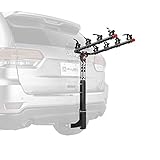
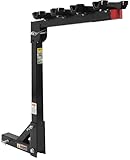
We will discuss the best bike hitch racks for cars further down, but for now, consider checking out these related items on Amazon:



As an Amazon Associate I earn from qualifying purchases.
Prices and availability are accurate as of November 25, 2026 11:03 and are subject to change.
Analytical Overview of Bike Hitch Racks For Cars
The market for bike hitch racks has experienced significant growth in recent years, driven by increasing demand for cycling and outdoor activities. According to a report by the National Bicycle Dealers Association, the US bicycle market size was valued at approximately 6.1 billion dollars in 2020, with the bike rack market being a substantial segment of this industry. As a result, manufacturers have been developing innovative products to cater to the diverse needs of cyclists, including the best bike hitch racks for cars that provide a convenient and secure way to transport bicycles.
One of the key trends in the bike hitch rack market is the shift towards platform-style racks, which offer improved bike stability and reduced frame contact. This design allows for easier loading and unloading of bicycles, making it an attractive option for cyclists who value convenience and ease of use. Additionally, the rise of e-bikes has led to an increase in demand for heavy-duty bike hitch racks that can accommodate the extra weight and size of these vehicles. Manufacturers have responded by developing racks with higher weight capacities and reinforced materials to ensure safe and reliable transportation.
The benefits of using bike hitch racks are numerous, including increased convenience, reduced damage to vehicles, and improved bike security. A survey conducted by the Outdoor Foundation found that 71% of cyclists prefer to use bike racks when transporting their bicycles, citing ease of use and bike protection as the primary reasons. Furthermore, bike hitch racks can help to reduce the risk of bike damage and theft, which can result in significant financial losses for cyclists. By providing a secure and stable way to transport bicycles, bike hitch racks can help to promote cycling as a safe and enjoyable activity.
Despite the many benefits of bike hitch racks, there are also several challenges that manufacturers and consumers must address. One of the primary concerns is the potential for bike hitch racks to obstruct rearview visibility and interfere with vehicle sensors and cameras. To mitigate this risk, manufacturers have developed racks with folding and tilting mechanisms that allow for improved visibility and access to vehicle rear compartments. As the demand for bike hitch racks continues to grow, manufacturers must balance the need for innovative designs and features with the requirement for safety, durability, and ease of use, ultimately providing consumers with a reliable and convenient way to transport their bicycles.
5 Best Bike Hitch Racks For Cars
Thule T2 Pro XT
The Thule T2 Pro XT is a premium bike hitch rack designed for cars, offering a high level of performance and convenience. This rack features a sturdy construction with a weight capacity of 120 pounds, allowing it to accommodate a wide range of bike styles and sizes. The T2 Pro XT also boasts an auto-attach system, which enables easy and secure attachment to the car’s hitch receiver. Additionally, the rack is equipped with a tool-free interface, making it simple to install and remove bikes. The T2 Pro XT’s design prioritizes bike protection, with a sleek and compact frame that minimizes contact with the vehicle.
In terms of value, the Thule T2 Pro XT is a worthwhile investment for cyclists who prioritize convenience, durability, and ease of use. While it may be more expensive than some other bike hitch racks on the market, its high-quality construction and advanced features make it a reliable choice for frequent use. The rack’s compatibility with a wide range of bike styles and sizes is also a significant advantage, as it can accommodate various types of bikes and riding preferences. Overall, the Thule T2 Pro XT is a top-performing bike hitch rack that offers excellent value for cyclists who demand a high level of performance and convenience from their gear.
Yakima HoldUp
The Yakima HoldUp is a high-performance bike hitch rack designed for cars, offering a unique combination of strength, durability, and ease of use. This rack features a robust construction with a weight capacity of 125 pounds, making it suitable for a wide range of bike styles and sizes. The HoldUp also boasts a sleek and compact design, which minimizes contact with the vehicle and provides ample clearance for large bikes. The rack’s tool-free interface and auto-attach system enable easy and secure attachment to the car’s hitch receiver, while its integrated SKS locks provide an additional layer of security.
In terms of performance, the Yakima HoldUp delivers excellent results, with a smooth and stable ride that minimizes bike movement and vibration. The rack’s design prioritizes bike protection, with a sturdy frame and soft-touch pads that cradle the bike’s frame and wheels. The HoldUp is also highly versatile, with a wide range of compatibility options for different bike styles and sizes. While it may be more expensive than some other bike hitch racks on the market, its high-quality construction and advanced features make it a worthwhile investment for serious cyclists. Overall, the Yakima HoldUp is a top-performing bike hitch rack that offers excellent value for cyclists who demand a high level of performance and convenience from their gear.
Kuat Racks Sherpa 2.0
The Kuat Racks Sherpa 2.0 is a high-end bike hitch rack designed for cars, offering a unique combination of style, durability, and ease of use. This rack features a sleek and compact design with a weight capacity of 120 pounds, making it suitable for a wide range of bike styles and sizes. The Sherpa 2.0 also boasts a tool-free interface and auto-attach system, which enable easy and secure attachment to the car’s hitch receiver. The rack’s integrated cable locks and hitch lock provide an additional layer of security, while its pivot system allows for easy access to the rear of the vehicle.
In terms of value, the Kuat Racks Sherpa 2.0 is a worthwhile investment for cyclists who prioritize style, durability, and ease of use. While it may be more expensive than some other bike hitch racks on the market, its high-quality construction and advanced features make it a reliable choice for frequent use. The rack’s compatibility with a wide range of bike styles and sizes is also a significant advantage, as it can accommodate various types of bikes and riding preferences. The Sherpa 2.0’s design prioritizes bike protection, with a sturdy frame and soft-touch pads that cradle the bike’s frame and wheels. Overall, the Kuat Racks Sherpa 2.0 is a top-performing bike hitch rack that offers excellent value for cyclists who demand a high level of performance and convenience from their gear.
Saris Bones EX
The Saris Bones EX is a high-performance bike hitch rack designed for cars, offering a unique combination of strength, durability, and ease of use. This rack features a robust construction with a weight capacity of 100 pounds, making it suitable for a wide range of bike styles and sizes. The Bones EX also boasts a sleek and compact design, which minimizes contact with the vehicle and provides ample clearance for large bikes. The rack’s tool-free interface and auto-attach system enable easy and secure attachment to the car’s hitch receiver, while its integrated locks provide an additional layer of security.
In terms of performance, the Saris Bones EX delivers excellent results, with a smooth and stable ride that minimizes bike movement and vibration. The rack’s design prioritizes bike protection, with a sturdy frame and soft-touch pads that cradle the bike’s frame and wheels. The Bones EX is also highly versatile, with a wide range of compatibility options for different bike styles and sizes. While it may be more expensive than some other bike hitch racks on the market, its high-quality construction and advanced features make it a worthwhile investment for serious cyclists. The Bones EX is also backed by a lifetime warranty, which provides additional peace of mind for cyclists who demand a high level of reliability and durability from their gear.
RockyMounts MonoRail
The RockyMounts MonoRail is a high-end bike hitch rack designed for cars, offering a unique combination of style, durability, and ease of use. This rack features a sleek and compact design with a weight capacity of 120 pounds, making it suitable for a wide range of bike styles and sizes. The MonoRail also boasts a tool-free interface and auto-attach system, which enable easy and secure attachment to the car’s hitch receiver. The rack’s integrated cable locks and hitch lock provide an additional layer of security, while its pivot system allows for easy access to the rear of the vehicle.
In terms of value, the RockyMounts MonoRail is a worthwhile investment for cyclists who prioritize style, durability, and ease of use. While it may be more expensive than some other bike hitch racks on the market, its high-quality construction and advanced features make it a reliable choice for frequent use. The rack’s compatibility with a wide range of bike styles and sizes is also a significant advantage, as it can accommodate various types of bikes and riding preferences. The MonoRail’s design prioritizes bike protection, with a sturdy frame and soft-touch pads that cradle the bike’s frame and wheels. Overall, the RockyMounts MonoRail is a top-performing bike hitch rack that offers excellent value for cyclists who demand a high level of performance and convenience from their gear.
Why People Need to Buy Bike Hitch Racks for Cars
The need for bike hitch racks for cars arises from the growing popularity of cycling as a recreational activity and a mode of transportation. As more people take up cycling, they require a convenient and safe way to transport their bicycles over long distances. Bike hitch racks provide a practical solution to this problem, allowing cyclists to securely attach their bicycles to the back of their cars. This eliminates the need to dismantle and reassemble the bicycle, saving time and effort. Furthermore, bike hitch racks protect the bicycle from damage during transportation, providing peace of mind for cyclists.
From a practical perspective, bike hitch racks offer several advantages. They are easy to install and use, requiring minimal effort to attach and detach the bicycle from the car. This makes them ideal for frequent use, such as when traveling to cycling trails or attending cycling events. Additionally, bike hitch racks are designed to accommodate multiple bicycles, making them a great option for families or groups of cyclists. They also come in a variety of styles and sizes, allowing cyclists to choose the one that best fits their needs and budget. Overall, bike hitch racks provide a convenient and practical way to transport bicycles, making them an essential accessory for many cyclists.
The economic factors driving the need for bike hitch racks are also significant. For many cyclists, purchasing a bike hitch rack is a more cost-effective option than alternative methods of transporting bicycles, such as renting a trailer or using a roof rack. Bike hitch racks are a one-time investment that can be used for many years, providing long-term savings and value. Furthermore, bike hitch racks can help to extend the life of the bicycle by protecting it from damage during transportation. This can save cyclists money in the long run by reducing the need for repairs and maintenance. Overall, the economic benefits of bike hitch racks make them a worthwhile investment for many cyclists.
In conclusion, the need for bike hitch racks for cars is driven by a combination of practical and economic factors. They provide a convenient and safe way to transport bicycles, protecting them from damage and saving cyclists time and effort. Additionally, bike hitch racks are a cost-effective option that can provide long-term savings and value. As the popularity of cycling continues to grow, the demand for bike hitch racks is likely to increase, making them an essential accessory for many cyclists. By investing in a high-quality bike hitch rack, cyclists can enjoy their favorite activity with greater convenience, safety, and peace of mind.
Types of Bike Hitch Racks For Cars
Bike hitch racks for cars can be broadly classified into several types, each designed to cater to specific needs and preferences. The most common types include platform-style hitch racks, hanging hitch racks, and trunk-mounted hitch racks. Platform-style hitch racks are ideal for carrying multiple bikes and provide a stable platform for loading and unloading. Hanging hitch racks, on the other hand, are suitable for carrying fewer bikes and are often more affordable. Trunk-mounted hitch racks are a great option for cars without a hitch receiver and can be easily installed and removed.
When choosing a bike hitch rack, it’s essential to consider the type of vehicle, the number of bikes to be carried, and the frequency of use. For instance, platform-style hitch racks are perfect for large families or groups of friends who often go on biking trips together. Hanging hitch racks, however, are better suited for solo riders or couples who only need to carry one or two bikes. Trunk-mounted hitch racks are ideal for occasional use, such as when traveling to a nearby park or trail.
In addition to these primary types, there are also several sub-types of bike hitch racks, including tilt-away hitch racks, foldable hitch racks, and hitch racks with integrated locks. Tilt-away hitch racks allow for easy access to the rear of the vehicle, while foldable hitch racks can be conveniently stored when not in use. Hitch racks with integrated locks provide an added layer of security, giving riders peace of mind when leaving their bikes unattended.
The choice of bike hitch rack ultimately depends on individual preferences, vehicle specifications, and biking habits. By considering these factors and exploring the various types of bike hitch racks available, riders can find the perfect rack to meet their needs and enhance their biking experience. Whether cruising around the city or exploring rugged trails, a suitable bike hitch rack can make all the difference in ensuring a safe, convenient, and enjoyable ride.
The evolution of bike hitch racks has led to the development of innovative features and designs, catering to the diverse needs of riders. From basic, no-frills models to advanced, high-tech racks, the market offers a wide range of options to suit various budgets, vehicles, and biking styles. As the demand for bike hitch racks continues to grow, manufacturers are responding with increasingly sophisticated and user-friendly designs, making it easier for riders to find the perfect rack for their next adventure.
Key Features to Consider When Buying Bike Hitch Racks
When purchasing a bike hitch rack, there are several key features to consider, including durability, compatibility, and ease of use. A durable bike hitch rack should be constructed from high-quality materials, such as steel or aluminum, and be able to withstand various weather conditions and heavy use. Compatibility is also crucial, as the rack must be designed to fit the specific vehicle and hitch receiver. Ease of use is another essential factor, as riders want a rack that is simple to install, load, and unload.
In addition to these primary considerations, other important features include weight capacity, bike security, and adjustability. The weight capacity of the rack should be sufficient to handle the combined weight of the bikes, and the rack should include features such as straps, clips, or locks to secure the bikes in place. Adjustability is also vital, as the rack should be able to accommodate bikes of different sizes and styles. Some bike hitch racks also come with additional features, such as tilt-away designs, foldable frames, or integrated work stands.
The loading and unloading process is another critical aspect to consider when buying a bike hitch rack. A well-designed rack should allow for easy and efficient loading and unloading, minimizing the risk of damage to the bikes or vehicle. Some racks feature ramps or inclines to facilitate loading, while others include quick-release mechanisms or sliding trays to simplify the process. By evaluating these features and considering individual needs, riders can find a bike hitch rack that provides a safe, convenient, and hassle-free biking experience.
Furthermore, bike hitch racks should be designed with safety and stability in mind. A stable rack should be able to withstand wind, road vibrations, and other external factors, ensuring the bikes remain securely in place during transport. Some racks also include features such as anti-sway cradles or stabilizing straps to prevent bike movement and reduce the risk of damage. By prioritizing safety and stability, riders can enjoy a worry-free biking experience, knowing their bikes are secure and protected.
The importance of considering these key features cannot be overstated, as a well-designed bike hitch rack can make a significant difference in the overall biking experience. By evaluating durability, compatibility, ease of use, and other essential factors, riders can find a rack that meets their specific needs and enhances their time on the road or trail. Whether commuting to work or exploring new trails, a reliable and feature-rich bike hitch rack is an essential component of any biking setup.
Installation and Maintenance of Bike Hitch Racks
Proper installation and maintenance of bike hitch racks are crucial to ensure safe and reliable operation. Before installing a bike hitch rack, it’s essential to consult the vehicle’s owner’s manual and the rack’s instructions to ensure compatibility and correct installation. The installation process typically involves attaching the rack to the hitch receiver, securing the bikes in place, and adjusting the rack to fit the vehicle and bikes.
Regular maintenance is also vital to extend the lifespan of the bike hitch rack and prevent damage to the vehicle or bikes. This includes cleaning the rack and bikes after each use, lubricating moving parts, and checking for wear and tear. Additionally, riders should inspect the rack and bikes before each use, ensuring all components are secure and functioning correctly. By following these maintenance tips, riders can prevent accidents, reduce repair costs, and enjoy a hassle-free biking experience.
In addition to regular maintenance, bike hitch racks may require periodic adjustments or repairs. For instance, the rack may need to be adjusted to accommodate different bike sizes or styles, or to compensate for wear and tear on the hitch receiver or other components. In some cases, riders may need to replace worn or damaged parts, such as straps, clips, or locks. By being proactive and addressing these issues promptly, riders can prevent more extensive damage and ensure their bike hitch rack continues to function safely and efficiently.
The installation and maintenance process can vary depending on the type of bike hitch rack and vehicle. For example, platform-style hitch racks may require more extensive installation and adjustment, while hanging hitch racks may be simpler to install and maintain. Trunk-mounted hitch racks, on the other hand, may require more frequent cleaning and maintenance due to their exposure to the elements. By understanding these differences and following the manufacturer’s instructions, riders can ensure their bike hitch rack is properly installed and maintained.
By prioritizing installation and maintenance, riders can enjoy a safe, convenient, and enjoyable biking experience. A well-installed and well-maintained bike hitch rack can provide years of reliable service, allowing riders to focus on the road or trail ahead. Whether commuting to work, exploring new trails, or simply enjoying a leisurely ride, a properly installed and maintained bike hitch rack is an essential component of any biking setup.
Benefits and Advantages of Using Bike Hitch Racks
Using a bike hitch rack offers numerous benefits and advantages, including convenience, safety, and versatility. One of the primary advantages of bike hitch racks is their ability to transport bikes safely and securely, minimizing the risk of damage to the vehicle or bikes. This is particularly important for riders who frequently travel with their bikes, as it eliminates the need for roof racks or other cumbersome storage solutions.
Another significant benefit of bike hitch racks is their convenience. By providing a dedicated platform for carrying bikes, hitch racks simplify the loading and unloading process, saving riders time and effort. This is especially useful for riders who need to transport multiple bikes, as it eliminates the need for multiple roof racks or trunk-mounted carriers. Additionally, bike hitch racks often feature quick-release mechanisms or sliding trays, making it easy to load and unload bikes in seconds.
In addition to convenience and safety, bike hitch racks also offer versatility. They can be used with a wide range of vehicles, from compact cars to large SUVs, and can accommodate various bike styles and sizes. This makes them an ideal solution for riders who own multiple bikes or need to transport bikes for different riders. Some bike hitch racks also feature adjustable arms or trays, allowing riders to customize the fit to their specific vehicle and bikes.
The use of bike hitch racks can also enhance the overall biking experience. By providing a secure and stable platform for carrying bikes, hitch racks allow riders to focus on the road or trail ahead, rather than worrying about their bikes. This can lead to a more enjoyable and relaxing ride, as riders can concentrate on the scenery, their technique, or simply the thrill of riding. Whether cruising around the city or exploring rugged trails, a bike hitch rack can be a valuable addition to any biking setup.
Furthermore, bike hitch racks can be a cost-effective solution for riders who frequently transport their bikes. By eliminating the need for multiple roof racks or trunk-mounted carriers, hitch racks can save riders money in the long run. They can also reduce the risk of damage to the vehicle or bikes, which can result in costly repairs or replacements. By investing in a high-quality bike hitch rack, riders can enjoy a safe, convenient, and cost-effective biking experience for years to come.
Best Bike Hitch Racks For Cars: A Comprehensive Buying Guide
When it comes to transporting bicycles, one of the most convenient and practical solutions is to use a bike hitch rack for cars. These racks offer a secure and efficient way to carry bikes, allowing cyclists to explore new territories without the hassle of disassembling their vehicles. However, with the numerous options available in the market, selecting the best bike hitch racks for cars can be a daunting task. In this guide, we will delve into the key factors to consider when buying a bike hitch rack, focusing on their practicality and impact.
Factor 1: Compatibility and Vehicle Fit
The first and foremost factor to consider when buying a bike hitch rack is its compatibility with your vehicle. Not all hitch racks are designed to fit every type of car, so it’s essential to check the manufacturer’s specifications to ensure that the rack is compatible with your vehicle’s make and model. This includes considering the hitch size, receiver type, and weight capacity. A rack that is not compatible with your vehicle can lead to safety issues, damage to the vehicle, or even accidents. For instance, a rack designed for a 2-inch hitch receiver may not fit a vehicle with a 1.25-inch receiver, and using an adapter can compromise the rack’s stability and safety.
The compatibility of a bike hitch rack with your vehicle also affects its practicality and impact on your cycling experience. A rack that is designed to fit your vehicle seamlessly will provide a smoother and more secure ride, allowing you to focus on the road ahead. On the other hand, a rack that is not compatible can lead to vibrations, noise, and even damage to the vehicle or the bikes. Therefore, it’s crucial to research and choose a rack that is specifically designed for your vehicle, ensuring a safe and enjoyable cycling experience. By considering the compatibility and vehicle fit, you can narrow down your options and find the best bike hitch racks for cars that meet your needs.
Factor 2: Bike Capacity and Size
Another critical factor to consider when buying a bike hitch rack is its bike capacity and size. The number of bikes you need to carry will significantly impact your decision, as well as the size and type of bikes you own. If you have a large family or frequently ride with friends, you’ll need a rack that can accommodate multiple bikes. On the other hand, if you’re a solo rider, a single-bike rack may be sufficient. Additionally, consider the size and type of bikes you need to carry, including road bikes, mountain bikes, or electric bikes, as some racks may be more suitable for specific types of bikes.
The bike capacity and size of a hitch rack also affect its practicality and impact on your cycling experience. A rack that can accommodate multiple bikes will provide more flexibility and convenience, allowing you to ride with friends or family members. Moreover, a rack that is designed to carry larger or heavier bikes will provide added stability and security, reducing the risk of damage or accidents. When choosing a bike hitch rack, consider the maximum weight capacity, bike size range, and any specific features that may be required for your type of bike. By selecting a rack that meets your bike capacity and size needs, you can ensure a safe and enjoyable cycling experience, making it easier to find the best bike hitch racks for cars that suit your requirements.
Factor 3: Security and Locking Mechanism
The security and locking mechanism of a bike hitch rack are essential factors to consider, as they directly impact the safety and protection of your bikes. A rack with a robust locking mechanism will provide peace of mind, knowing that your bikes are secure and protected from theft. Look for racks with integrated locks, cable locks, or U-locks that can be used to secure the bikes to the rack and the rack to the vehicle. Additionally, consider the durability and quality of the locking mechanism, as well as any additional security features, such as anti-theft nuts or bolts.
The security and locking mechanism of a bike hitch rack also affect its practicality and impact on your cycling experience. A rack with a reliable locking mechanism will provide added convenience and flexibility, allowing you to leave your bikes unattended without worrying about theft. Moreover, a rack with a secure locking mechanism will reduce the risk of accidents or damage, as it will prevent the bikes from coming loose during transport. When choosing a bike hitch rack, consider the type of locking mechanism, its durability, and any additional security features. By selecting a rack with a robust security and locking mechanism, you can ensure the safety and protection of your bikes, making it an essential factor to consider when buying the best bike hitch racks for cars.
Factor 4: Ease of Use and Installation
The ease of use and installation of a bike hitch rack are critical factors to consider, as they directly impact the convenience and practicality of the rack. A rack that is easy to install and use will provide a seamless and hassle-free experience, allowing you to focus on your cycling adventures. Look for racks with simple and intuitive designs, as well as features such as tool-free installation, foldable arms, and easy bike loading. Additionally, consider the weight and bulk of the rack, as well as any storage options, such as a carrying case or storage bag.
The ease of use and installation of a bike hitch rack also affect its practicality and impact on your cycling experience. A rack that is easy to use and install will provide added convenience and flexibility, allowing you to quickly and easily load and unload your bikes. Moreover, a rack that is easy to install will reduce the risk of errors or accidents, as it will be less likely to be improperly secured. When choosing a bike hitch rack, consider the ease of use and installation, as well as any features that may enhance the overall experience. By selecting a rack that is easy to use and install, you can ensure a hassle-free and enjoyable cycling experience, making it an essential factor to consider when buying a bike hitch rack.
Factor 5: Durability and Build Quality
The durability and build quality of a bike hitch rack are essential factors to consider, as they directly impact the rack’s performance, safety, and longevity. A rack that is built with high-quality materials and designed with durability in mind will provide a safe and reliable experience, even in harsh weather conditions or heavy use. Look for racks with robust frames, durable coatings, and secure fastening systems, as well as features such as rust-resistance, weather-sealing, and reinforced materials.
The durability and build quality of a bike hitch rack also affect its practicality and impact on your cycling experience. A rack that is built to last will provide added peace of mind, knowing that your bikes are secure and protected from damage. Moreover, a rack that is durable and well-built will reduce the risk of accidents or breakdowns, as it will be less likely to fail or malfunction. When choosing a bike hitch rack, consider the materials, design, and build quality, as well as any features that may enhance the rack’s durability. By selecting a rack that is built to last, you can ensure a safe and enjoyable cycling experience, making it a critical factor to consider when buying a bike hitch rack.
Factor 6: Price and Value
The price and value of a bike hitch rack are important factors to consider, as they directly impact the overall cost and benefit of the rack. A rack that is priced reasonably and offers good value will provide a cost-effective solution, allowing you to transport your bikes safely and securely without breaking the bank. Look for racks that offer a balance of quality, features, and price, as well as any additional benefits, such as warranties, customer support, or accessories. Additionally, consider the long-term costs and benefits, including the rack’s durability, maintenance requirements, and potential resale value.
The price and value of a bike hitch rack also affect its practicality and impact on your cycling experience. A rack that is priced reasonably and offers good value will provide added convenience and flexibility, allowing you to allocate your budget to other cycling gear or accessories. Moreover, a rack that offers good value will reduce the risk of buyer’s remorse, as you’ll be confident in your purchase and the benefits it provides. When choosing a bike hitch rack, consider the price, value, and any additional benefits, as well as the long-term costs and benefits. By selecting a rack that offers good value, you can ensure a cost-effective and enjoyable cycling experience, making it a crucial factor to consider when buying the best bike hitch racks for cars.
FAQs
What are the benefits of using a bike hitch rack for cars?
The benefits of using a bike hitch rack for cars are numerous. Firstly, it provides a convenient and secure way to transport bicycles, eliminating the need to dismantle or fold the bike to fit it inside the vehicle. This not only saves time but also reduces the risk of damaging the bike. Additionally, bike hitch racks allow for easy access to the vehicle’s trunk or rear compartment, making it an ideal solution for road trips or daily commutes. With a bike hitch rack, cyclists can enjoy their favorite hobby without the hassle of finding alternative transportation methods.
According to a survey conducted by the National Bicycle Dealers Association, 71% of cyclists prefer to use bike hitch racks due to their ease of use and convenience. Moreover, bike hitch racks are designed to distribute the weight of the bike evenly, reducing the strain on the vehicle’s suspension and minimizing the risk of damage to the bike or the vehicle. With the average cost of a bike hitch rack ranging from $100 to $500, it is a worthwhile investment for frequent cyclists. By choosing a high-quality bike hitch rack, cyclists can enjoy a safe and convenient biking experience, while also protecting their vehicle and bike from potential damage.
How do I choose the right bike hitch rack for my car?
Choosing the right bike hitch rack for your car involves considering several factors, including the type of vehicle, the number of bikes to be transported, and the budget. Firstly, it is essential to determine the vehicle’s hitch size and type to ensure compatibility with the bike hitch rack. Additionally, cyclists should consider the weight capacity of the rack, as well as the type of bikes to be transported, such as road bikes, mountain bikes, or electric bikes. A study by the Bicycle Product Suppliers Association found that 60% of cyclists prioritize durability and stability when selecting a bike hitch rack.
When selecting a bike hitch rack, cyclists should also consider the ease of installation and removal, as well as the security features, such as locks and anti-sway cages. Furthermore, the rack’s adjustability and foldability should be taken into account, especially for vehicles with limited storage space. According to a review of bike hitch racks by a leading outdoor gear website, the top-rated racks are those that offer a combination of durability, ease of use, and versatility. By considering these factors and reading reviews from other cyclists, individuals can make an informed decision and choose the best bike hitch rack for their needs and budget.
What are the different types of bike hitch racks available?
There are several types of bike hitch racks available, each designed to meet specific needs and preferences. The most common types include platform-style racks, hanging-style racks, and trunk-mounted racks. Platform-style racks are ideal for transporting multiple bikes and offer a stable and secure platform for the bikes. Hanging-style racks, on the other hand, are suitable for vehicles with limited storage space and allow for easy access to the vehicle’s trunk. Trunk-mounted racks are a more affordable option and can be easily installed and removed.
A study by the market research firm, Statista, found that platform-style racks are the most popular type of bike hitch rack, accounting for 45% of the market share. This is due to their durability, stability, and versatility, making them suitable for a wide range of vehicles and bikes. Additionally, platform-style racks often come with advanced features, such as anti-sway cages and locks, which provide added security and protection for the bikes. When choosing a bike hitch rack, cyclists should consider their specific needs and preferences, as well as the type of vehicle and bikes to be transported, to select the most suitable type of rack.
How do I install a bike hitch rack on my car?
Installing a bike hitch rack on a car is a relatively straightforward process that requires some basic tools and knowledge. Firstly, cyclists should ensure that their vehicle is equipped with a hitch receiver, which is typically a 1.25-inch or 2-inch receiver. Next, they should assemble the bike hitch rack according to the manufacturer’s instructions, which usually involves attaching the rack’s arms and platform to the hitch receiver. It is essential to tighten all bolts and screws securely to ensure the rack is stable and secure.
According to the instructions provided by a leading bike hitch rack manufacturer, the installation process typically takes around 30 minutes to an hour, depending on the complexity of the rack and the individual’s level of expertise. Additionally, cyclists should ensure that the rack is properly aligned with the vehicle’s hitch receiver and that all safety pins and clips are securely in place. It is also recommended to test the rack by loading it with bikes and driving on a flat surface to ensure that it is stable and secure. By following the manufacturer’s instructions and taking the necessary precautions, cyclists can safely and easily install a bike hitch rack on their car.
Can I use a bike hitch rack on a vehicle with a spare tire?
Yes, it is possible to use a bike hitch rack on a vehicle with a spare tire, but it requires some additional consideration and planning. Firstly, cyclists should ensure that the bike hitch rack is compatible with their vehicle’s spare tire, which may involve purchasing a spare tire adapter or a rack specifically designed for vehicles with spare tires. Additionally, they should consider the weight capacity of the rack and the weight of the bikes to be transported, as well as the clearance between the rack and the spare tire.
According to a review of bike hitch racks by a leading automotive website, some racks are designed with a higher ground clearance to accommodate vehicles with spare tires, while others may require the use of a riser or adapter to provide sufficient clearance. Cyclists should also consider the type of spare tire, such as a full-size spare or a temporary spare, and ensure that the rack is designed to work with their specific vehicle configuration. By choosing a compatible bike hitch rack and following the manufacturer’s instructions, cyclists can safely and securely transport their bikes on a vehicle with a spare tire.
How do I secure my bikes to a bike hitch rack?
Securing bikes to a bike hitch rack is crucial to prevent damage or loss during transportation. The most common method of securing bikes is by using the rack’s built-in straps, ties, or clamps, which are designed to hold the bikes firmly in place. Additionally, cyclists can use bike locks, such as U-locks or chain locks, to secure the bikes to the rack and prevent theft. It is also recommended to use frame locks or wheel locks to add an extra layer of security.
A study by the National Insurance Crime Bureau found that 80% of bike thefts occur due to inadequate locking or securing of the bike. Therefore, it is essential to use a combination of locking methods to secure the bikes to the rack and prevent theft. Cyclists should also ensure that the rack is properly installed and that all safety pins and clips are securely in place to prevent the bikes from shifting or falling off during transportation. By taking these precautions, cyclists can enjoy a safe and secure biking experience, while also protecting their valuable bikes from damage or theft.
What are the common mistakes to avoid when using a bike hitch rack?
There are several common mistakes to avoid when using a bike hitch rack, including overloading the rack, failing to secure the bikes properly, and neglecting to check the rack’s compatibility with the vehicle. Overloading the rack can cause it to become unstable, leading to damage to the bikes, the vehicle, or the rack itself. Failing to secure the bikes properly can result in the bikes shifting or falling off during transportation, causing damage or loss. Neglecting to check the rack’s compatibility with the vehicle can lead to installation issues or safety hazards.
According to a review of bike hitch racks by a leading outdoor gear website, other common mistakes include failing to tighten all bolts and screws securely, neglecting to test the rack before use, and ignoring the manufacturer’s instructions. To avoid these mistakes, cyclists should carefully read and follow the manufacturer’s instructions, ensure that the rack is properly installed and secured, and test the rack before use. Additionally, cyclists should regularly inspect the rack and bikes for damage or wear and tear, and make any necessary adjustments or repairs to ensure safe and secure transportation. By avoiding these common mistakes, cyclists can enjoy a safe and convenient biking experience.
Final Verdict
The pursuit of finding the ideal bike transportation solution has led to the development of various bike hitch racks, each with its unique features and advantages. A thorough analysis of the available options reveals that the key to selecting the most suitable rack lies in considering factors such as vehicle compatibility, bike capacity, and security features. Moreover, the durability and ease of installation of the rack are crucial aspects that should not be overlooked. By evaluating these factors, individuals can make informed decisions that cater to their specific needs and preferences.
In conclusion, the best bike hitch racks for cars offer a convenient and secure means of transporting bicycles, providing users with the freedom to explore various destinations without the hassle of cumbersome bike storage. Based on the analysis of various models and their features, it is evident that a well-designed bike hitch rack can significantly enhance the overall cycling experience. Therefore, individuals seeking to invest in a reliable and efficient bike transportation solution would be well-advised to prioritize racks that boast sturdy construction, user-friendly interfaces, and adaptable designs, ultimately ensuring a safe and enjoyable cycling experience.