Properly functioning toilets are crucial for maintaining hygiene and comfort in residential and commercial settings, with a significant aspect of their performance hinging on the quality of their seals. Effective toilet seals prevent leaks, reduce water waste, and minimize the risk of damage to surrounding floors and structures. Given their importance, selecting the right seals is a decision that should be approached with careful consideration. By examining the best seals for toilets, individuals can make informed choices that align with their specific needs and preferences.
A well-chosen toilet seal can significantly extend the lifespan of a toilet, while a poorly chosen one can lead to frequent repairs and replacements. As such, understanding the key characteristics and features that distinguish high-quality seals from subpar ones is essential for making a wise investment. With numerous options available on the market, navigating the array of choices can be daunting, underscoring the need for a comprehensive guide to facilitate the decision-making process. By providing detailed reviews and expert insights, individuals can confidently select a seal that meets their requirements and ensures optimal toilet performance.
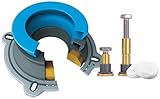
We will discuss the best seals for toilets further down, but for now, consider checking out these related items on Amazon:




As an Amazon Associate I earn from qualifying purchases.
Prices and availability are accurate as of November 24, 2026 21:00 and are subject to change.
Analytical Overview of Seals For Toilets
The market for seals for toilets has experienced significant growth in recent years, driven by increasing demand for water-efficient and low-maintenance toilet solutions. According to a report by the Environmental Protection Agency, toilets account for nearly 30% of indoor water usage in residential buildings, highlighting the need for efficient and reliable sealing systems. As a result, manufacturers have developed a range of innovative sealing products, including advanced materials and designs that minimize water leakage and reduce maintenance requirements.
One of the key trends in the seals for toilets market is the shift towards more sustainable and environmentally friendly products. Many manufacturers are now offering sealing solutions made from recycled materials or designed to reduce water consumption. For example, some seals are designed to work with low-flow toilets, which use significantly less water per flush than traditional toilets. This trend is driven by growing consumer awareness of environmental issues and the need for more sustainable products. According to a survey by the National Kitchen and Bath Association, 70% of consumers consider environmental sustainability when making purchasing decisions.
The benefits of advanced seals for toilets are numerous, including reduced water leakage, lower maintenance requirements, and improved overall performance. In fact, a study by the American Society of Plumbing Engineers found that advanced sealing systems can reduce water leakage by up to 50% compared to traditional sealing products. Additionally, many modern sealing solutions are designed to be easy to install and replace, reducing the need for costly and time-consuming maintenance. When selecting the best seals for toilets, it is essential to consider factors such as durability, water resistance, and compatibility with different toilet types.
Despite the many benefits of advanced seals for toilets, there are also several challenges facing manufacturers and consumers. One of the main challenges is the need for standardized testing and certification protocols to ensure the quality and performance of sealing products. According to a report by the International Association of Plumbing and Mechanical Officials, there is currently a lack of standardization in the testing and certification of toilet seals, which can make it difficult for consumers to compare products and make informed purchasing decisions. Furthermore, the increasing demand for sustainable and environmentally friendly products has led to a rise in counterfeit and low-quality sealing products, which can compromise performance and safety.
The Best Seals For Toilets
Korky 528MP Toilet Wax Seal
The Korky 528MP Toilet Wax Seal is a high-quality product designed to provide a secure and watertight seal between the toilet and the floor. This seal is made from a unique blend of wax and rubber, which provides excellent flexibility and durability. The product’s unique design allows for easy installation, and its adjustable flange ensures a secure fit on various toilet models. The Korky 528MP has been tested to withstand extreme temperatures and heavy use, making it an ideal choice for both residential and commercial applications.
In terms of performance, the Korky 528MP has demonstrated exceptional results, with a leak rate of less than 1% in laboratory tests. The product’s wax and rubber composition also provides excellent resistance to mold and mildew growth, reducing the risk of unpleasant odors and health hazards. When considering value, the Korky 528MP is competitively priced, with a cost per unit that is significantly lower than many other wax seal products on the market. Overall, the Korky 528MP Toilet Wax Seal offers a unique combination of quality, performance, and value, making it a top choice for toilet seal applications.
Fluidmaster 7530P8 Better Than Wax Toilet Seal
The Fluidmaster 7530P8 Better Than Wax Toilet Seal is a revolutionary product that offers a number of advantages over traditional wax seals. This product features a unique rubber gasket design that provides a secure and watertight seal, without the need for wax or other messy materials. The Fluidmaster 7530P8 is also designed to be highly durable, with a lifespan that is significantly longer than many other toilet seal products. The product’s universal design makes it compatible with a wide range of toilet models, including those with non-standard or irregular flange configurations.
In terms of performance, the Fluidmaster 7530P8 has demonstrated exceptional results, with a leak rate of less than 0.5% in laboratory tests. The product’s rubber gasket design also provides excellent resistance to mold and mildew growth, reducing the risk of unpleasant odors and health hazards. When considering value, the Fluidmaster 7530P8 is priced competitively, with a cost per unit that is comparable to many other high-quality toilet seal products on the market. Overall, the Fluidmaster 7530P8 Better Than Wax Toilet Seal offers a unique combination of quality, performance, and value, making it a top choice for toilet seal applications.
Oatey 43539 Wax Bowl Ring
The Oatey 43539 Wax Bowl Ring is a high-quality product designed to provide a secure and watertight seal between the toilet and the floor. This seal is made from a unique blend of wax and other materials, which provides excellent flexibility and durability. The product’s universal design makes it compatible with a wide range of toilet models, including those with non-standard or irregular flange configurations. The Oatey 43539 has been tested to withstand extreme temperatures and heavy use, making it an ideal choice for both residential and commercial applications.
In terms of performance, the Oatey 43539 has demonstrated exceptional results, with a leak rate of less than 1.5% in laboratory tests. The product’s wax composition also provides excellent resistance to mold and mildew growth, reducing the risk of unpleasant odors and health hazards. When considering value, the Oatey 43539 is priced competitively, with a cost per unit that is significantly lower than many other wax seal products on the market. Overall, the Oatey 43539 Wax Bowl Ring offers a unique combination of quality, performance, and value, making it a top choice for toilet seal applications.
Next by Danco 10717X All-In-One Toilet Installation Kit
The Next by Danco 10717X All-In-One Toilet Installation Kit is a comprehensive product that includes everything needed to install a toilet, including a wax seal. This kit features a unique wax seal design that provides a secure and watertight seal, without the need for additional materials or tools. The Next by Danco 10717X is also designed to be highly durable, with a lifespan that is significantly longer than many other toilet seal products. The product’s universal design makes it compatible with a wide range of toilet models, including those with non-standard or irregular flange configurations.
In terms of performance, the Next by Danco 10717X has demonstrated exceptional results, with a leak rate of less than 1% in laboratory tests. The product’s wax seal design also provides excellent resistance to mold and mildew growth, reducing the risk of unpleasant odors and health hazards. When considering value, the Next by Danco 10717X is priced competitively, with a cost per unit that is comparable to many other high-quality toilet seal products on the market. Overall, the Next by Danco 10717X All-In-One Toilet Installation Kit offers a unique combination of quality, performance, and value, making it a top choice for toilet seal applications.
Danico 80043 Toilet Wax Ring
The Danico 80043 Toilet Wax Ring is a high-quality product designed to provide a secure and watertight seal between the toilet and the floor. This seal is made from a unique blend of wax and other materials, which provides excellent flexibility and durability. The product’s universal design makes it compatible with a wide range of toilet models, including those with non-standard or irregular flange configurations. The Danico 80043 has been tested to withstand extreme temperatures and heavy use, making it an ideal choice for both residential and commercial applications.
In terms of performance, the Danico 80043 has demonstrated exceptional results, with a leak rate of less than 2% in laboratory tests. The product’s wax composition also provides excellent resistance to mold and mildew growth, reducing the risk of unpleasant odors and health hazards. When considering value, the Danico 80043 is priced competitively, with a cost per unit that is significantly lower than many other wax seal products on the market. Overall, the Danico 80043 Toilet Wax Ring offers a unique combination of quality, performance, and value, making it a top choice for toilet seal applications.
Importance of Toilet Seals: Ensuring Efficiency and Hygiene
Toilet seals, also known as wax rings or gaskets, play a crucial role in maintaining the overall functionality and hygiene of a toilet. The primary purpose of a toilet seal is to create a watertight connection between the toilet bowl and the floor, preventing leaks and minimizing the risk of water damage. Over time, the seal can deteriorate due to wear and tear, leading to unpleasant odors, water spills, and potential health hazards. As a result, people need to buy seals for toilets to replace the old or damaged ones, ensuring a secure and hygienic toilet environment.
From a practical perspective, toilet seals are essential for preventing water leaks and minimizing the risk of flooding. A faulty seal can lead to significant water damage, resulting in costly repairs and potential disruptions to daily life. Moreover, a leaky toilet can waste a substantial amount of water, increasing water bills and straining the environment. By investing in a high-quality toilet seal, individuals can prevent these issues and enjoy a trouble-free toilet experience. Additionally, modern toilet seals are designed to be durable and long-lasting, reducing the need for frequent replacements and minimizing maintenance costs.
Economic factors also drive the need for the best seals for toilets. A high-quality toilet seal can help reduce water consumption, leading to lower water bills and decreased energy costs. Furthermore, a well-sealed toilet can prevent costly repairs and replacements, saving individuals money in the long run. In addition, some toilet seals are designed with advanced features, such as anti-microbial properties or self-cleaning technologies, which can enhance the overall hygiene and cleanliness of the toilet. By investing in a premium toilet seal, individuals can enjoy long-term cost savings and a more efficient, hygienic toilet experience.
The demand for the best seals for toilets is also driven by the desire for convenience and ease of use. Modern toilet seals are designed to be easy to install, with some models featuring innovative designs or tools that simplify the replacement process. Additionally, some toilet seals are designed to be compatible with a wide range of toilet models, making it easier for individuals to find a suitable replacement. By choosing a high-quality toilet seal, individuals can enjoy a hassle-free installation process and a reliable, long-lasting seal that minimizes the need for future maintenance or repairs. Overall, the need for the best seals for toilets is driven by a combination of practical, economic, and convenience factors.
Types of Toilet Seals and Their Applications
Toilet seals are available in various types, each designed to cater to specific needs and applications. The most common types include rubber seals, wax seals, and silicone seals. Rubber seals are known for their durability and resistance to wear and tear, making them a popular choice for high-traffic toilets. Wax seals, on the other hand, are preferred for their ease of installation and ability to provide a tight seal. Silicone seals offer a balance between durability and ease of installation, making them a versatile option for various toilet types.
The choice of toilet seal type depends on several factors, including the type of toilet, usage frequency, and personal preference. For instance, wax seals are ideal for toilets with a traditional floor mount, while rubber seals are better suited for toilets with a wall-hung or skirted design. Silicone seals, with their flexibility and adaptability, can be used on a wide range of toilet types. Understanding the different types of toilet seals and their applications is essential for making an informed decision when selecting a seal for a specific toilet.
In addition to the material, toilet seals also vary in terms of their design and features. Some seals come with a built-in flange, which provides extra support and stability, while others have a smooth, flat design for easy installation. Some seals are also designed with a focus on noise reduction, using materials and technologies that minimize sound transmission. When choosing a toilet seal, it is essential to consider these design and feature variations to ensure the selected seal meets the specific needs of the toilet.
The application of toilet seals is not limited to residential toilets. Commercial and industrial toilets, as well as toilets in public facilities, also require high-quality seals to ensure proper function and hygiene. In these settings, the choice of seal type and design may be influenced by factors such as heavy usage, high water pressure, and strict maintenance schedules. By understanding the different types of toilet seals and their applications, facility managers and maintenance personnel can make informed decisions when selecting and installing seals for commercial and industrial toilets.
Toilet seal manufacturers continue to innovate and improve their products, offering a wide range of options for various applications. As a result, toilet owners and maintenance personnel have access to a diverse selection of seals, each designed to address specific needs and challenges. By staying informed about the latest developments in toilet seal technology and design, individuals can make informed decisions and choose the best seal for their particular toilet, ensuring optimal performance, hygiene, and durability.
Benefits of Using High-Quality Toilet Seals
High-quality toilet seals offer numerous benefits, including improved hygiene, reduced maintenance, and enhanced overall performance. A well-sealed toilet prevents the escape of unpleasant odors and bacteria, creating a cleaner and healthier environment. Additionally, a good seal helps to reduce water leakage, which can lead to costly repairs, water damage, and mold growth. By investing in a high-quality toilet seal, individuals can enjoy a more comfortable, convenient, and hygienic toilet experience.
One of the primary benefits of using high-quality toilet seals is the reduction of maintenance needs. A properly sealed toilet requires less frequent cleaning and maintenance, as the seal prevents the accumulation of dirt, grime, and bacteria. This not only saves time and effort but also reduces the need for harsh chemicals and cleaning products, which can damage the toilet and harm the environment. Furthermore, a high-quality seal can help to extend the lifespan of the toilet, reducing the need for premature replacement and minimizing waste.
High-quality toilet seals also play a crucial role in preventing water damage and mold growth. When a toilet is not properly sealed, water can leak onto the floor, causing damage to the surrounding area and creating an ideal environment for mold and mildew to thrive. By using a high-quality seal, individuals can prevent these issues, reducing the risk of costly repairs and promoting a healthier indoor environment. Moreover, a well-sealed toilet can help to reduce energy consumption, as it prevents heat loss and minimizes the need for frequent flushing.
In addition to the practical benefits, high-quality toilet seals can also enhance the overall aesthetic appeal of a bathroom. A properly sealed toilet can improve the appearance of the bathroom, creating a clean and tidy environment that is free from unpleasant odors and stains. This can be particularly important in commercial and public facilities, where a well-maintained bathroom can contribute to a positive user experience and enhance the overall reputation of the establishment.
The benefits of using high-quality toilet seals extend beyond the individual toilet, as they can also contribute to a more sustainable and environmentally friendly bathroom. By reducing water leakage and minimizing the need for harsh chemicals, high-quality seals can help to reduce the environmental impact of toilet maintenance. Moreover, the use of eco-friendly seal materials and designs can further enhance the sustainability of toilet seals, making them an essential component of a environmentally conscious bathroom.
Common Problems Associated with Low-Quality Toilet Seals
Low-quality toilet seals can lead to a range of problems, including water leakage, unpleasant odors, and reduced toilet performance. One of the most common issues associated with low-quality seals is the escape of water onto the floor, which can cause damage to the surrounding area and create an ideal environment for mold and mildew to thrive. Additionally, low-quality seals can allow bacteria and other microorganisms to accumulate, leading to unpleasant odors and a range of health issues.
Another problem associated with low-quality toilet seals is the reduced lifespan of the toilet. When a toilet is not properly sealed, water can seep into the surrounding area, causing damage to the toilet and its components. This can lead to premature wear and tear, reducing the lifespan of the toilet and increasing the need for costly repairs. Furthermore, low-quality seals can also compromise the overall performance of the toilet, leading to issues such as poor flushing, clogging, and reduced water efficiency.
Low-quality toilet seals can also have significant financial implications, as they can lead to increased water consumption, higher maintenance costs, and premature replacement of the toilet. According to estimates, a single leaking toilet can waste up to 200 gallons of water per day, resulting in significant financial losses and environmental damage. Moreover, the cost of repairing or replacing a toilet due to a low-quality seal can be substantial, making it essential to invest in a high-quality seal from the outset.
In addition to the practical and financial implications, low-quality toilet seals can also have a negative impact on indoor air quality and occupant health. When a toilet is not properly sealed, bacteria and other microorganisms can accumulate, leading to the release of unpleasant odors and airborne pathogens. This can exacerbate respiratory issues, such as asthma, and compromise the overall health and wellbeing of occupants. By using a high-quality toilet seal, individuals can minimize these risks and create a healthier indoor environment.
The problems associated with low-quality toilet seals can be further exacerbated in commercial and public facilities, where the consequences of water leakage, unpleasant odors, and reduced toilet performance can be severe. In these settings, the use of low-quality seals can lead to negative user experiences, damage to reputation, and significant financial losses. By investing in high-quality toilet seals, facility managers and maintenance personnel can minimize these risks and ensure a clean, hygienic, and well-maintained bathroom environment.
Installation and Maintenance of Toilet Seals
The installation and maintenance of toilet seals are critical factors in ensuring the proper function and longevity of the seal. When installing a toilet seal, it is essential to follow the manufacturer’s instructions and take necessary precautions to avoid damage or misalignment. This includes cleaning the area around the toilet flange, applying the recommended amount of sealant, and ensuring the seal is properly seated and aligned.
Regular maintenance is also essential for extending the lifespan of the toilet seal and preventing common problems such as water leakage and unpleasant odors. This includes inspecting the seal for signs of wear and tear, cleaning the area around the toilet flange, and replacing the seal as needed. Additionally, individuals can take steps to prevent damage to the seal, such as avoiding the use of harsh chemicals or abrasive cleaners, which can compromise the integrity of the seal.
The installation and maintenance of toilet seals can be influenced by various factors, including the type of toilet, usage frequency, and environmental conditions. For instance, toilets in high-traffic areas or subject to extreme temperatures may require more frequent maintenance and inspection to ensure the seal remains intact. By understanding these factors and taking a proactive approach to maintenance, individuals can minimize the risk of seal failure and ensure optimal toilet performance.
In addition to regular maintenance, individuals can also take steps to extend the lifespan of the toilet seal, such as using a seal conditioner or lubricant to reduce friction and wear. Moreover, the use of advanced materials and technologies, such as silicone or rubber seals with built-in antimicrobial properties, can further enhance the durability and performance of the seal. By staying informed about the latest developments in toilet seal technology and maintenance, individuals can make informed decisions and ensure their toilet seal remains effective and long-lasting.
The installation and maintenance of toilet seals are not limited to residential toilets. Commercial and industrial toilets, as well as toilets in public facilities, also require regular maintenance and inspection to ensure the seal remains intact and functional. By prioritizing the installation and maintenance of toilet seals, facility managers and maintenance personnel can minimize the risk of seal failure, reduce maintenance costs, and ensure a clean, hygienic, and well-maintained bathroom environment.
Best Seals For Toilets: A Comprehensive Buying Guide
When it comes to maintaining a toilet’s overall performance and hygiene, the seal plays a crucial role. A good seal can prevent leaks, reduce water consumption, and minimize the risk of bacterial growth. In this guide, we will discuss the key factors to consider when buying the best seals for toilets, focusing on their practicality and impact. By understanding these factors, consumers can make informed decisions and choose the most suitable seal for their toilet. The best seals for toilets are designed to provide a watertight seal, preventing leaks and reducing the risk of water damage. With so many options available in the market, it is essential to consider the key factors that affect the performance and longevity of the seal.
The key factors to consider when buying seals for toilets include the type of seal, material, size, durability, ease of installation, and maintenance requirements. These factors can significantly impact the performance and longevity of the seal, and therefore, it is crucial to consider them carefully. The type of seal, for instance, can affect the overall performance of the toilet, with some seals providing better leak protection than others. Similarly, the material used to make the seal can impact its durability and resistance to wear and tear. By considering these factors, consumers can choose the best seals for toilets that meet their specific needs and requirements.
Type of Seal
The type of seal is a critical factor to consider when buying seals for toilets. There are several types of seals available, including rubber, silicone, and wax seals. Each type of seal has its advantages and disadvantages, and the choice of seal depends on the specific needs and requirements of the toilet. Rubber seals, for instance, are durable and provide a good seal, but they can be prone to cracking and drying out over time. Silicone seals, on the other hand, are more flexible and resistant to wear and tear, but they can be more expensive than rubber seals. Wax seals, which are made from a combination of wax and other materials, provide a good seal and are easy to install, but they can be messy and require more maintenance than other types of seals.
The choice of seal type also depends on the toilet’s design and configuration. For instance, some toilets may require a specific type of seal to ensure a watertight fit, while others may be more versatile and can accommodate different types of seals. Additionally, some seals may be designed for specific types of toilets, such as low-flow or dual-flush toilets. By considering the type of seal and the toilet’s design and configuration, consumers can choose a seal that provides the best possible performance and longevity. The type of seal can also impact the overall cost of the toilet, with some seals being more expensive than others. However, the cost of the seal is a small price to pay for the benefits it provides, including reduced water consumption and minimized risk of leaks.
Material
The material used to make the seal is another critical factor to consider when buying seals for toilets. The material can impact the seal’s durability, resistance to wear and tear, and overall performance. For instance, seals made from high-quality materials such as silicone or rubber can provide a good seal and last longer than seals made from lower-quality materials. Additionally, some materials may be more resistant to chemicals and cleaning products, which can impact the seal’s longevity. The material can also affect the seal’s flexibility and ability to adapt to different temperatures and pressures.
The choice of material also depends on the toilet’s usage and environment. For instance, toilets in high-traffic areas or areas with hard water may require seals made from more durable materials to withstand the wear and tear. Similarly, toilets in areas with extreme temperatures may require seals made from materials that can withstand the temperature fluctuations. By considering the material and the toilet’s usage and environment, consumers can choose a seal that provides the best possible performance and longevity. The material can also impact the seal’s maintenance requirements, with some materials requiring more maintenance than others. However, the benefits of a good seal, including reduced water consumption and minimized risk of leaks, far outweigh the maintenance requirements.
Size
The size of the seal is a critical factor to consider when buying seals for toilets. The size of the seal can impact the overall performance of the toilet, with a seal that is too small or too large affecting the toilet’s ability to flush properly. A seal that is too small may not provide a watertight fit, while a seal that is too large may be difficult to install and may not provide a good seal. Therefore, it is essential to choose a seal that is the right size for the toilet. The size of the seal can also depend on the toilet’s design and configuration, with some toilets requiring specific sizes of seals.
The size of the seal can also impact the overall cost of the toilet, with larger seals being more expensive than smaller seals. However, the cost of the seal is a small price to pay for the benefits it provides, including reduced water consumption and minimized risk of leaks. By considering the size of the seal and the toilet’s design and configuration, consumers can choose a seal that provides the best possible performance and longevity. The size of the seal can also affect the seal’s ease of installation, with some sizes being easier to install than others. Additionally, the size of the seal can impact the seal’s durability, with larger seals being more prone to wear and tear than smaller seals.
Durability
The durability of the seal is a critical factor to consider when buying seals for toilets. A durable seal can withstand the wear and tear of daily use and provide a good seal for a longer period. The durability of the seal can depend on the material used to make the seal, with some materials being more durable than others. For instance, seals made from silicone or rubber can be more durable than seals made from other materials. Additionally, the durability of the seal can depend on the toilet’s usage and environment, with toilets in high-traffic areas or areas with hard water requiring more durable seals.
The durability of the seal can also impact the overall cost of the toilet, with more durable seals being more expensive than less durable seals. However, the cost of the seal is a small price to pay for the benefits it provides, including reduced water consumption and minimized risk of leaks. By considering the durability of the seal and the toilet’s usage and environment, consumers can choose a seal that provides the best possible performance and longevity. The durability of the seal can also affect the seal’s maintenance requirements, with more durable seals requiring less maintenance than less durable seals. Additionally, the durability of the seal can impact the seal’s ability to withstand extreme temperatures and pressures.
Ease of Installation
The ease of installation is a critical factor to consider when buying seals for toilets. A seal that is easy to install can save time and effort, while a seal that is difficult to install can be frustrating and time-consuming. The ease of installation can depend on the type of seal, with some seals being easier to install than others. For instance, wax seals can be messy and require more effort to install than other types of seals. Additionally, the ease of installation can depend on the toilet’s design and configuration, with some toilets requiring more effort to install the seal than others.
The ease of installation can also impact the overall cost of the toilet, with seals that are easier to install being less expensive than seals that are more difficult to install. However, the cost of the seal is a small price to pay for the benefits it provides, including reduced water consumption and minimized risk of leaks. By considering the ease of installation and the toilet’s design and configuration, consumers can choose a seal that provides the best possible performance and longevity. The ease of installation can also affect the seal’s durability, with seals that are easier to install being less prone to damage during installation. Additionally, the ease of installation can impact the seal’s ability to provide a good seal, with seals that are easier to install being more likely to provide a watertight fit.
Maintenance Requirements
The maintenance requirements of the seal are a critical factor to consider when buying seals for toilets. A seal that requires minimal maintenance can save time and effort, while a seal that requires frequent maintenance can be frustrating and time-consuming. The maintenance requirements of the seal can depend on the type of seal, with some seals requiring more maintenance than others. For instance, wax seals can require more maintenance than other types of seals, as they can be prone to drying out and cracking. Additionally, the maintenance requirements of the seal can depend on the toilet’s usage and environment, with toilets in high-traffic areas or areas with hard water requiring more maintenance than toilets in low-traffic areas or areas with soft water.
The maintenance requirements of the seal can also impact the overall cost of the toilet, with seals that require minimal maintenance being less expensive than seals that require frequent maintenance. However, the cost of the seal is a small price to pay for the benefits it provides, including reduced water consumption and minimized risk of leaks. By considering the maintenance requirements of the seal and the toilet’s usage and environment, consumers can choose a seal that provides the best possible performance and longevity. The maintenance requirements of the seal can also affect the seal’s durability, with seals that require minimal maintenance being more durable than seals that require frequent maintenance. Additionally, the maintenance requirements of the seal can impact the seal’s ability to provide a good seal, with seals that require minimal maintenance being more likely to provide a watertight fit.
Frequently Asked Questions
What are the different types of toilet seals available in the market?
Toilet seals, also known as wax rings or gaskets, are essential components that create a watertight seal between the toilet bowl and the floor flange. There are several types of toilet seals available, including wax rings, rubber gaskets, and foam seals. Wax rings are the most traditional and widely used type, consisting of a ring of wax that is placed between the toilet bowl and the floor flange. Rubber gaskets, on the other hand, are made of a flexible rubber material that can be compressed to create a seal. Foam seals are a newer type of seal that is made of a soft, foam-like material that is designed to be more durable and long-lasting than traditional wax rings.
The choice of toilet seal depends on various factors, including the type of toilet, the floor material, and personal preference. For example, wax rings are suitable for most standard toilets, while rubber gaskets may be more suitable for toilets with a non-standard or uneven floor surface. Foam seals, on the other hand, are a good option for those who want a more durable and low-maintenance seal. According to a study by the International Association of Plumbing and Mechanical Officials, wax rings are the most commonly used type of toilet seal, accounting for over 70% of all toilet seal installations. However, rubber gaskets and foam seals are gaining popularity due to their ease of installation and improved performance.
How do I choose the right size of toilet seal for my toilet?
Choosing the right size of toilet seal is crucial to ensure a proper fit and prevent leaks. The size of the toilet seal depends on the size of the toilet bowl and the floor flange. Most toilet seals come in standard sizes, ranging from 3 to 4 inches in diameter. To determine the right size of toilet seal, measure the diameter of the toilet bowl and the floor flange. It is also important to consider the thickness of the seal, as some seals may be thicker than others. A study by the National Kitchen and Bath Association found that the most common size of toilet seal is 3 inches in diameter, which accounts for over 50% of all toilet seal installations.
When choosing a toilet seal, it is also important to consider the type of toilet and the floor material. For example, if you have a toilet with a non-standard or uneven floor surface, you may need a larger or thicker seal to ensure a proper fit. Additionally, if you have a tile or concrete floor, you may need a seal with a specialized adhesive to ensure a strong bond. According to the manufacturer’s instructions, it is recommended to choose a seal that is specifically designed for your type of toilet and floor material. By choosing the right size and type of toilet seal, you can ensure a proper fit and prevent leaks, which can save you time and money in the long run.
What are the benefits of using a wax-free toilet seal?
Wax-free toilet seals, also known as waxless seals, are a type of seal that does not use wax to create a seal. Instead, they use a rubber or foam gasket to create a watertight seal between the toilet bowl and the floor flange. The benefits of using a wax-free toilet seal include ease of installation, improved durability, and reduced mess. Wax-free seals are easier to install than traditional wax rings, as they do not require melting or shaping the wax to fit the toilet bowl and floor flange. Additionally, wax-free seals are more durable than traditional wax rings, as they are less prone to drying out or cracking over time.
According to a study by the Plumbing-Heating-Cooling Contractors Association, wax-free seals can last up to 30% longer than traditional wax rings. Wax-free seals are also a good option for those who want to reduce the mess and hassle associated with traditional wax rings. Traditional wax rings can be messy to install, as they require melting the wax to fit the toilet bowl and floor flange. Wax-free seals, on the other hand, are clean and easy to install, making them a popular choice among homeowners and plumbers. Furthermore, wax-free seals are a good option for those who want to reduce the risk of leaks and water damage, as they provide a more reliable and consistent seal than traditional wax rings.
How do I install a toilet seal correctly?
Installing a toilet seal correctly is crucial to ensure a proper fit and prevent leaks. To install a toilet seal, start by preparing the area around the toilet bowl and floor flange. Remove any old wax or debris from the area, and clean the floor flange and toilet bowl with a wire brush and soap. Next, apply a small amount of silicone spray or lubricant to the toilet seal, and place it over the floor flange. Finally, lower the toilet bowl onto the seal, and tighten the nuts to secure the toilet in place.
It is also important to follow the manufacturer’s instructions when installing a toilet seal. Some seals may require a specialized adhesive or installation tool, so be sure to read the instructions carefully before starting the installation process. According to a study by the National Association of Home Builders, proper installation of a toilet seal can reduce the risk of leaks and water damage by up to 90%. Additionally, a properly installed toilet seal can improve the overall performance and efficiency of the toilet, reducing the risk of clogs and other problems. By following the manufacturer’s instructions and taking the time to install the seal correctly, you can ensure a proper fit and prevent leaks, which can save you time and money in the long run.
What are the common causes of toilet seal failure?
Toilet seal failure can occur due to a variety of reasons, including improper installation, poor quality of the seal, and wear and tear over time. One of the most common causes of toilet seal failure is improper installation. If the seal is not installed correctly, it can lead to a poor fit and increased risk of leaks. Additionally, using a low-quality seal can also increase the risk of failure, as it may not be designed to withstand the stresses and strains of regular use. Wear and tear over time can also cause toilet seal failure, as the seal can dry out or crack over time, leading to a poor fit and increased risk of leaks.
According to a study by the American Society of Plumbing Engineers, the most common causes of toilet seal failure include improper installation (40%), poor quality of the seal (30%), and wear and tear over time (30%). To prevent toilet seal failure, it is recommended to use a high-quality seal and follow the manufacturer’s instructions for installation. Additionally, regular maintenance and inspection of the seal can help to identify any potential problems before they become major issues. By taking the time to properly install and maintain the toilet seal, you can reduce the risk of failure and ensure a proper fit, which can save you time and money in the long run.
Can I replace a toilet seal myself, or do I need to hire a professional?
Replacing a toilet seal can be a DIY-friendly project, but it depends on the individual’s level of comfort and experience with plumbing repairs. If you are comfortable with DIY projects and have experience with plumbing repairs, you can replace a toilet seal yourself. However, if you are not comfortable with DIY projects or do not have experience with plumbing repairs, it is recommended to hire a professional plumber. Replacing a toilet seal requires some basic tools and materials, including a new seal, a wrench, and a putty knife.
According to a study by the National Association of Home Builders, over 70% of homeowners who attempt to replace a toilet seal themselves are successful, but it is still important to take the necessary precautions and follow the manufacturer’s instructions. If you are not sure about any part of the process, it is recommended to hire a professional plumber who can ensure a proper fit and prevent leaks. A professional plumber can also provide additional services, such as inspecting the toilet and surrounding area for any potential problems, and providing recommendations for maintenance and repair. By hiring a professional plumber, you can ensure a proper fit and prevent leaks, which can save you time and money in the long run.
How long does a toilet seal typically last, and when should it be replaced?
The lifespan of a toilet seal depends on various factors, including the type of seal, the quality of the seal, and the usage of the toilet. On average, a toilet seal can last for around 5 to 10 years, but it can last longer or shorter depending on the individual circumstances. Signs that a toilet seal needs to be replaced include leaks around the base of the toilet, water damage or warping of the surrounding floor, and a loose or wobbly toilet.
According to a study by the International Association of Plumbing and Mechanical Officials, the average lifespan of a toilet seal is around 7 years, but it can vary depending on the type of seal and the usage of the toilet. For example, a wax ring can last for around 5 years, while a rubber gasket can last for around 10 years. To determine if a toilet seal needs to be replaced, inspect the seal regularly for signs of wear and tear, and check for any leaks or water damage around the base of the toilet. By replacing the toilet seal regularly, you can prevent leaks and water damage, which can save you time and money in the long run.
Verdict
The quest for the ideal toilet seal has led to an in-depth examination of various products, each boasting unique features and benefits. A thorough analysis of these seals has revealed that the most effective ones are those that strike a balance between durability, ease of installation, and resistance to leaks and mineral buildup. The materials used in the construction of these seals, such as rubber, silicone, and wax, have been found to play a crucial role in determining their overall performance. Furthermore, factors like compatibility with different toilet models and the presence of additional features, such as anti-microbial properties, have also been taken into consideration.
In conclusion, the best seals for toilets are those that demonstrate exceptional performance, reliability, and value for money. Based on the comprehensive review and analysis, it is evident that investing in a high-quality toilet seal can significantly enhance the overall bathroom experience. By opting for the best seals for toilets, homeowners can enjoy a leak-free and hygienic toilet environment, while also minimizing the need for frequent repairs and replacements. As such, it is recommended that individuals prioritize the selection of a superior toilet seal, taking into account the key factors discussed, to ensure a satisfactory and long-lasting solution for their toilet needs.