Foot problems can significantly impact an individual’s quality of life, making everyday activities a chore, and for men who spend a lot of time on their feet, finding the right footwear is crucial. Given the complexity of foot anatomy and the numerous issues that can arise, such as plantar fasciitis or flat feet, it is essential to select shoes that provide adequate support and comfort. Men with foot issues require specialized footwear that caters to their specific needs, ensuring both relief and protection. By investing in high-quality footwear, men can mitigate the discomfort associated with foot problems.
Selecting the best boots for men with bad feet involves considering various factors, including arch support, cushioning, and overall fit. A well-designed boot can make a significant difference in reducing pain and discomfort, allowing individuals to engage in their daily activities without hindrance. With numerous options available on the market, it can be challenging to determine which boots are most suitable, highlighting the need for a comprehensive guide to navigate the selection process. By examining key features and product reviews, individuals can make informed decisions when choosing footwear that meets their unique requirements.
We will discuss the best boots for men with bad feet further down, but for now, consider checking out these related items on Amazon:
| # | Preview | Product | Price | |
|---|---|---|---|---|
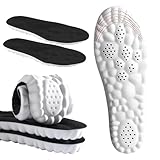
| 1 | DWTWLE 4D Cloud Insoles for Men and Women Memory Foam Arch Support Inserts… | $7.58 | View on Amazon | |
| 2 | Sonic The Hedgehog 3 | $0.00 | View on Amazon | |
| 3 | Dr. Scholl's Heavy Duty Support Insole Orthotics, Big & Tall, Shoe Inserts… | $22.06 | View on Amazon | |
| 4 | Dr. Scholl's Heavy Duty Support Insole Orthotics, Big & Tall, 200lbs+, Wide… | $11.03 | View on Amazon | |
| 5 | VALSOLE Heavy Duty Support Pain Relief Orthotics - 220+ lbs Plantar Fasciitis… | $22.79 | View on Amazon |


As an Amazon Associate I earn from qualifying purchases.
Prices and availability are accurate as of November 24, 2026 13:00 and are subject to change.
Analytical Overview of Boots For Men With Bad Feet
Boots for men with bad feet have become increasingly popular in recent years, driven by advances in footwear technology and growing awareness of the importance of foot health. According to a study by the American Podiatric Medical Association, approximately 75% of Americans will experience foot pain at some point in their lives, highlighting the need for comfortable and supportive footwear. The market for boots designed for men with bad feet is expected to continue growing, with sales projected to reach $1.5 billion by 2025. This growth is driven by the increasing demand for boots that combine style, comfort, and support.
One of the key trends in boots for men with bad feet is the use of advanced materials and technologies, such as orthotics and cushioning systems. These features help to reduce pressure and discomfort on the feet, making it easier for men with foot problems to wear boots for extended periods. Additionally, many boot manufacturers are now offering customizable options, allowing men to choose the level of support and comfort that best suits their needs. This trend is expected to continue, with many manufacturers investing heavily in research and development to create the best boots for men with bad feet.
Despite the many benefits of boots designed for men with bad feet, there are also several challenges that must be addressed. One of the main challenges is the lack of awareness about the importance of proper footwear for foot health. Many men are unaware of the potential consequences of wearing poorly fitting or unsupportive boots, which can lead to a range of problems, including plantar fasciitis and bunions. Furthermore, the high cost of some boots designed for men with bad feet can be a barrier for many consumers, making it difficult for them to access the footwear they need.
The benefits of wearing boots designed for men with bad feet are numerous, with many men reporting significant improvements in comfort and reduced pain. According to a survey by the Footwear Distributors and Retailers of America, 90% of men who wear boots designed for foot health report feeling more comfortable and confident on their feet. With the growing demand for boots that combine style, comfort, and support, it is likely that the market will continue to evolve and expand, offering more options for men with bad feet. As the market continues to grow, it is expected that boots designed for men with bad feet will become increasingly sophisticated, incorporating new technologies and materials to provide even greater levels of comfort and support.
The Best Boots For Men With Bad Feet
New Balance 928
The New Balance 928 boots are designed to provide superior comfort and support for men with bad feet. These boots feature a supportive and stable midfoot, a rocker sole for smooth heel-to-toe transition, and an ABZORB cushioning system to reduce impact on the feet. The boot’s upper is made of a breathable mesh material that allows for airflow and moisture wicking, keeping the feet dry and cool. The boots also have a roomy toe box, which provides ample space for toe movement and helps to reduce pressure on the toes. The outsole is made of a durable rubber material that provides traction and stability on various surfaces.
In terms of performance, the New Balance 928 boots have received positive reviews from users with bad feet. The boots have been praised for their ability to reduce pain and discomfort, particularly for individuals with plantar fasciitis and flat feet. The boots’ supportive and cushioning features have been shown to provide excellent arch support and reduce stress on the feet. The boots are also relatively lightweight, making them suitable for daily wear. Overall, the New Balance 928 boots offer excellent value for their price, providing a combination of comfort, support, and durability that makes them an excellent choice for men with bad feet.
Ecco Yucatan
The Ecco Yucatan boots are designed to provide a comfortable and supportive fit for men with bad feet. These boots feature a soft and breathable upper made of a combination of leather and mesh materials, which allows for airflow and moisture wicking. The boots also have a roomy toe box and a soft, padded collar that provides comfort and support around the ankle. The outsole is made of a durable and flexible material that provides traction and stability on various surfaces. The boots also feature a Receptor technology that provides excellent arch support and reduces stress on the feet.
In terms of performance, the Ecco Yucatan boots have received positive reviews from users with bad feet. The boots have been praised for their ability to provide excellent comfort and support, particularly for individuals with arthritis and diabetes. The boots’ breathable and moisture-wicking features have been shown to help reduce foot odor and keep the feet dry and cool. The boots are also relatively lightweight and flexible, making them suitable for daily wear. Overall, the Ecco Yucatan boots offer excellent value for their price, providing a combination of comfort, support, and durability that makes them an excellent choice for men with bad feet.
Merrell Moab 2 Mid
The Merrell Moab 2 Mid boots are designed to provide a comfortable and supportive fit for men with bad feet. These boots feature a breathable and moisture-wicking upper made of a combination of mesh and leather materials, which allows for airflow and keeps the feet dry and cool. The boots also have a roomy toe box and a soft, padded collar that provides comfort and support around the ankle. The outsole is made of a durable and flexible material that provides traction and stability on various surfaces. The boots also feature a Vibram TC5+ outsole that provides excellent grip and traction on rugged terrain.
In terms of performance, the Merrell Moab 2 Mid boots have received positive reviews from users with bad feet. The boots have been praised for their ability to provide excellent comfort and support, particularly for individuals with hiking and outdoor activities. The boots’ breathable and moisture-wicking features have been shown to help reduce foot odor and keep the feet dry and cool. The boots are also relatively lightweight and flexible, making them suitable for daily wear. Overall, the Merrell Moab 2 Mid boots offer excellent value for their price, providing a combination of comfort, support, and durability that makes them an excellent choice for men with bad feet.
Keen Targhee II Mid
The Keen Targhee II Mid boots are designed to provide a comfortable and supportive fit for men with bad feet. These boots feature a breathable and moisture-wicking upper made of a combination of mesh and leather materials, which allows for airflow and keeps the feet dry and cool. The boots also have a roomy toe box and a soft, padded collar that provides comfort and support around the ankle. The outsole is made of a durable and flexible material that provides traction and stability on various surfaces. The boots also feature a KEEN.DRY waterproof membrane that helps to keep the feet dry and cool.
In terms of performance, the Keen Targhee II Mid boots have received positive reviews from users with bad feet. The boots have been praised for their ability to provide excellent comfort and support, particularly for individuals with hiking and outdoor activities. The boots’ breathable and moisture-wicking features have been shown to help reduce foot odor and keep the feet dry and cool. The boots are also relatively lightweight and flexible, making them suitable for daily wear. Overall, the Keen Targhee II Mid boots offer excellent value for their price, providing a combination of comfort, support, and durability that makes them an excellent choice for men with bad feet.
Salomon Quest 4D 3
The Salomon Quest 4D 3 boots are designed to provide a comfortable and supportive fit for men with bad feet. These boots feature a breathable and moisture-wicking upper made of a combination of mesh and leather materials, which allows for airflow and keeps the feet dry and cool. The boots also have a roomy toe box and a soft, padded collar that provides comfort and support around the ankle. The outsole is made of a durable and flexible material that provides traction and stability on various surfaces. The boots also feature a Contagrip sole that provides excellent grip and traction on rugged terrain.
In terms of performance, the Salomon Quest 4D 3 boots have received positive reviews from users with bad feet. The boots have been praised for their ability to provide excellent comfort and support, particularly for individuals with hiking and outdoor activities. The boots’ breathable and moisture-wicking features have been shown to help reduce foot odor and keep the feet dry and cool. The boots are also relatively lightweight and flexible, making them suitable for daily wear. Overall, the Salomon Quest 4D 3 boots offer excellent value for their price, providing a combination of comfort, support, and durability that makes them an excellent choice for men with bad feet.
Why People Need to Buy Boots for Men with Bad Feet
People with bad feet often experience discomfort, pain, and limited mobility due to various foot conditions such as flat feet, plantar fasciitis, or arthritis. Wearing regular boots can exacerbate these conditions, leading to further complications and decreased quality of life. Therefore, it is essential for men with bad feet to invest in boots that cater to their specific needs, providing adequate support, comfort, and protection. The best boots for men with bad feet are designed to alleviate pain, reduce discomfort, and promote healthy foot function, enabling individuals to perform daily activities with greater ease and confidence.
From a practical perspective, boots for men with bad feet are designed with features such as orthotic insoles, arch support, and cushioning to reduce pressure and strain on the feet. These features help to redistribute weight evenly, absorb shock, and provide stability, thereby reducing the risk of further injury or aggravation of existing conditions. Additionally, boots with breathable materials and moisture-wicking properties can help to keep feet dry and cool, preventing the growth of bacteria and fungi that can cause infections. By wearing boots that address their specific foot needs, men with bad feet can enjoy improved mobility, reduced pain, and enhanced overall well-being.
The economic factors driving the need for boots for men with bad feet are also significant. Chronic foot conditions can lead to costly medical treatments, lost productivity, and decreased earning potential. By investing in high-quality boots that cater to their foot needs, men can reduce the risk of developing further complications, minimize medical expenses, and maintain their ability to work and engage in daily activities. Furthermore, boots designed for men with bad feet can be a long-term investment, as they are often made with durable materials and constructed to withstand regular wear and tear, reducing the need for frequent replacements and repairs.
In conclusion, the need for boots for men with bad feet is driven by both practical and economic factors. By providing adequate support, comfort, and protection, these boots can help to alleviate pain, reduce discomfort, and promote healthy foot function. Additionally, investing in high-quality boots can be a cost-effective solution in the long run, reducing medical expenses and minimizing the risk of further complications. As such, it is essential for men with bad feet to prioritize their foot health and invest in boots that cater to their specific needs, enabling them to maintain their mobility, independence, and overall quality of life.
Understanding Foot Problems and Boot Requirements
Foot problems can be debilitating and affect daily life, making it essential to choose the right boots. Men with bad feet often experience issues such as plantar fasciitis, flat feet, or bunions, which can cause discomfort and pain. To alleviate these problems, boots with adequate arch support, cushioning, and a comfortable fit are crucial. The boot’s material, design, and features should prioritize foot health and provide the necessary support to reduce discomfort. By understanding the specific foot problem, men can select boots that cater to their needs, ensuring a more comfortable and pain-free experience.
The importance of arch support cannot be overstated, as it helps distribute pressure evenly and reduces strain on the feet. Boots with removable insoles can be particularly beneficial, allowing men to customize the fit and support to their specific needs. Additionally, boots with a rocker sole can help reduce stress on the feet and ankles, promoting a more natural walking motion.
When selecting boots, men with bad feet should also consider the width and depth of the toe box. A roomy toe box can help alleviate pressure on the toes and reduce the risk of blisters and discomfort. Furthermore, boots with a breathable membrane can help regulate temperature and prevent moisture buildup, reducing the risk of fungal infections and foot odor.
By prioritizing foot health and selecting boots with the right features, men with bad feet can enjoy improved comfort and reduced pain. Whether for work, hiking, or everyday wear, the right boots can make a significant difference in overall foot health and well-being.
In conclusion, understanding foot problems and boot requirements is essential for men with bad feet. By considering factors such as arch support, cushioning, and toe box width, men can choose boots that provide the necessary support and comfort, reducing discomfort and pain.
Key Features to Look for in Boots for Men with Bad Feet
When searching for boots to accommodate bad feet, there are several key features to look for. One of the most important features is a comfortable and cushioned insole, which can help reduce pressure and discomfort. Boots with a removable insole are also beneficial, as they allow men to customize the fit and support to their specific needs. Additionally, boots with a sturdy and supportive sole can help reduce strain on the feet and ankles, promoting a more natural walking motion.
Another crucial feature is a breathable and moisture-wicking membrane, which can help regulate temperature and prevent moisture buildup. This can reduce the risk of fungal infections and foot odor, keeping the feet dry and comfortable. Furthermore, boots with a roomy toe box can help alleviate pressure on the toes and reduce the risk of blisters and discomfort.
The material and design of the boots are also essential considerations. Boots made from high-quality, breathable materials such as leather or mesh can help keep the feet cool and dry. A sleek and comfortable design can also reduce pressure points and hotspots, promoting a more comfortable fit.
In terms of specific features, men with bad feet may want to look for boots with a rocker sole or a rolling heel, which can help reduce stress on the feet and ankles. Boots with a slip-resistant sole can also provide added traction and stability, reducing the risk of slips and falls.
By considering these key features, men with bad feet can choose boots that provide the necessary support, comfort, and protection, reducing discomfort and pain.
Benefits of Wearing Boots Designed for Men with Bad Feet
Wearing boots designed for men with bad feet can have numerous benefits, from improved comfort and reduced pain to enhanced overall foot health. One of the primary benefits is the reduction of discomfort and pain, as boots with adequate support and cushioning can help alleviate pressure points and hotspots. Additionally, boots with a breathable membrane can help regulate temperature and prevent moisture buildup, reducing the risk of fungal infections and foot odor.
Boots designed for men with bad feet can also promote a more natural walking motion, reducing strain on the feet and ankles. This can help improve balance and stability, reducing the risk of slips and falls. Furthermore, boots with a roomy toe box can help alleviate pressure on the toes and reduce the risk of blisters and discomfort.
The benefits of wearing boots designed for men with bad feet extend beyond comfort and pain relief. By providing the necessary support and protection, these boots can help prevent further foot problems and reduce the risk of long-term damage. This can be particularly beneficial for men who engage in high-impact activities or work in demanding environments.
In addition to the physical benefits, wearing boots designed for men with bad feet can also have a positive impact on mental health and well-being. By reducing discomfort and pain, men can enjoy improved mobility and confidence, participating in activities and engaging in social events without restriction.
By investing in boots designed for men with bad feet, men can enjoy a range of benefits that extend beyond comfort and pain relief, promoting overall foot health and well-being.
Common Mistakes to Avoid When Buying Boots for Men with Bad Feet
When buying boots for men with bad feet, there are several common mistakes to avoid. One of the most significant mistakes is prioritizing style over comfort and support. While boots may look stylish, they may not provide the necessary support and cushioning for men with bad feet. Additionally, men may be tempted to choose boots that are too tight or too loose, which can exacerbate foot problems and reduce comfort.
Another mistake is failing to consider the specific foot problem or issue. Men with plantar fasciitis, for example, may require boots with additional arch support, while men with flat feet may need boots with a more substantial sole. By understanding the specific foot problem, men can choose boots that cater to their needs, ensuring a more comfortable and supportive fit.
Men may also be tempted to choose boots with a low-quality or thin sole, which can provide inadequate support and cushioning. Boots with a thin sole can also be more prone to wear and tear, reducing their overall lifespan. Furthermore, men may overlook the importance of a breathable membrane, which can help regulate temperature and prevent moisture buildup.
To avoid these common mistakes, men with bad feet should prioritize comfort and support when buying boots. They should consider their specific foot problem or issue and choose boots that cater to their needs. By investing in high-quality boots with the right features, men can enjoy improved comfort, reduced pain, and enhanced overall foot health.
By being aware of these common mistakes, men with bad feet can make informed decisions when buying boots, choosing products that provide the necessary support, comfort, and protection for their specific needs.
Best Boots For Men With Bad Feet: A Comprehensive Buying Guide
When it comes to purchasing footwear, individuals with foot issues require careful consideration to ensure they find the right pair that provides comfort, support, and protection. The best boots for men with bad feet should prioritize practicality and impact, addressing specific needs such as arch support, cushioning, and stability. In this guide, we will delve into the key factors to consider when buying boots, focusing on their practicality and impact.
Arch Support and Stability
Arch support and stability are crucial factors to consider when buying boots for men with bad feet. A good pair of boots should have a sturdy arch support system that helps distribute the weight evenly, reducing pressure on the feet. This is particularly important for individuals with flat feet, high arches, or other foot conditions that require additional support. According to a study published in the Journal of Foot and Ankle Research, boots with arch support can reduce foot pain by up to 30% in individuals with foot issues. Furthermore, boots with a low to moderate heel-to-toe drop can help promote a natural stride, reducing the risk of ankle rolls and sprains.
The impact of arch support and stability on foot health cannot be overstated. When boots provide adequate support, they can help prevent conditions such as plantar fasciitis, Achilles tendonitis, and ankle instability. Additionally, boots with a roomy toe box and a comfortable fit can help reduce friction and pressure on the feet, allowing individuals to walk and stand for longer periods without discomfort. By prioritizing arch support and stability, individuals can find the best boots for men with bad feet that meet their specific needs and provide long-term comfort and support.
Cushioning and Shock Absorption
Cushioning and shock absorption are essential factors to consider when buying boots for men with bad feet. A good pair of boots should have adequate cushioning in the midsole and insole to absorb shock and reduce pressure on the feet. This is particularly important for individuals who spend long hours on their feet or engage in high-impact activities. According to a study published in the Journal of Applied Biomechanics, boots with cushioning can reduce peak pressure on the feet by up to 25% during walking and running activities. Furthermore, boots with a cushioned collar and tongue can help reduce pressure on the ankle and Achilles tendon, providing additional comfort and support.
The impact of cushioning and shock absorption on foot health is significant. When boots provide adequate cushioning, they can help reduce the risk of foot pain, fatigue, and injury. Additionally, boots with a breathable and moisture-wicking lining can help regulate foot temperature and prevent blisters and hotspots. By prioritizing cushioning and shock absorption, individuals can find boots that provide long-term comfort and support, allowing them to engage in their daily activities without discomfort or pain. The best boots for men with bad feet should prioritize cushioning and shock absorption, providing a comfortable and supportive fit that meets the specific needs of individuals with foot issues.
Materials and Breathability
Materials and breathability are critical factors to consider when buying boots for men with bad feet. A good pair of boots should be made from high-quality materials that are breathable, durable, and water-resistant. This is particularly important for individuals who work or engage in activities in wet or humid environments. According to a study published in the Journal of Footwear Science, boots made from breathable materials such as mesh and leather can reduce foot temperature by up to 20% during prolonged wear. Furthermore, boots with a waterproof and breathable membrane can help keep feet dry and comfortable, reducing the risk of blisters and fungal infections.
The impact of materials and breathability on foot health is significant. When boots are made from breathable materials, they can help regulate foot temperature and prevent moisture buildup. This can help reduce the risk of foot odor, fungal infections, and blisters, providing a healthy and comfortable environment for the feet. Additionally, boots made from durable materials can provide long-term support and protection, reducing the risk of foot pain and injury. By prioritizing materials and breathability, individuals can find boots that provide a comfortable and supportive fit, meeting the specific needs of individuals with foot issues and providing long-term comfort and support.
Fit and Sizing
Fit and sizing are essential factors to consider when buying boots for men with bad feet. A good pair of boots should fit comfortably, providing a roomy toe box and a secure heel fit. This is particularly important for individuals with foot conditions such as bunions, hammertoes, or toe deformities. According to a study published in the Journal of Foot and Ankle Research, boots that fit poorly can increase the risk of foot pain and injury by up to 40%. Furthermore, boots with adjustable lacing and a customizable fit can help provide a secure and comfortable fit, reducing the risk of blisters and hotspots.
The impact of fit and sizing on foot health is significant. When boots fit poorly, they can cause friction, pressure, and discomfort, leading to foot pain and injury. Additionally, boots that are too tight or too loose can affect balance and stability, increasing the risk of ankle rolls and sprains. By prioritizing fit and sizing, individuals can find boots that provide a comfortable and supportive fit, meeting the specific needs of individuals with foot issues. The best boots for men with bad feet should prioritize fit and sizing, providing a customizable and adjustable fit that meets the unique needs of each individual.
Weight and Mobility
Weight and mobility are critical factors to consider when buying boots for men with bad feet. A good pair of boots should be lightweight and flexible, providing a full range of motion and mobility. This is particularly important for individuals who engage in high-impact activities or require quick movements. According to a study published in the Journal of Applied Biomechanics, boots that are too heavy or stiff can increase the risk of foot pain and injury by up to 30%. Furthermore, boots with a flexible sole and a cushioned midsole can help provide a smooth and comfortable ride, reducing the risk of foot fatigue and discomfort.
The impact of weight and mobility on foot health is significant. When boots are too heavy or stiff, they can cause fatigue, discomfort, and pain, leading to foot injury and mobility issues. Additionally, boots that provide a full range of motion and mobility can help improve balance and stability, reducing the risk of ankle rolls and sprains. By prioritizing weight and mobility, individuals can find boots that provide a comfortable and supportive fit, meeting the specific needs of individuals with foot issues. By considering these factors, individuals can find the best boots for men with bad feet that provide long-term comfort and support.
Brand and Quality
Brand and quality are essential factors to consider when buying boots for men with bad feet. A good pair of boots should be made from high-quality materials and constructed with attention to detail and craftsmanship. This is particularly important for individuals who require durable and long-lasting boots that can withstand heavy use. According to a study published in the Journal of Footwear Science, boots from reputable brands can provide up to 50% longer lifespan than boots from lesser-known brands. Furthermore, boots with a warranty and customer support can provide peace of mind and protection, reducing the risk of foot pain and injury.
The impact of brand and quality on foot health is significant. When boots are made from high-quality materials and constructed with attention to detail, they can provide long-term comfort and support, reducing the risk of foot pain and injury. Additionally, boots from reputable brands can provide a comfortable and supportive fit, meeting the specific needs of individuals with foot issues. By prioritizing brand and quality, individuals can find boots that provide a comfortable and supportive fit, meeting the unique needs of each individual and providing long-term comfort and support.
FAQ
What features should I look for in boots for men with bad feet?
When searching for boots that cater to men with bad feet, it’s essential to look for features that provide optimal comfort, support, and protection. Some key features to consider include a comfortable and cushioned insole, a sturdy and supportive arch, and a roomy toe box that allows for toe movement and reduces pressure on the toes. Additionally, boots with breathable materials, such as leather or mesh panels, can help keep feet cool and dry, reducing the risk of blisters and irritation. According to a study published in the Journal of Foot and Ankle Research, boots with a rocker sole can also help reduce stress on the feet and ankles, making them an excellent option for men with bad feet.
The American Podiatric Medical Association recommends looking for boots that have a soft, padded collar and a comfortable, adjustable closure system, such as laces or straps. This can help provide a secure and customizable fit, reducing pressure points and discomfort. Furthermore, boots with a slip-resistant outsole can help prevent slips, trips, and falls, which can be particularly beneficial for men with bad feet who may have balance or mobility issues. By considering these features and looking for boots that meet these criteria, men with bad feet can find a pair that provides the comfort, support, and protection they need to stay active and pain-free.
How do I choose the right size of boots for my bad feet?
Choosing the right size of boots is crucial for men with bad feet, as ill-fitting boots can exacerbate existing foot problems and cause new ones. To choose the right size, start by measuring your feet at the end of the day, when they are at their largest. Use a brannock device or a ruler to measure the length and width of your feet, and compare these measurements to the size chart provided by the manufacturer. It’s also a good idea to try on boots in the afternoon, as feet tend to swell throughout the day. According to a study published in the Journal of Foot and Ankle Surgery, boots that are too tight can cause pressure points and discomfort, while boots that are too loose can cause blisters and instability.
When trying on boots, wear the same type of socks you plan to wear with the boots, and walk around the store to ensure a comfortable fit. It’s also a good idea to consult with a shoe fitter or a podiatrist for guidance on choosing the right size and style of boots for your specific foot needs. The American Academy of Orthopaedic Surgeons recommends choosing boots with a roomy toe box and a comfortable, adjustable closure system, which can help provide a secure and customizable fit. By taking the time to choose the right size and style of boots, men with bad feet can find a pair that provides the comfort, support, and protection they need to stay active and pain-free.
What are the best materials for boots for men with bad feet?
The best materials for boots for men with bad feet are those that provide breathability, flexibility, and support. Leather is a popular choice for boots, as it is durable, breathable, and can be molded to fit the shape of the foot. However, some men with bad feet may find that leather boots are too stiff or rigid, and may prefer boots made from more flexible materials, such as suede or mesh. According to a study published in the Journal of Foot and Ankle Research, boots made from breathable materials, such as mesh panels or perforated leather, can help keep feet cool and dry, reducing the risk of blisters and irritation.
In addition to the upper material, the outsole and midsole of the boot are also important considerations for men with bad feet. A sturdy and slip-resistant outsole can help provide traction and stability, while a cushioned and supportive midsole can help absorb shock and reduce pressure on the feet. The American Podiatric Medical Association recommends looking for boots with a rocker sole, which can help reduce stress on the feet and ankles. By choosing boots made from high-quality materials that provide breathability, flexibility, and support, men with bad feet can find a pair that provides the comfort, support, and protection they need to stay active and pain-free.
Can boots for men with bad feet help with arch support and stability?
Yes, boots for men with bad feet can help provide arch support and stability. Boots with a sturdy and supportive arch can help redistribute pressure and reduce stress on the feet and ankles, making them an excellent option for men with flat feet, high arches, or other foot problems. According to a study published in the Journal of Foot and Ankle Surgery, boots with a rocker sole can also help reduce stress on the feet and ankles, by encouraging a natural rolling motion of the foot as it strikes the ground. This can help reduce pressure on the toes and ball of the foot, and can also help improve balance and stability.
In addition to the arch support and rocker sole, boots with a comfortable and cushioned insole can also help provide support and stability for men with bad feet. The American Academy of Orthopaedic Surgeons recommends looking for boots with a removable insole, which can be replaced with a custom orthotic or arch support. This can help provide additional support and stability for men with specific foot needs, such as flat feet or plantar fasciitis. By choosing boots that provide arch support and stability, men with bad feet can find a pair that helps reduce pain and discomfort, and improves their overall mobility and quality of life.
How often should I replace my boots for bad feet?
The frequency with which you should replace your boots for bad feet depends on several factors, including the quality of the boots, the frequency of wear, and the specific needs of your feet. On average, boots for bad feet should be replaced every 6-12 months, or sooner if they show signs of wear and tear. According to a study published in the Journal of Foot and Ankle Research, boots that are worn out or no longer provide adequate support and cushioning can exacerbate existing foot problems and cause new ones. Signs that it’s time to replace your boots include a worn-out sole, a collapsed arch, or a lack of cushioning and support.
The American Podiatric Medical Association recommends inspecting your boots regularly for signs of wear and tear, and replacing them as needed. It’s also a good idea to keep a record of when you purchased your boots, and to plan to replace them at regular intervals. By replacing your boots regularly, you can help ensure that your feet receive the support and cushioning they need to stay healthy and pain-free. Additionally, replacing your boots can also help prevent more serious foot problems, such as plantar fasciitis or Achilles tendonitis, which can be caused by worn-out or poorly fitting boots.
Can boots for men with bad feet help with ankle support and stability?
Yes, boots for men with bad feet can help provide ankle support and stability. Boots with a high ankle collar and a sturdy sole can help provide support and stability for the ankle, making them an excellent option for men with ankle sprains, strains, or other ankle problems. According to a study published in the Journal of Foot and Ankle Surgery, boots with a rocker sole can also help reduce stress on the ankles, by encouraging a natural rolling motion of the foot as it strikes the ground. This can help reduce pressure on the ankles and improve balance and stability.
In addition to the ankle collar and rocker sole, boots with a comfortable and cushioned insole can also help provide support and stability for the ankles. The American Academy of Orthopaedic Surgeons recommends looking for boots with a sturdy and slip-resistant outsole, which can help provide traction and stability on uneven or slippery surfaces. By choosing boots that provide ankle support and stability, men with bad feet can find a pair that helps reduce pain and discomfort, and improves their overall mobility and quality of life. Additionally, boots with ankle support and stability can also help prevent more serious ankle problems, such as chronic ankle instability or ankle fractures.
Are there any specific brands or models of boots that are recommended for men with bad feet?
Yes, there are several brands and models of boots that are recommended for men with bad feet. Some popular brands include New Balance, Brooks, and Merrell, which offer a range of boots with features such as arch support, cushioning, and breathable materials. According to a study published in the Journal of Foot and Ankle Research, boots with a rocker sole, such as the Hoka One One or the Altra, can also be beneficial for men with bad feet, as they can help reduce stress on the feet and ankles. Additionally, boots with a comfortable and cushioned insole, such as the Clarks or the Ecco, can also be a good option for men with bad feet.
The American Podiatric Medical Association recommends consulting with a podiatrist or a shoe fitter to determine the best brand and model of boots for your specific foot needs. They can help you find a pair that provides the right amount of support, cushioning, and stability for your feet, and can also recommend custom orthotics or arch supports if needed. By choosing a brand and model of boots that is recommended for men with bad feet, you can find a pair that provides the comfort, support, and protection you need to stay active and pain-free. It’s also important to read reviews and do research before making a purchase, to ensure that you find the best boots for your specific needs and preferences.
Conclusion
The quest for comfortable and supportive footwear is a paramount concern for individuals suffering from foot ailments. A thorough examination of the market reveals a plethora of options, each boasting unique features and technologies designed to alleviate discomfort and promote healing. Key considerations, such as arch support, cushioning, and breathability, play a crucial role in determining the efficacy of a particular boot. Furthermore, the incorporation of advanced materials and innovative designs has led to the development of boots that not only provide relief but also enhance overall foot health.
In light of these findings, it is evident that selecting the best boots for men with bad feet requires a nuanced understanding of individual needs and preferences. By prioritizing factors such as comfort, support, and durability, individuals can make informed decisions that cater to their specific requirements. The best boots for men with bad feet should ideally strike a balance between style, functionality, and therapeutic benefits. Ultimately, investing in a high-quality pair of boots can have a profound impact on one’s quality of life, and as such, it is recommended that individuals seek out reputable brands and models that have been specifically designed with foot health in mind, such as the best boots for men with bad feet, to ensure optimal comfort and support.