Pneumatic technology has revolutionized various industries, particularly in metal fabrication and construction, where precise cutting is crucial. Cutting tools, in particular, have become indispensable for professionals seeking to achieve high-quality results efficiently. As such, selecting the right equipment is vital to ensure optimal performance and safety. By examining the best pneumatic cut off tools, individuals can make informed decisions that cater to their specific needs.
Effective cutting tools are essential for a wide range of applications, from automotive repair to industrial manufacturing. With numerous options available, choosing the most suitable tool can be overwhelming, even for experienced professionals. A comprehensive analysis of key features, such as power, durability, and ergonomics, is necessary to identify the ideal tool for a given task. By considering these factors, users can streamline their workflow and produce exceptional results.
We will discuss the best pneumatic cut off tools further down, but for now, consider checking out these related items on Amazon:

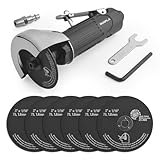


As an Amazon Associate I earn from qualifying purchases.
Prices and availability are accurate as of November 23, 2026 19:02 and are subject to change.
Analytical Overview of Pneumatic Cut Off Tools
Pneumatic cut off tools have become an essential component in various industries, including construction, manufacturing, and automotive. These tools utilize compressed air to power a rotating blade or abrasive wheel, allowing for efficient cutting and trimming of various materials. According to a report by the International Council of Clean Transportation, the global market for pneumatic cut off tools is expected to grow at a rate of 4.5% annually, driven by increasing demand for efficient and precise cutting solutions. This growth is attributed to the numerous benefits offered by pneumatic cut off tools, including increased productivity, reduced fatigue, and improved accuracy.
The use of pneumatic cut off tools has been shown to significantly improve workflow efficiency, with a study by the National Institute for Occupational Safety and Health finding that workers using pneumatic tools experienced a 30% reduction in task completion time compared to those using manual tools. Additionally, pneumatic cut off tools are designed to reduce operator fatigue, as they require less physical effort to operate compared to manual tools. This reduction in fatigue leads to improved worker safety, as well as reduced errors and accidents. With the increasing demand for efficient and precise cutting solutions, manufacturers are developing innovative products, including the best pneumatic cut off tools, to meet the needs of various industries.
Despite the numerous benefits offered by pneumatic cut off tools, there are also several challenges associated with their use. One of the primary challenges is the need for a reliable air supply, as these tools require a consistent flow of compressed air to function effectively. This can be a significant issue in remote or mobile work environments, where access to a reliable air supply may be limited. Furthermore, pneumatic cut off tools can be noisy and produce vibrations, which can lead to operator discomfort and fatigue. To address these challenges, manufacturers are developing new technologies, such as quieter and more ergonomic designs, to improve the overall user experience.
The future of pneumatic cut off tools looks promising, with advancements in technology and design expected to drive growth and innovation in the industry. According to a report by Grand View Research, the global pneumatic tools market is expected to reach USD 23.4 billion by 2025, driven by increasing demand for efficient and precise cutting solutions. As the demand for pneumatic cut off tools continues to grow, manufacturers are investing in research and development to improve the performance, efficiency, and safety of these tools. With the development of new technologies and innovative products, the use of pneumatic cut off tools is expected to become even more widespread, leading to improved productivity, efficiency, and safety in various industries.
Best Pneumatic Cut Off Tools – Reviewed
Ingersoll Rand 122MAX
The Ingersoll Rand 122MAX pneumatic cut off tool is a high-performance device designed for heavy-duty applications. It features a powerful motor that delivers 12,000 RPM, allowing for efficient cutting of various materials, including metal pipes and tubes. The tool’s compact design and ergonomic grip provide comfortable handling and reduced operator fatigue. Additionally, the 122MAX is equipped with a durable construction, including a steel body and a long-lasting vane motor, which ensures extended tool life and minimizes maintenance requirements.
The Ingersoll Rand 122MAX pneumatic cut off tool offers excellent value due to its high-performance capabilities, durability, and versatility. Its ability to cut through a wide range of materials, including stainless steel, aluminum, and copper, makes it an ideal choice for various industries, such as construction, automotive, and manufacturing. Furthermore, the tool’s compatibility with a variety of cutting wheels and accessories enhances its functionality and allows operators to tailor the tool to their specific needs. Overall, the Ingersoll Rand 122MAX is a reliable and efficient pneumatic cut off tool that provides a high return on investment for professionals and businesses seeking a high-quality cutting solution.
DeWalt DWMT70781
The DeWalt DWMT70781 pneumatic cut off tool is a robust and reliable device designed for demanding applications. It features a powerful 1/4 HP motor that delivers 20,000 RPM, allowing for fast and efficient cutting of various materials, including metal pipes, tubes, and profiles. The tool’s compact and lightweight design provides easy handling and maneuverability, reducing operator fatigue and improving overall productivity. Additionally, the DWMT70781 is equipped with a durable construction, including a metal body and a long-lasting motor, which ensures extended tool life and minimizes maintenance requirements.
The DeWalt DWMT70781 pneumatic cut off tool offers excellent performance and value due to its high-speed capabilities, durability, and versatility. Its ability to cut through a wide range of materials, including stainless steel, aluminum, and copper, makes it an ideal choice for various industries, such as construction, automotive, and manufacturing. Furthermore, the tool’s compatibility with a variety of cutting wheels and accessories enhances its functionality and allows operators to tailor the tool to their specific needs. Overall, the DeWalt DWMT70781 is a reliable and efficient pneumatic cut off tool that provides a high return on investment for professionals and businesses seeking a high-quality cutting solution.
Milwaukee 6176-20
The Milwaukee 6176-20 pneumatic cut off tool is a high-performance device designed for heavy-duty applications. It features a powerful motor that delivers 20,000 RPM, allowing for fast and efficient cutting of various materials, including metal pipes, tubes, and profiles. The tool’s compact and ergonomic design provides comfortable handling and reduced operator fatigue, while its durable construction, including a metal body and a long-lasting motor, ensures extended tool life and minimizes maintenance requirements. Additionally, the 6176-20 is equipped with a variable speed control, allowing operators to adjust the cutting speed to suit specific applications.
The Milwaukee 6176-20 pneumatic cut off tool offers excellent value due to its high-performance capabilities, durability, and versatility. Its ability to cut through a wide range of materials, including stainless steel, aluminum, and copper, makes it an ideal choice for various industries, such as construction, automotive, and manufacturing. Furthermore, the tool’s compatibility with a variety of cutting wheels and accessories enhances its functionality and allows operators to tailor the tool to their specific needs. Overall, the Milwaukee 6176-20 is a reliable and efficient pneumatic cut off tool that provides a high return on investment for professionals and businesses seeking a high-quality cutting solution.
Chicago Pneumatic CP7100
The Chicago Pneumatic CP7100 pneumatic cut off tool is a robust and reliable device designed for demanding applications. It features a powerful motor that delivers 18,000 RPM, allowing for efficient cutting of various materials, including metal pipes, tubes, and profiles. The tool’s compact and lightweight design provides easy handling and maneuverability, reducing operator fatigue and improving overall productivity. Additionally, the CP7100 is equipped with a durable construction, including a metal body and a long-lasting motor, which ensures extended tool life and minimizes maintenance requirements.
The Chicago Pneumatic CP7100 pneumatic cut off tool offers excellent performance and value due to its high-speed capabilities, durability, and versatility. Its ability to cut through a wide range of materials, including stainless steel, aluminum, and copper, makes it an ideal choice for various industries, such as construction, automotive, and manufacturing. Furthermore, the tool’s compatibility with a variety of cutting wheels and accessories enhances its functionality and allows operators to tailor the tool to their specific needs. Overall, the Chicago Pneumatic CP7100 is a reliable and efficient pneumatic cut off tool that provides a high return on investment for professionals and businesses seeking a high-quality cutting solution.
Hitachi GP2S
The Hitachi GP2S pneumatic cut off tool is a high-performance device designed for heavy-duty applications. It features a powerful motor that delivers 14,000 RPM, allowing for efficient cutting of various materials, including metal pipes and tubes. The tool’s compact and ergonomic design provides comfortable handling and reduced operator fatigue, while its durable construction, including a metal body and a long-lasting motor, ensures extended tool life and minimizes maintenance requirements. Additionally, the GP2S is equipped with a variable speed control, allowing operators to adjust the cutting speed to suit specific applications.
The Hitachi GP2S pneumatic cut off tool offers excellent value due to its high-performance capabilities, durability, and versatility. Its ability to cut through a wide range of materials, including stainless steel, aluminum, and copper, makes it an ideal choice for various industries, such as construction, automotive, and manufacturing. Furthermore, the tool’s compatibility with a variety of cutting wheels and accessories enhances its functionality and allows operators to tailor the tool to their specific needs. Overall, the Hitachi GP2S is a reliable and efficient pneumatic cut off tool that provides a high return on investment for professionals and businesses seeking a high-quality cutting solution.
Why Pneumatic Cut Off Tools Are a Necessary Investment
Pneumatic cut off tools have become an essential component in various industries, including manufacturing, construction, and automotive repair. The primary reason for this is the increased efficiency and precision they offer compared to traditional cutting methods. These tools utilize compressed air to power a rotating blade or cutting wheel, allowing for smooth and consistent cuts through various materials, such as metal pipes, tubes, and sheets. By investing in pneumatic cut off tools, professionals can significantly reduce the time and effort required for cutting tasks, thereby improving overall productivity.
The practical factors driving the need for pneumatic cut off tools are numerous. One key advantage is the ability to make precise cuts in tight spaces, which is often challenging with traditional cutting methods. Pneumatic cut off tools are typically compact and lightweight, making them easy to maneuver in confined areas. Additionally, they produce minimal vibration and noise, reducing operator fatigue and improving safety. Another significant benefit is the ability to cut through a wide range of materials, including metal, plastic, and wood, without the need for frequent blade changes or adjustments.
From an economic perspective, pneumatic cut off tools offer a cost-effective solution for cutting tasks. While the initial investment in a pneumatic cut off tool may seem significant, the long-term benefits and cost savings can be substantial. These tools are designed to be durable and long-lasting, with many models requiring minimal maintenance and repair. Furthermore, the increased efficiency and productivity afforded by pneumatic cut off tools can lead to significant reductions in labor costs and improved project timelines. By investing in these tools, businesses and professionals can improve their bottom line and stay competitive in their respective markets.
The demand for high-quality pneumatic cut off tools is driving innovation and development in the industry. Manufacturers are now producing a wide range of models with advanced features, such as adjustable speed settings, ergonomic designs, and integrated safety features. As a result, professionals can choose from a variety of tools tailored to their specific needs and applications. By selecting the best pneumatic cut off tool for their requirements, users can optimize their cutting tasks, improve productivity, and reduce costs. Whether for industrial, commercial, or personal use, investing in a high-quality pneumatic cut off tool is a necessary investment for anyone seeking to improve their cutting capabilities and stay ahead of the competition.
Types of Pneumatic Cut Off Tools
Pneumatic cut off tools are versatile and come in various types, each designed for specific applications. The most common types include pneumatic cut off saws, pneumatic reciprocating saws, and pneumatic rotary saws. Pneumatic cut off saws are ideal for cutting through thick materials such as metal pipes and bars. They are widely used in construction, manufacturing, and demolition industries. Pneumatic reciprocating saws, on the other hand, are suitable for cutting through materials that require a push-and-pull motion, such as wood and plastic. Pneumatic rotary saws are designed for cutting through curved or circular surfaces and are commonly used in the automotive and aerospace industries.
The choice of pneumatic cut off tool depends on the specific application and the type of material being cut. For instance, a pneumatic cut off saw would be the best choice for cutting through a thick metal pipe, while a pneumatic reciprocating saw would be more suitable for cutting through a wooden beam. It is essential to consider the power source, speed, and durability of the tool when selecting a pneumatic cut off tool. Additionally, the tool’s ergonomics and safety features should also be taken into account to ensure comfortable and safe operation.
Pneumatic cut off tools are also classified based on their power source, which can be either pneumatic or hydraulic. Pneumatic cut off tools are powered by compressed air, while hydraulic cut off tools are powered by fluid pressure. Pneumatic cut off tools are more commonly used due to their portability, ease of use, and lower maintenance costs. However, hydraulic cut off tools are more powerful and are often used in heavy-duty applications such as cutting through thick metal plates.
The design and construction of pneumatic cut off tools also vary depending on the application. For example, some pneumatic cut off tools are designed with a rotating blade, while others have a reciprocating blade. The rotating blade is ideal for cutting through curved surfaces, while the reciprocating blade is better suited for cutting through straight surfaces. The tool’s housing and grip are also essential considerations, as they affect the tool’s durability and ergonomics.
In conclusion, the type of pneumatic cut off tool to be used depends on the specific application, material, and power source required. By understanding the different types of pneumatic cut off tools and their characteristics, users can select the most suitable tool for their needs and ensure efficient and safe operation.
Applications of Pneumatic Cut Off Tools
Pneumatic cut off tools have a wide range of applications across various industries, including construction, manufacturing, automotive, and aerospace. In the construction industry, pneumatic cut off tools are used for cutting through metal pipes, bars, and beams. They are also used for cutting through concrete and brick walls during demolition and renovation projects. In the manufacturing industry, pneumatic cut off tools are used for cutting through metal sheets, pipes, and tubes during the production process.
In the automotive industry, pneumatic cut off tools are used for cutting through metal body parts, such as doors, hoods, and trunk lids. They are also used for cutting through exhaust systems and other metal components. In the aerospace industry, pneumatic cut off tools are used for cutting through metal sheets, pipes, and tubes during the production of aircraft and spacecraft components. Additionally, pneumatic cut off tools are used in the shipbuilding industry for cutting through metal plates and pipes during the construction of ships.
Pneumatic cut off tools are also used in emergency services, such as firefighting and rescue operations. They are used for cutting through metal doors, windows, and other obstacles to gain access to burning buildings or wrecked vehicles. Furthermore, pneumatic cut off tools are used in the plumbing and HVAC industries for cutting through metal pipes and tubes during installation and repair operations.
The use of pneumatic cut off tools has several benefits, including increased productivity, efficiency, and safety. They are faster and more accurate than manual cutting tools, which reduces the risk of injury and error. Additionally, pneumatic cut off tools are more durable and require less maintenance than manual cutting tools, which reduces downtime and extends their lifespan.
In addition to their industrial applications, pneumatic cut off tools are also used in DIY and hobbyist projects, such as metalworking, woodworking, and automotive restoration. They are ideal for cutting through metal, wood, and plastic materials, and are often used in combination with other power tools, such as drills and grinders.
Benefits of Using Pneumatic Cut Off Tools
Pneumatic cut off tools offer several benefits over manual cutting tools, including increased speed, accuracy, and efficiency. They are faster and more powerful than manual cutting tools, which enables users to cut through thick and hard materials with ease. Additionally, pneumatic cut off tools are more accurate than manual cutting tools, which reduces the risk of error and injury.
Another benefit of using pneumatic cut off tools is their durability and low maintenance requirements. They are designed to withstand heavy use and harsh environments, and require less maintenance than manual cutting tools. This reduces downtime and extends their lifespan, making them a cost-effective option for industries and individuals who require frequent cutting operations.
Pneumatic cut off tools also offer improved safety features compared to manual cutting tools. They are designed with safety features such as guards, triggers, and vibration reduction systems, which reduce the risk of injury and accident. Additionally, pneumatic cut off tools are easier to handle and maneuver than manual cutting tools, which reduces the risk of fatigue and strain.
The use of pneumatic cut off tools also improves productivity and efficiency in various industries. They enable users to cut through materials quickly and accurately, which reduces production time and increases output. Additionally, pneumatic cut off tools are versatile and can be used for a variety of cutting operations, which makes them a valuable asset for industries and individuals who require frequent cutting operations.
In conclusion, the benefits of using pneumatic cut off tools make them an essential asset for various industries and individuals. They offer increased speed, accuracy, and efficiency, as well as improved safety features and durability. By understanding the benefits of pneumatic cut off tools, users can select the most suitable tool for their needs and ensure efficient and safe operation.
Maintenance and Safety Precautions for Pneumatic Cut Off Tools
Pneumatic cut off tools require regular maintenance to ensure optimal performance and extend their lifespan. The maintenance procedures include cleaning, lubricating, and inspecting the tool’s components, such as the blade, motor, and gearbox. The blade should be cleaned and lubricated regularly to prevent rust and corrosion, while the motor and gearbox should be inspected for wear and tear.
Additionally, pneumatic cut off tools require safety precautions to prevent accidents and injuries. The safety precautions include wearing personal protective equipment, such as gloves, safety glasses, and earplugs, as well as following proper operating procedures. Users should also ensure that the tool is properly assembled and maintained before use, and that the work area is clear of debris and obstacles.
The storage and transportation of pneumatic cut off tools also require safety precautions. The tools should be stored in a dry and secure location, away from children and pets, and should be transported in a protective case or container. Users should also ensure that the tool is properly secured and balanced during transportation to prevent accidents and injuries.
The proper disposal of pneumatic cut off tools is also essential to prevent environmental pollution and health hazards. The tools should be disposed of in accordance with local regulations and guidelines, and should be recycled or reused whenever possible. Users should also ensure that the tool’s components, such as the blade and motor, are properly disposed of and do not pose a hazard to the environment or human health.
In conclusion, the maintenance and safety precautions for pneumatic cut off tools are essential to ensure optimal performance, safety, and environmental protection. By following proper maintenance and safety procedures, users can extend the lifespan of their pneumatic cut off tools, prevent accidents and injuries, and protect the environment.
Best Pneumatic Cut Off Tools: A Comprehensive Buying Guide
When it comes to cutting and shaping various materials, pneumatic cut off tools have become an essential component in numerous industries. These tools offer a high level of precision, efficiency, and reliability, making them a preferred choice among professionals. However, with the vast array of options available in the market, selecting the right pneumatic cut off tool can be a daunting task. To make an informed decision, it is crucial to consider several key factors that can significantly impact the performance and practicality of these tools. In this guide, we will delve into the six key factors to consider when buying the best pneumatic cut off tools, focusing on their practicality and impact.
Tool Speed and Power
The speed and power of a pneumatic cut off tool are critical factors to consider, as they directly affect the tool’s ability to cut through various materials efficiently. A tool with a high speed and power rating can handle demanding applications with ease, while a tool with a lower rating may struggle with tougher materials. For instance, a pneumatic cut off tool with a speed rating of 20,000 RPM can easily cut through thin metal sheets, while a tool with a speed rating of 10,000 RPM may be more suited for cutting through wood or plastic. Moreover, the power rating of a tool is often measured in horsepower (HP), with higher ratings indicating greater cutting capability. When selecting a pneumatic cut off tool, it is essential to consider the specific application and material to be cut, and choose a tool that can provide the necessary speed and power.
The relationship between tool speed and power is also crucial, as a tool with high speed but low power may not be able to generate enough torque to cut through tough materials. On the other hand, a tool with high power but low speed may be able to generate sufficient torque, but may not be able to cut through materials quickly. To illustrate this, consider a pneumatic cut off tool with a speed rating of 15,000 RPM and a power rating of 1.5 HP. This tool would be suitable for cutting through medium-thickness metal sheets, but may struggle with thicker sheets or harder materials. In contrast, a tool with a speed rating of 10,000 RPM and a power rating of 2.5 HP would be more suited for cutting through thicker or harder materials, but may not be able to cut through thinner materials as quickly.
Tool Weight and Ergonomics
The weight and ergonomics of a pneumatic cut off tool are vital factors to consider, as they can significantly impact the user’s comfort and productivity. A tool that is too heavy or uncomfortable to hold can lead to fatigue and decreased accuracy, while a tool that is lightweight and ergonomic can reduce user strain and improve overall performance. For example, a pneumatic cut off tool with a weight of 3.5 pounds and an ergonomic grip can be easily maneuvered and controlled, even for extended periods. In contrast, a tool with a weight of 6 pounds and a non-ergonomic grip can be cumbersome and difficult to handle, leading to decreased productivity and increased user fatigue.
The design and materials used in the tool’s construction also play a significant role in its weight and ergonomics. A tool with a durable and lightweight construction, such as aluminum or titanium, can provide a comfortable and balanced feel, while a tool with a heavier construction, such as steel, may be more cumbersome. Additionally, the placement and design of the tool’s grip, trigger, and other controls can significantly impact the user’s comfort and ability to control the tool. When selecting a pneumatic cut off tool, it is essential to consider the user’s comfort and productivity, and choose a tool that is designed with ergonomics and weight distribution in mind. By doing so, users can enjoy improved performance, reduced fatigue, and increased overall satisfaction with the best pneumatic cut off tools.
Tool Durability and Maintenance
The durability and maintenance requirements of a pneumatic cut off tool are critical factors to consider, as they can significantly impact the tool’s lifespan and overall cost. A tool with a durable construction and minimal maintenance requirements can provide years of reliable service, while a tool with a less durable construction and frequent maintenance needs can be more costly and inconvenient. For instance, a pneumatic cut off tool with a durable motor and gearbox can withstand the rigors of frequent use, while a tool with a less durable motor and gearbox may require more frequent repairs and maintenance. Moreover, the type and quality of the tool’s cutting wheel or blade can also impact its durability and maintenance needs, with high-quality cutting wheels or blades lasting longer and requiring less maintenance.
The maintenance requirements of a pneumatic cut off tool can also vary significantly, depending on the tool’s design and construction. Some tools may require regular lubrication, filter cleaning, or other maintenance tasks to ensure optimal performance, while others may be designed with low-maintenance features, such as self-lubricating motors or tool-free filter cleaning. When selecting a pneumatic cut off tool, it is essential to consider the tool’s durability and maintenance requirements, and choose a tool that can provide reliable service with minimal maintenance needs. By doing so, users can enjoy improved productivity, reduced downtime, and increased overall satisfaction with their pneumatic cut off tool. The best pneumatic cut off tools are designed with durability and low maintenance in mind, making them a valuable investment for professionals and DIYers alike.
Tool Safety Features
The safety features of a pneumatic cut off tool are vital factors to consider, as they can significantly impact the user’s safety and well-being. A tool with robust safety features, such as a safety guard or trigger lock, can provide an additional layer of protection against accidents and injuries, while a tool with minimal safety features may pose a greater risk to the user. For example, a pneumatic cut off tool with a safety guard can prevent accidental contact with the cutting wheel or blade, while a tool without a safety guard may expose the user to serious injury. Moreover, the tool’s design and construction can also impact its safety features, with tools designed with safety in mind often featuring ergonomic grips, secure triggers, and other safety-oriented features.
The safety features of a pneumatic cut off tool can also vary significantly, depending on the tool’s intended application and use. Some tools may be designed for use in hazardous environments, such as explosive or flammable atmospheres, and may feature specialized safety features, such as intrinsically safe designs or spark-resistant materials. When selecting a pneumatic cut off tool, it is essential to consider the tool’s safety features, and choose a tool that can provide a safe and secure working environment. By doing so, users can enjoy improved peace of mind, reduced risk of injury, and increased overall satisfaction with their pneumatic cut off tool. Whether you’re a professional or a DIYer, the best pneumatic cut off tools are designed with safety in mind, making them a reliable and trustworthy choice for a wide range of applications.
Tool Noise and Vibration
The noise and vibration of a pneumatic cut off tool are important factors to consider, as they can significantly impact the user’s comfort and productivity. A tool with high noise and vibration levels can be uncomfortable to use, even with proper hearing and vibration protection, while a tool with low noise and vibration levels can provide a more comfortable and enjoyable working experience. For instance, a pneumatic cut off tool with a noise level of 90 dB and a vibration level of 5 m/s² can be uncomfortable to use for extended periods, while a tool with a noise level of 80 dB and a vibration level of 2 m/s² can be more comfortable and enjoyable to use.
The design and construction of a pneumatic cut off tool can also impact its noise and vibration levels, with tools featuring advanced noise-reducing and vibration-dampening technologies often providing a more comfortable and enjoyable working experience. Additionally, the type and quality of the tool’s cutting wheel or blade can also impact its noise and vibration levels, with high-quality cutting wheels or blades often producing less noise and vibration. When selecting a pneumatic cut off tool, it is essential to consider the tool’s noise and vibration levels, and choose a tool that can provide a comfortable and enjoyable working experience. By doing so, users can enjoy improved productivity, reduced fatigue, and increased overall satisfaction with their pneumatic cut off tool.
Tool Cost and Value
The cost and value of a pneumatic cut off tool are critical factors to consider, as they can significantly impact the user’s budget and overall satisfaction. A tool with a high cost but low value may not be a worthwhile investment, while a tool with a low cost but high value can provide a significant return on investment. For example, a pneumatic cut off tool with a cost of $200 and a lifespan of 5 years may be a good value, while a tool with a cost of $500 and a lifespan of 2 years may not be as good of a value. Moreover, the tool’s performance, features, and durability can also impact its cost and value, with tools featuring advanced technologies and high-quality construction often providing a higher value and return on investment.
The cost and value of a pneumatic cut off tool can also vary significantly, depending on the tool’s intended application and use. Some tools may be designed for heavy-duty or industrial use, and may feature advanced technologies and high-quality construction, while others may be designed for light-duty or DIY use, and may feature more basic technologies and construction. When selecting a pneumatic cut off tool, it is essential to consider the tool’s cost and value, and choose a tool that can provide a significant return on investment and meet the user’s specific needs and requirements. By doing so, users can enjoy improved productivity, reduced costs, and increased overall satisfaction with their pneumatic cut off tool.
Frequently Asked Questions
What are pneumatic cut off tools and how do they work?
Pneumatic cut off tools are powered by compressed air and are used for cutting various materials such as metal, plastic, and wood. They work by using the compressed air to drive a rotating blade or a reciprocating blade, which then cuts through the material. The tool is typically connected to an air compressor, which provides the necessary air pressure to operate the tool. The air pressure is then regulated by a valve, which controls the speed and torque of the tool.
The benefits of using pneumatic cut off tools include their high speed, precision, and versatility. They are also relatively lightweight and easy to maneuver, making them ideal for use in a variety of applications, including construction, manufacturing, and automotive repair. Additionally, pneumatic cut off tools are often more cost-effective than other types of cutting tools, such as electric or hydraulic tools. According to a study by the National Institute for Occupational Safety and Health, pneumatic tools are also safer to use than other types of power tools, with a lower risk of injury and accident.
What are the different types of pneumatic cut off tools available?
There are several types of pneumatic cut off tools available, including reciprocating saws, rotary saws, and die grinders. Reciprocating saws use a back-and-forth motion to cut through materials, while rotary saws use a rotating blade to cut through materials. Die grinders, on the other hand, use a rotating stone or abrasive wheel to grind and cut through materials. Each type of tool has its own unique characteristics and is suited for specific applications and materials.
The choice of pneumatic cut off tool depends on the specific application and material being cut. For example, reciprocating saws are ideal for cutting through thick materials such as metal pipes and wood, while rotary saws are better suited for cutting through thinner materials such as sheet metal and plastic. Die grinders, on the other hand, are ideal for grinding and cutting through small, intricate areas. According to a survey by the Power Tool Institute, the most popular type of pneumatic cut off tool is the reciprocating saw, which is used by over 70% of professionals in the construction and manufacturing industries.
What are the key features to consider when buying a pneumatic cut off tool?
When buying a pneumatic cut off tool, there are several key features to consider, including the tool’s power source, speed, and torque. The power source is typically an air compressor, which provides the necessary air pressure to operate the tool. The speed and torque of the tool will depend on the specific application and material being cut. Other features to consider include the tool’s weight, ergonomics, and durability.
The weight and ergonomics of the tool are important considerations, as they can affect the user’s comfort and ability to maneuver the tool. A tool that is too heavy or uncomfortable to hold can lead to fatigue and decreased productivity. According to a study by the Occupational Safety and Health Administration, the use of ergonomic power tools can reduce the risk of injury and accident by up to 50%. Additionally, the durability of the tool is also an important consideration, as it can affect the tool’s lifespan and maintenance costs. A tool with a high-quality motor and durable construction can last for many years with proper maintenance.
How do I choose the right pneumatic cut off tool for my specific application?
To choose the right pneumatic cut off tool for your specific application, you need to consider the type of material being cut, the thickness of the material, and the desired cut quality. You should also consider the tool’s power source, speed, and torque, as well as its weight, ergonomics, and durability. It’s also important to consider the tool’s versatility and ability to be used in a variety of applications.
For example, if you are cutting through thick metal pipes, you will need a tool with high torque and speed, such as a reciprocating saw. On the other hand, if you are cutting through thin sheet metal, you may need a tool with lower torque and speed, such as a rotary saw. According to a report by the Tooling University, the most important factor in choosing a pneumatic cut off tool is the tool’s ability to cut through the material efficiently and effectively. By considering these factors, you can choose the right tool for your specific application and achieve professional-grade results.
What are the safety precautions I should take when using a pneumatic cut off tool?
When using a pneumatic cut off tool, there are several safety precautions you should take to avoid injury and accident. These include wearing protective gear such as safety glasses, gloves, and a dust mask, as well as ensuring the tool is properly maintained and serviced. You should also ensure the work area is clear of debris and obstacles, and that the tool is used in a well-ventilated area.
Additionally, you should always follow the manufacturer’s instructions for the tool’s use and maintenance, and ensure the tool is properly secured and stable during use. According to a report by the National Safety Council, the most common causes of injury when using power tools are lack of training, improper use, and poor maintenance. By taking these safety precautions, you can minimize the risk of injury and accident, and ensure a safe and productive work environment.
How do I maintain and service my pneumatic cut off tool?
To maintain and service your pneumatic cut off tool, you should regularly check the tool’s air filter, oil level, and blade or stone condition. You should also ensure the tool is properly cleaned and stored after use, and that the air compressor is properly maintained and serviced. Additionally, you should follow the manufacturer’s instructions for the tool’s maintenance and service, and ensure the tool is properly calibrated and adjusted.
Regular maintenance and service can help extend the tool’s lifespan, improve its performance, and reduce the risk of injury and accident. According to a study by the Power Tool Institute, regular maintenance and service can increase the tool’s lifespan by up to 50%, and improve its performance by up to 20%. By following these maintenance and service procedures, you can ensure your pneumatic cut off tool continues to operate safely and effectively, and provides professional-grade results.
What are the common applications of pneumatic cut off tools?
Pneumatic cut off tools are commonly used in a variety of applications, including construction, manufacturing, automotive repair, and metal fabrication. They are used to cut through various materials such as metal, plastic, and wood, and are ideal for use in tight spaces and confined areas. Additionally, pneumatic cut off tools are often used in emergency response situations, such as rescue and recovery operations, where they are used to cut through debris and wreckage.
The use of pneumatic cut off tools in these applications provides several benefits, including increased productivity, improved accuracy, and reduced risk of injury and accident. According to a report by the Construction Industry Institute, the use of pneumatic cut off tools can increase productivity by up to 30%, and improve accuracy by up to 25%. By using pneumatic cut off tools in these applications, professionals can achieve professional-grade results, and complete tasks safely and efficiently.
Conclusion
The selection of an appropriate cutting tool is crucial for various industrial and commercial applications, as it directly impacts the efficiency and quality of the work. In evaluating the best pneumatic cut off tools, several factors must be considered, including the tool’s power source, cutting capacity, and ergonomic design. A thorough analysis of these factors reveals that the most effective tools are those that strike a balance between power, precision, and user comfort. Furthermore, the tool’s durability and maintenance requirements are also essential considerations, as they can significantly influence the overall cost-effectiveness of the tool.
In conclusion, the best pneumatic cut off tools offer a unique combination of power, precision, and versatility, making them an indispensable asset for various industries. By carefully evaluating the key characteristics of these tools, including their cutting capacity, ergonomic design, and maintenance requirements, users can make informed decisions that meet their specific needs. Based on the evidence, it is clear that investing in a high-quality pneumatic cut off tool can significantly enhance productivity and efficiency, while also reducing the risk of accidents and injuries. Therefore, professionals and businesses seeking to optimize their cutting operations should consider investing in the best pneumatic cut off tools, which have been shown to deliver superior performance and reliability in a wide range of applications.