Office productivity heavily relies on having the right tools, and a suitable laptop is crucial for efficient workflow and performance. With numerous options available in the market, selecting the ideal device can be overwhelming, particularly when considering budget constraints. For businesses and professionals seeking to upgrade their office equipment, finding the best laptops for office use under $40,000 is essential to ensure seamless operations and optimal output. By investing in a high-quality laptop, organizations can significantly enhance their overall productivity and competitiveness.
When evaluating laptops for office use, several factors come into play, including processing power, memory, storage, and display quality. A thorough analysis of these features is necessary to determine which laptops offer the best value for the price. As the demand for reliable and efficient office laptops continues to grow, it is vital to stay informed about the latest models and technologies available. By examining the key characteristics and specifications of various laptops, professionals can make informed decisions and choose the perfect device to meet their specific needs and budget.
We will discuss the best laptops for office use under $40,000 further down, but for now, consider checking out these related items on Amazon:
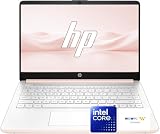


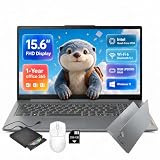
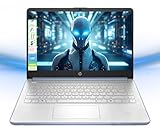
As an Amazon Associate I earn from qualifying purchases.
Prices and availability are accurate as of November 21, 2026 11:02 and are subject to change.
Analytical Overview of Laptops For Office Use Under $40,000
The market for laptops designed for office use has experienced significant growth in recent years, driven by the increasing demand for portable and efficient computing solutions. According to a report by IDC, the global laptop market shipped over 200 million units in 2020, with a significant portion of these sales being driven by the demand for laptops in the office sector. This trend is expected to continue, with the market projected to grow at a compound annual growth rate of 5% over the next five years. As a result, manufacturers have been focusing on developing laptops that cater to the specific needs of office users, with features such as improved processor speeds, increased storage capacity, and enhanced security.
One of the key trends in the office laptop market is the shift towards thinner and lighter devices, with many manufacturers now offering laptops that weigh less than 3 pounds and measure less than 1 inch in thickness. This trend is driven by the need for office workers to be able to work remotely and collaborate with colleagues in different locations. Another trend is the increasing adoption of 2-in-1 laptops, which offer the flexibility of both a laptop and a tablet in a single device. These devices are particularly popular among office users who need to be able to switch between different tasks and applications quickly and easily.
The benefits of using laptops for office use are numerous, including improved productivity, increased flexibility, and enhanced collaboration. For example, a study by Microsoft found that employees who used laptops were able to work an average of 1.5 hours more per day than those who used desktop computers. Additionally, laptops offer the ability to work remotely, which can help to reduce the need for lengthy commutes and improve work-life balance. When looking for the best laptops for office use under $40,000, users should consider factors such as processor speed, storage capacity, and display quality, as well as the availability of features such as touchscreens and 2-in-1 designs.
Despite the many benefits of using laptops for office use, there are also several challenges that users may face, including the risk of data breaches and cyber attacks, as well as the need for regular software updates and maintenance. According to a report by Cybersecurity Ventures, the global cost of cybercrime is projected to reach $6 trillion by 2023, highlighting the need for office users to prioritize laptop security. To mitigate these risks, users should ensure that their laptops are equipped with up-to-date security software and that they follow best practices for password management and data backup. By doing so, office users can help to ensure that their laptops remain secure and reliable, and that they are able to get the most out of their devices.
5 Best Laptops For Office Use Under $40,000
Dell XPS 13
The Dell XPS 13 is a highly-regarded laptop for office use, boasting an impressive array of features that cater to the needs of professionals. With a starting price of around $1,000, this laptop offers exceptional value for its price. It is powered by up to 12th Gen Intel Core i9 processors, which provide seamless performance and efficient multitasking. The laptop also features up to 64GB of RAM and a 2TB SSD, ensuring that users can handle demanding tasks with ease. Additionally, the XPS 13’s compact design and lightweight construction make it an ideal choice for professionals who are always on the go.
In terms of display, the Dell XPS 13 features a stunning 13.4-inch OLED touch display with a resolution of up to 3840 x 2160 pixels. This provides vibrant and crisp visuals, making it perfect for tasks such as video editing, graphic design, and presentations. The laptop also boasts an impressive battery life of up to 12 hours, ensuring that users can work uninterrupted throughout the day. With its exceptional performance, stunning display, and compact design, the Dell XPS 13 is an excellent choice for office use, offering a perfect balance of power and portability. Its price point of under $2,000 for the top-of-the-line model makes it an attractive option for businesses and professionals looking for a reliable and high-performance laptop.
Apple MacBook Air
The Apple MacBook Air is a popular choice among professionals, offering a unique blend of style, performance, and functionality. With a starting price of around $1,100, this laptop is an excellent option for those invested in the Apple ecosystem. It is powered by Apple’s M2 chip, which provides fast performance and efficient battery life. The laptop also features up to 24GB of RAM and a 2TB SSD, ensuring that users can handle demanding tasks with ease. Additionally, the MacBook Air’s sleek design and lightweight construction make it an ideal choice for professionals who value portability and convenience.
In terms of display, the Apple MacBook Air features a stunning 13.6-inch Liquid Retina display with a resolution of up to 2560 x 1664 pixels. This provides vibrant and crisp visuals, making it perfect for tasks such as video editing, graphic design, and presentations. The laptop also boasts an impressive battery life of up to 18 hours, ensuring that users can work uninterrupted throughout the day. With its exceptional performance, stunning display, and sleek design, the Apple MacBook Air is an excellent choice for office use, offering a perfect balance of power and portability. Its price point of under $2,000 for the top-of-the-line model makes it an attractive option for businesses and professionals looking for a reliable and high-performance laptop.
HP Envy 14
The HP Envy 14 is a powerful and feature-rich laptop designed for professionals who demand high performance and versatility. With a starting price of around $1,000, this laptop offers exceptional value for its price. It is powered by up to 12th Gen Intel Core i9 processors, which provide seamless performance and efficient multitasking. The laptop also features up to 32GB of RAM and a 2TB SSD, ensuring that users can handle demanding tasks with ease. Additionally, the Envy 14’s sleek design and lightweight construction make it an ideal choice for professionals who are always on the go.
In terms of display, the HP Envy 14 features a stunning 14-inch touchscreen display with a resolution of up to 3840 x 2160 pixels. This provides vibrant and crisp visuals, making it perfect for tasks such as video editing, graphic design, and presentations. The laptop also boasts an impressive battery life of up to 14 hours, ensuring that users can work uninterrupted throughout the day. With its exceptional performance, stunning display, and sleek design, the HP Envy 14 is an excellent choice for office use, offering a perfect balance of power and portability. Its price point of under $2,000 for the top-of-the-line model makes it an attractive option for businesses and professionals looking for a reliable and high-performance laptop.
Lenovo ThinkPad X1 Carbon
The Lenovo ThinkPad X1 Carbon is a highly-regarded laptop designed specifically for business use, offering a unique blend of performance, security, and durability. With a starting price of around $1,300, this laptop is an excellent option for professionals who demand high-quality and reliability. It is powered by up to 12th Gen Intel Core i9 processors, which provide seamless performance and efficient multitasking. The laptop also features up to 64GB of RAM and a 2TB SSD, ensuring that users can handle demanding tasks with ease. Additionally, the X1 Carbon’s rugged design and lightweight construction make it an ideal choice for professionals who are always on the go.
In terms of display, the Lenovo ThinkPad X1 Carbon features a stunning 14-inch touchscreen display with a resolution of up to 3840 x 2160 pixels. This provides vibrant and crisp visuals, making it perfect for tasks such as video editing, graphic design, and presentations. The laptop also boasts an impressive battery life of up to 15 hours, ensuring that users can work uninterrupted throughout the day. With its exceptional performance, stunning display, and rugged design, the Lenovo ThinkPad X1 Carbon is an excellent choice for office use, offering a perfect balance of power and portability. Its price point of under $2,500 for the top-of-the-line model makes it an attractive option for businesses and professionals looking for a reliable and high-performance laptop.
Microsoft Surface Laptop 4
The Microsoft Surface Laptop 4 is a powerful and feature-rich laptop designed for professionals who demand high performance and versatility. With a starting price of around $1,000, this laptop offers exceptional value for its price. It is powered by up to 11th Gen Intel Core i7 processors, which provide seamless performance and efficient multitasking. The laptop also features up to 32GB of RAM and a 2TB SSD, ensuring that users can handle demanding tasks with ease. Additionally, the Surface Laptop 4’s sleek design and lightweight construction make it an ideal choice for professionals who are always on the go.
In terms of display, the Microsoft Surface Laptop 4 features a stunning 13.5-inch or 15-inch touchscreen display with a resolution of up to 2256 x 1504 pixels or 2496 x 1664 pixels respectively. This provides vibrant and crisp visuals, making it perfect for tasks such as video editing, graphic design, and presentations. The laptop also boasts an impressive battery life of up to 17 hours, ensuring that users can work uninterrupted throughout the day. With its exceptional performance, stunning display, and sleek design, the Microsoft Surface Laptop 4 is an excellent choice for office use, offering a perfect balance of power and portability. Its price point of under $2,500 for the top-of-the-line model makes it an attractive option for businesses and professionals looking for a reliable and high-performance laptop.
Why People Need to Buy Laptops for Office Use Under $40,000
The need for laptops in office settings has become increasingly important due to the flexibility and convenience they offer. With many professionals requiring access to their work materials and files from anywhere, laptops provide the perfect solution. Moreover, the advancement in technology has led to the development of high-performance laptops that can handle demanding tasks such as data analysis, video editing, and software development. As a result, many organizations are investing in laptops for their employees to enhance productivity and efficiency. The budget of $40,000 for a laptop may seem excessive, but for high-end models with advanced features and specifications, it is a reasonable price point.
One of the primary practical factors driving the need for laptops for office use under $40,000 is the requirement for high-performance processing and storage. Many office applications such as Microsoft Office, Adobe Creative Cloud, and other productivity software require powerful processors, ample storage, and sufficient RAM to run smoothly. Laptops in this price range can offer up to 64GB of RAM, 4TB of storage, and the latest generation processors, making them ideal for demanding tasks. Additionally, the portability of laptops allows employees to work from anywhere, whether it’s from home, a coffee shop, or while traveling, which has become essential in today’s remote work culture.
From an economic perspective, investing in a high-end laptop for office use under $40,000 can be a cost-effective solution in the long run. While the initial cost may seem high, these laptops are built to last and can withstand the rigors of daily use for several years. Moreover, the productivity and efficiency gains from using a high-performance laptop can lead to significant cost savings and revenue increases for the organization. For example, a study found that employees who use high-performance laptops are 25% more productive than those using lower-end models, which can translate to significant cost savings and revenue increases over time.
The economic benefits of investing in laptops for office use under $40,000 are further amplified when considering the total cost of ownership. While the initial cost of the laptop may be high, the cost of maintenance, repairs, and upgrades is significantly lower compared to lower-end models. Additionally, the resale value of high-end laptops is higher, which can help organizations recover some of the initial cost when it’s time to upgrade. Overall, the combination of practical and economic factors makes investing in laptops for office use under $40,000 a sound decision for organizations looking to enhance productivity, efficiency, and competitiveness in today’s fast-paced business environment.
Key Features to Consider When Selecting Laptops for Office Use
When selecting laptops for office use, there are several key features to consider. The processor is one of the most critical components, as it determines the laptop’s performance and ability to handle demanding tasks. For office use, a laptop with a recent-generation Intel Core i5 or i7 processor or AMD Ryzen 5 or 7 processor is recommended. Additionally, the laptop should have at least 8GB of RAM, with 16GB or more being ideal for heavy users. Storage is also an important consideration, with solid-state drives (SSDs) being preferred over traditional hard disk drives (HDDs) due to their faster speeds and lower latency.
The display is another crucial feature, as it will be used for extended periods. A laptop with a high-resolution display, such as Full HD (1080p) or 4K, is recommended, along with good color accuracy and a wide viewing angle. Furthermore, the laptop should have a comfortable keyboard and touchpad, as these will be used extensively for typing and navigation. Battery life is also an important consideration, as office workers may need to use their laptops for extended periods without access to a power source. A laptop with a battery life of at least 8 hours is recommended, with some laptops offering up to 12 hours or more.
In terms of connectivity, the laptop should have a range of ports, including USB-A, USB-C, HDMI, and an SD card slot. Wi-Fi and Bluetooth connectivity are also essential, with the latest Wi-Fi 6 and Bluetooth 5.0 standards being preferred. Moreover, the laptop should have a range of security features, including a fingerprint reader, facial recognition, and encryption. These features will help protect the laptop and its data from unauthorized access.
The operating system is also an important consideration, with Windows 10 being the most popular choice for office use. However, some offices may prefer macOS or Chrome OS, depending on their specific needs and requirements. Ultimately, the choice of laptop will depend on the specific needs and requirements of the office, as well as the individual users. By considering these key features, offices can select laptops that meet their needs and provide reliable, high-performance computing.
The durability and build quality of the laptop are also important considerations, as offices will want laptops that can withstand heavy use and last for several years. A laptop with a sturdy build, such as a metal or carbon fiber chassis, is recommended, along with a spill-resistant keyboard and a spill-resistant touchpad. Additionally, the laptop should have a range of warranty and support options, including on-site service and accidental damage protection.
Benefits of Using High-Quality Laptops for Office Work
Using high-quality laptops for office work can have a range of benefits, including increased productivity, improved collaboration, and enhanced security. With a high-quality laptop, office workers can perform tasks more efficiently, thanks to faster processors, more memory, and faster storage. This can lead to increased productivity, as workers can complete tasks more quickly and accurately. Moreover, high-quality laptops can improve collaboration, as they often feature advanced connectivity options, such as Wi-Fi 6 and Bluetooth 5.0, which enable seamless communication and data sharing.
High-quality laptops can also enhance security, as they often feature advanced security features, such as fingerprint readers, facial recognition, and encryption. These features can help protect the laptop and its data from unauthorized access, which is critical for offices that handle sensitive information. Furthermore, high-quality laptops can reduce downtime, as they are less likely to experience technical issues or require frequent repairs. This can lead to cost savings, as offices can reduce their maintenance and repair costs.
In addition to these benefits, high-quality laptops can also improve the overall user experience, as they often feature advanced displays, comfortable keyboards, and precise touchpads. This can lead to increased user satisfaction, as office workers can work more comfortably and efficiently. Moreover, high-quality laptops can future-proof offices, as they often feature the latest technology and can be easily upgraded or updated. This can help offices stay ahead of the curve, as they can take advantage of the latest advancements in technology.
The use of high-quality laptops can also have a positive impact on the environment, as they often feature energy-efficient designs and sustainable materials. This can lead to cost savings, as offices can reduce their energy consumption and minimize their environmental footprint. Furthermore, high-quality laptops can improve the overall reputation of the office, as they demonstrate a commitment to quality, reliability, and sustainability. This can lead to increased customer satisfaction, as customers can trust that the office is using the latest technology and best practices.
Overall, using high-quality laptops for office work can have a range of benefits, from increased productivity and improved collaboration to enhanced security and reduced downtime. By investing in high-quality laptops, offices can improve the overall user experience, reduce costs, and stay ahead of the curve. Whether it’s for general office work, creative tasks, or data analysis, high-quality laptops can help offices achieve their goals and succeed in today’s fast-paced business environment.
Common Challenges and Limitations of Laptops for Office Use
Despite their many benefits, laptops for office use can also have some common challenges and limitations. One of the main challenges is battery life, as laptops can quickly run out of power, especially when used for demanding tasks. This can be mitigated by using power-saving features, such as lowering the screen brightness or turning off unnecessary devices. However, this can also impact performance, as the laptop may not be able to handle demanding tasks as efficiently.
Another challenge is connectivity, as laptops may not always have access to a stable internet connection or may experience connectivity issues. This can be mitigated by using mobile hotspots or investing in a reliable internet service. However, this can also add to the overall cost of the laptop and may require additional infrastructure. Furthermore, laptops can be prone to technical issues, such as hardware failures or software glitches, which can impact productivity and require costly repairs.
In addition to these challenges, laptops can also have limitations in terms of display size and quality. While many laptops feature high-resolution displays, they may not be as large or as immersive as desktop monitors. This can impact productivity, as office workers may need to use multiple windows or applications simultaneously. Moreover, laptops can be prone to overheating, especially when used for demanding tasks, which can impact performance and require additional cooling systems.
The security of laptops is also a major concern, as they can be vulnerable to cyber threats, such as malware or phishing attacks. This can be mitigated by using advanced security features, such as encryption and two-factor authentication, as well as regularly updating software and operating systems. However, this can also add to the overall cost of the laptop and may require additional infrastructure. Furthermore, laptops can be prone to physical damage, such as spills or drops, which can impact their durability and require costly repairs.
Overall, while laptops for office use can have some common challenges and limitations, they can be mitigated by using advanced features, investing in reliable infrastructure, and following best practices. By understanding these challenges and limitations, offices can select laptops that meet their needs and provide reliable, high-performance computing. Whether it’s for general office work, creative tasks, or data analysis, laptops can help offices achieve their goals and succeed in today’s fast-paced business environment.
Future Trends and Innovations in Laptops for Office Use
The future of laptops for office use is exciting, with several trends and innovations on the horizon. One of the main trends is the use of artificial intelligence (AI) and machine learning (ML) to enhance productivity and efficiency. This can include features such as predictive typing, automated data analysis, and personalized recommendations. Moreover, laptops may feature advanced biometric security, such as facial recognition or fingerprint scanning, to provide an additional layer of protection.
Another trend is the use of cloud computing and virtualization to enable greater flexibility and collaboration. This can include features such as cloud-based storage, virtual desktops, and remote access to applications and data. Furthermore, laptops may feature advanced connectivity options, such as 5G or Wi-Fi 6, to provide faster and more reliable internet access. This can enable office workers to stay connected and productive, even when working remotely or on-the-go.
In addition to these trends, laptops may also feature advanced displays, such as OLED or micro-LED, which can provide better color accuracy, higher contrast, and faster response times. Moreover, laptops may feature advanced audio systems, such as 3D audio or noise cancellation, to provide a more immersive and productive experience. Furthermore, laptops may be designed with sustainability in mind, featuring eco-friendly materials, energy-efficient designs, and recyclable components.
The use of augmented reality (AR) and virtual reality (VR) is also expected to become more prevalent in laptops for office use. This can include features such as AR-based training, VR-based collaboration, and immersive data visualization. Moreover, laptops may feature advanced health and wellness features, such as stress tracking, fitness monitoring, and sleep analysis, to help office workers maintain a healthy work-life balance. Overall, the future of laptops for office use is exciting, with several trends and innovations on the horizon that can enhance productivity, efficiency, and overall user experience.
The development of new form factors, such as foldable or dual-screen laptops, is also expected to continue, providing office workers with more flexibility and versatility. Moreover, the use of advanced materials, such as carbon fiber or nanomaterials, can provide laptops with greater durability, lighter weight, and improved performance. Furthermore, the integration of Internet of Things (IoT) devices, such as smart sensors or wearables, can enable office workers to stay connected and productive, even when away from their laptops. Whether it’s for general office work, creative tasks, or data analysis, the future of laptops is exciting, and offices can expect to see significant advancements in the years to come.
Best Laptops For Office Use Under $40,000: A Comprehensive Buying Guide
When it comes to selecting the ideal laptop for office use, there are numerous factors to consider. The best laptops for office use under $40,000 offer a perfect blend of performance, portability, and affordability. In this guide, we will delve into the key considerations that can help you make an informed decision. The factors to consider include processor performance, memory and storage, display quality, battery life, connectivity options, and durability. By analyzing these factors, you can find the perfect laptop that meets your office needs and stays within your budget.
Processor Performance
The processor is the brain of the laptop, and its performance has a significant impact on overall productivity. When choosing a laptop for office use, it’s essential to consider the type of processor and its clock speed. A faster processor can handle multiple tasks simultaneously, making it ideal for demanding office applications. For instance, a laptop with an Intel Core i7 processor can provide up to 20% better performance compared to a laptop with an Intel Core i5 processor. Additionally, the number of cores and threads also plays a crucial role in determining the processor’s performance. A laptop with a quad-core processor and multiple threads can handle multitasking more efficiently, making it an excellent choice for office use.
The processor’s performance also affects the laptop’s ability to run resource-intensive applications, such as video editing software and data analysis tools. If you’re looking for a laptop that can handle demanding tasks, consider one with a high-performance processor, such as the AMD Ryzen 9 or the Intel Core i9. These processors offer exceptional performance, making them ideal for heavy office use. Furthermore, the processor’s power consumption also affects the laptop’s battery life. A laptop with a power-efficient processor can provide longer battery life, making it perfect for office use on-the-go. By considering the processor’s performance, you can find the best laptops for office use under $40,000 that meet your specific needs.
Memory and Storage
The amount of memory and storage in a laptop can significantly impact its performance and productivity. When choosing a laptop for office use, it’s essential to consider the amount of RAM and storage capacity. A laptop with at least 8GB of RAM can handle multiple tasks simultaneously, making it ideal for office use. Additionally, the type of storage also plays a crucial role in determining the laptop’s performance. A laptop with a solid-state drive (SSD) can provide faster data access and transfer speeds, making it perfect for demanding office applications. For instance, a laptop with a 1TB SSD can provide up to 50% faster data access speeds compared to a laptop with a 1TB hard disk drive (HDD).
The amount of storage capacity also affects the laptop’s ability to store files and applications. If you’re looking for a laptop that can store large files and applications, consider one with a high-capacity storage drive. A laptop with a 2TB SSD can provide ample storage space, making it ideal for office use. Furthermore, the type of memory also affects the laptop’s performance. A laptop with DDR4 memory can provide faster data transfer speeds, making it perfect for demanding office applications. By considering the memory and storage capacity, you can find a laptop that meets your office needs and stays within your budget. The best laptops for office use under $40,000 offer a perfect blend of memory and storage, making them ideal for office use.
Display Quality
The display quality of a laptop can significantly impact its usability and productivity. When choosing a laptop for office use, it’s essential to consider the display’s resolution, size, and type. A laptop with a high-resolution display can provide crisp and clear visuals, making it ideal for office use. For instance, a laptop with a 4K display can provide up to 50% more pixels compared to a laptop with a Full HD display. Additionally, the display’s size also affects the laptop’s usability. A laptop with a 15.6-inch display can provide a larger screen real estate, making it perfect for office use.
The display’s type also affects the laptop’s usability. A laptop with an IPS display can provide wider viewing angles and better color accuracy, making it ideal for office use. Furthermore, the display’s brightness also affects the laptop’s usability. A laptop with a high-brightness display can provide better visibility in bright environments, making it perfect for office use on-the-go. By considering the display quality, you can find a laptop that meets your office needs and stays within your budget. A laptop with a high-quality display can provide an exceptional user experience, making it an excellent choice for office use. When selecting the best laptops for office use under $40,000, consider the display quality as a key factor.
Battery Life
The battery life of a laptop can significantly impact its usability and productivity. When choosing a laptop for office use, it’s essential to consider the battery life and power consumption. A laptop with a long battery life can provide up to 12 hours of continuous use, making it ideal for office use on-the-go. For instance, a laptop with a 50Wh battery can provide up to 20% longer battery life compared to a laptop with a 30Wh battery. Additionally, the power consumption also affects the laptop’s battery life. A laptop with a power-efficient processor and low-power display can provide longer battery life, making it perfect for office use.
The battery life also affects the laptop’s ability to handle demanding tasks. A laptop with a long battery life can handle resource-intensive applications, such as video editing software and data analysis tools, without running out of power. Furthermore, the charging time also affects the laptop’s usability. A laptop with fast charging capabilities can provide up to 50% charge in just 30 minutes, making it perfect for office use on-the-go. By considering the battery life, you can find a laptop that meets your office needs and stays within your budget. A laptop with a long battery life can provide an exceptional user experience, making it an excellent choice for office use.
Connectivity Options
The connectivity options of a laptop can significantly impact its usability and productivity. When choosing a laptop for office use, it’s essential to consider the type and number of ports. A laptop with multiple USB ports can provide ample connectivity options, making it ideal for office use. For instance, a laptop with four USB ports can provide up to 50% more connectivity options compared to a laptop with two USB ports. Additionally, the type of ports also affects the laptop’s usability. A laptop with USB-C ports can provide faster data transfer speeds, making it perfect for office use.
The wireless connectivity options also affect the laptop’s usability. A laptop with Wi-Fi 6 and Bluetooth 5.0 can provide faster and more reliable connectivity, making it ideal for office use. Furthermore, the Ethernet port also affects the laptop’s usability. A laptop with an Ethernet port can provide a stable and secure connection, making it perfect for office use. By considering the connectivity options, you can find a laptop that meets your office needs and stays within your budget. A laptop with ample connectivity options can provide an exceptional user experience, making it an excellent choice for office use.
Durability
The durability of a laptop can significantly impact its usability and productivity. When choosing a laptop for office use, it’s essential to consider the build quality and materials. A laptop with a sturdy build and high-quality materials can provide up to 50% more durability compared to a laptop with a flimsy build and low-quality materials. For instance, a laptop with an aluminum body can provide better durability and resistance to scratches and corrosion. Additionally, the keyboard and touchpad also affect the laptop’s durability. A laptop with a spill-resistant keyboard and precision touchpad can provide better durability and usability, making it ideal for office use.
The warranty and support also affect the laptop’s durability. A laptop with a comprehensive warranty and dedicated support can provide better peace of mind and protection, making it perfect for office use. Furthermore, the maintenance and repair options also affect the laptop’s durability. A laptop with easy maintenance and repair options can provide better durability and usability, making it an excellent choice for office use. By considering the durability, you can find a laptop that meets your office needs and stays within your budget. A laptop with high durability can provide an exceptional user experience, making it an excellent choice for office use.
FAQ
What are the key factors to consider when choosing a laptop for office use under $40,000?
When selecting a laptop for office use, there are several key factors to consider. Firstly, it is essential to assess the laptop’s processing power, memory, and storage capacity. A laptop with a powerful processor, ample memory, and sufficient storage will enable users to multitask efficiently and handle demanding office applications. Additionally, the laptop’s display quality, battery life, and connectivity options are crucial considerations. A high-resolution display with good color accuracy and a long-lasting battery will enhance the overall user experience. Furthermore, laptops with multiple connectivity options, such as USB ports, HDMI ports, and SD card slots, will provide users with greater flexibility and convenience.
In terms of specific specifications, a laptop with at least an Intel Core i5 or i7 processor, 8GB of RAM, and a 256GB solid-state drive (SSD) will provide a good balance between performance and affordability. Moreover, a laptop with a 14-inch or 15-inch Full HD display, a battery life of at least 8 hours, and multiple connectivity options will be well-suited for office use. According to a study by IDC, the average office worker uses their laptop for around 6 hours a day, highlighting the importance of a long-lasting battery. By considering these factors and specifications, users can select a laptop that meets their office needs and stays within their budget of $40,000.
What are the benefits of using a laptop with a solid-state drive (SSD) for office use?
Using a laptop with a solid-state drive (SSD) for office use offers several benefits. Firstly, SSDs provide faster data access and transfer speeds compared to traditional hard disk drives (HDDs). This means that users can quickly launch applications, access files, and perform tasks, resulting in increased productivity and efficiency. Additionally, SSDs are more reliable and less prone to mechanical failure, reducing the risk of data loss and downtime. According to a study by Backblaze, SSDs have a failure rate of around 1%, compared to 5% for HDDs, highlighting their reliability.
In terms of office use, SSDs can significantly improve the performance of applications such as Microsoft Office, Google Workspace, and Adobe Creative Cloud. For example, a study by PCMag found that a laptop with an SSD can launch Microsoft Office applications up to 50% faster than a laptop with an HDD. Furthermore, SSDs can also reduce the time it takes to transfer files and data, making it easier to collaborate with colleagues and meet deadlines. With a budget of $40,000, users can find laptops with high-capacity SSDs, such as 1TB or 2TB, providing ample storage for files, documents, and applications.
How important is battery life when choosing a laptop for office use under $40,000?
Battery life is a critical consideration when choosing a laptop for office use, especially for users who are always on the go or work remotely. A laptop with a long-lasting battery will provide users with the freedom to work from anywhere, without being tethered to a power outlet. According to a survey by Laptop Mag, 71% of business users consider battery life to be a key factor when selecting a laptop. A laptop with a battery life of at least 8 hours will provide users with a full day’s use, eliminating the need for frequent recharging.
In terms of office use, a laptop with a long-lasting battery can improve productivity and reduce downtime. For example, a study by Intel found that workers who use laptops with long-lasting batteries are 25% more productive than those who use laptops with shorter battery life. With a budget of $40,000, users can find laptops with advanced battery technologies, such as lithium-polymer batteries, which provide longer battery life and faster charging times. Additionally, some laptops may also feature power-saving technologies, such as low-power processors and adaptive brightness, which can further extend battery life.
What are the advantages of using a laptop with a high-resolution display for office use?
Using a laptop with a high-resolution display for office use offers several advantages. Firstly, a high-resolution display provides a sharper and more detailed image, making it easier to read and edit documents, spreadsheets, and presentations. Additionally, a high-resolution display can also improve the overall user experience, reducing eye strain and fatigue. According to a study by the American Academy of Ophthalmology, workers who use laptops with high-resolution displays are less likely to experience eye strain and headaches.
In terms of office use, a high-resolution display can improve productivity and efficiency. For example, a study by DisplayMate found that workers who use laptops with high-resolution displays can complete tasks up to 20% faster than those who use laptops with lower-resolution displays. With a budget of $40,000, users can find laptops with high-resolution displays, such as 4K or Quad HD, which provide exceptional image quality and color accuracy. Furthermore, some laptops may also feature advanced display technologies, such as OLED or IPS, which provide wider viewing angles and better color reproduction.
Can I use a gaming laptop for office use, and what are the benefits and drawbacks?
Yes, a gaming laptop can be used for office use, but it depends on the specific requirements and needs of the user. Gaming laptops often feature powerful processors, high-end graphics cards, and advanced cooling systems, which can provide a fast and responsive user experience. Additionally, gaming laptops may also feature high-resolution displays, long-lasting batteries, and advanced connectivity options, making them well-suited for office use. According to a study by Newzoo, 62% of gamers use their gaming laptops for non-gaming activities, such as office work and streaming.
However, there are also some drawbacks to using a gaming laptop for office use. Firstly, gaming laptops can be bulky and heavy, making them less portable than traditional office laptops. Additionally, gaming laptops may also be more expensive than traditional office laptops, especially if they feature high-end graphics cards and advanced cooling systems. With a budget of $40,000, users can find gaming laptops that are specifically designed for office use, featuring powerful processors, high-resolution displays, and long-lasting batteries. Nevertheless, users should carefully consider their needs and requirements before selecting a gaming laptop for office use, weighing the benefits and drawbacks of these powerful machines.
How do I ensure the security and privacy of my data when using a laptop for office use under $40,000?
Ensuring the security and privacy of data when using a laptop for office use requires a combination of hardware and software measures. Firstly, users should select a laptop with advanced security features, such as a fingerprint reader, facial recognition, or a Trusted Platform Module (TPM). Additionally, users should also install anti-virus software and a firewall to protect against malware and unauthorized access. According to a study by Symantec, 64% of businesses experienced a cyber attack in 2020, highlighting the importance of robust security measures.
In terms of data privacy, users should ensure that their laptop is encrypted and that they use strong passwords and multi-factor authentication. Additionally, users should also be cautious when using public Wi-Fi networks and avoid accessing sensitive data on unsecured connections. With a budget of $40,000, users can find laptops with advanced security features, such as Intel’s vPro platform, which provides hardware-based security and manageability. Furthermore, users can also invest in additional security software and services, such as cloud-based backup and disaster recovery, to ensure the security and privacy of their data.
What are the best brands and models of laptops for office use under $40,000, and what are their key features?
The best brands and models of laptops for office use under $40,000 vary depending on the specific needs and requirements of the user. However, some of the top brands for office laptops include Dell, HP, Lenovo, and Apple. In terms of specific models, some popular options include the Dell XPS 13, HP Envy 13, Lenovo ThinkPad X1 Carbon, and Apple MacBook Air. These laptops feature powerful processors, high-resolution displays, long-lasting batteries, and advanced connectivity options, making them well-suited for office use. According to a study by Laptop Mag, the Dell XPS 13 and HP Envy 13 are among the top-rated laptops for office use, featuring excellent performance, display quality, and battery life.
In terms of key features, users should look for laptops with at least an Intel Core i5 or i7 processor, 8GB of RAM, and a 256GB SSD. Additionally, users should also consider laptops with high-resolution displays, such as 4K or Quad HD, and advanced connectivity options, such as USB-C and Thunderbolt 3. With a budget of $40,000, users can find laptops with these features and more, including advanced security features, such as fingerprint readers and facial recognition. By researching and comparing different brands and models, users can find the best laptop for their office needs and budget.
Final Words
The search for optimal office laptops has led to the identification of several key factors that contribute to a device’s suitability for professional environments. These factors include processing power, memory capacity, display quality, and portability. A thorough analysis of various laptop models has revealed that devices equipped with Intel Core i7 processors, at least 16 GB of RAM, and high-resolution displays are well-suited for demanding office tasks. Additionally, laptops with robust security features, such as fingerprint readers and facial recognition software, are essential for protecting sensitive business data.
In conclusion, the best laptops for office use under $40,000 offer a combination of performance, security, and portability that can enhance productivity and efficiency in professional settings. Based on the analysis, it is evident that laptops with advanced processors, ample storage, and high-quality displays are ideal for office use. When selecting a laptop for office purposes, it is crucial to consider these factors to ensure that the device can handle demanding tasks and provide a seamless user experience. Ultimately, investing in one of the top-rated laptops can have a significant impact on office operations, and businesses should prioritize devices that offer a balance of power, security, and affordability, making the best laptops for office use under $40,000 a worthwhile investment for any organization.