Reliable internet connectivity has become an essential component of modern life, with many households relying on it for work, education, and entertainment. As a result, selecting the right equipment for home networks is crucial, and this decision often begins with choosing a suitable modem. Homeowners face a multitude of options when it comes to setting up their internet infrastructure, making it imperative to conduct thorough research before making a purchase. By doing so, individuals can ensure they are investing in a device that meets their specific needs and provides optimal performance.
When searching for the best wireless modems for home use, several factors must be considered, including speed, range, and compatibility with various devices. Analyzing these aspects allows consumers to make informed decisions and avoid potential pitfalls, such as poor connectivity or slow data transfer rates. Furthermore, understanding the technical specifications and features of different modems enables individuals to compare products effectively and find the most suitable option for their home network. This guide is designed to provide a comprehensive overview of the key considerations and top recommendations for home internet setups.
We will discuss the best wireless modems for home use further down, but for now, consider checking out these related items on Amazon:
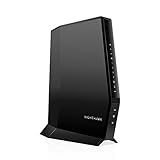



As an Amazon Associate I earn from qualifying purchases.
Prices and availability are accurate as of November 16, 2026 14:20 and are subject to change.
Analytical Overview of Wireless Modems For Home Use
The demand for wireless modems has been on the rise in recent years, driven by the increasing need for fast and reliable internet connectivity at home. According to a report by the Pew Research Center, approximately 77% of American adults have a broadband internet connection at home, with a significant proportion relying on wireless modems to access the internet. This trend is expected to continue, with the global wireless modem market projected to reach $15.6 billion by 2025, growing at a compound annual growth rate of 7.5%. As consumers become more tech-savvy, they are seeking devices that offer high-speed connectivity, ease of use, and affordability.
One of the key benefits of wireless modems for home use is the flexibility and convenience they offer. With a wireless modem, users can connect multiple devices to the internet without the need for cables or wires, making it ideal for homes with multiple users. Additionally, wireless modems are relatively easy to install and set up, with many devices coming with user-friendly interfaces and mobile apps that allow users to monitor and control their internet connection. Furthermore, the best wireless modems for home use often come with advanced security features, such as built-in firewalls and antivirus software, which help to protect users from online threats and cyber attacks.
Despite the many benefits of wireless modems, there are also several challenges that users may face. One of the main challenges is interference from other devices, which can affect the speed and reliability of the internet connection. Additionally, wireless modems can be vulnerable to hacking and other forms of cyber attacks, which can compromise user data and privacy. To address these challenges, manufacturers are developing new technologies, such as mesh networking and beamforming, which help to improve the range and reliability of wireless modems. According to a report by the Wi-Fi Alliance, these technologies have the potential to increase the speed and capacity of wireless networks by up to 50%.
In terms of key trends, there is a growing demand for wireless modems that support the latest Wi-Fi standards, such as Wi-Fi 6 and Wi-Fi 6E. These standards offer faster speeds, lower latency, and greater capacity, making them ideal for applications such as online gaming, video streaming, and virtual reality. Additionally, there is a trend towards the development of more compact and energy-efficient wireless modems, which are designed to be more environmentally friendly and cost-effective. As the market for wireless modems continues to evolve, it is likely that we will see the development of new technologies and innovations that address the needs of consumers and provide faster, more reliable, and more secure internet connectivity.
5 Best Wireless Modems For Home Use
Netgear Nighthawk AC1900
The Netgear Nighthawk AC1900 is a high-performance wireless modem that offers exceptional speed and reliability. With a dual-band frequency of 2.4GHz and 5GHz, this modem can support multiple devices simultaneously without compromising on speed. It has a total combined Wi-Fi speed of 1900 Mbps, making it suitable for heavy internet usage such as online gaming and 4K video streaming. The modem also features a powerful 1GHz dual-core processor and 256MB of flash memory, which enables it to handle demanding tasks with ease. Additionally, it has four Gigabit Ethernet ports and one USB 3.0 port for wired connections and file sharing.
In terms of performance, the Netgear Nighthawk AC1900 delivers impressive results, with a range of up to 1800 square feet and the ability to penetrate solid objects such as walls and floors. The modem also features advanced Quality of Service (QoS) technology, which prioritizes traffic to ensure a smooth and uninterrupted internet experience. The device is also equipped with robust security features, including WPA2 encryption and a built-in firewall. Overall, the Netgear Nighthawk AC1900 offers excellent value for its price, making it a top choice for home users who require fast and reliable internet connectivity. With its advanced features and impressive performance, this modem is well-suited for large homes with multiple devices and heavy internet usage.
TP-Link Archer AX6000
The TP-Link Archer AX6000 is a next-generation wireless modem that supports the latest Wi-Fi 6 technology, offering faster speeds and better performance in crowded networks. With a tri-band frequency of 2.4GHz, 5GHz, and 5GHz, this modem can support multiple devices simultaneously, making it ideal for large homes with many devices. It has a total combined Wi-Fi speed of 1148 Mbps on the 2.4GHz band and 4804 Mbps on the 5GHz band, making it suitable for demanding applications such as online gaming and 8K video streaming. The modem also features a powerful 1.8GHz quad-core processor and 512MB of RAM, which enables it to handle complex tasks with ease.
In terms of performance, the TP-Link Archer AX6000 delivers exceptional results, with a range of up to 2000 square feet and the ability to penetrate solid objects such as walls and floors. The modem also features advanced QoS technology, which prioritizes traffic to ensure a smooth and uninterrupted internet experience. The device is also equipped with robust security features, including WPA3 encryption and a built-in firewall. Additionally, the modem has eight Gigabit Ethernet ports and two USB 3.0 ports for wired connections and file sharing. Overall, the TP-Link Archer AX6000 offers excellent value for its price, making it a top choice for home users who require fast and reliable internet connectivity with the latest Wi-Fi 6 technology.
Asus RT-AC86U
The Asus RT-AC86U is a high-performance wireless modem that offers exceptional speed and reliability, making it suitable for heavy internet usage such as online gaming and 4K video streaming. With a dual-band frequency of 2.4GHz and 5GHz, this modem can support multiple devices simultaneously without compromising on speed. It has a total combined Wi-Fi speed of 2900 Mbps, making it one of the fastest modems on the market. The modem also features a powerful 1.8GHz dual-core processor and 512MB of RAM, which enables it to handle demanding tasks with ease. Additionally, it has four Gigabit Ethernet ports and one USB 3.0 port for wired connections and file sharing.
In terms of performance, the Asus RT-AC86U delivers impressive results, with a range of up to 1500 square feet and the ability to penetrate solid objects such as walls and floors. The modem also features advanced QoS technology, which prioritizes traffic to ensure a smooth and uninterrupted internet experience. The device is also equipped with robust security features, including WPA2 encryption and a built-in firewall. The modem also features AiProtection, a built-in security software that protects devices from malware and other online threats. Overall, the Asus RT-AC86U offers excellent value for its price, making it a top choice for home users who require fast and reliable internet connectivity. With its advanced features and impressive performance, this modem is well-suited for large homes with multiple devices and heavy internet usage.
Linksys EA7500
The Linksys EA7500 is a high-performance wireless modem that offers exceptional speed and reliability, making it suitable for heavy internet usage such as online gaming and 4K video streaming. With a dual-band frequency of 2.4GHz and 5GHz, this modem can support multiple devices simultaneously without compromising on speed. It has a total combined Wi-Fi speed of 1900 Mbps, making it suitable for demanding applications such as online gaming and 4K video streaming. The modem also features a powerful 1.4GHz dual-core processor and 256MB of RAM, which enables it to handle complex tasks with ease. Additionally, it has four Gigabit Ethernet ports and one USB 3.0 port for wired connections and file sharing.
In terms of performance, the Linksys EA7500 delivers impressive results, with a range of up to 1500 square feet and the ability to penetrate solid objects such as walls and floors. The modem also features advanced QoS technology, which prioritizes traffic to ensure a smooth and uninterrupted internet experience. The device is also equipped with robust security features, including WPA2 encryption and a built-in firewall. The modem also features Smart Wi-Fi technology, which allows for easy setup and management of the network. Overall, the Linksys EA7500 offers excellent value for its price, making it a top choice for home users who require fast and reliable internet connectivity. With its advanced features and impressive performance, this modem is well-suited for large homes with multiple devices and heavy internet usage.
D-Link DIR-885L
The D-Link DIR-885L is a high-performance wireless modem that offers exceptional speed and reliability, making it suitable for heavy internet usage such as online gaming and 4K video streaming. With a dual-band frequency of 2.4GHz and 5GHz, this modem can support multiple devices simultaneously without compromising on speed. It has a total combined Wi-Fi speed of 3150 Mbps, making it one of the fastest modems on the market. The modem also features a powerful 1.4GHz dual-core processor and 256MB of RAM, which enables it to handle demanding tasks with ease. Additionally, it has four Gigabit Ethernet ports and one USB 3.0 port for wired connections and file sharing.
In terms of performance, the D-Link DIR-885L delivers impressive results, with a range of up to 1200 square feet and the ability to penetrate solid objects such as walls and floors. The modem also features advanced QoS technology, which prioritizes traffic to ensure a smooth and uninterrupted internet experience. The device is also equipped with robust security features, including WPA2 encryption and a built-in firewall. The modem also features D-Link’s SmartConnect technology, which allows for easy setup and management of the network. Overall, the D-Link DIR-885L offers excellent value for its price, making it a top choice for home users who require fast and reliable internet connectivity. With its advanced features and impressive performance, this modem is well-suited for large homes with multiple devices and heavy internet usage.
Why People Need to Buy Wireless Modems for Home Use
The need for wireless modems in home settings has become increasingly important due to the rising demand for internet connectivity. With the proliferation of smart devices and the growing trend of remote work, having a reliable and fast internet connection at home is no longer a luxury, but a necessity. Wireless modems provide users with the flexibility to connect multiple devices to the internet without the hassle of cables, making them an essential component of modern home networks. Furthermore, wireless modems offer a high degree of convenience, allowing users to move around their homes while staying connected to the internet.
From a practical perspective, wireless modems offer several advantages over traditional wired connections. For instance, they eliminate the need for cumbersome cables, reducing clutter and making it easier to rearrange furniture or move devices around the home. Additionally, wireless modems enable users to connect devices that do not have Ethernet ports, such as smartphones, tablets, and smart home devices. This makes it possible to create a seamless and integrated home network, where all devices can communicate with each other and access the internet. Moreover, wireless modems often come with built-in routers, which provide an additional layer of security and make it easier to manage network settings.
Economically, investing in a good wireless modem can be a cost-effective decision in the long run. While the initial cost of purchasing a wireless modem may seem high, it can help reduce costs associated with internet connectivity in the long term. For example, many internet service providers offer discounts to customers who purchase their own modems, rather than renting them. Additionally, a good wireless modem can help reduce the need for costly repairs and maintenance, as it is less prone to damage from cables and other external factors. Furthermore, with the increasing competition in the telecommunications market, many internet service providers are now offering affordable plans that include wireless modems, making it easier for consumers to access fast and reliable internet connectivity.
The best wireless modems for home use are those that offer a combination of fast speeds, reliable connectivity, and advanced security features. When selecting a wireless modem, users should consider factors such as the device’s compatibility with their internet service provider, its range and coverage, and its ability to handle multiple devices simultaneously. Additionally, users should look for modems with built-in security features, such as firewalls and antivirus software, to protect their home network from cyber threats. By investing in a high-quality wireless modem, users can enjoy fast, reliable, and secure internet connectivity, making it an essential investment for any modern home.
Key Features to Consider When Choosing a Wireless Modem
When selecting a wireless modem for home use, there are several key features to consider. One of the most important factors is the modem’s speed, which is typically measured in megabits per second (Mbps) or gigabits per second (Gbps). A higher speed modem can provide faster internet connectivity, making it ideal for households with multiple users or those who engage in online activities that require high bandwidth, such as streaming or online gaming. Another important feature to consider is the modem’s compatibility with your internet service provider (ISP) and the type of internet connection you have, such as DSL, cable, or fiber optic. It is essential to ensure that the modem you choose is compatible with your ISP’s network to avoid any connectivity issues.
In addition to speed and compatibility, the modem’s security features are also crucial. Look for a modem that has built-in security features, such as a firewall and encryption, to protect your network from unauthorized access and cyber threats. The modem’s range and coverage are also important, especially for larger homes or those with multiple floors. A modem with a strong signal and good range can provide reliable connectivity throughout your home, eliminating dead spots and ensuring that all your devices stay connected.
The modem’s design and build quality are also worth considering. A well-designed modem with a compact and sleek design can fit easily into your home decor, while a durable build can ensure that the modem lasts for a long time. Some modems also come with additional features, such as USB ports and Ethernet ports, which can provide more connectivity options and make it easier to connect your devices to the modem. When evaluating these features, it is essential to consider your specific needs and preferences to choose a modem that meets your requirements.
Furthermore, the modem’s ease of use and setup is also an important consideration. A modem with a user-friendly interface and easy setup process can make it simple to get started and configure your network. Some modems also come with mobile apps that allow you to monitor and manage your network remotely, providing an added layer of convenience and control. By considering these key features, you can choose a wireless modem that provides fast, reliable, and secure internet connectivity for your home.
The cost of the modem is also a critical factor to consider. While it may be tempting to choose the cheapest option, it is essential to consider the long-term costs and benefits of your modem. A higher-quality modem may cost more upfront, but it can provide faster speeds, better range, and more reliable connectivity, making it a worthwhile investment in the long run. By weighing the costs and benefits of different modems, you can make an informed decision that meets your budget and provides the best value for your money.
Benefits of Upgrading to a Wireless Modem
Upgrading to a wireless modem can provide several benefits for home users. One of the most significant advantages is the increased convenience and flexibility that wireless connectivity provides. With a wireless modem, you can connect your devices to the internet from anywhere in your home, without being tethered to a physical connection. This makes it ideal for households with multiple users or those who want to use their devices in different rooms or areas of the home.
Another benefit of upgrading to a wireless modem is the improved performance and speed that it can provide. Wireless modems use advanced technologies, such as 802.11ac or 802.11ax, to provide faster speeds and better range than traditional wired modems. This makes them ideal for online activities that require high bandwidth, such as streaming, online gaming, or video conferencing. Additionally, wireless modems can provide a more reliable connection, with fewer dropped connections and less interference from other devices.
Upgrading to a wireless modem can also provide better security features and protections. Many wireless modems come with built-in security features, such as firewalls and encryption, to protect your network from unauthorized access and cyber threats. This can provide an added layer of protection and peace of mind, especially for households with sensitive data or devices that require secure connectivity. Furthermore, wireless modems can provide easier setup and configuration, with many models coming with user-friendly interfaces and mobile apps that make it simple to get started and manage your network.
In addition to these benefits, upgrading to a wireless modem can also provide future-proofing and compatibility with emerging technologies. As the internet and networking technologies continue to evolve, wireless modems can provide a flexible and adaptable solution that can keep pace with changing demands and requirements. This can make them a worthwhile investment for households that want to stay ahead of the curve and take advantage of the latest advancements in internet and networking technologies.
The ability to connect multiple devices to the internet simultaneously is another significant benefit of upgrading to a wireless modem. With a wireless modem, you can connect all your devices, from smartphones and laptops to smart TVs and gaming consoles, to the internet without having to worry about running out of ports or connections. This makes it ideal for households with multiple users or those who have a large number of devices that require internet connectivity.
Common Issues and Troubleshooting Tips for Wireless Modems
Despite their many benefits, wireless modems can sometimes experience issues or problems that affect their performance or connectivity. One of the most common issues is a weak or dropped signal, which can be caused by a variety of factors, including interference from other devices, physical barriers, or distance from the modem. To troubleshoot this issue, try moving the modem to a central location, reducing interference from other devices, or using a range extender to boost the signal.
Another common issue is slow speeds or poor performance, which can be caused by a variety of factors, including congestion on the network, outdated firmware, or hardware issues. To troubleshoot this issue, try restarting the modem, updating the firmware, or checking for malware or viruses that may be affecting the network. Additionally, try reducing the number of devices connected to the network or using a quality of service (QoS) feature to prioritize critical applications and ensure that they receive sufficient bandwidth.
Intermittent connectivity or dropped connections are also common issues that can affect wireless modems. These issues can be caused by a variety of factors, including interference, hardware issues, or problems with the ISP’s network. To troubleshoot these issues, try restarting the modem, checking the physical connections, or contacting the ISP’s technical support for assistance. It is also essential to ensure that the modem’s firmware is up to date and that the network settings are configured correctly.
In some cases, wireless modems may also experience issues with compatibility or interoperability, especially when used with devices from different manufacturers. To troubleshoot these issues, try checking the device’s documentation or manufacturer’s website for compatibility information, or contacting the manufacturer’s technical support for assistance. Additionally, try using a different device or configuration to see if the issue is specific to a particular device or setup.
By following these troubleshooting tips and being aware of the common issues that can affect wireless modems, you can quickly identify and resolve problems, ensuring that your network remains stable, secure, and performant. This can help you to get the most out of your wireless modem and enjoy fast, reliable, and secure internet connectivity in your home.
Future Developments and Emerging Trends in Wireless Modem Technology
The wireless modem market is constantly evolving, with new technologies and innovations emerging all the time. One of the most significant trends is the development of 5G and Wi-Fi 6 technologies, which promise to provide even faster speeds, better range, and more reliable connectivity. These technologies are expected to have a major impact on the wireless modem market, enabling new use cases and applications that require high-bandwidth, low-latency connectivity, such as virtual and augmented reality, online gaming, and video streaming.
Another emerging trend is the use of artificial intelligence (AI) and machine learning (ML) in wireless modems. These technologies can help to optimize network performance, predict and prevent issues, and provide more personalized and adaptive connectivity experiences. AI and ML can also help to improve network security, detecting and responding to threats in real-time, and providing an added layer of protection and peace of mind for users.
The development of mesh networking technologies is also an exciting trend in the wireless modem market. Mesh networks use multiple access points to provide a robust and reliable connection, eliminating dead spots and ensuring that all areas of the home have strong and consistent coverage. This technology is ideal for larger homes or those with complex layouts, providing a flexible and adaptable solution that can be easily extended or modified as needed.
In addition to these trends, there is also a growing focus on sustainability and energy efficiency in the wireless modem market. As concern about climate change and environmental sustainability continues to grow, manufacturers are developing more energy-efficient and eco-friendly wireless modems that use less power and have a lower carbon footprint. This can help to reduce waste and minimize the environmental impact of wireless modems, making them a more attractive option for environmentally conscious consumers.
The use of wireless modems in emerging applications, such as smart homes and cities, is also an exciting trend. Wireless modems can provide the connectivity and infrastructure needed to support these applications, enabling new use cases and services that can improve the quality of life, safety, and efficiency of citizens. By providing fast, reliable, and secure connectivity, wireless modems can help to enable the development of smart homes and cities, and unlock the full potential of these emerging technologies.
Best Wireless Modems For Home Use: A Comprehensive Buying Guide
When it comes to selecting the best wireless modems for home use, there are several key factors to consider. These factors can significantly impact the performance, reliability, and overall user experience of your home network. In this guide, we will delve into the six most crucial factors to consider when buying a wireless modem for your home, providing you with the necessary knowledge to make an informed decision.
Speed and Bandwidth
The speed and bandwidth of a wireless modem are critical factors to consider, as they directly affect the quality of your internet connection. A modem with high speed and bandwidth can support multiple devices and handle demanding online activities such as streaming and online gaming. When evaluating the speed and bandwidth of a wireless modem, consider the number of devices that will be connected to your network and the types of online activities you will be using it for. For example, if you have a large family with multiple devices and enjoy streaming high-definition videos, you will require a modem with high speed and bandwidth to ensure a smooth and uninterrupted connection.
The speed of a wireless modem is typically measured in megabits per second (Mbps) or gigabits per second (Gbps), with higher speeds indicating better performance. For instance, a modem with a speed of 1000 Mbps can support up to 10 devices streaming high-definition videos simultaneously, while a modem with a speed of 500 Mbps may struggle to support more than 5 devices. When selecting the best wireless modems for home use, look for models with high speeds and bandwidth to ensure a reliable and fast internet connection.
Range and Coverage
The range and coverage of a wireless modem are essential factors to consider, as they determine the area in which you can access your network. A modem with a wide range and coverage can provide a strong and reliable signal throughout your home, eliminating dead spots and ensuring a consistent connection. When evaluating the range and coverage of a wireless modem, consider the size of your home and the number of obstacles such as walls and floors that may interfere with the signal. For example, if you have a large multi-story home, you may require a modem with a wider range and coverage to ensure a strong signal on all floors.
The range and coverage of a wireless modem can be affected by various factors such as the type of antenna used, the frequency band, and the presence of physical obstacles. To ensure optimal range and coverage, look for modems with external antennas and support for multiple frequency bands. Additionally, consider the modem’s ability to penetrate through walls and floors, as this can significantly impact the strength and reliability of the signal. By selecting a modem with a wide range and coverage, you can enjoy a seamless and uninterrupted internet connection throughout your home.
Security Features
The security features of a wireless modem are critical factors to consider, as they protect your network and devices from unauthorized access and malicious attacks. A modem with robust security features can provide peace of mind and protect your personal data and devices from potential threats. When evaluating the security features of a wireless modem, consider the type of encryption used, the presence of a firewall, and the ability to set up guest networks. For example, a modem with WPA2 encryption and a built-in firewall can provide a high level of security and protection for your network and devices.
The security features of a wireless modem can be enhanced through various means such as firmware updates, password protection, and the use of virtual private networks (VPNs). To ensure optimal security, look for modems with regular firmware updates and support for VPNs. Additionally, consider the modem’s ability to detect and prevent malicious attacks, as this can significantly impact the security and reliability of your network. By selecting a modem with robust security features, you can protect your network and devices from potential threats and enjoy a secure and reliable internet connection.
Compatibility and Interoperability
The compatibility and interoperability of a wireless modem are essential factors to consider, as they determine the ability of the modem to work seamlessly with your devices and network. A modem with high compatibility and interoperability can provide a hassle-free and convenient user experience, eliminating the need for complex setup and configuration. When evaluating the compatibility and interoperability of a wireless modem, consider the types of devices you will be using and the operating systems they run on. For example, if you have a mix of devices running on Windows, macOS, and Android, you will require a modem that is compatible with all these operating systems.
The compatibility and interoperability of a wireless modem can be affected by various factors such as the type of wireless standard used, the frequency band, and the presence of compatibility modes. To ensure optimal compatibility and interoperability, look for modems that support the latest wireless standards such as Wi-Fi 6 and have compatibility modes for older devices. Additionally, consider the modem’s ability to work seamlessly with your internet service provider (ISP) and the types of devices you will be using. By selecting a modem with high compatibility and interoperability, you can enjoy a seamless and convenient user experience and get the most out of your internet connection.
Price and Value
The price and value of a wireless modem are critical factors to consider, as they determine the cost-effectiveness and overall value of the modem. A modem with a high price may not necessarily provide the best value, as there may be cheaper alternatives that offer similar performance and features. When evaluating the price and value of a wireless modem, consider the features and performance you require and the prices of similar models. For example, if you require a modem with high speed and bandwidth, you may need to pay a premium for a high-end model, but if you only need a basic modem for light internet use, a cheaper model may be sufficient.
The price and value of a wireless modem can be affected by various factors such as the brand, model, and features. To ensure optimal value, look for modems that offer a balance of performance, features, and price. Additionally, consider the modem’s warranty, support, and maintenance costs, as these can significantly impact the overall cost of ownership. By selecting the best wireless modems for home use that offer a good balance of price and value, you can enjoy a reliable and fast internet connection without breaking the bank.
Customer Support and Warranty
The customer support and warranty of a wireless modem are essential factors to consider, as they determine the level of assistance and protection you will receive in case you encounter any issues or problems. A modem with good customer support and warranty can provide peace of mind and protect your investment, ensuring that you can get help and support when you need it. When evaluating the customer support and warranty of a wireless modem, consider the types of support offered, such as phone, email, and online support, and the length and terms of the warranty. For example, a modem with a 2-year warranty and 24/7 phone support can provide a high level of protection and assistance.
The customer support and warranty of a wireless modem can be affected by various factors such as the manufacturer’s reputation, the quality of the modem, and the terms and conditions of the warranty. To ensure optimal customer support and warranty, look for modems from reputable manufacturers that offer comprehensive support and warranty options. Additionally, consider the modem’s documentation, user manual, and online resources, as these can significantly impact the ease of use and troubleshooting. By selecting a modem with good customer support and warranty, you can enjoy a reliable and hassle-free internet connection and get the most out of your investment in the best wireless modems for home use.
Frequently Asked Questions
What is the difference between a wireless modem and a wireless router?
A wireless modem is a device that connects to the internet via a broadband connection, such as cable, fiber, or DSL, and converts the signal into a digital format that can be used by devices on a home network. On the other hand, a wireless router is a device that takes the digital signal from the modem and transmits it to devices on the network via Wi-Fi. In other words, the modem brings the internet into the home, while the router distributes it to devices within the home.
The key difference between the two devices is their function in the network. The modem is responsible for establishing the connection to the internet, while the router is responsible for managing the network and distributing the internet connection to devices. Many modern devices combine the functions of a modem and router into a single unit, often referred to as a gateway. However, having a separate modem and router can provide more flexibility and customization options for users. For example, users can choose a modem that is optimized for their specific internet service provider and a router that is optimized for their network needs.
What are the key factors to consider when choosing a wireless modem for home use?
When choosing a wireless modem for home use, there are several key factors to consider. First, users should consider the type of internet connection they have, such as cable, fiber, or DSL, and choose a modem that is compatible with their connection type. Users should also consider the speed of their internet connection and choose a modem that can handle the speed. For example, if a user has a gigabit internet connection, they will need a modem that can handle gigabit speeds. Additionally, users should consider the number of devices that will be connected to the network and choose a modem that can handle the number of devices.
Another important factor to consider is the modem’s compatibility with the user’s internet service provider. Some modems may not be compatible with certain providers, so it’s essential to check compatibility before making a purchase. Users should also consider the modem’s security features, such as built-in firewalls and encryption, to ensure that their network is protected from cyber threats. Finally, users should consider the modem’s price and warranty, as well as any additional features they may need, such as USB ports or voice over internet protocol (VoIP) support. By considering these factors, users can choose a wireless modem that meets their needs and provides reliable and fast internet access.
How do I know which wireless modem is compatible with my internet service provider?
To determine which wireless modem is compatible with a user’s internet service provider, users can check the provider’s website for a list of approved modems. Many providers, such as Comcast and AT&T, have a list of modems that they have tested and approved for use on their networks. Users can also contact their provider’s customer support to ask for recommendations on compatible modems. Additionally, users can check the modem’s documentation or manufacturer’s website to see if it is listed as compatible with their provider.
It’s essential to choose a modem that is compatible with the user’s internet service provider to ensure that it works properly and provides the best possible performance. Using a non-compatible modem can result in poor performance, dropped connections, or even complete loss of service. By choosing a compatible modem, users can ensure that they get the most out of their internet connection and avoid any potential issues. Furthermore, compatible modems may also be eligible for upgrades or enhancements from the provider, which can provide additional features and improvements to the user’s internet experience.
What is the difference between a single-band and dual-band wireless modem?
A single-band wireless modem operates on one frequency band, typically 2.4 GHz, while a dual-band wireless modem operates on two frequency bands, typically 2.4 GHz and 5 GHz. The main difference between the two is the amount of interference and congestion on the network. Single-band modems are more prone to interference from other devices that operate on the same frequency band, such as cordless phones and microwaves, which can result in slower speeds and dropped connections.
Dual-band modems, on the other hand, offer a second frequency band that is less prone to interference, providing a more reliable and faster connection. The 5 GHz band is typically less congested than the 2.4 GHz band, making it ideal for applications that require high speeds, such as online gaming and streaming. Dual-band modems also provide better range and coverage, as the two frequency bands can provide a stronger signal to devices that are farther away from the modem. Overall, dual-band modems offer better performance and reliability than single-band modems, making them a better choice for users who need a fast and reliable internet connection.
Can I use a wireless modem with a wired router?
Yes, users can use a wireless modem with a wired router. In fact, this is a common setup in many homes and businesses. The wireless modem connects to the internet via a broadband connection, and then the wired router connects to the modem via an Ethernet cable. The wired router then distributes the internet connection to devices on the network via Ethernet cables or Wi-Fi.
Using a wireless modem with a wired router provides several benefits. For example, users can take advantage of the modem’s wireless capabilities to connect devices that are not wired, such as laptops and smartphones, while also providing a wired connection to devices that require a more stable and faster connection, such as desktop computers and gaming consoles. Additionally, users can use the wired router to provide a more secure connection to devices on the network, as wired connections are generally more secure than wireless connections. Overall, using a wireless modem with a wired router provides a flexible and reliable networking solution that can meet the needs of a variety of users.
How often should I upgrade my wireless modem?
The frequency at which users should upgrade their wireless modem depends on several factors, including the age of the modem, the speed of their internet connection, and the number of devices on their network. Generally, users should consider upgrading their modem every 2-3 years, as new technologies and standards emerge that can provide faster speeds and better performance. For example, users who have a modem that only supports the 802.11n standard may want to upgrade to a modem that supports the newer 802.11ac standard, which provides faster speeds and better range.
Additionally, users who have recently upgraded their internet connection to a faster speed may need to upgrade their modem to take advantage of the faster speeds. For example, users who have upgraded to a gigabit internet connection will need a modem that can handle gigabit speeds. Users should also consider upgrading their modem if they notice a decrease in performance or reliability, such as dropped connections or slow speeds. By upgrading their modem regularly, users can ensure that they have the latest technology and the best possible performance, and can take advantage of new features and capabilities as they become available.
What are the security risks associated with using a wireless modem?
There are several security risks associated with using a wireless modem, including hacking, eavesdropping, and malware. Wireless modems use radio waves to transmit data, which can be intercepted by unauthorized devices. Hackers can use specialized equipment to intercept and decode the data, potentially gaining access to sensitive information such as passwords and financial data. Additionally, wireless modems can be vulnerable to malware and viruses, which can be spread through the network and infect devices.
To mitigate these risks, users can take several steps to secure their wireless modem and network. For example, users can enable WPA2 encryption, which scrambles the data transmitted over the network, making it more difficult for hackers to intercept and decode. Users can also set up a guest network, which can provide a separate and isolated network for visitors and guests, reducing the risk of unauthorized access to the main network. Additionally, users can regularly update their modem’s firmware and software to ensure that they have the latest security patches and updates. By taking these steps, users can help to protect their network and devices from security risks and ensure a safe and secure online experience.
Final Words
The selection of a suitable wireless modem is crucial for ensuring seamless and efficient internet connectivity at home. Various factors such as speed, range, compatibility, and security must be considered when evaluating different models. This review has examined several top-rated wireless modems, highlighting their distinctive features, advantages, and limitations. The analysis has also emphasized the importance of assessing individual needs and preferences, including the number of devices to be connected, the size of the home, and the required internet speed. By carefully weighing these factors, consumers can make informed decisions and choose a wireless modem that meets their specific requirements.
In conclusion, the best wireless modems for home use offer a combination of high-speed performance, reliable connectivity, and robust security features. Based on the analysis, it is evident that a modem with advanced technology, such as DOCSIS 3.1 or Wi-Fi 6, and a strong signal range is essential for optimal home networking. Considering these factors, consumers can opt for a wireless modem that provides fast and stable internet connectivity, supporting multiple devices and online activities. By selecting one of the top-rated models, homeowners can enjoy a seamless and efficient online experience, making the best wireless modems for home use an indispensable component of modern home networking infrastructure.