High-performance computing relies heavily on quality graphics processing units, making the selection of a suitable video card a crucial decision for gamers and professionals alike. As technology advances, the demand for faster and more efficient graphics cards continues to rise, driven by the increasing complexity of graphics and computational workloads. Consequently, understanding the key factors that distinguish top-tier graphics cards from their lesser counterparts is essential for making informed purchasing decisions. By examining the latest developments in graphics card technology, individuals can better navigate the market and identify the best options for their specific needs.
For those seeking to upgrade their computing experience, investing in one of the best pc video cards can significantly enhance overall system performance, enabling smoother graphics rendering and faster processing times. When evaluating potential video card upgrades, several factors must be considered, including memory capacity, cooling systems, and compatibility with existing hardware configurations. A thorough analysis of these factors, combined with a review of product specifications and user feedback, can help individuals make a well-informed decision that meets their unique requirements and budget constraints. Ultimately, this guide aims to provide a comprehensive overview of the key considerations and top recommendations for selecting a high-quality video card.
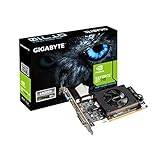
We will discuss the best pc video cards further down, but for now, consider checking out these related items on Amazon:



As an Amazon Associate I earn from qualifying purchases.
Prices and availability are accurate as of November 10, 2026 07:32 and are subject to change.
Analytical Overview of Pc Video Cards
The market for Pc video cards has experienced significant growth in recent years, driven by the increasing demand for high-performance computing and graphics processing. According to a report by Jon Peddie Research, the global PC graphics market reached $14.7 billion in 2020, with an expected growth rate of 12.6% per year from 2020 to 2025. This growth is fueled by the rising popularity of gaming, virtual reality, and artificial intelligence applications, which require powerful graphics processing capabilities. As a result, manufacturers are investing heavily in research and development to create more efficient and powerful Pc video cards.
One of the key trends in the Pc video card market is the shift towards more energy-efficient designs. With the increasing focus on sustainability and reducing power consumption, manufacturers are developing graphics cards that can deliver high-performance while minimizing power usage. For example, the latest generation of graphics cards from leading manufacturers such as NVIDIA and AMD boasts significant improvements in power efficiency, with some models consuming up to 30% less power than their predecessors. This trend is expected to continue, with the development of more advanced manufacturing processes and architectures that prioritize power efficiency.
The benefits of Pc video cards are numerous, ranging from enhanced gaming performance to improved productivity and content creation capabilities. For professionals and enthusiasts alike, the best pc video cards offer unparalleled graphics quality, faster rendering times, and support for advanced technologies such as ray tracing and artificial intelligence. Additionally, Pc video cards are becoming increasingly important for applications such as scientific simulations, data analytics, and machine learning, where high-performance computing is essential. According to a survey by the market research firm, Newzoo, 63% of PC gamers consider graphics quality to be the most important factor when choosing a graphics card, highlighting the importance of high-performance Pc video cards for gaming and other graphics-intensive applications.
Despite the many benefits of Pc video cards, there are also challenges associated with their development and adoption. One of the main challenges is the high cost of high-end graphics cards, which can be prohibitively expensive for many consumers. Furthermore, the rapid pace of technological advancements in the field of graphics processing means that Pc video cards can become outdated quickly, making it difficult for consumers to keep up with the latest developments. Nevertheless, the demand for high-performance Pc video cards is expected to continue growing, driven by the increasing popularity of gaming, virtual reality, and other graphics-intensive applications. As manufacturers continue to innovate and improve their products, we can expect to see even more powerful and efficient Pc video cards in the future.
5 Best Pc Video Cards
NVIDIA GeForce RTX 3080
The NVIDIA GeForce RTX 3080 is a high-performance graphics card that boasts an impressive array of features, including 5888 CUDA cores, 12GB of GDDR6X memory, and support for ray tracing, artificial intelligence, and variable rate shading. In terms of performance, the RTX 3080 delivers exceptional frame rates and low latency, making it an ideal choice for 4K gaming and graphics-intensive applications. With a boost clock speed of up to 1710 MHz and a memory bandwidth of 616 GB/s, this graphics card is capable of handling even the most demanding workloads with ease.
The value proposition of the NVIDIA GeForce RTX 3080 is also noteworthy, as it offers a significant performance upgrade over its predecessors at a relatively modest price increase. While the card’s power consumption is higher than some of its competitors, its exceptional performance and feature set make it a worthwhile investment for gamers and professionals who require a high-level of graphics processing power. Additionally, the RTX 3080’s support for emerging technologies such as ray tracing and artificial intelligence makes it a future-proof choice for those who want to stay at the forefront of graphics processing technology. Overall, the NVIDIA GeForce RTX 3080 is a top-tier graphics card that offers exceptional performance, features, and value.
AMD Radeon RX 6800 XT
The AMD Radeon RX 6800 XT is a powerful graphics card that features 2560 stream processors, 8GB of GDDR6 memory, and support for PCIe 4.0 and DirectX 12. In terms of performance, the RX 6800 XT delivers fast frame rates and low latency, making it an excellent choice for 1440p and 4K gaming. With a game clock speed of up to 2250 MHz and a memory bandwidth of 384 GB/s, this graphics card is capable of handling demanding workloads with ease. The RX 6800 XT also features AMD’s RDNA 2 architecture, which provides a significant performance boost over its predecessors.
The value proposition of the AMD Radeon RX 6800 XT is also compelling, as it offers competitive performance to NVIDIA’s GeForce RTX 3070 at a lower price point. While the card’s power consumption is higher than some of its competitors, its exceptional performance and feature set make it a worthwhile investment for gamers who require a high-level of graphics processing power. Additionally, the RX 6800 XT’s support for emerging technologies such as PCIe 4.0 and DirectX 12 makes it a future-proof choice for those who want to stay at the forefront of graphics processing technology. Overall, the AMD Radeon RX 6800 XT is a high-performance graphics card that offers exceptional performance, features, and value.
NVIDIA GeForce RTX 3070
The NVIDIA GeForce RTX 3070 is a high-performance graphics card that features 4688 CUDA cores, 8GB of GDDR6 memory, and support for ray tracing, artificial intelligence, and variable rate shading. In terms of performance, the RTX 3070 delivers fast frame rates and low latency, making it an ideal choice for 1440p and 4K gaming. With a boost clock speed of up to 1725 MHz and a memory bandwidth of 448 GB/s, this graphics card is capable of handling demanding workloads with ease. The RTX 3070 also features NVIDIA’s Ampere architecture, which provides a significant performance boost over its predecessors.
The value proposition of the NVIDIA GeForce RTX 3070 is also noteworthy, as it offers competitive performance to AMD’s Radeon RX 6800 XT at a similar price point. While the card’s power consumption is higher than some of its competitors, its exceptional performance and feature set make it a worthwhile investment for gamers and professionals who require a high-level of graphics processing power. Additionally, the RTX 3070’s support for emerging technologies such as ray tracing and artificial intelligence makes it a future-proof choice for those who want to stay at the forefront of graphics processing technology. Overall, the NVIDIA GeForce RTX 3070 is a top-tier graphics card that offers exceptional performance, features, and value.
AMD Radeon RX 6700 XT
The AMD Radeon RX 6700 XT is a powerful graphics card that features 2560 stream processors, 12GB of GDDR6 memory, and support for PCIe 4.0 and DirectX 12. In terms of performance, the RX 6700 XT delivers fast frame rates and low latency, making it an excellent choice for 1440p and 4K gaming. With a game clock speed of up to 2424 MHz and a memory bandwidth of 384 GB/s, this graphics card is capable of handling demanding workloads with ease. The RX 6700 XT also features AMD’s RDNA 2 architecture, which provides a significant performance boost over its predecessors.
The value proposition of the AMD Radeon RX 6700 XT is also compelling, as it offers competitive performance to NVIDIA’s GeForce RTX 3060 at a lower price point. While the card’s power consumption is higher than some of its competitors, its exceptional performance and feature set make it a worthwhile investment for gamers who require a high-level of graphics processing power. Additionally, the RX 6700 XT’s support for emerging technologies such as PCIe 4.0 and DirectX 12 makes it a future-proof choice for those who want to stay at the forefront of graphics processing technology. Overall, the AMD Radeon RX 6700 XT is a high-performance graphics card that offers exceptional performance, features, and value.
NVIDIA GeForce RTX 3060
The NVIDIA GeForce RTX 3060 is a high-performance graphics card that features 3840 CUDA cores, 12GB of GDDR6 memory, and support for ray tracing, artificial intelligence, and variable rate shading. In terms of performance, the RTX 3060 delivers fast frame rates and low latency, making it an ideal choice for 1080p and 1440p gaming. With a boost clock speed of up to 1777 MHz and a memory bandwidth of 336 GB/s, this graphics card is capable of handling demanding workloads with ease. The RTX 3060 also features NVIDIA’s Ampere architecture, which provides a significant performance boost over its predecessors.
The value proposition of the NVIDIA GeForce RTX 3060 is also noteworthy, as it offers competitive performance to AMD’s Radeon RX 6700 XT at a similar price point. While the card’s power consumption is higher than some of its competitors, its exceptional performance and feature set make it a worthwhile investment for gamers and professionals who require a high-level of graphics processing power. Additionally, the RTX 3060’s support for emerging technologies such as ray tracing and artificial intelligence makes it a future-proof choice for those who want to stay at the forefront of graphics processing technology. Overall, the NVIDIA GeForce RTX 3060 is a top-tier graphics card that offers exceptional performance, features, and value.
Why People Need to Buy PC Video Cards
The need for people to buy PC video cards arises from the increasing demands of modern computer applications and games. Many users require high-performance graphics processing to run resource-intensive programs smoothly, such as video editing software, 3D modeling tools, and graphics design applications. Without a dedicated PC video card, these tasks can be slow and inefficient, leading to frustration and decreased productivity. Furthermore, the integrated graphics processing units (GPUs) found in many computers are often insufficient for handling the graphical requirements of modern games and applications, making a separate video card a necessary investment for those who want to enjoy a seamless computing experience.
From a practical perspective, the best PC video cards offer several advantages over integrated GPUs. They provide faster frame rates, higher resolutions, and improved graphics quality, making them essential for gamers and professionals who rely on graphics-intensive applications. Additionally, dedicated video cards can handle multiple displays, allowing users to multitask and increase their productivity. They also support advanced technologies such as ray tracing, artificial intelligence, and variable rate shading, which enhance the overall visual experience and provide a competitive edge in gaming and professional applications.
The economic factors driving the need for the best PC video cards are also significant. While integrated GPUs may be sufficient for basic tasks such as web browsing and office work, they can become a bottleneck for users who require high-performance graphics processing. Upgrading to a dedicated video card can extend the life of a computer, delaying the need for a costly replacement and providing a better return on investment. Moreover, the best PC video cards can be used for multiple purposes, such as gaming, video editing, and 3D modeling, making them a versatile and economical solution for users who require high-performance graphics processing.
In conclusion, the need for people to buy PC video cards is driven by both practical and economic factors. The best PC video cards offer improved performance, faster frame rates, and higher resolutions, making them essential for gamers and professionals who rely on graphics-intensive applications. They also provide a cost-effective solution for users who require high-performance graphics processing, allowing them to extend the life of their computer and delay the need for a costly replacement. As technology continues to evolve and graphics processing demands increase, the importance of dedicated PC video cards will only continue to grow, making them a necessary investment for anyone who wants to enjoy a seamless and high-performance computing experience.
Key Features to Consider When Buying a Pc Video Card
When purchasing a PC video card, it is essential to consider several key features that can significantly impact the overall performance of the card. One of the most critical features is the graphics processing unit, or GPU, which handles the complex calculations required for rendering images on the screen. A high-quality GPU can provide smoother and more detailed graphics, making it ideal for gaming and other graphics-intensive applications. Another crucial feature to consider is the amount of video random access memory, or VRAM, which temporarily stores data for the GPU to process. Having sufficient VRAM can help prevent bottlenecks and ensure that the GPU can operate at its full potential.
In addition to the GPU and VRAM, other key features to consider include the card’s cooling system, power consumption, and connectivity options. A good cooling system can help prevent overheating, which can damage the card and reduce its lifespan. Power consumption is also an essential factor, as it can impact the overall energy efficiency of the system and affect the user’s electricity bill. Furthermore, the card’s connectivity options, such as HDMI, DisplayPort, and DVI, can determine the types of monitors and other devices that can be connected to the system.
The card’s architecture is another critical feature to consider, as it can impact the overall performance and compatibility of the card. For example, some cards may be based on older architectures that are no longer supported by the latest games and applications, while others may be based on newer architectures that offer improved performance and features. Additionally, the card’s overclocking capabilities can be an essential factor for gamers and other users who want to squeeze out every last bit of performance from their system.
When evaluating these features, it is crucial to consider the user’s specific needs and requirements. For example, a gamer may prioritize a high-performance GPU and ample VRAM, while a user who only needs to perform basic tasks such as browsing the web and checking email may be able to get by with a more basic card. By carefully considering these key features and how they align with the user’s needs, it is possible to select a PC video card that provides the best possible performance and value.
The process of evaluating these features can be complex and time-consuming, especially for users who are not familiar with the technical aspects of PC video cards. However, by doing some research and reading reviews from other users, it is possible to get a sense of which features are most important and how they impact the overall performance of the card. Additionally, many manufacturers provide detailed specifications and benchmarks for their cards, which can help users make a more informed decision.
Benefits of Upgrading to a High-Performance Pc Video Card
Upgrading to a high-performance PC video card can have a significant impact on the overall performance and capabilities of a computer system. One of the most noticeable benefits is improved graphics quality, which can make games and other graphics-intensive applications look more realistic and engaging. A high-performance card can also provide smoother and more responsive performance, making it ideal for applications such as video editing and 3D modeling.
In addition to improved graphics quality and performance, a high-performance PC video card can also provide a number of other benefits. For example, it can enable support for multiple monitors, which can be useful for users who need to multitask or keep an eye on several applications at once. It can also provide support for advanced technologies such as 4K resolution and virtual reality, which can provide a more immersive and engaging experience.
Another benefit of upgrading to a high-performance PC video card is improved power efficiency. Many modern cards are designed to provide high performance while minimizing power consumption, which can help reduce the overall energy efficiency of the system and save the user money on their electricity bill. Additionally, a high-performance card can help extend the lifespan of the system by providing a boost to overall performance and capabilities.
When considering an upgrade, it is essential to evaluate the current system and determine whether a new card will be compatible. This includes checking the power supply, motherboard, and other components to ensure that they can support the new card. It is also crucial to consider the cost of the upgrade and whether it will provide a sufficient return on investment. By carefully evaluating these factors, users can make an informed decision about whether upgrading to a high-performance PC video card is right for them.
The process of upgrading to a new card can be complex and time-consuming, especially for users who are not familiar with the technical aspects of PC hardware. However, by following some basic steps and taking the necessary precautions, it is possible to install a new card and start enjoying the benefits of improved performance and capabilities. Additionally, many manufacturers provide detailed instructions and support resources to help users through the upgrade process.
Common Mistakes to Avoid When Buying a Pc Video Card
When buying a PC video card, there are several common mistakes that users can make, which can result in a card that does not meet their needs or provide the best possible performance. One of the most common mistakes is not considering the user’s specific needs and requirements. For example, a user who only needs to perform basic tasks such as browsing the web and checking email may not need a high-performance card, while a gamer may require a more powerful card to get the best possible performance.
Another common mistake is not checking the compatibility of the card with the system’s other components. For example, a card that requires a lot of power may not be compatible with a power supply that is not capable of delivering enough wattage. Similarly, a card that uses a specific type of connector or interface may not be compatible with a motherboard that does not support that connector or interface.
Not researching the card’s performance and benchmarks is another common mistake that users can make. By not doing their research, users may end up with a card that does not provide the best possible performance or value. This can result in a card that is not capable of handling demanding applications or providing smooth and responsive performance.
Not considering the card’s cooling system and power consumption is also a common mistake. A card that generates a lot of heat or consumes a lot of power can be noisy, inefficient, and even damage the system’s other components. By considering these factors, users can select a card that provides the best possible performance while minimizing noise and power consumption.
By avoiding these common mistakes, users can select a PC video card that meets their needs and provides the best possible performance and value. This includes doing research, evaluating the user’s specific needs and requirements, and considering the card’s compatibility, performance, and power consumption. By taking the time to carefully evaluate these factors, users can make an informed decision and get the most out of their PC video card.
Future Trends and Developments in Pc Video Card Technology
The technology behind PC video cards is constantly evolving, with new developments and advancements being made on a regular basis. One of the most significant trends in recent years has been the development of more powerful and efficient GPUs, which have enabled faster and more complex graphics rendering. Another trend has been the increasing use of artificial intelligence and machine learning in PC video cards, which has enabled new features such as automatic performance optimization and predictive maintenance.
The use of virtual reality and augmented reality technologies is also becoming more prevalent in PC video cards, with many modern cards providing support for these technologies. This has enabled new types of applications and experiences, such as immersive gaming and interactive simulations. Additionally, the development of more advanced cooling systems and power management technologies has enabled PC video cards to operate more efficiently and quietly, while also providing improved performance and reliability.
Another significant trend in PC video card technology is the increasing use of multi-core processors and parallel processing architectures. These technologies have enabled PC video cards to handle more complex and demanding workloads, while also providing improved performance and efficiency. The use of advanced materials and manufacturing techniques has also enabled the development of more compact and efficient PC video cards, which has made them more suitable for use in smaller and more portable systems.
The future of PC video card technology holds much promise, with many new developments and advancements on the horizon. For example, the development of quantum computing and neuromorphic processing technologies is expected to enable significant advances in fields such as artificial intelligence and scientific simulation. Additionally, the increasing use of cloud computing and remote rendering technologies is expected to enable new types of applications and experiences, such as cloud-based gaming and virtual reality.
By staying up-to-date with the latest developments and trends in PC video card technology, users can take advantage of new features and capabilities, while also improving the performance and efficiency of their systems. This includes following industry news and announcements, as well as participating in online forums and communities to stay informed and get the latest information and insights. By doing so, users can make the most of their PC video card and get the best possible performance and value.
Best PC Video Cards: A Comprehensive Buying Guide
When it comes to building or upgrading a computer, one of the most critical components to consider is the video card. A high-quality video card can significantly enhance the overall performance and capabilities of a computer, making it an essential investment for gamers, graphics designers, and anyone who requires intense visual processing. In this guide, we will delve into the key factors to consider when buying PC video cards, focusing on their practicality and impact. Whether you’re a seasoned gamer or a professional graphic designer, understanding these factors will help you make an informed decision and find the best pc video cards for your needs.
Graphics Processing Unit (GPU)
The Graphics Processing Unit (GPU) is the brain of the video card, responsible for rendering images, handling graphics processing, and executing complex mathematical calculations. When choosing a video card, it’s essential to consider the type of GPU it uses, as this will significantly impact its performance. For example, NVIDIA and AMD are two of the most popular GPU manufacturers, each offering a range of models with varying levels of performance. The NVIDIA GeForce RTX 3080, for instance, is a high-end GPU that offers exceptional performance, with 5888 CUDA cores, 12GB of GDDR6X memory, and a boost clock speed of 1710 MHz. In contrast, the AMD Radeon RX 6800 XT offers 2560 stream processors, 8GB of GDDR6 memory, and a boost clock speed of 2250 MHz. Understanding the differences between these GPUs will help you choose the best pc video cards for your specific needs.
The GPU’s performance is also influenced by its architecture, which refers to the design and layout of the GPU’s internal components. For example, the NVIDIA Ampere architecture used in the GeForce RTX 30 series offers significant improvements in performance and power efficiency compared to the previous Turing architecture. Similarly, the AMD RDNA 2 architecture used in the Radeon RX 6000 series offers improved performance and power efficiency compared to the previous RDNA architecture. When choosing a video card, it’s essential to consider the GPU’s architecture, as this will impact its performance, power consumption, and compatibility with future technologies. By understanding the GPU’s architecture and performance, you can make an informed decision and find the best pc video cards that meet your specific requirements.
Memory and Bandwidth
The amount of memory and bandwidth available on a video card is critical for handling demanding graphics applications, such as gaming, video editing, and 3D modeling. The memory, typically measured in gigabytes (GB), determines how much data the video card can store and process at any given time. For example, a video card with 8GB of GDDR6 memory may be sufficient for 1080p gaming, but may struggle with 4K gaming or demanding graphics applications. In contrast, a video card with 12GB of GDDR6X memory, such as the NVIDIA GeForce RTX 3080, offers more than enough memory for 4K gaming and demanding graphics applications. When choosing a video card, it’s essential to consider the amount of memory and bandwidth available, as this will impact its performance and capabilities.
The bandwidth, measured in gigabytes per second (GB/s), determines how quickly data can be transferred between the video card’s memory and the GPU. A higher bandwidth means that the video card can handle more data-intensive applications, such as 4K gaming or video editing. For example, the NVIDIA GeForce RTX 3080 offers a bandwidth of 616 GB/s, while the AMD Radeon RX 6800 XT offers a bandwidth of 384 GB/s. When choosing a video card, it’s essential to consider the bandwidth, as this will impact its performance and capabilities. By understanding the memory and bandwidth requirements of your applications, you can choose a video card that meets your needs and provides the best possible performance.
Power Consumption
The power consumption of a video card is a critical factor to consider, as it can significantly impact the overall power consumption of the computer and the cost of electricity. The power consumption, measured in watts (W), determines how much power the video card requires to operate. For example, the NVIDIA GeForce RTX 3080 has a power consumption of 320W, while the AMD Radeon RX 6800 XT has a power consumption of 260W. When choosing a video card, it’s essential to consider the power consumption, as this will impact the overall cost of ownership and the computer’s power requirements.
The power consumption of a video card is also influenced by its cooling system, which can significantly impact its performance and noise levels. For example, a video card with a high-quality cooling system, such as a heat pipe or liquid cooling system, can operate at lower temperatures and noise levels, while a video card with a lower-quality cooling system may operate at higher temperatures and noise levels. When choosing a video card, it’s essential to consider the cooling system, as this will impact its performance, power consumption, and noise levels. By understanding the power consumption and cooling system requirements of your computer, you can choose a video card that meets your needs and provides the best possible performance.
Display Outputs
The display outputs available on a video card are critical for connecting multiple monitors, projectors, or other display devices. The most common display outputs include HDMI, DisplayPort, and DVI, each offering different levels of performance and compatibility. For example, the HDMI 2.1 standard offers support for 8K resolution at 60Hz, while the DisplayPort 1.4 standard offers support for 5K resolution at 60Hz. When choosing a video card, it’s essential to consider the display outputs available, as this will impact its compatibility with different display devices and resolutions.
The display outputs available on a video card can also impact its performance and capabilities. For example, a video card with multiple HDMI ports may be ideal for connecting multiple monitors or projectors, while a video card with a single DisplayPort may be ideal for connecting a single high-resolution monitor. When choosing a video card, it’s essential to consider the display outputs available, as this will impact its performance and capabilities. By understanding the display output requirements of your computer and display devices, you can choose a video card that meets your needs and provides the best possible performance.
Cooling System
The cooling system of a video card is critical for maintaining its performance, reliability, and noise levels. The most common cooling systems include air cooling, liquid cooling, and heat pipe cooling, each offering different levels of performance and noise levels. For example, a video card with a high-quality air cooling system, such as a dual-fan design, can operate at lower temperatures and noise levels, while a video card with a lower-quality air cooling system may operate at higher temperatures and noise levels. When choosing a video card, it’s essential to consider the cooling system, as this will impact its performance, reliability, and noise levels.
The cooling system of a video card can also impact its power consumption and overall cost of ownership. For example, a video card with a high-quality cooling system, such as a liquid cooling system, may require less power to operate, while a video card with a lower-quality cooling system may require more power to operate. When choosing a video card, it’s essential to consider the cooling system, as this will impact its power consumption and overall cost of ownership. By understanding the cooling system requirements of your computer and video card, you can choose a video card that meets your needs and provides the best possible performance.
Compatibility
The compatibility of a video card with different computer systems, operating systems, and software applications is critical for ensuring seamless operation and optimal performance. The most common compatibility considerations include the video card’s interface, such as PCIe or AGP, and its support for different operating systems, such as Windows or Linux. For example, a video card with a PCIe interface may be compatible with a wider range of computer systems, while a video card with an AGP interface may be limited to older computer systems. When choosing a video card, it’s essential to consider its compatibility with your computer system, operating system, and software applications, as this will impact its performance and capabilities.
The compatibility of a video card can also impact its future-proofing and upgradeability. For example, a video card with support for the latest graphics technologies, such as ray tracing or artificial intelligence, may be more future-proof than a video card without such support. When choosing a video card, it’s essential to consider its compatibility with future technologies and software applications, as this will impact its performance and capabilities over time. By understanding the compatibility requirements of your computer and software applications, you can choose a video card that meets your needs and provides the best possible performance, making it one of the best pc video cards available.
FAQ
What are the key factors to consider when choosing a PC video card?
When selecting a PC video card, there are several key factors to consider. The first factor is the type of games or applications you plan to use the video card for. If you’re a gamer, you’ll want a video card with a high frame rate and fast rendering capabilities. On the other hand, if you’re using the video card for video editing or 3D modeling, you’ll want a card with high memory bandwidth and a large amount of VRAM. Another important factor is the power consumption of the video card, as this can impact your electricity bill and the overall performance of your system.
In addition to these factors, you should also consider the compatibility of the video card with your system. This includes ensuring that the video card is compatible with your motherboard, power supply, and operating system. You should also check the video card’s cooling system, as a good cooling system can help to prevent overheating and improve the overall performance of the card. According to a study by Tom’s Hardware, the NVIDIA GeForce RTX 3080 is one of the most popular video cards among gamers, with a frame rate of up to 144Hz and a power consumption of 260W. By considering these factors and doing your research, you can find the best PC video card for your needs and budget.
How do I determine the right amount of VRAM for my PC video card?
The amount of VRAM (Video Random Access Memory) needed for a PC video card depends on several factors, including the type of games or applications you plan to use, the resolution of your monitor, and the level of detail you want to achieve. Generally, a higher amount of VRAM is required for higher resolutions and more detailed graphics. For example, if you’re playing games at 1080p (1920×1080), a minimum of 4GB of VRAM is recommended. However, if you’re playing games at 4K (3840×2160), a minimum of 8GB of VRAM is recommended. According to a report by Digital Foundry, the AMD Radeon RX 6800 XT has 8GB of VRAM and is capable of handling 4K resolutions at high frame rates.
In addition to the resolution, you should also consider the type of games or applications you plan to use. For example, if you’re playing games with complex textures and detailed graphics, you’ll need a higher amount of VRAM. On the other hand, if you’re playing games with simpler graphics, a lower amount of VRAM may be sufficient. It’s also worth noting that some video cards have technologies that can help to reduce the amount of VRAM needed, such as NVIDIA’s DLSS (Deep Learning Super Sampling) technology. By considering these factors and doing your research, you can determine the right amount of VRAM for your PC video card and ensure that you have a smooth and enjoyable gaming experience.
What is the difference between a desktop and a laptop video card?
The main difference between a desktop and a laptop video card is the form factor and power consumption. Desktop video cards are generally larger and more powerful than laptop video cards, and they require a separate power connection to operate. They also tend to have more advanced cooling systems, which can help to improve their performance and reduce noise levels. Laptop video cards, on the other hand, are designed to be smaller and more power-efficient, and they are often integrated into the laptop’s motherboard. According to a review by Laptop Mag, the NVIDIA GeForce GTX 1660 Ti is a popular laptop video card that offers a balance of performance and power efficiency.
In terms of performance, desktop video cards tend to be more powerful than laptop video cards, especially when it comes to gaming and graphics-intensive applications. However, laptop video cards have made significant advancements in recent years, and many modern laptops are capable of handling demanding games and applications. For example, the AMD Radeon RX 560X is a laptop video card that offers performance similar to a desktop video card, with a frame rate of up to 60Hz and a power consumption of 50W. When choosing between a desktop and a laptop video card, you should consider your specific needs and preferences, including your budget, the type of applications you plan to use, and the level of portability you require.
Can I upgrade my PC’s video card to improve its performance?
Yes, upgrading your PC’s video card can be a great way to improve its performance, especially if you’re a gamer or you use graphics-intensive applications. However, before upgrading, you should ensure that your system is compatible with the new video card. This includes checking the motherboard, power supply, and operating system to ensure that they can support the new video card. You should also consider the cost of the upgrade, as well as the potential benefits it can bring. According to a study by PC Gamer, upgrading from an NVIDIA GeForce GTX 1060 to an NVIDIA GeForce RTX 2060 can result in a significant improvement in frame rates, with an average increase of 30-40%.
When upgrading your video card, you should also consider the power consumption and cooling requirements of the new card. Some video cards require a separate power connection, while others may require a more advanced cooling system. You should also ensure that the new video card is compatible with your monitor and other system components. For example, if you have a 4K monitor, you’ll want a video card that can handle 4K resolutions at high frame rates. By doing your research and choosing the right video card for your system, you can enjoy improved performance and a better overall computing experience.
What are the benefits of using a high-end PC video card?
Using a high-end PC video card can bring several benefits, including improved performance, increased frame rates, and enhanced graphics quality. High-end video cards are designed to handle demanding games and applications, and they often feature advanced technologies such as ray tracing, artificial intelligence, and variable rate shading. According to a review by IGN, the NVIDIA GeForce RTX 3080 is a high-end video card that offers exceptional performance and features, including a frame rate of up to 144Hz and support for 8K resolutions.
In addition to improved performance, high-end video cards can also offer improved power efficiency and reduced noise levels. Many modern high-end video cards feature advanced cooling systems, which can help to reduce temperatures and improve overall system reliability. They may also feature technologies such as NVIDIA’s DLSS, which can help to improve performance and reduce power consumption. For example, the AMD Radeon RX 6900 XT is a high-end video card that features a advanced cooling system and support for ray tracing, making it ideal for gamers and content creators who require high-performance graphics.
How do I install a new PC video card?
Installing a new PC video card can be a relatively straightforward process, but it requires some technical knowledge and attention to detail. The first step is to shut down your system and unplug the power cord to prevent any accidental start-ups or electrical shocks. Next, you’ll need to remove the side panel of your computer case to access the motherboard and existing video card. You should then disconnect the power cables and data cables from the existing video card, and carefully remove it from the PCIe slot. According to a guide by PC Part Picker, it’s recommended to handle the video card by the edges to prevent any damage to the components.
Once the existing video card is removed, you can install the new video card by aligning it with the PCIe slot and gently pushing it into place. You should then secure the video card with screws and reconnect the power cables and data cables. Finally, you’ll need to install the drivers for the new video card, which can usually be done through the manufacturer’s website or a disc that comes with the video card. It’s also recommended to update your motherboard BIOS to ensure compatibility with the new video card. By following these steps and taking the necessary precautions, you can successfully install a new PC video card and enjoy improved performance and graphics quality.
What are the common issues that can occur with PC video cards?
PC video cards can be prone to several common issues, including overheating, driver crashes, and hardware failures. Overheating can occur when the video card is not properly cooled, or when it is subjected to high temperatures for an extended period. Driver crashes can occur when the video card drivers are outdated or corrupted, or when there is a conflict with other system components. Hardware failures can occur due to a manufacturing defect, physical damage, or wear and tear over time. According to a report by TechPowerUp, the most common issue with PC video cards is overheating, which can be caused by a faulty cooling system or a blocked air vent.
To prevent or resolve these issues, it’s recommended to regularly clean the video card and its cooling system, update the drivers to the latest version, and monitor the temperature and performance of the video card. You should also ensure that the video card is properly seated in the PCIe slot and that all connections are secure. Additionally, you can use software tools to monitor the video card’s performance and temperature, such as GPU-Z or HWiNFO. By taking these precautions and being aware of the common issues that can occur, you can help to prevent or resolve problems with your PC video card and ensure optimal performance and reliability.
Final Words
The selection of a suitable video card is a critical component in the overall performance of a computer system. As highlighted in the reviews, various factors such as memory, cooling systems, and compatibility play a significant role in determining the efficacy of a video card. Furthermore, the buying guide emphasized the importance of considering the specific needs of the user, including the type of applications and games they intend to run, in order to make an informed decision. By examining the features and specifications of various models, consumers can make a more informed decision that aligns with their requirements and budget.
In conclusion, the best pc video cards offer a combination of high-performance capabilities, efficient cooling systems, and compatibility with a range of applications and games. Based on the analysis, it is evident that consumers should prioritize their specific needs and budget when selecting a video card. By doing so, they can optimize their computer’s performance and enhance their overall computing experience. Ultimately, an evidence-based approach to selecting a video card can help consumers navigate the complex market and make a decision that meets their unique requirements, leading to improved satisfaction and productivity.