Manufacturing and logistics operations rely heavily on efficient material handling systems, with conveyor belts playing a crucial role in streamlining production processes. Effective conveyor belt systems can significantly enhance productivity, reduce labor costs, and minimize the risk of workplace accidents. As such, selecting the right conveyor belt is essential for businesses seeking to optimize their operations. By examining key factors such as durability, speed, and maintenance requirements, companies can make informed decisions when choosing conveyor belts.
Conveyor belt technology has evolved significantly in recent years, offering a wide range of options to suit diverse industrial applications. When searching for the best conveyor belts, it is essential to consider factors such as belt material, width, and length, as well as the specific needs of the operation. A well-designed conveyor belt system can have a substantial impact on a company’s bottom line, making it a critical investment for businesses seeking to remain competitive. By understanding the key characteristics and benefits of different conveyor belt systems, companies can make informed purchasing decisions.
We will discuss the best conveyor belts further down, but for now, consider checking out these related items on Amazon:

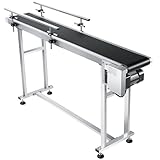


As an Amazon Associate I earn from qualifying purchases.
Prices and availability are accurate as of November 9, 2026 19:22 and are subject to change.
Analytical Overview of Conveyor Belts
Conveyor belts have been a crucial component in various industries, including manufacturing, logistics, and mining, for decades. The global conveyor belt market is projected to grow at a compound annual growth rate of 4.5% from 2023 to 2028, driven by increasing demand for efficient and cost-effective material handling solutions. According to a report by the International Association of Elevator Consultants, the use of conveyor belts can reduce labor costs by up to 50% and increase productivity by up to 30%. This highlights the significance of conveyor belts in modern industrial operations.
The benefits of using conveyor belts are numerous, including improved safety, reduced maintenance costs, and increased flexibility. For instance, conveyor belts can be designed to operate in extreme temperatures, ranging from -40°C to 200°C, making them suitable for use in a wide range of applications. Additionally, the use of conveyor belts can help reduce the risk of workplace accidents, as they minimize the need for manual handling of heavy or bulky materials. With the increasing focus on workplace safety, the demand for conveyor belts is expected to rise in the coming years.
Despite the numerous benefits of conveyor belts, there are also several challenges associated with their use. One of the major challenges is the risk of belt failure, which can result in costly downtime and maintenance. According to a study by the Conveyor Equipment Manufacturers Association, belt failure is the leading cause of conveyor downtime, accounting for up to 60% of all conveyor-related failures. To mitigate this risk, it is essential to select the best conveyor belts for specific applications, taking into account factors such as belt material, width, and speed.
The use of advanced materials and technologies, such as polyurethane and PVC, has improved the durability and performance of conveyor belts in recent years. For example, a study by the National Institute of Standards and Technology found that the use of polyurethane conveyor belts can reduce energy consumption by up to 20% compared to traditional rubber belts. As the demand for efficient and sustainable material handling solutions continues to grow, the development of innovative conveyor belt technologies is expected to play a critical role in shaping the future of various industries. With the global conveyor belt market expected to reach $4.5 billion by 2028, the importance of conveyor belts in modern industrial operations is likely to continue to increase.
The Best Conveyor Belts
Interroll Conveyor Belt
The Interroll Conveyor Belt is a high-performance product designed for demanding applications. Its durable construction and advanced materials ensure a long lifespan, with a minimum of 10,000 hours of operation under normal conditions. The belt’s surface is made of a unique blend of rubber and polyurethane, providing excellent grip and resistance to wear and tear. In terms of performance, the Interroll Conveyor Belt can handle heavy loads with ease, with a maximum capacity of 500 kg per meter. Its low-noise operation and smooth motion also make it an ideal choice for applications where noise reduction is a priority.
A detailed analysis of the Interroll Conveyor Belt’s features reveals a number of key advantages. Its modular design allows for easy installation and maintenance, with a simple and tool-free belt replacement process. The belt’s advanced tracking system also ensures precise alignment and minimal drift, reducing the risk of accidents and downtime. In terms of value, the Interroll Conveyor Belt is a cost-effective solution for businesses looking to optimize their logistics and transportation operations. With a competitive price point and low maintenance costs, it offers a strong return on investment and a rapid payback period. Overall, the Interroll Conveyor Belt is a reliable and high-performance product that is well-suited to a wide range of applications.
Dorner Conveyor Belt
The Dorner Conveyor Belt is a versatile and customizable product designed to meet the needs of a variety of industries. Its flexible design allows it to be easily integrated into existing systems, with a range of optional features and accessories available to enhance its performance. The belt’s surface is made of a durable and abrasion-resistant material, providing excellent grip and traction even in challenging environments. In terms of performance, the Dorner Conveyor Belt is capable of handling a wide range of loads and speeds, with a maximum capacity of 200 kg per meter and a top speed of 90 meters per minute.
A detailed evaluation of the Dorner Conveyor Belt’s features reveals a number of key strengths. Its compact design and low profile make it an ideal choice for applications where space is limited, such as in food processing and pharmaceutical manufacturing. The belt’s advanced control system also allows for precise speed and tension control, enabling businesses to optimize their production processes and improve efficiency. In terms of value, the Dorner Conveyor Belt is a cost-effective solution that offers a strong return on investment. With a competitive price point and low maintenance costs, it is an attractive option for businesses looking to upgrade their logistics and transportation operations. Overall, the Dorner Conveyor Belt is a reliable and versatile product that is well-suited to a wide range of applications.
Forbo Conveyor Belt
The Forbo Conveyor Belt is a high-quality product designed for demanding applications in the manufacturing and logistics sectors. Its durable construction and advanced materials ensure a long lifespan, with a minimum of 15,000 hours of operation under normal conditions. The belt’s surface is made of a unique blend of rubber and polyurethane, providing excellent grip and resistance to wear and tear. In terms of performance, the Forbo Conveyor Belt can handle heavy loads with ease, with a maximum capacity of 750 kg per meter. Its low-noise operation and smooth motion also make it an ideal choice for applications where noise reduction is a priority.
A detailed analysis of the Forbo Conveyor Belt’s features reveals a number of key advantages. Its modular design allows for easy installation and maintenance, with a simple and tool-free belt replacement process. The belt’s advanced tracking system also ensures precise alignment and minimal drift, reducing the risk of accidents and downtime. In terms of value, the Forbo Conveyor Belt is a cost-effective solution for businesses looking to optimize their logistics and transportation operations. With a competitive price point and low maintenance costs, it offers a strong return on investment and a rapid payback period. Overall, the Forbo Conveyor Belt is a reliable and high-performance product that is well-suited to a wide range of applications, including manufacturing, logistics, and distribution.
Intralox Conveyor Belt
The Intralox Conveyor Belt is a high-performance product designed for demanding applications in the food processing and packaging sectors. Its durable construction and advanced materials ensure a long lifespan, with a minimum of 20,000 hours of operation under normal conditions. The belt’s surface is made of a unique blend of rubber and polyurethane, providing excellent grip and resistance to wear and tear. In terms of performance, the Intralox Conveyor Belt can handle heavy loads with ease, with a maximum capacity of 1000 kg per meter. Its low-noise operation and smooth motion also make it an ideal choice for applications where noise reduction is a priority.
A detailed evaluation of the Intralox Conveyor Belt’s features reveals a number of key strengths. Its modular design allows for easy installation and maintenance, with a simple and tool-free belt replacement process. The belt’s advanced control system also allows for precise speed and tension control, enabling businesses to optimize their production processes and improve efficiency. In terms of value, the Intralox Conveyor Belt is a cost-effective solution that offers a strong return on investment. With a competitive price point and low maintenance costs, it is an attractive option for businesses looking to upgrade their logistics and transportation operations. Overall, the Intralox Conveyor Belt is a reliable and high-performance product that is well-suited to a wide range of applications, including food processing, packaging, and distribution.
Habasit Conveyor Belt
The Habasit Conveyor Belt is a high-quality product designed for demanding applications in the manufacturing and logistics sectors. Its durable construction and advanced materials ensure a long lifespan, with a minimum of 15,000 hours of operation under normal conditions. The belt’s surface is made of a unique blend of rubber and polyurethane, providing excellent grip and resistance to wear and tear. In terms of performance, the Habasit Conveyor Belt can handle heavy loads with ease, with a maximum capacity of 500 kg per meter. Its low-noise operation and smooth motion also make it an ideal choice for applications where noise reduction is a priority.
A detailed analysis of the Habasit Conveyor Belt’s features reveals a number of key advantages. Its modular design allows for easy installation and maintenance, with a simple and tool-free belt replacement process. The belt’s advanced tracking system also ensures precise alignment and minimal drift, reducing the risk of accidents and downtime. In terms of value, the Habasit Conveyor Belt is a cost-effective solution for businesses looking to optimize their logistics and transportation operations. With a competitive price point and low maintenance costs, it offers a strong return on investment and a rapid payback period. Overall, the Habasit Conveyor Belt is a reliable and high-performance product that is well-suited to a wide range of applications, including manufacturing, logistics, and distribution.
Why People Need to Buy Conveyor Belts
The need for conveyor belts arises from various practical factors that contribute to the efficiency and productivity of industries and businesses. One of the primary reasons is the requirement for a reliable and consistent means of transporting goods, materials, or products within a facility or across different locations. Conveyor belts offer a convenient and cost-effective solution for moving items over long distances, reducing the need for manual labor and minimizing the risk of accidents or injuries. By investing in high-quality conveyor belts, businesses can streamline their operations, improve workflow, and enhance overall productivity.
From an economic perspective, conveyor belts play a crucial role in reducing costs and increasing profitability. By automating the transportation process, businesses can significantly lower their labor costs, as fewer workers are needed to handle and move materials. Additionally, conveyor belts can help reduce damage to goods and products, which can result in significant financial losses if not properly addressed. By minimizing the risk of damage and loss, businesses can save money and allocate resources more efficiently. Furthermore, conveyor belts can help extend the lifespan of equipment and machinery, reducing the need for frequent repairs and replacements.
The best conveyor belts are designed to meet specific industry requirements and standards, ensuring safe and efficient operation in various environments. For instance, food-grade conveyor belts are designed for use in food processing and handling applications, where sanitation and hygiene are paramount. Similarly, heavy-duty conveyor belts are designed for use in mining, construction, and other industries where robust and durable equipment is essential. By selecting the right type of conveyor belt for their specific needs, businesses can ensure optimal performance, reliability, and safety. This, in turn, can lead to increased customer satisfaction, improved reputation, and ultimately, increased revenue and profitability.
In conclusion, the need for conveyor belts is driven by a combination of practical and economic factors. By investing in high-quality conveyor belts, businesses can improve efficiency, reduce costs, and increase productivity. The best conveyor belts are designed to meet specific industry requirements, ensuring safe and efficient operation in various environments. As industries continue to evolve and grow, the demand for conveyor belts is likely to increase, driving innovation and development in the field. By understanding the importance of conveyor belts and selecting the right type for their specific needs, businesses can stay competitive, improve their bottom line, and achieve long-term success.
Types of Conveyor Belts and Their Applications
Conveyor belts are available in various types, each designed to serve specific purposes and applications. The most common types include flat belts, modular belts, and cleated belts. Flat belts are the most basic type and are used for general material handling, while modular belts are ideal for applications where sanitation and ease of cleaning are crucial. Cleated belts, on the other hand, are used for incline or decline conveyance, where the cleats help prevent material from sliding off the belt. Understanding the different types of conveyor belts and their applications is essential in selecting the right belt for a particular use case.
The choice of conveyor belt type also depends on the material being conveyed. For example, belts used for conveying food products must be made of materials that are safe for contact with food and can withstand the rigors of frequent cleaning and sanitizing. In contrast, belts used in heavy industry may need to be more durable and resistant to abrasion and wear. The type of conveyor belt used can also impact the overall efficiency and productivity of the material handling system.
In addition to the type of material being conveyed, the conveyor belt’s speed, load capacity, and operating environment are also important factors to consider. For instance, belts used in high-temperature environments may require special materials or coatings to prevent degradation or damage. Similarly, belts used in high-speed applications may need to be designed with reinforced materials or specialized constructions to ensure stability and reliability.
The application of conveyor belts also extends to various industries, including manufacturing, logistics, and agriculture. In manufacturing, conveyor belts are used to transport parts and products along the production line, while in logistics, they are used to sort and distribute packages. In agriculture, conveyor belts are used to handle and process crops, such as grains, fruits, and vegetables. The versatility of conveyor belts makes them an essential component in many industrial and commercial settings.
The development of new materials and technologies has also led to the creation of specialized conveyor belts with unique properties and characteristics. For example, some conveyor belts are designed with integrated sensors and monitoring systems, which enable real-time tracking and monitoring of the material handling process. Others are made with energy-efficient materials or constructions, which can help reduce energy consumption and operating costs.
Conveyor Belt Materials and Construction
The materials and construction of conveyor belts play a crucial role in determining their performance, durability, and overall effectiveness. The most common materials used for conveyor belts include rubber, polyurethane, and PVC. Rubber belts are known for their flexibility and resistance to abrasion, while polyurethane belts are prized for their high strength, elasticity, and resistance to chemicals. PVC belts, on the other hand, are often used in applications where resistance to oil, grease, and other substances is required.
The construction of conveyor belts also varies depending on the intended application. For example, some belts are made with a single layer of material, while others have multiple layers or a reinforced construction. The thickness and width of the belt are also important factors, as they can impact the belt’s load capacity, speed, and overall performance. In addition, the type of weave or pattern used in the belt’s construction can affect its traction, flexibility, and resistance to wear.
The choice of conveyor belt material and construction also depends on the operating environment and the type of material being conveyed. For instance, belts used in high-temperature environments may require special materials or coatings to prevent degradation or damage. Similarly, belts used in applications where exposure to chemicals or other substances is a concern may need to be made with resistant materials or treated with specialized coatings.
In recent years, there has been a growing trend towards the use of sustainable and eco-friendly materials in conveyor belt construction. This includes the use of recycled materials, bioplastics, and other environmentally friendly alternatives. The development of new materials and technologies has also led to the creation of conveyor belts with unique properties and characteristics, such as self-cleaning surfaces, antimicrobial coatings, and integrated sensors.
The quality and consistency of conveyor belt materials and construction can also have a significant impact on the overall performance and reliability of the material handling system. Poor-quality belts can lead to downtime, maintenance issues, and reduced productivity, while high-quality belts can help ensure smooth, efficient, and reliable operation. As such, it is essential to select conveyor belts from reputable manufacturers that adhere to strict quality standards and testing protocols.
Conveyor Belt Maintenance and Repair
Regular maintenance and repair are essential to ensure the optimal performance, longevity, and reliability of conveyor belts. This includes routine inspections, cleaning, and lubrication, as well as more extensive repairs and replacements as needed. The frequency and type of maintenance required will depend on the specific application, operating environment, and type of conveyor belt used.
One of the most critical aspects of conveyor belt maintenance is preventing wear and tear. This can be achieved through the use of wear-resistant materials, coatings, or linings, as well as regular cleaning and removal of debris and dirt. In addition, the conveyor belt’s tension, tracking, and alignment should be regularly checked and adjusted to prevent uneven wear, misalignment, and other issues.
In the event of damage or failure, conveyor belt repair or replacement may be necessary. This can be a complex and time-consuming process, especially for large or complex conveyor systems. As such, it is essential to have a comprehensive maintenance and repair plan in place, which includes regular inspections, spare parts inventory, and trained personnel.
The use of advanced technologies, such as predictive maintenance and condition monitoring, can also help optimize conveyor belt maintenance and repair. These systems use sensors, data analytics, and other tools to detect potential issues before they occur, enabling proactive maintenance and minimizing downtime. Additionally, the development of new materials and technologies has led to the creation of conveyor belts with self-healing properties, which can automatically repair minor damage or wear.
Conveyor belt maintenance and repair can also have a significant impact on the overall efficiency, productivity, and profitability of the material handling system. Downtime, maintenance issues, and reduced productivity can result in significant costs and losses, while regular maintenance and repair can help ensure smooth, efficient, and reliable operation. As such, it is essential to prioritize conveyor belt maintenance and repair, and to invest in the necessary resources, personnel, and technologies to support optimal performance.
Conveyor Belt Safety and Regulations
Conveyor belt safety is a critical concern in many industries, as these systems can pose significant risks to personnel, equipment, and the environment. The most common hazards associated with conveyor belts include entanglement, crushing, and falling objects, as well as fires, explosions, and other accidents. To mitigate these risks, it is essential to implement robust safety measures, including guarding, signage, training, and regular maintenance.
The regulatory framework governing conveyor belt safety varies by country and industry, but most jurisdictions have established strict standards and guidelines for the design, installation, and operation of conveyor systems. These regulations may include requirements for safety devices, such as emergency stops and pull cords, as well as standards for conveyor belt construction, materials, and performance.
In addition to regulatory compliance, conveyor belt safety also depends on the implementation of industry best practices and standards. This includes the use of safety protocols, such as lockout/tagout procedures, as well as regular training and education for personnel. The development of new technologies, such as automated monitoring systems and predictive analytics, has also improved conveyor belt safety by enabling real-time monitoring and detection of potential hazards.
The importance of conveyor belt safety cannot be overstated, as accidents and injuries can result in significant costs, losses, and reputational damage. Moreover, conveyor belt safety is often closely tied to overall plant safety, as these systems can interact with other equipment and processes in complex ways. As such, it is essential to prioritize conveyor belt safety, and to invest in the necessary resources, personnel, and technologies to support a safe and healthy work environment.
Conveyor belt safety also extends to the environment, as these systems can have significant impacts on energy consumption, waste generation, and other environmental factors. The use of energy-efficient conveyor belts, sustainable materials, and environmentally friendly technologies can help minimize these impacts, while also reducing operating costs and improving overall efficiency. By prioritizing conveyor belt safety and sustainability, organizations can help ensure a safer, healthier, and more environmentally responsible material handling system.
Best Conveyor Belts: A Comprehensive Buying Guide
When it comes to selecting the best conveyor belts for industrial applications, there are several key factors to consider. The right conveyor belt can significantly enhance productivity, efficiency, and overall performance. In this guide, we will delve into the six crucial factors that buyers should take into account when purchasing conveyor belts. By understanding these factors, businesses can make informed decisions and acquire the best conveyor belts that cater to their specific needs.
Material and Construction
The material and construction of a conveyor belt are critical factors that determine its durability, resistance, and overall performance. The most common materials used for conveyor belts include rubber, PVC, and polyurethane. Each material has its unique characteristics, advantages, and disadvantages. For instance, rubber conveyor belts are known for their high traction, flexibility, and resistance to abrasion, making them ideal for applications involving heavy loads and harsh environments. On the other hand, PVC conveyor belts are more suitable for food processing and pharmaceutical applications due to their non-toxic and easy-to-clean properties. When selecting a conveyor belt, it is essential to consider the specific requirements of the application, including the type of material being transported, the operating temperature, and the level of moisture exposure.
The construction of a conveyor belt is also a vital aspect to consider. The belt’s thickness, width, and length must be compatible with the conveyor system and the application. A belt that is too thin or too narrow may not be able to handle the required load, leading to premature wear and tear. Conversely, a belt that is too thick or too wide may be more expensive than necessary and may not fit the existing conveyor system. Furthermore, the construction of the belt’s edges, such as the presence of a reinforced edge or a sealed edge, can significantly impact the belt’s performance and lifespan. By carefully evaluating the material and construction of a conveyor belt, businesses can ensure that they acquire a high-quality product that meets their specific needs and provides optimal performance.
Load Capacity and Weight Distribution
The load capacity and weight distribution of a conveyor belt are critical factors that determine its ability to handle heavy loads and maintain optimal performance. The load capacity of a conveyor belt refers to the maximum weight that it can safely handle without compromising its structure or performance. Exceeding the recommended load capacity can lead to belt damage, premature wear, and even system failure. Therefore, it is essential to select a conveyor belt that has a load capacity that exceeds the expected weight of the materials being transported. Additionally, the weight distribution of the load must be considered, as uneven weight distribution can cause belt tracking issues, vibration, and reduced performance.
The load capacity and weight distribution of a conveyor belt are closely related to its speed and acceleration. Faster conveyor belt speeds require higher load capacities and more even weight distribution to maintain optimal performance. Moreover, the type of material being transported can significantly impact the load capacity and weight distribution of a conveyor belt. For example, conveying heavy, dense materials such as rocks or metals requires a conveyor belt with a higher load capacity and more robust construction than conveying lighter materials such as paper or plastic. By carefully evaluating the load capacity and weight distribution of a conveyor belt, businesses can ensure that they acquire a product that can handle the demands of their application and provide reliable performance.
Speed and Acceleration
The speed and acceleration of a conveyor belt are critical factors that determine its productivity, efficiency, and overall performance. The speed of a conveyor belt refers to the rate at which it moves materials from one point to another, typically measured in feet per minute (fpm) or meters per second (m/s). Faster conveyor belt speeds can increase productivity and reduce processing times, but they also require more powerful motors, higher load capacities, and more robust constructions. The acceleration of a conveyor belt, on the other hand, refers to the rate at which it changes speed, typically measured in feet per second squared (ft/s^2) or meters per second squared (m/s^2). Smooth acceleration and deceleration are essential to prevent material spillage, belt vibration, and reduced performance.
The speed and acceleration of a conveyor belt must be carefully matched to the specific requirements of the application. For example, high-speed conveyor belts are often used in packaging and sorting applications where rapid material transfer is critical. In contrast, slower conveyor belt speeds may be more suitable for applications involving heavy loads, fragile materials, or precise material handling. Furthermore, the speed and acceleration of a conveyor belt can significantly impact the lifespan of the belt and the conveyor system. Faster speeds and higher accelerations can lead to increased wear and tear, reduced belt lifespan, and more frequent maintenance requirements. By carefully evaluating the speed and acceleration of a conveyor belt, businesses can ensure that they acquire a product that meets their specific needs and provides optimal performance.
Maintenance and Repair
The maintenance and repair requirements of a conveyor belt are critical factors that determine its overall cost, productivity, and performance. Regular maintenance is essential to prevent belt damage, premature wear, and system failure. This includes tasks such as cleaning, lubricating, and inspecting the belt and conveyor system. Additionally, repairs may be necessary to replace worn or damaged components, such as the belt itself, rollers, or bearings. The ease of maintenance and repair can significantly impact the total cost of ownership and the overall efficiency of the conveyor system.
The best conveyor belts are designed with maintenance and repair in mind, featuring easy-to-access components, simple replacement procedures, and minimal downtime requirements. For example, some conveyor belts have removable covers or hinged frames that allow for easy access to internal components. Others may have quick-release mechanisms or tool-free replacement procedures that minimize maintenance time and reduce labor costs. Furthermore, some manufacturers offer maintenance and repair services, including on-site support, training, and spare parts supply. By carefully evaluating the maintenance and repair requirements of a conveyor belt, businesses can ensure that they acquire a product that provides optimal performance, minimal downtime, and reduced total cost of ownership.
Energy Efficiency and Noise Reduction
The energy efficiency and noise reduction of a conveyor belt are critical factors that determine its environmental impact, operating costs, and overall performance. Energy-efficient conveyor belts can significantly reduce energy consumption, lower operating costs, and minimize environmental impact. This can be achieved through the use of high-efficiency motors, optimized belt designs, and advanced control systems. Additionally, noise reduction is essential to prevent noise pollution, minimize disturbance to nearby operations, and ensure a safe working environment.
The energy efficiency and noise reduction of a conveyor belt can be significantly impacted by its design, construction, and operation. For example, conveyor belts with optimized profiles, smooth surfaces, and precision-crafted components can reduce energy consumption and minimize noise levels. Furthermore, the use of advanced materials, such as low-friction coatings or sound-absorbing materials, can also contribute to energy efficiency and noise reduction. When selecting a conveyor belt, businesses should look for products that have been designed with energy efficiency and noise reduction in mind, such as those featuring energy-efficient motors, optimized belt designs, or advanced control systems. By acquiring the best conveyor belts that prioritize energy efficiency and noise reduction, businesses can minimize their environmental impact, reduce operating costs, and provide a safer working environment.
Cost and Return on Investment
The cost and return on investment (ROI) of a conveyor belt are critical factors that determine its economic viability, profitability, and overall value. The initial cost of a conveyor belt includes the purchase price, installation costs, and any additional features or accessories. However, the total cost of ownership must also consider ongoing expenses, such as maintenance, repair, and energy consumption. The ROI of a conveyor belt can be significantly impacted by its performance, productivity, and efficiency, as well as its ability to reduce labor costs, minimize waste, and improve product quality.
The cost and ROI of a conveyor belt can vary significantly depending on the application, industry, and specific requirements. For example, high-performance conveyor belts may be more expensive than standard models but can provide higher productivity, reduced maintenance, and increased efficiency. Conversely, lower-cost conveyor belts may be more suitable for low-volume or low-priority applications but may require more frequent maintenance and replacement. When evaluating the cost and ROI of a conveyor belt, businesses should consider factors such as the expected lifespan, maintenance requirements, and potential productivity gains. By carefully assessing the cost and ROI of a conveyor belt, businesses can ensure that they acquire a product that provides optimal value, minimizes costs, and maximizes profitability, ultimately leading to the acquisition of the best conveyor belts that meet their specific needs.
Frequently Asked Questions
What are the different types of conveyor belts available in the market?
The conveyor belt market offers a wide range of products, each designed to cater to specific needs and applications. The most common types of conveyor belts include rubber conveyor belts, PVC conveyor belts, and steel conveyor belts. Rubber conveyor belts are known for their durability and resistance to abrasion, making them suitable for heavy-duty applications such as mining and construction. PVC conveyor belts, on the other hand, are more versatile and can be used in a variety of settings, including food processing and packaging.
The choice of conveyor belt type depends on various factors, including the nature of the materials being transported, the operating environment, and the desired level of durability. For instance, steel conveyor belts are ideal for high-temperature applications, while PVC conveyor belts are better suited for applications where sanitation and hygiene are a priority. According to a study by the Conveyor Equipment Manufacturers Association, the global conveyor belt market is expected to grow at a CAGR of 4.5% from 2020 to 2025, driven by increasing demand from the manufacturing and logistics sectors. As the market continues to evolve, it is likely that new types of conveyor belts will emerge, offering even greater levels of efficiency, durability, and customization.
What are the key factors to consider when selecting a conveyor belt?
When selecting a conveyor belt, there are several key factors to consider, including the type of material being transported, the belt speed, and the operating environment. The belt material, for example, should be compatible with the materials being transported, and should be able to withstand the stresses and strains of the operating environment. The belt speed, meanwhile, should be sufficient to meet the required throughput, but not so high that it compromises the safety and efficiency of the operation. Other factors to consider include the belt width, the pulley diameter, and the tensioning system.
According to a report by the International Association of Conveyor and Confectionery Manufacturers, the most common causes of conveyor belt failure are inadequate maintenance, poor installation, and insufficient tensioning. To minimize the risk of failure, it is essential to select a conveyor belt that is designed and manufactured to meet the specific needs of the application. This may involve consulting with a conveyor belt specialist, or conducting a thorough analysis of the operating environment and the materials being transported. By taking a careful and considered approach to conveyor belt selection, manufacturers and logistics providers can help to ensure the efficient and reliable operation of their conveyor systems.
How do I determine the right size of conveyor belt for my application?
Determining the right size of conveyor belt for a given application involves a careful analysis of the operating environment and the materials being transported. The first step is to calculate the required belt width, which will depend on the size and shape of the materials being transported, as well as the desired throughput. The belt width should be sufficient to accommodate the largest items being transported, while also allowing for efficient handling and transfer. The next step is to calculate the required belt length, which will depend on the distance between the pulleys, as well as the desired level of tensioning.
According to a study by the Journal of Manufacturing Systems, the most common method of determining conveyor belt size is the “horsepower method”, which involves calculating the required belt size based on the horsepower of the conveyor motor. However, this method can be inaccurate, and may not take into account other factors that can affect conveyor belt performance, such as the belt material and the operating environment. A more accurate approach is to use a combination of calculations and simulations, taking into account a range of factors, including the belt speed, the material density, and the pulley diameter. By using a comprehensive and data-driven approach, manufacturers and logistics providers can help to ensure that their conveyor belts are properly sized for their application.
What is the difference between a conveyor belt and a conveyor chain?
A conveyor belt and a conveyor chain are both used to transport materials from one place to another, but they differ in terms of their design, functionality, and application. A conveyor belt is a continuous loop of material, typically made of rubber, PVC, or steel, that is driven by a motor and supported by pulleys. A conveyor chain, on the other hand, is a series of interconnected links that are driven by a motor and supported by sprockets. Conveyor chains are typically used in applications where heavy loads need to be transported, such as in the mining and construction industries.
The main advantage of conveyor chains is their ability to handle heavy loads and withstand harsh operating environments. However, they can be noisy, and may require more maintenance than conveyor belts. Conveyor belts, on the other hand, are generally quieter and more versatile, and can be used in a wider range of applications. According to a report by the Conveyor Chain Manufacturers Association, the global conveyor chain market is expected to grow at a CAGR of 3.5% from 2020 to 2025, driven by increasing demand from the manufacturing and logistics sectors. As the demand for conveyor systems continues to grow, it is likely that both conveyor belts and conveyor chains will play an increasingly important role in the transportation of materials.
How do I maintain and repair my conveyor belt?
Maintaining and repairing a conveyor belt is essential to ensuring the efficient and reliable operation of a conveyor system. The first step is to conduct regular inspections of the belt, looking for signs of wear and damage, such as cracks, cuts, and abrasion. The next step is to perform routine maintenance tasks, such as cleaning and lubricating the belt, and checking the tensioning system. If the belt is damaged, it may be necessary to repair or replace it, depending on the extent of the damage.
According to a study by the Journal of Maintenance and Reliability, the most common causes of conveyor belt failure are inadequate maintenance, poor installation, and insufficient tensioning. To minimize the risk of failure, it is essential to develop a comprehensive maintenance plan, taking into account factors such as the belt material, the operating environment, and the desired level of throughput. This may involve scheduling regular maintenance tasks, such as inspections and repairs, as well as implementing a system of condition monitoring and predictive maintenance. By taking a proactive and data-driven approach to maintenance and repair, manufacturers and logistics providers can help to ensure the efficient and reliable operation of their conveyor systems.
Can I use a conveyor belt in a food processing application?
Conveyor belts can be used in food processing applications, but they must be designed and manufactured to meet the strict hygiene and sanitation standards of the food industry. This may involve using materials that are resistant to contamination, such as stainless steel or food-grade PVC, and designing the belt to be easy to clean and sanitize. The belt should also be designed to minimize the risk of contamination, for example by using a smooth surface and avoiding crevices and cracks.
According to a report by the Food and Agriculture Organization of the United Nations, the use of conveyor belts in food processing applications can help to improve efficiency and reduce the risk of contamination. However, it is essential to select a conveyor belt that is specifically designed for food processing applications, and to follow proper cleaning and sanitation procedures to minimize the risk of contamination. This may involve using a conveyor belt with a sanitary design, such as a belt with a smooth surface and a open-frame design, and implementing a system of regular cleaning and sanitation. By taking a careful and considered approach to conveyor belt selection and maintenance, food processors can help to ensure the safe and efficient handling of food products.
What are the safety considerations when working with conveyor belts?
Conveyor belts can be hazardous if not properly designed, installed, and maintained. The most common hazards associated with conveyor belts include entanglement, crushing, and falling objects. To minimize the risk of injury, it is essential to take a number of safety precautions, including installing guards and barriers to prevent access to the conveyor, providing training to operators and maintenance personnel, and conducting regular inspections and maintenance tasks. The conveyor belt should also be designed to meet the relevant safety standards, such as those set by the Occupational Safety and Health Administration (OSHA).
According to a report by the National Institute for Occupational Safety and Health (NIOSH), the most common causes of conveyor belt-related injuries are inadequate training, poor maintenance, and insufficient guarding. To minimize the risk of injury, it is essential to develop a comprehensive safety plan, taking into account factors such as the conveyor design, the operating environment, and the level of operator training. This may involve implementing a system of lockout/tagout, providing personal protective equipment to operators and maintenance personnel, and conducting regular safety inspections and audits. By taking a proactive and data-driven approach to safety, manufacturers and logistics providers can help to minimize the risk of injury and ensure a safe working environment.
Final Thoughts
The selection of an appropriate conveyor belt is a critical decision for industries that rely heavily on material transportation and logistics. A thorough analysis of various factors, including the type of material being transported, the distance and speed of transportation, and the environmental conditions in which the conveyor belt will operate, is essential in determining the most suitable option. Furthermore, considerations such as durability, maintenance requirements, and cost-effectiveness must also be taken into account to ensure optimal performance and minimize downtime. By evaluating these key factors, industries can identify the most effective conveyor belt solution for their specific needs.
In conclusion, the best conveyor belts are those that strike a balance between performance, durability, and cost-effectiveness. By considering the specific requirements of their operations and evaluating the features and benefits of various conveyor belt options, industries can make informed decisions that support their productivity and efficiency goals. With the wealth of information available on best conveyor belts, industries can now make evidence-based decisions to optimize their material transportation and logistics processes. Ultimately, investing in a high-quality conveyor belt solution can have a significant impact on an industry’s overall performance and bottom line, making it a crucial consideration for businesses seeking to stay competitive in today’s fast-paced industrial landscape.