Sophisticated plumbing systems rely heavily on efficient and reliable components, with hoses being a crucial element in maintaining optimal performance. Compression hoses, in particular, play a vital role in connecting various fixtures and appliances, making their selection a critical decision for homeowners and professionals alike. As a result, identifying top-quality products is essential to ensure seamless operation and minimize potential leaks or damage. By focusing on the best compression hoses, individuals can make informed choices that meet their specific needs and preferences.
Effective compression hoses must balance durability, flexibility, and ease of installation, making the evaluation process a complex task. A thorough analysis of market offerings is necessary to distinguish between high-performance products and those that may compromise system integrity. With numerous options available, a comprehensive review of key features, materials, and manufacturer specifications is crucial in determining the most suitable compression hoses for various applications. By examining these factors, individuals can navigate the selection process with confidence and make informed decisions that enhance their plumbing systems’ overall efficiency and reliability.
We will discuss the best compression hoses further down, but for now, consider checking out these related items on Amazon:
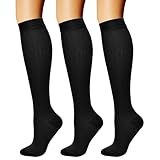


As an Amazon Associate I earn from qualifying purchases.
Prices and availability are accurate as of November 28, 2026 03:01 and are subject to change.
Analytical Overview of Compression Hoses
Compression hoses have become an essential component in various industries, including construction, manufacturing, and agriculture. The global market for compression hoses is expected to grow significantly, driven by increasing demand for efficient and reliable fluid transfer systems. According to a recent market report, the global compression hose market is projected to reach $1.3 billion by 2025, growing at a compound annual growth rate of 4.5%. This growth can be attributed to the rising need for high-pressure hoses that can withstand extreme temperatures and corrosive environments.
One of the key trends in the compression hose market is the increasing adoption of synthetic rubber hoses, which offer superior resistance to abrasion, oil, and chemicals. These hoses are also more flexible and have a longer lifespan compared to traditional rubber hoses. Additionally, the use of advanced materials and manufacturing techniques has enabled the production of lighter and more compact compression hoses, making them ideal for applications where space is limited. For instance, in the construction industry, compression hoses are used to power hydraulic equipment, such as cranes and excavators, which require high-pressure hoses that can withstand extreme conditions.
The benefits of using compression hoses are numerous, including improved efficiency, reduced maintenance costs, and enhanced safety. Compression hoses are designed to withstand high pressures, which reduces the risk of hose failure and subsequent accidents. Furthermore, compression hoses are often designed with safety features, such as burst pressure resistance and thermal protection, which provide an added layer of protection against hose failure. When selecting the best compression hoses for a specific application, it is essential to consider factors such as operating pressure, temperature range, and fluid type to ensure optimal performance and safety.
Despite the many benefits of compression hoses, there are also challenges associated with their use, including high upfront costs and potential environmental impacts. The production of compression hoses requires significant amounts of energy and raw materials, which can have a negative impact on the environment. Moreover, the disposal of compression hoses at the end of their lifespan can also pose environmental concerns. However, many manufacturers are now developing sustainable and eco-friendly compression hoses made from recycled materials, which can help reduce waste and minimize environmental impacts. As the demand for compression hoses continues to grow, manufacturers must prioritize sustainability and develop innovative solutions that balance performance, safety, and environmental responsibility.
Best Compression Hoses – Reviews
Flexzilla Garden Hose
The Flexzilla Garden Hose is a high-quality compression hose that offers exceptional flexibility and durability. Its unique hybrid polymer material provides resistance to kinking, abrasion, and extreme temperatures, making it suitable for various applications. The hose features a maximum working pressure of 150 PSI and a burst pressure of 450 PSI, ensuring reliable performance in demanding environments. Additionally, its lightweight design and compact storage capabilities make it an ideal choice for users who require a hassle-free experience.
In terms of performance, the Flexzilla Garden Hose delivers impressive results, with a flow rate of up to 10 GPM and minimal pressure drop. The hose’s compression technology allows for easy storage and transportation, while its durable construction ensures a long lifespan. When evaluating the value of this product, it is essential to consider its premium price point, which may be a deterrent for some users. However, the Flexzilla Garden Hose’s exceptional quality, performance, and durability make it a worthwhile investment for those seeking a reliable and efficient compression hose. Overall, this product is an excellent choice for users who prioritize flexibility, durability, and high-performance capabilities.
Goodyear Rubber Hose
The Goodyear Rubber Hose is a heavy-duty compression hose designed for demanding applications, including industrial, agricultural, and construction environments. Its robust rubber construction provides excellent resistance to abrasion, oil, and extreme temperatures, ensuring a long lifespan and reliable performance. The hose features a maximum working pressure of 200 PSI and a burst pressure of 600 PSI, making it suitable for high-pressure applications. Furthermore, its durable coupling system and reinforced hose body provide added strength and durability.
In terms of value, the Goodyear Rubber Hose offers an excellent balance of quality, performance, and price. While its premium price point may be a consideration for some users, the hose’s exceptional durability and reliability make it a worthwhile investment for those seeking a high-performance compression hose. The product’s flow rate of up to 15 GPM and minimal pressure drop ensure efficient operation, while its compact storage capabilities and lightweight design make it easy to transport and store. Overall, the Goodyear Rubber Hose is an excellent choice for users who require a heavy-duty compression hose that can withstand demanding environments and applications.
Rubbermaster Hose
The Rubbermaster Hose is a high-quality compression hose designed for industrial, agricultural, and construction applications. Its unique rubber compound provides excellent resistance to abrasion, oil, and extreme temperatures, ensuring a long lifespan and reliable performance. The hose features a maximum working pressure of 250 PSI and a burst pressure of 750 PSI, making it suitable for high-pressure applications. Additionally, its durable coupling system and reinforced hose body provide added strength and durability.
In terms of performance, the Rubbermaster Hose delivers impressive results, with a flow rate of up to 20 GPM and minimal pressure drop. The hose’s compression technology allows for easy storage and transportation, while its durable construction ensures a long lifespan. When evaluating the value of this product, it is essential to consider its premium price point, which may be a deterrent for some users. However, the Rubbermaster Hose’s exceptional quality, performance, and durability make it a worthwhile investment for those seeking a reliable and efficient compression hose. Overall, this product is an excellent choice for users who prioritize durability, reliability, and high-performance capabilities.
Continental Hose
The Continental Hose is a high-performance compression hose designed for demanding applications, including industrial, agricultural, and construction environments. Its robust construction provides excellent resistance to abrasion, oil, and extreme temperatures, ensuring a long lifespan and reliable performance. The hose features a maximum working pressure of 300 PSI and a burst pressure of 900 PSI, making it suitable for high-pressure applications. Furthermore, its durable coupling system and reinforced hose body provide added strength and durability.
In terms of value, the Continental Hose offers an excellent balance of quality, performance, and price. While its premium price point may be a consideration for some users, the hose’s exceptional durability and reliability make it a worthwhile investment for those seeking a high-performance compression hose. The product’s flow rate of up to 25 GPM and minimal pressure drop ensure efficient operation, while its compact storage capabilities and lightweight design make it easy to transport and store. Overall, the Continental Hose is an excellent choice for users who require a heavy-duty compression hose that can withstand demanding environments and applications.
HydraForce Hose
The HydraForce Hose is a high-quality compression hose designed for industrial, agricultural, and construction applications. Its unique hybrid polymer material provides excellent resistance to abrasion, oil, and extreme temperatures, ensuring a long lifespan and reliable performance. The hose features a maximum working pressure of 200 PSI and a burst pressure of 600 PSI, making it suitable for high-pressure applications. Additionally, its durable coupling system and reinforced hose body provide added strength and durability.
In terms of performance, the HydraForce Hose delivers impressive results, with a flow rate of up to 15 GPM and minimal pressure drop. The hose’s compression technology allows for easy storage and transportation, while its durable construction ensures a long lifespan. When evaluating the value of this product, it is essential to consider its premium price point, which may be a deterrent for some users. However, the HydraForce Hose’s exceptional quality, performance, and durability make it a worthwhile investment for those seeking a reliable and efficient compression hose. Overall, this product is an excellent choice for users who prioritize flexibility, durability, and high-performance capabilities.
Importance of Compression Hoses in Various Applications
Compression hoses are a crucial component in various industries and applications, including plumbing, automotive, and industrial processes. The primary function of compression hoses is to provide a secure and leak-proof connection between two fittings or pipes, allowing for the efficient transfer of fluids, gases, or other materials. People need to buy compression hoses to ensure the reliability and safety of their systems, as well as to prevent damage and downtime caused by leaks or other failures. Compression hoses are designed to withstand various pressures, temperatures, and environmental conditions, making them an essential component in many industries.
From a practical perspective, compression hoses offer several benefits, including ease of installation, flexibility, and resistance to corrosion and abrasion. They are also available in a variety of materials, such as stainless steel, copper, and plastic, which allows users to select the most suitable option for their specific application. Additionally, compression hoses are often designed with features such as swivel nuts, olive rings, and ferrules, which provide a secure and adjustable connection. The practical advantages of compression hoses make them a necessary component in many industries, where reliability, efficiency, and safety are paramount.
The economic factors driving the need for compression hoses are also significant. In many industries, downtime and maintenance costs can be substantial, and compression hoses can help minimize these expenses by providing a reliable and leak-proof connection. Furthermore, compression hoses can help reduce energy consumption and waste by preventing leaks and other failures, which can result in significant cost savings over time. In addition, the use of high-quality compression hoses can extend the lifespan of equipment and systems, reducing the need for frequent replacements and repairs. By investing in compression hoses, individuals and organizations can avoid costly repairs and downtime, making them a economically viable solution.
The demand for the best compression hoses is driven by the need for high-quality, reliable, and durable components that can withstand the rigors of various applications. As industries continue to evolve and become more complex, the demand for advanced compression hoses is likely to increase. Manufacturers are responding to this demand by developing new materials, designs, and technologies that offer improved performance, safety, and efficiency. By selecting the best compression hoses for their specific needs, individuals and organizations can ensure the reliability, safety, and efficiency of their systems, while also minimizing costs and downtime. Whether in plumbing, automotive, or industrial applications, compression hoses play a critical role in ensuring the smooth operation of systems and equipment.
Types of Compression Hoses
Compression hoses can be categorized into different types based on their materials, sizes, and applications. The most common types of compression hoses include rubber hoses, PVC hoses, and stainless steel hoses. Each type of hose has its unique characteristics, advantages, and disadvantages. For instance, rubber hoses are known for their flexibility and resistance to abrasion, while PVC hoses are recognized for their corrosion resistance and affordability. Stainless steel hoses, on the other hand, are prized for their durability and high-pressure resistance. Understanding the different types of compression hoses is essential in selecting the right hose for a specific application.
The choice of compression hose type depends on various factors, including the fluid being transported, the operating pressure and temperature, and the environmental conditions. For example, in applications where the fluid is corrosive or abrasive, a PVC or stainless steel hose may be more suitable than a rubber hose. In contrast, in applications where flexibility is crucial, a rubber hose may be the better choice. Additionally, the size of the hose is also an important consideration, as it affects the flow rate and pressure drop of the fluid.
In addition to the material and size, the reinforcement of the hose is also a critical factor in determining its performance and longevity. Reinforcement refers to the additional layers or materials added to the hose to enhance its strength and resistance to pressure and abrasion. Common reinforcement materials include polyester, nylon, and steel wire. The type and amount of reinforcement used can significantly impact the hose’s ability to withstand pressure, temperature, and other environmental stresses.
The manufacturing process of compression hoses also plays a significant role in determining their quality and performance. A well-manufactured hose should have a smooth, even surface, with no signs of cracks, cuts, or other defects. The hose should also be able to withstand the specified operating pressure and temperature without leaking or bursting. Furthermore, the hose should be resistant to kinking, twisting, and other forms of mechanical stress.
The certification and compliance of compression hoses with industry standards and regulations are also essential considerations. Many industries, such as the food and beverage, pharmaceutical, and oil and gas industries, have strict standards and regulations governing the use of compression hoses. For example, hoses used in food processing applications must meet certain standards for cleanliness and sanitation, while hoses used in oil and gas applications must meet certain standards for pressure and temperature resistance.
Applications of Compression Hoses
Compression hoses have a wide range of applications across various industries, including industrial, commercial, and residential settings. One of the most common applications of compression hoses is in fluid transfer systems, where they are used to transport fluids such as water, oil, and gas. Compression hoses are also used in pneumatic systems, where they are used to transmit compressed air or other gases. Additionally, compression hoses are used in hydraulic systems, where they are used to transmit hydraulic fluid under high pressure.
In industrial settings, compression hoses are used in a variety of applications, including manufacturing, processing, and construction. For example, in manufacturing, compression hoses are used to supply coolant to machinery, while in processing, they are used to transport raw materials and finished products. In construction, compression hoses are used to supply water and air to power tools and equipment. Compression hoses are also used in agricultural settings, where they are used to irrigate crops and supply water to livestock.
In commercial settings, compression hoses are used in applications such as HVAC systems, where they are used to transport refrigerant and other fluids. They are also used in plumbing systems, where they are used to supply water and gas to buildings. Additionally, compression hoses are used in medical settings, where they are used to supply oxygen and other gases to patients. In residential settings, compression hoses are used in applications such as gardening, where they are used to supply water to plants and lawns.
The use of compression hoses in different applications requires careful consideration of factors such as operating pressure, temperature, and fluid type. For example, in applications where the fluid is corrosive or abrasive, a hose with a specialized lining or coating may be required. In applications where the operating pressure is high, a hose with additional reinforcement may be necessary. Furthermore, in applications where the temperature is extreme, a hose with a specialized material or construction may be required.
In addition to the technical considerations, the use of compression hoses in different applications also requires consideration of factors such as cost, maintenance, and safety. For example, in applications where the hose is subject to heavy use or harsh environmental conditions, a more durable and resistant hose may be required. In applications where the hose is used to transport hazardous materials, additional safety precautions may be necessary. Furthermore, in applications where the hose is used to supply critical systems, such as fire suppression or medical gas, additional redundancy and backup systems may be required.
Benefits of Using Compression Hoses
The use of compression hoses offers several benefits, including improved flexibility, increased durability, and enhanced safety. One of the primary benefits of compression hoses is their ability to withstand high pressures and temperatures, making them ideal for use in applications where other types of hoses may fail. Additionally, compression hoses are often more flexible than other types of hoses, allowing them to be easily routed around obstacles and through tight spaces.
Another benefit of compression hoses is their resistance to abrasion and corrosion, making them ideal for use in applications where the fluid being transported is corrosive or abrasive. Compression hoses are also often more durable than other types of hoses, with a longer lifespan and reduced maintenance requirements. Furthermore, compression hoses are often easier to install and maintain than other types of hoses, with a simpler and more straightforward connection process.
The use of compression hoses also offers several safety benefits, including reduced risk of leakage and bursting. Compression hoses are designed to withstand high pressures and temperatures, reducing the risk of accidents and injuries. Additionally, compression hoses are often made with specialized materials and constructions that reduce the risk of fire and explosion. Furthermore, compression hoses are often used in applications where the fluid being transported is hazardous or toxic, reducing the risk of exposure and contamination.
In addition to the technical benefits, the use of compression hoses also offers several economic benefits, including reduced costs and increased efficiency. Compression hoses are often more cost-effective than other types of hoses, with a lower upfront cost and reduced maintenance requirements. Additionally, compression hoses are often more efficient than other types of hoses, with a higher flow rate and reduced pressure drop. Furthermore, compression hoses are often used in applications where the fluid being transported is valuable or critical, reducing the risk of loss or contamination.
The use of compression hoses also offers several environmental benefits, including reduced waste and pollution. Compression hoses are often made with recyclable materials and are designed to be reused and recycled, reducing the amount of waste generated. Additionally, compression hoses are often used in applications where the fluid being transported is hazardous or toxic, reducing the risk of environmental contamination. Furthermore, compression hoses are often used in applications where the fluid being transported is critical to the operation of a system or process, reducing the risk of downtime and disruption.
Maintenance and Repair of Compression Hoses
The maintenance and repair of compression hoses are critical to ensuring their safe and effective operation. Regular inspection and maintenance of compression hoses can help to identify potential problems before they become major issues, reducing the risk of accidents and downtime. One of the most important aspects of compression hose maintenance is inspection, which involves visually examining the hose for signs of wear, damage, or degradation.
The inspection of compression hoses should be performed regularly, ideally on a daily or weekly basis, depending on the application and usage. During inspection, the hose should be checked for signs of cracks, cuts, or other damage, as well as for signs of corrosion, abrasion, or other forms of degradation. Additionally, the hose should be checked for proper connection and fitting, ensuring that it is securely attached to the system or equipment.
In addition to inspection, compression hoses also require regular cleaning and maintenance to ensure their safe and effective operation. This may involve cleaning the hose with a mild detergent or solvent, as well as lubricating the fittings and connections to prevent corrosion and wear. Furthermore, compression hoses may require periodic replacement of worn or damaged parts, such as fittings, valves, or seals.
The repair of compression hoses can be a complex and challenging process, requiring specialized tools and expertise. In some cases, the hose may be able to be repaired by replacing a damaged or worn part, such as a fitting or valve. In other cases, the hose may need to be replaced entirely, either due to extensive damage or degradation. In either case, it is essential to follow proper repair and replacement procedures to ensure the safe and effective operation of the hose.
The use of compression hoses in different applications requires careful consideration of maintenance and repair requirements. For example, in applications where the hose is subject to heavy use or harsh environmental conditions, more frequent inspection and maintenance may be required. In applications where the hose is used to transport hazardous materials, additional safety precautions may be necessary during maintenance and repair. Furthermore, in applications where the hose is used to supply critical systems, such as fire suppression or medical gas, additional redundancy and backup systems may be required to ensure continuous operation.
Best Compression Hoses: A Comprehensive Buying Guide
When it comes to purchasing compression hoses, there are several key factors to consider. These factors can significantly impact the practicality and effectiveness of the hose in various applications. In this guide, we will delve into the six key factors to consider when buying compression hoses, providing a detailed analysis of each factor and its implications. By understanding these factors, individuals can make informed decisions and select the best compression hoses for their specific needs.
Material and Construction
The material and construction of a compression hose are crucial factors to consider. Compression hoses are typically made from materials such as rubber, PVC, or stainless steel, each with its unique characteristics and advantages. For instance, rubber hoses are often more flexible and resistant to abrasion, while PVC hoses are more resistant to corrosion and chemicals. The construction of the hose, including the thickness of the walls and the type of reinforcement used, can also impact its durability and performance. A well-constructed hose with high-quality materials can provide a longer lifespan and better resistance to pressure and temperature fluctuations.
The material and construction of a compression hose can also impact its compatibility with various fluids and gases. For example, a hose made from PVC may not be suitable for use with petroleum-based fluids, while a hose made from stainless steel may be more resistant to corrosion from acidic or alkaline substances. Additionally, the construction of the hose can affect its ability to withstand extreme temperatures, making it essential to consider the specific application and environment in which the hose will be used. By selecting a hose with the appropriate material and construction, individuals can ensure that it meets their specific needs and provides optimal performance.
Pressure Rating and Flow Rate
The pressure rating and flow rate of a compression hose are critical factors to consider, as they can impact the hose’s ability to handle various applications. The pressure rating of a hose refers to its ability to withstand a certain amount of pressure, typically measured in pounds per square inch (PSI). A hose with a higher pressure rating can handle more demanding applications, such as high-pressure hydraulic systems or industrial processes. The flow rate of a hose, on the other hand, refers to the volume of fluid or gas that can flow through it per unit of time, typically measured in gallons per minute (GPM) or liters per second (L/s).
The pressure rating and flow rate of a compression hose can significantly impact its performance and effectiveness. For instance, a hose with a low pressure rating may not be suitable for use in high-pressure applications, while a hose with a low flow rate may not be able to handle large volumes of fluid or gas. Additionally, the pressure rating and flow rate of a hose can affect its ability to withstand pressure surges or fluctuations, making it essential to consider the specific requirements of the application. By selecting a hose with the appropriate pressure rating and flow rate, individuals can ensure that it meets their specific needs and provides optimal performance, making it one of the best compression hoses for their application.
Size and Length
The size and length of a compression hose are also critical factors to consider, as they can impact the hose’s ability to fit into tight spaces and reach distant locations. Compression hoses come in a variety of sizes, ranging from small diameter hoses for use in tight spaces to large diameter hoses for use in high-flow applications. The length of the hose can also vary, ranging from short lengths for use in compact applications to long lengths for use in large-scale industrial processes. A hose that is too short may not be able to reach the desired location, while a hose that is too long may be cumbersome and difficult to manage.
The size and length of a compression hose can also impact its flexibility and maneuverability. A shorter hose may be more rigid and less flexible, while a longer hose may be more prone to kinking or tangling. Additionally, the size and length of the hose can affect its ability to withstand pressure and temperature fluctuations, making it essential to consider the specific requirements of the application. By selecting a hose with the appropriate size and length, individuals can ensure that it meets their specific needs and provides optimal performance. Furthermore, considering the size and length of the hose can help individuals select the best compression hoses for their specific application, taking into account the unique requirements and constraints of the environment.
End Fittings and Connections
The end fittings and connections of a compression hose are vital factors to consider, as they can impact the hose’s ability to connect to various devices and equipment. Compression hoses typically come with a variety of end fittings, such as threaded connections, flanged connections, or quick-disconnect fittings. The type of end fitting used can affect the hose’s ability to connect to specific devices or equipment, making it essential to consider the compatibility of the hose with the intended application. Additionally, the quality of the end fittings and connections can impact the hose’s ability to withstand pressure and temperature fluctuations, making it essential to select a hose with high-quality fittings and connections.
The end fittings and connections of a compression hose can also impact its ease of use and maintenance. A hose with easy-to-use connections and fittings can simplify the process of connecting and disconnecting the hose, while a hose with complex or difficult-to-use connections may require more time and effort. Additionally, the end fittings and connections can affect the hose’s ability to withstand corrosion or damage, making it essential to select a hose with fittings and connections that are resistant to corrosion and wear. By considering the end fittings and connections of a compression hose, individuals can select a hose that meets their specific needs and provides optimal performance, ultimately leading to the selection of the best compression hoses for their application.
Temperature Range and Resistance
The temperature range and resistance of a compression hose are critical factors to consider, as they can impact the hose’s ability to withstand extreme temperatures and environments. Compression hoses are typically rated for use within a specific temperature range, ranging from low temperatures for use in cryogenic applications to high temperatures for use in high-temperature industrial processes. The temperature range of a hose can affect its ability to withstand thermal expansion and contraction, making it essential to consider the specific requirements of the application. Additionally, the resistance of the hose to temperature fluctuations can impact its ability to maintain its shape and structure, making it essential to select a hose with high-temperature resistance.
The temperature range and resistance of a compression hose can also impact its compatibility with various fluids and gases. For instance, a hose rated for use in high-temperature applications may not be suitable for use with fluids or gases that are sensitive to temperature fluctuations. Additionally, the temperature range of the hose can affect its ability to withstand pressure surges or fluctuations, making it essential to consider the specific requirements of the application. By selecting a hose with the appropriate temperature range and resistance, individuals can ensure that it meets their specific needs and provides optimal performance, making it a critical factor in the selection of compression hoses.
Certifications and Compliance
The certifications and compliance of a compression hose are vital factors to consider, as they can impact the hose’s ability to meet regulatory requirements and industry standards. Compression hoses are typically subject to various regulations and standards, such as those related to safety, environmental protection, or industry-specific requirements. The certifications and compliance of a hose can affect its ability to meet these requirements, making it essential to consider the specific regulations and standards applicable to the intended application. Additionally, the certifications and compliance of the hose can impact its ability to withstand pressure and temperature fluctuations, making it essential to select a hose that meets the relevant regulatory requirements.
The certifications and compliance of a compression hose can also impact its reputation and credibility. A hose that meets regulatory requirements and industry standards can enhance the reputation of the manufacturer and the user, while a hose that fails to meet these requirements can damage the reputation and credibility of both parties. By considering the certifications and compliance of a compression hose, individuals can select a hose that meets their specific needs and provides optimal performance, ultimately leading to a positive reputation and credibility. Furthermore, selecting a hose that meets regulatory requirements and industry standards can help individuals avoid potential risks and liabilities associated with non-compliant hoses, making it a critical factor in the selection of compression hoses.
FAQ
What are compression hoses and how do they work?
Compression hoses are designed to provide support and compression to the muscles and joints, typically in the arms and legs. They work by applying graduated compression, which is tighter at the extremities and looser as it moves up the limb. This graduated compression helps to improve blood flow and reduce swelling, making them a popular choice for athletes, individuals with circulatory issues, and people who spend long periods on their feet.
The compression provided by these hoses helps to push blood upwards towards the heart, reducing the strain on the cardiovascular system and improving overall circulation. By improving blood flow, compression hoses can help to reduce muscle soreness, improve recovery time, and even enhance athletic performance. Additionally, compression hoses can be used to treat a range of medical conditions, including varicose veins, deep vein thrombosis, and lymphedema. With their ability to provide targeted support and compression, it’s no wonder that compression hoses have become a staple in many athletic and medical settings.
What are the benefits of using compression hoses?
The benefits of using compression hoses are numerous and well-documented. One of the primary benefits is improved blood flow and circulation, which can help to reduce muscle soreness and improve recovery time. Compression hoses can also help to reduce swelling and inflammation, making them a popular choice for individuals with circulatory issues or those who have recently undergone surgery. Additionally, compression hoses can provide support and stability to the muscles and joints, reducing the risk of injury and improving overall athletic performance.
Studies have shown that compression hoses can be particularly beneficial for athletes, with one study finding that compression garments can improve running performance by reducing muscle oscillation and improving running economy. Another study found that compression hoses can reduce muscle soreness and improve recovery time after intense exercise. With their ability to provide targeted support and compression, it’s no wonder that compression hoses have become a popular choice among athletes and individuals looking to improve their overall health and wellbeing. Whether you’re looking to improve your athletic performance or simply reduce muscle soreness, compression hoses are definitely worth considering.
How do I choose the right compression hose for my needs?
Choosing the right compression hose for your needs can seem overwhelming, with so many different options available on the market. However, by considering a few key factors, you can find the perfect compression hose for your needs. First, consider the level of compression you need, which is typically measured in mmHg (millimeters of mercury). Lighter compression (8-15 mmHg) is suitable for everyday wear, while higher compression (15-20 mmHg) is better suited for athletic or medical use.
When choosing a compression hose, it’s also important to consider the material, size, and style. Look for a hose made from breathable, moisture-wicking materials that will keep you cool and dry. Consider a hose with a graduated compression design, which will provide the most effective support and compression. Finally, choose a hose that fits comfortably and is easy to put on and take off. By considering these factors and doing your research, you can find a compression hose that meets your needs and provides the support and compression you need to perform at your best.
Can compression hoses be used for medical conditions?
Yes, compression hoses can be used to treat a range of medical conditions, including varicose veins, deep vein thrombosis, and lymphedema. In fact, compression therapy is a common treatment for these conditions, and compression hoses can be a highly effective way to provide the necessary support and compression. By improving blood flow and reducing swelling, compression hoses can help to alleviate symptoms and improve overall health.
For individuals with medical conditions, it’s especially important to choose a compression hose that is specifically designed for medical use. Look for a hose with a higher level of compression (20-40 mmHg) and a design that is tailored to your specific needs. It’s also important to consult with a healthcare professional before using a compression hose for medical purposes, as they can help you determine the best course of treatment and ensure that you’re using the hose safely and effectively. With the right compression hose and proper medical guidance, you can find relief from a range of medical conditions and improve your overall health and wellbeing.
How often should I wear compression hoses?
The frequency with which you should wear compression hoses depends on your individual needs and goals. If you’re using compression hoses for athletic purposes, you may want to wear them during and after exercise to improve performance and reduce muscle soreness. If you’re using compression hoses for medical purposes, you may need to wear them for longer periods of time, as directed by your healthcare professional.
In general, it’s recommended to wear compression hoses for 8-12 hours per day, taking regular breaks to give your skin a chance to breathe. It’s also important to listen to your body and take off the hose if you experience any discomfort or pain. With regular wear, compression hoses can provide a range of benefits, from improved blood flow and reduced muscle soreness to enhanced athletic performance and improved overall health. By incorporating compression hoses into your daily routine, you can experience these benefits for yourself and improve your overall wellbeing.
Can compression hoses be worn with other clothing?
Yes, compression hoses can be worn with other clothing, making them a versatile and convenient option for everyday wear. In fact, many people wear compression hoses under their regular clothing, whether it’s a pair of socks, tights, or sleeves. Look for a hose that is designed to be worn under clothing, with a slim and discreet design that won’t show under your clothes.
When wearing compression hoses with other clothing, it’s a good idea to choose breathable, moisture-wicking fabrics that will help keep you cool and dry. Avoid wearing compression hoses with tight or constricting clothing, as this can reduce the effectiveness of the hose and cause discomfort. By wearing compression hoses with other clothing, you can enjoy the benefits of compression therapy while still looking and feeling great. Whether you’re wearing them for athletic or medical purposes, compression hoses can be a comfortable and convenient addition to your daily wardrobe.
How do I care for my compression hoses?
To get the most out of your compression hoses, it’s essential to care for them properly. First, always follow the manufacturer’s washing instructions, as some hoses may require special care. In general, it’s best to wash compression hoses in cold water with a mild detergent, avoiding fabric softener or bleach. Gently squeeze out excess water and lay the hose flat to air dry, avoiding direct sunlight or heat.
Regular washing and drying can help extend the life of your compression hoses, keeping them comfortable and effective for longer. It’s also a good idea to avoid folding or creasing the hose, as this can cause damage to the fabric or compromise the compression. By caring for your compression hoses properly, you can enjoy the benefits of compression therapy for months to come. With proper care and maintenance, your compression hoses can provide reliable support and compression, helping you perform at your best and improve your overall health and wellbeing.
The Bottom Line
The search for the ideal hose to meet specific needs has led to an in-depth examination of various products, each with its unique features and benefits. A thorough analysis of the market has revealed a wide range of options, from lightweight and flexible hoses to heavy-duty and durable ones. Key considerations, such as material, length, and pressure rating, have been taken into account to provide a comprehensive understanding of the available choices. Furthermore, the importance of factors like kink resistance, burst strength, and ease of use has been emphasized, allowing potential buyers to make informed decisions based on their particular requirements.
In conclusion, the process of selecting the best compression hoses involves careful consideration of multiple factors, including the intended application, desired level of durability, and budget constraints. By evaluating these factors and weighing the pros and cons of different options, individuals can make informed decisions that meet their specific needs. Based on the analysis, it is evident that investing in a high-quality hose can provide long-term benefits, including improved performance, increased efficiency, and reduced maintenance costs. Therefore, when seeking to acquire a reliable and efficient hose, it is recommended to opt for the best compression hoses that align with one’s requirements, ensuring a satisfactory user experience and optimal results.