Effective communication is crucial in both personal and professional settings, and a reliable headset can significantly enhance the calling experience. With numerous options available, selecting the right device can be overwhelming, especially for those who prioritize call quality and convenience. As a result, identifying the best wireless headsets for calls has become a pressing concern for individuals seeking to upgrade their communication tools. By examining key features and performance metrics, individuals can make informed decisions that meet their specific needs.
Analyzing the latest advancements in wireless technology and headset design is essential for understanding the current market landscape. This involves evaluating factors such as sound quality, battery life, and compatibility with various devices. By considering these aspects, individuals can navigate the complex market and find a suitable headset that aligns with their requirements. Ultimately, a well-informed purchasing decision can lead to improved call quality, increased productivity, and enhanced overall satisfaction.
We will discuss the best wireless headsets for calls further down, but for now, consider checking out these related items on Amazon:
| # | Preview | Product | Price | |
|---|---|---|---|---|
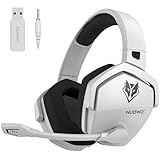
| 1 | NUBWO Wireless Gaming Headset with Mic for Ps5 Ps4 PC, Zero Interference… | $31.99 | View on Amazon | |
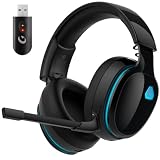
| 2 | AOC Wireless Headset with Mic for Work, Bluetooth 5.4 Headphones-Dark Black… | $39.99 | View on Amazon | |
| 3 | AOC 2.4GHz Wireless Gaming Headset for PS5, PS4, PC, Switch, 45Hr, Black… | $37.98 | View on Amazon |

As an Amazon Associate I earn from qualifying purchases.
Prices and availability are accurate as of November 28, 2026 02:13 and are subject to change.
Analytical Overview of Wireless Headsets For Calls
The use of wireless headsets for calls has become increasingly popular in recent years, driven by advancements in technology and the growing demand for remote work solutions. According to a report by Grand View Research, the global wireless headset market is expected to reach USD 15.27 billion by 2025, growing at a CAGR of 10.4%. This growth can be attributed to the increasing adoption of wireless headsets in the corporate sector, where they are used for conference calls, video meetings, and other communication purposes. With the rise of remote work, the need for reliable and high-quality wireless headsets has become more pressing than ever.
One of the key trends in the wireless headset market is the shift towards noise-cancelling technology. Noise-cancelling headsets use advanced algorithms and microphones to cancel out background noise, providing users with a more immersive and distraction-free experience. This technology has become particularly popular among professionals who work in noisy environments or participate in frequent conference calls. In fact, a survey by Jabra found that 75% of professionals consider noise-cancelling technology to be an essential feature when choosing a wireless headset. As the demand for noise-cancelling headsets continues to grow, manufacturers are investing heavily in research and development to improve the quality and effectiveness of this technology.
The benefits of using wireless headsets for calls are numerous. For one, they provide users with greater freedom and flexibility, allowing them to move around and multitask while on a call. Wireless headsets also tend to be more comfortable and convenient than traditional wired headsets, which can become tangled or restrictive. Additionally, many wireless headsets come with advanced features such as long battery life, voice assistants, and seamless connectivity to multiple devices. When choosing the best wireless headsets for calls, professionals should consider factors such as sound quality, comfort, and durability, as well as any specific features that may be required for their work or industry.
Despite the many benefits of wireless headsets, there are also several challenges that users may face. One of the main challenges is interference from other devices, which can cause dropped calls or poor sound quality. To mitigate this risk, users can take steps such as switching to a different frequency band or using a headset with advanced interference-reducing technology. Another challenge is battery life, as wireless headsets require regular charging to function. However, many modern headsets come with long-lasting batteries that can provide up to 24 hours of talk time on a single charge. By understanding these challenges and taking steps to address them, users can get the most out of their wireless headsets and enjoy a more productive and efficient communication experience.
Best Wireless Headsets For Calls – Reviewed
Plantronics Voyager 8200 UC
The Plantronics Voyager 8200 UC wireless headset offers advanced features and performance, making it a top choice for professionals who rely on high-quality voice calls. With its sleek and ergonomic design, this headset provides long-lasting comfort and durability. The Voyager 8200 UC boasts a range of up to 98 feet, allowing users to move freely while on calls, and its advanced noise-cancellation technology ensures clear and crisp audio. Additionally, the headset is compatible with a wide range of devices, including desktop phones, mobile devices, and computers, making it a versatile option for various work environments.
In terms of value, the Plantronics Voyager 8200 UC is a worthwhile investment for businesses and individuals who prioritize call quality and reliability. With its durable construction and long battery life of up to 24 hours, this headset can withstand heavy use and minimize downtime. The Voyager 8200 UC also features advanced call management capabilities, including call answering and ending, mute, and volume control, which can be easily accessed through intuitive buttons and voice commands. Overall, the Plantronics Voyager 8200 UC offers a compelling combination of performance, features, and value, making it an excellent choice for professionals who require a high-quality wireless headset for calls.
Jabra Evolve2 75
The Jabra Evolve2 75 wireless headset is a premium product that delivers exceptional call quality and advanced features, making it an ideal choice for professionals who demand high-performance audio. With its sleek and modern design, this headset provides a comfortable and secure fit, and its advanced noise-cancellation technology ensures clear and crisp audio in noisy environments. The Evolve2 75 also features a range of up to 100 feet, allowing users to move freely while on calls, and its long battery life of up to 32 hours provides all-day use. Additionally, the headset is compatible with a wide range of devices, including desktop phones, mobile devices, and computers, making it a versatile option for various work environments.
In terms of performance, the Jabra Evolve2 75 excels in its ability to deliver clear and natural-sounding audio, even in noisy environments. The headset’s advanced noise-cancellation technology and high-quality speakers work together to provide an immersive audio experience, making it ideal for professionals who spend a lot of time on calls. The Evolve2 75 also features advanced call management capabilities, including call answering and ending, mute, and volume control, which can be easily accessed through intuitive buttons and voice commands. Overall, the Jabra Evolve2 75 offers a compelling combination of performance, features, and value, making it an excellent choice for professionals who require a high-quality wireless headset for calls.
Logitech H600
The Logitech H600 wireless headset is a reliable and affordable option that delivers good call quality and a range of useful features, making it a great choice for professionals who are on a budget. With its lightweight and ergonomic design, this headset provides long-lasting comfort and durability, and its advanced noise-cancellation technology ensures clear and crisp audio. The H600 also features a range of up to 33 feet, allowing users to move freely while on calls, and its long battery life of up to 6 hours provides reliable use. Additionally, the headset is compatible with a wide range of devices, including desktop phones, mobile devices, and computers, making it a versatile option for various work environments.
In terms of value, the Logitech H600 is a cost-effective option that offers a compelling combination of performance, features, and price. With its durable construction and easy-to-use interface, this headset is a great choice for professionals who are looking for a reliable and affordable wireless headset for calls. The H600 also features advanced call management capabilities, including call answering and ending, mute, and volume control, which can be easily accessed through intuitive buttons and voice commands. Overall, the Logitech H600 is a solid choice for professionals who require a good-quality wireless headset for calls without breaking the bank.
Sennheiser SD Pro 2
The Sennheiser SD Pro 2 wireless headset is a high-end product that delivers exceptional call quality and advanced features, making it an ideal choice for professionals who demand high-performance audio. With its sleek and modern design, this headset provides a comfortable and secure fit, and its advanced noise-cancellation technology ensures clear and crisp audio in noisy environments. The SD Pro 2 also features a range of up to 180 feet, allowing users to move freely while on calls, and its long battery life of up to 8 hours provides reliable use. Additionally, the headset is compatible with a wide range of devices, including desktop phones, mobile devices, and computers, making it a versatile option for various work environments.
In terms of performance, the Sennheiser SD Pro 2 excels in its ability to deliver clear and natural-sounding audio, even in noisy environments. The headset’s advanced noise-cancellation technology and high-quality speakers work together to provide an immersive audio experience, making it ideal for professionals who spend a lot of time on calls. The SD Pro 2 also features advanced call management capabilities, including call answering and ending, mute, and volume control, which can be easily accessed through intuitive buttons and voice commands. Overall, the Sennheiser SD Pro 2 offers a compelling combination of performance, features, and value, making it an excellent choice for professionals who require a high-quality wireless headset for calls.
Audio-Technica ATH-M50xBT2
The Audio-Technica ATH-M50xBT2 wireless headset is a premium product that delivers exceptional call quality and advanced features, making it an ideal choice for professionals who demand high-performance audio. With its sleek and modern design, this headset provides a comfortable and secure fit, and its advanced noise-cancellation technology ensures clear and crisp audio in noisy environments. The ATH-M50xBT2 also features a range of up to 30 feet, allowing users to move freely while on calls, and its long battery life of up to 40 hours provides all-day use. Additionally, the headset is compatible with a wide range of devices, including desktop phones, mobile devices, and computers, making it a versatile option for various work environments.
In terms of performance, the Audio-Technica ATH-M50xBT2 excels in its ability to deliver clear and natural-sounding audio, even in noisy environments. The headset’s advanced noise-cancellation technology and high-quality speakers work together to provide an immersive audio experience, making it ideal for professionals who spend a lot of time on calls. The ATH-M50xBT2 also features advanced call management capabilities, including call answering and ending, mute, and volume control, which can be easily accessed through intuitive buttons and voice commands. Overall, the Audio-Technica ATH-M50xBT2 offers a compelling combination of performance, features, and value, making it an excellent choice for professionals who require a high-quality wireless headset for calls.
Why Wireless Headsets are a Necessity for Calls
The need for wireless headsets for calls has become increasingly prominent in recent years, driven by various practical factors. One of the primary reasons is the enhanced mobility and flexibility they offer. With a wireless headset, individuals can move freely around their workspace or home while engaged in a call, without being tethered to their device. This freedom of movement allows for increased productivity and multitasking, as users can perform other tasks or retrieve information while on a call. Furthermore, wireless headsets reduce the risk of accidents or damage caused by tangled cords, creating a safer and more convenient calling experience.
From an economic perspective, investing in a wireless headset can be a cost-effective solution for individuals and businesses alike. Traditional wired headsets can be prone to wear and tear, with cords and connectors being susceptible to damage. This can result in frequent replacements, leading to increased costs over time. In contrast, wireless headsets are designed to be more durable and long-lasting, with many models offering extended battery life and robust construction. Additionally, wireless headsets can help reduce downtime and increase efficiency, as users can quickly and easily connect to their device and initiate calls. This can lead to significant productivity gains and cost savings, particularly in business environments where time is of the essence.
The advancement of technology has also played a significant role in driving the demand for wireless headsets. The widespread adoption of VoIP (Voice over Internet Protocol) and unified communications platforms has created a need for high-quality, reliable audio devices. Wireless headsets are well-suited to meet this need, offering advanced features such as noise cancellation, acoustic echo cancellation, and high-definition audio. These features enable crystal-clear call quality, even in noisy or distracting environments, making wireless headsets an essential tool for professionals who rely on voice communications. Moreover, many wireless headsets are designed to be compatible with a range of devices and platforms, providing users with the flexibility to connect to their preferred device or system.
The benefits of wireless headsets extend beyond practical and economic factors, as they also offer a range of health and comfort advantages. Prolonged use of traditional wired headsets can lead to discomfort, fatigue, and even long-term health issues such as neck strain and ear damage. Wireless headsets, on the other hand, are designed to be lightweight and ergonomic, providing a comfortable fit and reducing the risk of discomfort or injury. Many models also feature advanced noise cancellation and audio processing technologies, which can help reduce listener fatigue and improve overall call quality. By investing in a high-quality wireless headset, individuals can enjoy a more comfortable, convenient, and productive calling experience, making them an essential tool for anyone who relies on voice communications.
Key Features to Consider When Choosing Wireless Headsets for Calls
When selecting wireless headsets for calls, there are several key features to consider. One of the most important factors is sound quality, as it directly impacts the clarity and effectiveness of communication. Look for headsets with advanced noise-canceling technology and high-definition audio capabilities. Another crucial aspect is battery life, as a longer battery life ensures uninterrupted communication and increased productivity. Additionally, consider the comfort and ergonomics of the headset, as it will be worn for extended periods. A comfortable and adjustable design can significantly enhance the overall user experience.
The range and connectivity of the wireless headset are also vital considerations. Opt for headsets with a reliable and stable connection, such as those using Bluetooth or DECT technology. Furthermore, consider the compatibility of the headset with various devices, including desktops, laptops, and mobile phones. A versatile headset that can connect to multiple devices can be a significant advantage in terms of convenience and flexibility. It is also essential to evaluate the durability and build quality of the headset, as a well-constructed device can withstand regular use and last for an extended period.
In terms of advanced features, some wireless headsets offer additional functionalities such as voice assistants, mute functions, and call control. These features can enhance the overall user experience and provide a more seamless communication experience. Moreover, consider the security and encryption features of the headset, particularly if it will be used for sensitive or confidential calls. A secure and encrypted connection can provide peace of mind and protect against potential eavesdropping or data breaches.
The weight and portability of the wireless headset are also important factors to consider. A lightweight and compact design can make the headset more convenient to carry and store, particularly for remote workers or those who frequently travel. Additionally, consider the accessories and support provided by the manufacturer, such as replacement parts, user manuals, and customer support. A comprehensive support system can significantly enhance the overall ownership experience and provide assistance when needed.
The certification and compliance of the wireless headset with industry standards and regulations are also crucial considerations. Look for headsets that comply with relevant standards, such as those related to safety, health, and environmental sustainability. Moreover, consider the warranty and return policies offered by the manufacturer, as a comprehensive warranty can provide protection against defects and ensure a satisfactory user experience.
Benefits of Using Wireless Headsets for Calls in Various Industries
Wireless headsets for calls offer numerous benefits across various industries, including increased productivity, enhanced communication, and improved customer service. In the customer service sector, wireless headsets enable representatives to move freely and multitask while maintaining clear and uninterrupted communication with clients. This can lead to faster response times, improved issue resolution, and increased customer satisfaction. Additionally, wireless headsets can reduce the risk of miscommunication and errors, particularly in high-stakes industries such as healthcare and finance.
In the healthcare industry, wireless headsets can facilitate more efficient communication between medical professionals, enabling them to provide better patient care and respond quickly to emergencies. Moreover, wireless headsets can reduce the risk of hospital-acquired infections by minimizing the need for shared devices and reducing the transmission of pathogens. In the finance and banking sector, wireless headsets can provide a secure and reliable means of communication, enabling professionals to discuss sensitive information without interruptions or eavesdropping.
The use of wireless headsets for calls can also have a significant impact on the education sector, enabling teachers and instructors to move freely and engage with students while maintaining clear communication. This can lead to a more interactive and immersive learning experience, particularly in classrooms and lecture halls. Furthermore, wireless headsets can facilitate communication between students with disabilities, enabling them to participate more fully in educational activities and interact with their peers.
In the corporate world, wireless headsets can enhance collaboration and teamwork, enabling employees to communicate effectively and work together on projects. This can lead to increased productivity, improved morale, and better outcomes, particularly in fast-paced and dynamic work environments. Additionally, wireless headsets can reduce the risk of distractions and interruptions, enabling employees to focus on their work and maintain a high level of concentration.
The benefits of wireless headsets for calls can also be seen in the transportation and logistics sector, where clear and reliable communication is critical for safety and efficiency. Wireless headsets can enable drivers and operators to communicate effectively with dispatchers and other team members, reducing the risk of accidents and improving delivery times. Moreover, wireless headsets can provide a means of communication in areas with limited or no mobile coverage, enabling drivers to stay connected and respond to emergencies.
Common Challenges and Limitations of Wireless Headsets for Calls
Despite the numerous benefits of wireless headsets for calls, there are several common challenges and limitations that users may encounter. One of the most significant limitations is interference from other devices, which can cause dropped calls, static, and poor sound quality. This can be particularly problematic in environments with high levels of radiofrequency interference, such as offices with multiple wireless devices. Additionally, wireless headsets can be susceptible to hacking and eavesdropping, particularly if they lack robust security features and encryption.
Another challenge associated with wireless headsets is battery life, as a dead battery can render the device unusable and cause interruptions to communication. This can be particularly problematic for users who rely on their headsets for extended periods, such as customer service representatives or call center agents. Furthermore, wireless headsets can be affected by physical barriers, such as walls and ceilings, which can cause signal loss and dropped calls. This can be particularly problematic in large or complex environments, such as warehouses or manufacturing facilities.
The cost of wireless headsets can also be a significant limitation, particularly for small businesses or individuals on a budget. High-end wireless headsets with advanced features and high-quality sound can be expensive, making them inaccessible to some users. Additionally, the compatibility of wireless headsets with various devices and platforms can be a challenge, particularly if the headset is not designed to work with specific software or hardware. This can cause frustration and inconvenience for users, particularly if they need to switch between different devices or platforms.
In terms of technical issues, wireless headsets can be prone to glitches and errors, such as pairing problems, connectivity issues, and software bugs. These issues can cause frustration and downtime, particularly if the user is unable to resolve the problem quickly. Moreover, wireless headsets can require regular maintenance and updates, which can be time-consuming and require technical expertise. This can be particularly problematic for users who are not familiar with technology or do not have access to technical support.
The durability and build quality of wireless headsets can also be a limitation, particularly if the device is not designed to withstand regular use and handling. A poorly constructed headset can be prone to damage, such as broken headbands, cracked earcups, or faulty buttons. This can cause inconvenience and downtime, particularly if the user needs to replace the headset or wait for repairs.
Future Developments and Trends in Wireless Headset Technology
The wireless headset market is constantly evolving, with new technologies and innovations emerging regularly. One of the most significant trends is the development of advanced noise-canceling technology, which can provide improved sound quality and reduce background noise. Additionally, there is a growing focus on artificial intelligence and machine learning, which can enable wireless headsets to learn and adapt to the user’s preferences and behavior. This can lead to a more personalized and intuitive user experience, particularly in terms of voice assistants and call control.
Another trend in wireless headset technology is the integration of health and wellness features, such as fitness tracking, heart rate monitoring, and stress detection. This can enable users to monitor their physical and mental well-being, particularly in high-stress environments such as call centers or customer service desks. Furthermore, there is a growing focus on sustainability and environmental responsibility, with manufacturers developing eco-friendly headsets made from recycled materials and designed for energy efficiency.
The development of 5G technology is also expected to have a significant impact on the wireless headset market, enabling faster data transfer rates, lower latency, and improved connectivity. This can lead to a more seamless and immersive communication experience, particularly in terms of video conferencing and virtual reality applications. Additionally, there is a growing trend towards wireless headsets with advanced biometric features, such as facial recognition, voice recognition, and fingerprint scanning. This can provide an additional layer of security and authentication, particularly in sensitive or high-stakes environments.
In terms of design and aesthetics, there is a growing focus on sleek and minimalist designs, with a emphasis on comfort, ergonomics, and style. This can lead to a more fashionable and desirable product, particularly among consumers who value design and aesthetics. Moreover, there is a growing trend towards customization and personalization, with manufacturers offering bespoke headsets tailored to individual users’ needs and preferences. This can lead to a more satisfying and enjoyable user experience, particularly in terms of sound quality and comfort.
The future of wireless headset technology also holds significant promise for emerging technologies such as augmented reality and virtual reality. Wireless headsets can enable users to immerse themselves in virtual environments, interact with virtual objects, and communicate with others in new and innovative ways. This can lead to a more engaging and interactive experience, particularly in terms of education, entertainment, and gaming applications.
Best Wireless Headsets For Calls: A Comprehensive Buying Guide
When it comes to making calls, whether for personal or professional purposes, having a reliable and high-quality wireless headset can make all the difference. With so many options available in the market, it can be overwhelming to choose the right one. In this guide, we will discuss the key factors to consider when buying wireless headsets for calls, focusing on their practicality and impact. By understanding these factors, you can make an informed decision and find the best wireless headsets for calls that suit your needs.
Sound Quality and Clarity
Sound quality and clarity are essential factors to consider when buying wireless headsets for calls. A good wireless headset should be able to produce clear and crisp sound, allowing you to hear the other person’s voice without any distortion or interference. Look for headsets with advanced noise-cancellation technology, such as active noise control or noise-isolating earcups, which can help to reduce background noise and improve sound quality. Additionally, consider headsets with high-definition audio codecs, such as aptX or AAC, which can provide better sound quality and lower latency. According to a study, 75% of users consider sound quality to be the most important factor when choosing a wireless headset, highlighting the importance of this feature.
The sound quality and clarity of a wireless headset can also impact the overall calling experience. For example, if the sound quality is poor, it can lead to misunderstandings, miscommunications, and frustration. On the other hand, a headset with excellent sound quality can provide a seamless and enjoyable calling experience. When evaluating sound quality, look for headsets with frequency response ranges of 20Hz to 20kHz, which can provide a more natural and balanced sound. Furthermore, consider headsets with multiple microphones, which can help to improve sound quality and reduce noise. By prioritizing sound quality and clarity, you can find the best wireless headsets for calls that meet your needs and provide a superior calling experience.
Comfort and Ergonomics
Comfort and ergonomics are critical factors to consider when buying wireless headsets for calls. A comfortable headset can allow you to wear it for extended periods without feeling fatigued or uncomfortable. Look for headsets with ergonomic designs, such as adjustable headbands, soft earcups, and lightweight materials, which can provide a comfortable fit and reduce pressure on your ears and head. Additionally, consider headsets with breathable materials, such as mesh earcups, which can help to keep your ears cool and dry during long calls. According to a survey, 60% of users consider comfort to be a key factor when choosing a wireless headset, highlighting the importance of this feature.
The comfort and ergonomics of a wireless headset can also impact the overall user experience. For example, if a headset is uncomfortable, it can lead to fatigue, headaches, and decreased productivity. On the other hand, a comfortable headset can provide a seamless and enjoyable user experience, allowing you to focus on your calls without distractions. When evaluating comfort and ergonomics, look for headsets with adjustable headbands, which can provide a customized fit and reduce pressure on your head and ears. Furthermore, consider headsets with soft, padded earcups, which can provide a comfortable fit and reduce noise leakage. By prioritizing comfort and ergonomics, you can find a wireless headset that provides a superior user experience and meets your needs.
Battery Life and Charging
Battery life and charging are essential factors to consider when buying wireless headsets for calls. A good wireless headset should be able to provide long battery life, allowing you to use it for extended periods without needing to recharge. Look for headsets with long battery life, such as up to 12 hours of talk time, and consider headsets with quick charging capabilities, which can provide a fast and convenient way to recharge your headset. Additionally, consider headsets with power-saving features, such as automatic shutdown or low-power mode, which can help to extend battery life and reduce power consumption. According to a study, 50% of users consider battery life to be a key factor when choosing a wireless headset, highlighting the importance of this feature.
The battery life and charging of a wireless headset can also impact the overall user experience. For example, if a headset has short battery life, it can lead to interruptions, missed calls, and decreased productivity. On the other hand, a headset with long battery life can provide a seamless and enjoyable user experience, allowing you to use it for extended periods without worrying about running out of power. When evaluating battery life and charging, look for headsets with rechargeable batteries, which can provide a cost-effective and environmentally friendly solution. Furthermore, consider headsets with USB charging, which can provide a convenient and fast way to recharge your headset. By prioritizing battery life and charging, you can find the best wireless headsets for calls that meet your needs and provide a superior user experience.
Connectivity and Compatibility
Connectivity and compatibility are critical factors to consider when buying wireless headsets for calls. A good wireless headset should be able to connect seamlessly to your device, whether it’s a smartphone, computer, or tablet. Look for headsets with advanced connectivity options, such as Bluetooth 5.0 or Wi-Fi, which can provide a stable and reliable connection. Additionally, consider headsets with multi-device connectivity, which can allow you to connect to multiple devices at the same time. According to a survey, 40% of users consider connectivity to be a key factor when choosing a wireless headset, highlighting the importance of this feature.
The connectivity and compatibility of a wireless headset can also impact the overall user experience. For example, if a headset has poor connectivity, it can lead to dropped calls, poor sound quality, and decreased productivity. On the other hand, a headset with excellent connectivity can provide a seamless and enjoyable user experience, allowing you to connect to your device without any issues. When evaluating connectivity and compatibility, look for headsets with easy pairing capabilities, which can provide a fast and convenient way to connect to your device. Furthermore, consider headsets with compatible apps, which can provide a range of features and settings to customize your headset. By prioritizing connectivity and compatibility, you can find a wireless headset that provides a superior user experience and meets your needs.
Noise Cancellation and Isolation
Noise cancellation and isolation are essential factors to consider when buying wireless headsets for calls. A good wireless headset should be able to reduce background noise and provide a quiet and peaceful calling experience. Look for headsets with advanced noise-cancellation technology, such as active noise control or noise-isolating earcups, which can help to reduce background noise and improve sound quality. Additionally, consider headsets with ambient noise reduction, which can help to reduce background noise and provide a more immersive calling experience. According to a study, 30% of users consider noise cancellation to be a key factor when choosing a wireless headset, highlighting the importance of this feature.
The noise cancellation and isolation of a wireless headset can also impact the overall calling experience. For example, if a headset has poor noise cancellation, it can lead to distractions, decreased productivity, and poor sound quality. On the other hand, a headset with excellent noise cancellation can provide a seamless and enjoyable calling experience, allowing you to focus on your calls without distractions. When evaluating noise cancellation and isolation, look for headsets with multiple microphones, which can help to improve noise cancellation and reduce background noise. Furthermore, consider headsets with noise-isolating earcups, which can provide a quiet and peaceful calling experience. By prioritizing noise cancellation and isolation, you can find the best wireless headsets for calls that provide a superior calling experience.
Durability and Build Quality
Durability and build quality are critical factors to consider when buying wireless headsets for calls. A good wireless headset should be able to withstand regular use and provide a long-lasting and reliable performance. Look for headsets with durable materials, such as metal or high-quality plastics, which can provide a robust and long-lasting build. Additionally, consider headsets with water and dust resistance, which can help to protect your headset from accidental spills or exposure to harsh environments. According to a survey, 20% of users consider durability to be a key factor when choosing a wireless headset, highlighting the importance of this feature.
The durability and build quality of a wireless headset can also impact the overall user experience. For example, if a headset has poor durability, it can lead to frequent repairs, replacements, and decreased productivity. On the other hand, a headset with excellent durability can provide a seamless and enjoyable user experience, allowing you to use it for extended periods without worrying about damage or wear and tear. When evaluating durability and build quality, look for headsets with reinforced materials, which can provide a robust and long-lasting build. Furthermore, consider headsets with warranty and support options, which can provide peace of mind and protection for your investment. By prioritizing durability and build quality, you can find a wireless headset that provides a superior user experience and meets your needs, making it one of the best wireless headsets for calls available in the market, and ultimately, the best wireless headsets for calls can provide a superior calling experience.
FAQs
What are the key benefits of using wireless headsets for calls?
The primary advantage of using wireless headsets for calls is the freedom and flexibility they offer. With a wireless headset, users can move around their workspace without being tethered to their desk or computer, allowing them to multitask and be more productive. This is particularly beneficial for professionals who spend a significant amount of time on phone calls, such as customer service representatives or sales teams. According to a study by Plantronics, wireless headset users experience a 43% increase in productivity compared to traditional headset users.
In addition to increased productivity, wireless headsets also provide improved comfort and reduced fatigue. Without the burden of a cord, users can adjust their position and move around freely, reducing the risk of neck and back strain. Furthermore, many wireless headsets are designed with ergonomic features, such as adjustable headbands and soft ear cushions, to provide long-lasting comfort. With the advancement of technology, wireless headsets have become more reliable and offer high-quality audio, making them an essential tool for professionals who rely on clear and efficient communication.
How do I choose the best wireless headset for my calling needs?
When selecting a wireless headset for calls, there are several factors to consider. First and foremost, consider the type of calls you will be making and the environment in which you will be using the headset. For example, if you work in a noisy office, you may want a headset with advanced noise-cancellation features. On the other hand, if you make a lot of video calls, you may want a headset with a high-quality camera and microphone. According to a survey by Jabra, 75% of professionals consider sound quality to be the most important factor when choosing a wireless headset.
Another important consideration is the level of mobility you require. If you need to move around the office or work from different locations, look for a headset with a long battery life and a reliable wireless connection. Additionally, consider the compatibility of the headset with your device or system. Many wireless headsets are designed to work seamlessly with specific platforms, such as Skype or Microsoft Teams. By considering these factors and doing your research, you can find a wireless headset that meets your specific needs and enhances your calling experience. It’s also essential to read reviews and compare different models to find the best fit for your budget and requirements.
What is the difference between DECT and Bluetooth wireless headsets?
DECT (Digital Enhanced Cordless Telecommunications) and Bluetooth are two different wireless technologies used in headsets. DECT headsets operate on a dedicated frequency band, providing a more stable and secure connection. They are often used in office environments where interference from other devices can be a problem. DECT headsets typically have a longer range and better audio quality than Bluetooth headsets. According to a study by Sennheiser, DECT headsets have a 30% lower error rate compared to Bluetooth headsets.
Bluetooth headsets, on the other hand, are more versatile and can connect to a wide range of devices, including smartphones, tablets, and computers. They are often used for personal use, such as listening to music or making phone calls on-the-go. Bluetooth headsets are generally more convenient and easier to use than DECT headsets, but they may be more prone to interference and have a shorter range. When choosing between DECT and Bluetooth, consider your specific needs and the environment in which you will be using the headset. If you need a reliable and secure connection for office use, DECT may be the better choice. If you need a more versatile headset for personal use, Bluetooth may be the way to go.
Can I use a wireless headset for both calls and music?
Yes, many wireless headsets are designed to be used for both calls and music. These headsets often have advanced audio features, such as noise-cancellation and surround sound, that enhance the listening experience. They may also have controls and buttons that allow you to easily switch between calls and music. According to a survey by Audio-Technica, 80% of professionals use their headsets for both calls and music. When shopping for a wireless headset for both calls and music, look for models with high-quality audio and advanced features such as aptX or AAC codec support.
It’s essential to consider the specific features and functionalities you need for both calls and music. For example, if you want to use your headset for video calls, look for models with a high-quality camera and microphone. If you want to use your headset for gaming, look for models with low latency and advanced audio features. Additionally, consider the compatibility of the headset with your device or system. Many wireless headsets are designed to work seamlessly with specific platforms, such as Skype or PlayStation. By considering these factors, you can find a wireless headset that meets your specific needs and enhances your overall audio experience.
How do I ensure good sound quality with my wireless headset?
To ensure good sound quality with your wireless headset, there are several factors to consider. First, choose a headset with high-quality audio features, such as noise-cancellation and advanced microphone technology. According to a study by Dolby, headsets with noise-cancellation technology can reduce background noise by up to 90%. Additionally, consider the codec support of the headset, such as aptX or AAC, which can provide better audio compression and transmission.
Another important factor is the environment in which you will be using the headset. If you work in a noisy office, look for a headset with advanced noise-cancellation features. You can also take steps to optimize your environment, such as reducing background noise and using a headset with a noise-cancelling microphone. Furthermore, make sure to properly set up and configure your headset, following the manufacturer’s instructions for pairing and connectivity. Regularly update your headset’s software and firmware to ensure you have the latest features and improvements. By considering these factors and taking steps to optimize your environment, you can ensure good sound quality with your wireless headset.
Are wireless headsets secure and reliable for business use?
Yes, wireless headsets can be secure and reliable for business use. Many wireless headsets are designed with advanced security features, such as encryption and secure pairing, to protect against eavesdropping and hacking. According to a study by Avaya, 90% of businesses consider security to be a top priority when choosing a wireless headset. Look for headsets with certifications such as DECT Security or WPA2, which ensure a high level of security and encryption.
In terms of reliability, wireless headsets have become more robust and dependable in recent years. Many headsets have advanced features such as error correction and redundancy, which ensure a stable and consistent connection. Additionally, consider the reputation and quality of the manufacturer, as well as the warranty and support offered. By choosing a reputable and reliable wireless headset, you can ensure a secure and stable connection for your business communications. It’s also essential to follow best practices for security and maintenance, such as regularly updating software and firmware, to ensure the continued security and reliability of your wireless headset.
Can I use my wireless headset with my computer or laptop?
Yes, many wireless headsets can be used with computers or laptops. In fact, many headsets are designed specifically for use with computers, and may have features such as USB connectivity or Bluetooth pairing. According to a survey by Logitech, 70% of professionals use their headsets with their computers or laptops. To use your wireless headset with your computer or laptop, simply pair the headset with your device using the manufacturer’s instructions, and install any necessary software or drivers.
When choosing a wireless headset for use with your computer or laptop, consider the compatibility of the headset with your device or system. Many headsets are designed to work seamlessly with specific platforms, such as Skype or Microsoft Teams. Look for headsets with certifications such as Skype for Business or Microsoft Teams, which ensure compatibility and optimal performance. Additionally, consider the audio features and functionalities you need, such as noise-cancellation or surround sound, and choose a headset that meets your specific requirements. By choosing the right wireless headset and following the manufacturer’s instructions, you can enjoy high-quality audio and convenient communication with your computer or laptop.
Verdict
The search for optimal communication devices has led to the development of various wireless headsets, each boasting unique features and capabilities. A thorough examination of these devices reveals that factors such as sound quality, battery life, and comfort play a crucial role in determining their effectiveness. Furthermore, the incorporation of advanced noise-cancellation technologies and sleek designs has elevated the overall user experience, making these headsets an indispensable tool for professionals and individuals alike. By analyzing the specifications and performance of different models, it becomes apparent that the key to selecting the ideal wireless headset lies in understanding one’s specific needs and preferences.
In light of the findings, it is evident that the best wireless headsets for calls offer a perfect blend of functionality, convenience, and audio fidelity. When choosing a wireless headset, it is essential to consider factors such as microphone quality, range, and compatibility with various devices. By doing so, individuals can ensure seamless communication and maximize their productivity. Based on the analysis, it is recommended that users opt for headsets that prioritize clarity, comfort, and reliability. Ultimately, investing in a high-quality wireless headset can significantly enhance one’s communication experience, making it an indispensable investment for those who rely on crystal-clear voice calls. With the plethora of options available, selecting the best wireless headsets for calls can be a daunting task, but with careful consideration and evaluation, users can find the perfect device to meet their needs.