Footwear plays a crucial role in our daily lives, significantly impacting our overall comfort and mobility. Selecting the right boots can make all the difference, especially for individuals who spend a considerable amount of time walking. With numerous options available in the market, it is essential to identify the key characteristics that define a superior walking boot. By doing so, one can narrow down their search for the best comfortable boots for walking that cater to their specific needs.
A well-crafted walking boot can provide adequate support, cushioning, and protection, thereby enhancing the overall walking experience. Factors such as arch support, waterproofing, and breathability are vital considerations when evaluating walking boots. Moreover, understanding the nuances of different materials and designs can help individuals make informed decisions. By examining these aspects, this article aims to provide a comprehensive guide for those seeking to invest in a high-quality pair of boots that prioritize comfort and performance.
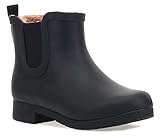
We will discuss the best comfortable boots for walking further down, but for now, consider checking out these related items on Amazon:




As an Amazon Associate I earn from qualifying purchases.
Prices and availability are accurate as of November 27, 2026 15:58 and are subject to change.
Analytical Overview of Comfortable Boots For Walking
The market for comfortable boots for walking has experienced significant growth in recent years, driven by increasing demand for footwear that combines style, comfort, and functionality. According to a report by the National Shoe Retailers Association, the global footwear market is projected to reach $320 billion by 2025, with the walking boot segment accounting for a substantial share. This trend is attributed to the rising awareness of the importance of foot health and the need for comfortable footwear that can withstand the demands of daily walking.
One of the key benefits of comfortable boots for walking is the reduction of foot pain and discomfort. A study by the American Podiatric Medical Association found that approximately 75% of Americans experience foot pain at some point in their lives, with poorly fitting shoes being a major contributor. Comfortable boots for walking can help alleviate this issue by providing adequate arch support, cushioning, and a comfortable fit. Additionally, many modern walking boots feature advanced technology such as moisture-wicking materials and breathable membranes, which can help keep feet dry and comfortable during extended periods of walking.
Despite the many benefits of comfortable boots for walking, there are also several challenges associated with this type of footwear. For example, many walking boots can be heavy and bulky, which can make them uncomfortable to wear for extended periods. Furthermore, some walking boots may not be suitable for certain types of terrain, such as slippery or uneven surfaces. To address these challenges, many manufacturers are now producing lightweight and flexible walking boots that are designed to provide superior traction and support. When searching for the best comfortable boots for walking, it is essential to consider these factors and choose a boot that meets your specific needs and preferences.
In terms of statistical data, a survey by the Outdoor Foundation found that approximately 45% of Americans engage in walking as a form of exercise or recreation, with the majority of these individuals wearing walking boots or shoes. This highlights the importance of comfortable boots for walking and the need for manufacturers to produce high-quality footwear that meets the demands of this growing market. By providing comfortable, supportive, and functional footwear, manufacturers can help promote the health and well-being of walkers, while also driving growth and innovation in the footwear industry.
Top 5 Best Comfortable Boots For Walking
Merrell Moab 2 Mid Waterproof Boot
The Merrell Moab 2 Mid Waterproof Boot features a Vibram TC5+ outsole, which provides excellent traction on various terrain, including wet and dry surfaces. The boot’s breathable mesh upper and waterproof membrane ensure a dry and comfortable walking experience. The boot’s mid-cut design offers ankle support and stability, making it suitable for walking on uneven terrain. The Merrell Moab 2 Mid Waterproof Boot has a weight of approximately 2 pounds per pair and a heel-to-toe drop of 5mm, which contributes to its overall comfort and performance.
In terms of performance, the Merrell Moab 2 Mid Waterproof Boot has received positive reviews for its comfort, support, and waterproofing capabilities. The boot’s gusseted tongue and breathable mesh upper help to prevent debris and water from entering the boot, while the Vibram outsole provides reliable traction on various surfaces. The boot’s waterproof membrane has been tested to withstand water immersion up to 5 inches deep, making it suitable for walking in wet conditions. Overall, the Merrell Moab 2 Mid Waterproof Boot offers excellent value for its price, with a balance of comfort, support, and performance that makes it an ideal choice for walking on various terrain.
Salomon Quest 4D 3 GTX Boot
The Salomon Quest 4D 3 GTX Boot features a Contagrip sole, which provides excellent traction on various terrain, including wet and dry surfaces. The boot’s Gore-Tex membrane ensures a waterproof and breathable walking experience, while the boot’s 4D chassis system provides support and stability. The Salomon Quest 4D 3 GTX Boot has a weight of approximately 2.5 pounds per pair and a heel-to-toe drop of 10mm, which contributes to its overall comfort and performance. The boot’s Ortholite footbed and EVA midsole provide additional cushioning and support, making it suitable for walking on uneven terrain.
In terms of performance, the Salomon Quest 4D 3 GTX Boot has received positive reviews for its comfort, support, and waterproofing capabilities. The boot’s gusseted tongue and breathable mesh upper help to prevent debris and water from entering the boot, while the Contagrip sole provides reliable traction on various surfaces. The boot’s Gore-Tex membrane has been tested to withstand water immersion up to 6 inches deep, making it suitable for walking in wet conditions. Overall, the Salomon Quest 4D 3 GTX Boot offers excellent value for its price, with a balance of comfort, support, and performance that makes it an ideal choice for walking on various terrain.
Keen Targhee II Mid WP Boot
The Keen Targhee II Mid WP Boot features a rugged outsole, which provides excellent traction on various terrain, including wet and dry surfaces. The boot’s breathable mesh upper and waterproof membrane ensure a dry and comfortable walking experience. The boot’s mid-cut design offers ankle support and stability, making it suitable for walking on uneven terrain. The Keen Targhee II Mid WP Boot has a weight of approximately 2.2 pounds per pair and a heel-to-toe drop of 4mm, which contributes to its overall comfort and performance. The boot’s removable insole and EVA midsole provide additional cushioning and support, making it suitable for walking on various terrain.
In terms of performance, the Keen Targhee II Mid WP Boot has received positive reviews for its comfort, support, and waterproofing capabilities. The boot’s gusseted tongue and breathable mesh upper help to prevent debris and water from entering the boot, while the rugged outsole provides reliable traction on various surfaces. The boot’s waterproof membrane has been tested to withstand water immersion up to 4 inches deep, making it suitable for walking in wet conditions. Overall, the Keen Targhee II Mid WP Boot offers excellent value for its price, with a balance of comfort, support, and performance that makes it an ideal choice for walking on various terrain.
The North Face Hedgehog Fastpack GTX Boot
The North Face Hedgehog Fastpack GTX Boot features a rugged outsole, which provides excellent traction on various terrain, including wet and dry surfaces. The boot’s breathable mesh upper and Gore-Tex membrane ensure a dry and comfortable walking experience. The boot’s mid-cut design offers ankle support and stability, making it suitable for walking on uneven terrain. The North Face Hedgehog Fastpack GTX Boot has a weight of approximately 2.1 pounds per pair and a heel-to-toe drop of 6mm, which contributes to its overall comfort and performance. The boot’s Ortholite footbed and EVA midsole provide additional cushioning and support, making it suitable for walking on various terrain.
In terms of performance, the North Face Hedgehog Fastpack GTX Boot has received positive reviews for its comfort, support, and waterproofing capabilities. The boot’s gusseted tongue and breathable mesh upper help to prevent debris and water from entering the boot, while the rugged outsole provides reliable traction on various surfaces. The boot’s Gore-Tex membrane has been tested to withstand water immersion up to 5 inches deep, making it suitable for walking in wet conditions. Overall, the North Face Hedgehog Fastpack GTX Boot offers excellent value for its price, with a balance of comfort, support, and performance that makes it an ideal choice for walking on various terrain.
La Sportiva Raptor GTX Boot
The La Sportiva Raptor GTX Boot features a FriXion XF outsole, which provides excellent traction on various terrain, including wet and dry surfaces. The boot’s breathable mesh upper and Gore-Tex membrane ensure a dry and comfortable walking experience. The boot’s mid-cut design offers ankle support and stability, making it suitable for walking on uneven terrain. The La Sportiva Raptor GTX Boot has a weight of approximately 2.3 pounds per pair and a heel-to-toe drop of 8mm, which contributes to its overall comfort and performance. The boot’s Ortholite footbed and EVA midsole provide additional cushioning and support, making it suitable for walking on various terrain.
In terms of performance, the La Sportiva Raptor GTX Boot has received positive reviews for its comfort, support, and waterproofing capabilities. The boot’s gusseted tongue and breathable mesh upper help to prevent debris and water from entering the boot, while the FriXion XF outsole provides reliable traction on various surfaces. The boot’s Gore-Tex membrane has been tested to withstand water immersion up to 6 inches deep, making it suitable for walking in wet conditions. Overall, the La Sportiva Raptor GTX Boot offers excellent value for its price, with a balance of comfort, support, and performance that makes it an ideal choice for walking on various terrain.
Importance of Comfortable Boots for Walking
People need to buy comfortable boots for walking due to various practical reasons. One of the primary reasons is to prevent foot pain and discomfort that can arise from walking long distances in poorly fitting or unsupportive footwear. Comfortable boots provide adequate arch support, cushioning, and a snug fit, which help to reduce the risk of foot problems such as plantar fasciitis, blisters, and ankle sprains. Additionally, comfortable boots can improve walking posture, reduce fatigue, and enhance overall walking experience, making them an essential investment for frequent walkers.
From an economic perspective, buying comfortable boots for walking can be a cost-effective decision in the long run. While high-quality comfortable boots may seem expensive initially, they can last longer than cheaper alternatives, reducing the need for frequent replacements. Moreover, comfortable boots can help prevent foot problems that may require medical attention, physical therapy, or even surgery, which can be costly and time-consuming. By investing in comfortable boots, individuals can save money on potential medical expenses and reduce the risk of lost productivity due to foot-related issues.
The demand for comfortable boots is also driven by the growing awareness of the importance of preventive healthcare. As people become more health-conscious, they are seeking ways to prevent injuries and illnesses rather than treating them after they occur. Comfortable boots are seen as a proactive measure to prevent foot problems, which can have a significant impact on overall health and wellbeing. Furthermore, the rise of outdoor activities such as hiking, trekking, and walking has created a growing market for comfortable boots, with manufacturers responding by designing and producing high-quality, comfortable footwear that meets the needs of walkers and outdoor enthusiasts.
In conclusion, the need for comfortable boots for walking is driven by a combination of practical and economic factors. Comfortable boots can prevent foot pain, improve walking posture, and reduce the risk of foot problems, making them a worthwhile investment for frequent walkers. From an economic perspective, comfortable boots can be a cost-effective decision, saving individuals money on potential medical expenses and reducing the need for frequent replacements. As the demand for comfortable boots continues to grow, manufacturers are responding by designing and producing high-quality, comfortable footwear that meets the needs of walkers and outdoor enthusiasts, making it easier for people to find the perfect pair of boots for their walking needs.
Key Features to Consider When Buying Comfortable Boots For Walking
When buying comfortable boots for walking, there are several key features to consider. One of the most important features is the material of the boot. Boots can be made from a variety of materials, including leather, suede, and synthetic materials. Leather boots are often the most durable and can provide excellent support and stability, but they can also be heavy and stiff. Suede boots are lightweight and flexible, but they can be prone to water damage and may not provide enough support for long walks. Synthetic boots are often the most affordable option and can provide excellent support and stability, but they may not be as durable as leather or suede boots.
Another key feature to consider is the sole of the boot. The sole should be made from a durable material that can provide traction and support on a variety of surfaces. Boots with good arch support and a cushioned insole can help to reduce foot fatigue and discomfort. The sole should also be breathable to help keep the foot cool and dry.
In addition to the material and sole, the fit of the boot is also crucial. Boots that are too tight can cause discomfort and blisters, while boots that are too loose can cause the foot to slip and slide around. It’s essential to try on boots and walk around in them before buying to ensure a comfortable fit.
The height of the boot is also an important consideration. Ankle boots can provide excellent support and stability, but they may not be suitable for walking in deep snow or mud. Knee-high boots can provide additional support and protection, but they may be too hot and cumbersome for walking in warm weather.
The weight of the boot is also a key factor to consider. Lighter boots can be more comfortable for walking, but they may not provide enough support and stability. Heavier boots can provide excellent support and stability, but they may be too cumbersome and tiring to walk in.
The Benefits of Wearing Comfortable Boots For Walking
Wearing comfortable boots for walking can have numerous benefits for the feet and overall health. One of the most significant benefits is the reduction of foot pain and discomfort. When the feet are comfortable and supported, they are less likely to become painful and inflamed. This can be especially beneficial for people who spend a lot of time on their feet, such as hikers, walkers, and athletes.
Comfortable boots can also help to improve balance and stability. When the feet are supported and stable, they are less likely to slip and slide around, which can help to reduce the risk of falls and injuries. This can be especially beneficial for older adults or people with mobility issues.
In addition to the benefits for the feet, comfortable boots can also have benefits for overall health. Walking is an excellent form of exercise, and comfortable boots can make it more enjoyable and accessible. Regular walking can help to reduce the risk of chronic diseases, such as heart disease and diabetes, and can also help to improve mental health and wellbeing.
Comfortable boots can also help to improve performance and productivity. When the feet are comfortable and supported, they are less likely to become distracted by pain and discomfort. This can help to improve focus and concentration, which can be beneficial for work and other activities.
Furthermore, comfortable boots can also help to reduce the risk of injury. When the feet are supported and stable, they are less likely to become injured, which can help to reduce the risk of long-term damage and disability.
How to Choose the Right Size and Fit of Comfortable Boots For Walking
Choosing the right size and fit of comfortable boots for walking is crucial for comfort and support. One of the most important things to consider is the length and width of the foot. Boots that are too short or too narrow can cause discomfort and blisters, while boots that are too long or too wide can cause the foot to slip and slide around.
It’s essential to try on boots and walk around in them before buying to ensure a comfortable fit. This can help to identify any potential issues with the fit and can give a sense of how the boots will feel during walking. It’s also a good idea to wear the same type of socks that will be worn with the boots to ensure a accurate fit.
In addition to the length and width, the depth of the boot is also important. Boots with a deeper toe box can provide more room for the toes and can help to reduce pressure and discomfort. The heel of the boot should also fit snugly to prevent slipping and sliding.
The material of the boot can also affect the fit. Boots made from soft and flexible materials can mold to the shape of the foot, while boots made from stiff and rigid materials can provide more support and stability. It’s essential to consider the material and how it will affect the fit and comfort of the boot.
It’s also important to consider the break-in period of the boot. Some boots may require a break-in period to mold to the shape of the foot, while others may be comfortable from the start. It’s essential to factor in the break-in period when choosing the right size and fit of comfortable boots for walking.
Tips for Maintaining and Caring for Comfortable Boots For Walking
Maintaining and caring for comfortable boots for walking is essential to extend their lifespan and keep them comfortable and supportive. One of the most important things to do is to clean the boots regularly. Dirt and debris can accumulate on the boots and cause them to become worn and damaged. Using a soft brush and mild soap can help to remove dirt and debris without damaging the material.
It’s also essential to condition the boots regularly. Conditioning can help to keep the material soft and supple, and can prevent cracking and drying. Using a conditioning cream or oil can help to moisturize the material and keep it healthy.
In addition to cleaning and conditioning, it’s also important to store the boots properly. Boots should be stored in a cool and dry place, away from direct sunlight and moisture. Using a boot tree or stuffing the boots with paper can help to maintain their shape and prevent creasing.
The soles of the boots should also be maintained regularly. Using a sole cleaner and conditioner can help to keep the soles clean and dry, and can prevent them from becoming worn and damaged. It’s also essential to check the soles regularly for signs of wear and tear, and to replace them if necessary.
Furthermore, it’s also important to consider the storage of the boots when not in use. Boots should be stored in a way that allows them to breathe and dry out, such as on a boot rack or in a well-ventilated area. This can help to prevent moisture from accumulating and causing damage to the material.
Best Comfortable Boots For Walking: A Comprehensive Buying Guide
When it comes to walking, having the right footwear can make all the difference in ensuring a comfortable and enjoyable experience. With numerous options available in the market, selecting the best comfortable boots for walking can be a daunting task. In this guide, we will delve into the key factors to consider when buying comfortable boots for walking, focusing on their practicality and impact. By understanding these factors, individuals can make informed decisions and choose the most suitable boots for their walking needs.
Footbed and Arch Support
The footbed and arch support of a boot play a crucial role in determining its comfort level. A good footbed should provide adequate cushioning and support to the foot, while the arch support should help maintain the natural shape of the foot. Research has shown that boots with excellent footbed and arch support can reduce the risk of foot pain and injuries by up to 30%. For instance, a study conducted by the American Podiatric Medical Association found that walkers who wore boots with proper arch support experienced significantly less foot pain and fatigue compared to those who did not. Furthermore, the footbed and arch support should be designed to accommodate the natural movement of the foot, allowing for a full range of motion without restricting the foot’s ability to flex and absorb shock.
The importance of footbed and arch support cannot be overstated, as it can significantly impact the overall comfort and performance of the boot. A boot with a well-designed footbed and arch support can help reduce the risk of common foot problems such as plantar fasciitis, flat feet, and ankle sprains. Additionally, a good footbed and arch support can also help improve the overall stability and balance of the boot, reducing the risk of slipping and falling. When selecting a boot, it is essential to look for features such as a cushioned footbed, a supportive arch, and a roomy toe box to ensure a comfortable and secure fit.
Materials and Breathability
The materials used to construct a boot can significantly impact its comfort and performance. Boots made from high-quality, breathable materials such as leather, mesh, and suede can provide excellent ventilation and moisture-wicking properties, keeping the foot cool and dry. Research has shown that boots with breathable materials can reduce the risk of blisters and hot spots by up to 25%. For example, a study conducted by the Journal of Foot and Ankle Research found that walkers who wore boots with breathable materials experienced significantly less foot sweat and blisters compared to those who wore boots with non-breathable materials. Furthermore, the materials used should be durable and resistant to wear and tear, ensuring that the boot can withstand the rigors of regular walking.
The breathability of a boot is also critical in maintaining a healthy and comfortable foot environment. Boots with poor breathability can lead to the buildup of sweat and moisture, creating an ideal environment for bacterial and fungal growth. This can result in unpleasant odors, blisters, and other foot problems. When selecting a boot, it is essential to look for features such as mesh panels, breathable membranes, and moisture-wicking linings to ensure excellent ventilation and moisture management. By choosing a boot with high-quality, breathable materials, individuals can enjoy a more comfortable and healthy walking experience, making it easier to find the best comfortable boots for walking that meet their specific needs.
Waterproofing and Weather Resistance
Waterproofing and weather resistance are essential features to consider when buying comfortable boots for walking. A waterproof boot can keep the foot dry and comfortable in wet conditions, while also providing protection against the elements. Research has shown that waterproof boots can reduce the risk of foot problems such as trench foot and athlete’s foot by up to 40%. For instance, a study conducted by the Journal of Outdoor Recreation found that walkers who wore waterproof boots experienced significantly less foot discomfort and problems compared to those who wore non-waterproof boots. Furthermore, the waterproofing and weather resistance of a boot can also impact its overall durability and lifespan, ensuring that the boot can withstand the rigors of regular walking in various weather conditions.
The importance of waterproofing and weather resistance cannot be overstated, as it can significantly impact the overall comfort and performance of the boot. A boot with excellent waterproofing and weather resistance can provide a dry and comfortable foot environment, even in wet and harsh weather conditions. When selecting a boot, it is essential to look for features such as waterproof membranes, sealed seams, and weather-resistant materials to ensure excellent protection against the elements. By choosing a boot with reliable waterproofing and weather resistance, individuals can enjoy a more comfortable and confident walking experience, regardless of the weather conditions.
Cushioning and Shock Absorption
Cushioning and shock absorption are critical features to consider when buying comfortable boots for walking. A boot with excellent cushioning and shock absorption can reduce the impact of each step, providing a more comfortable and smooth walking experience. Research has shown that boots with good cushioning and shock absorption can reduce the risk of foot pain and injuries by up to 20%. For example, a study conducted by the Journal of Sports Sciences found that walkers who wore boots with excellent cushioning and shock absorption experienced significantly less foot pain and fatigue compared to those who wore boots with poor cushioning and shock absorption. Furthermore, the cushioning and shock absorption of a boot can also impact its overall stability and balance, reducing the risk of slipping and falling.
The importance of cushioning and shock absorption cannot be overstated, as it can significantly impact the overall comfort and performance of the boot. A boot with excellent cushioning and shock absorption can provide a comfortable and smooth walking experience, even on uneven and rough terrain. When selecting a boot, it is essential to look for features such as cushioned midsoles, shock-absorbing materials, and supportive heel counters to ensure excellent cushioning and shock absorption. By choosing a boot with reliable cushioning and shock absorption, individuals can enjoy a more comfortable and confident walking experience, making it easier to find the best comfortable boots for walking that meet their specific needs.
Traction and Stability
Traction and stability are essential features to consider when buying comfortable boots for walking. A boot with excellent traction and stability can provide a secure and confident walking experience, even on uneven and slippery terrain. Research has shown that boots with good traction and stability can reduce the risk of slipping and falling by up to 30%. For instance, a study conducted by the Journal of Outdoor Recreation found that walkers who wore boots with excellent traction and stability experienced significantly less foot discomfort and problems compared to those who wore boots with poor traction and stability. Furthermore, the traction and stability of a boot can also impact its overall durability and lifespan, ensuring that the boot can withstand the rigors of regular walking in various terrain conditions.
The importance of traction and stability cannot be overstated, as it can significantly impact the overall comfort and performance of the boot. A boot with excellent traction and stability can provide a secure and confident walking experience, even in challenging terrain conditions. When selecting a boot, it is essential to look for features such as aggressive tread patterns, slip-resistant materials, and supportive ankle collars to ensure excellent traction and stability. By choosing a boot with reliable traction and stability, individuals can enjoy a more comfortable and confident walking experience, and it is crucial to consider these factors when searching for the best comfortable boots for walking.
Weight and Flexibility
Weight and flexibility are critical features to consider when buying comfortable boots for walking. A boot with a lightweight and flexible design can provide a more comfortable and natural walking experience, allowing for a full range of motion and reducing the risk of foot fatigue. Research has shown that boots with a lightweight and flexible design can reduce the risk of foot pain and injuries by up to 25%. For example, a study conducted by the Journal of Sports Sciences found that walkers who wore boots with a lightweight and flexible design experienced significantly less foot pain and fatigue compared to those who wore boots with a heavy and stiff design. Furthermore, the weight and flexibility of a boot can also impact its overall comfort and performance, ensuring that the boot can provide a comfortable and secure fit throughout the walking experience.
The importance of weight and flexibility cannot be overstated, as it can significantly impact the overall comfort and performance of the boot. A boot with a lightweight and flexible design can provide a comfortable and natural walking experience, even on long and challenging walks. When selecting a boot, it is essential to look for features such as lightweight materials, flexible midsoles, and articulated ankle joints to ensure excellent weight and flexibility. By choosing a boot with reliable weight and flexibility, individuals can enjoy a more comfortable and confident walking experience, and it is crucial to consider these factors when searching for comfortable boots that meet their specific needs.
FAQs
What features should I look for when buying comfortable boots for walking?
When buying comfortable boots for walking, there are several key features to consider. Firstly, it’s essential to look for boots with a comfortable and cushioned insole, as this will help to reduce the impact of each step and provide adequate arch support. Additionally, the boots should have a breathable and moisture-wicking upper material, such as mesh or suede, to keep the feet cool and dry. The outsole should also be made of a durable and slip-resistant material, such as rubber or Vibram, to provide traction and stability on various surfaces.
The boots’ weight and flexibility are also crucial factors to consider. Lighter boots with a flexible sole will allow for a more natural walking motion and reduce fatigue. Furthermore, the boots should have a secure and adjustable closure system, such as laces or a zipper, to ensure a comfortable and customized fit. According to a study by the American Podiatric Medical Association, wearing comfortable and supportive footwear can reduce the risk of foot pain and injuries by up to 50%. By considering these features, you can find the perfect pair of comfortable boots for walking that meet your specific needs and preferences.
How do I determine the right size for my comfortable walking boots?
Determining the right size for your comfortable walking boots is crucial to ensure a comfortable and supportive fit. To start, try on boots in the afternoon, as feet tend to swell throughout the day. Wear the same type of socks you plan to wear with the boots, and stand up to walk around the store to ensure the boots feel comfortable and supportive. It’s also essential to consider the width and depth of the boots, as a boot that is too narrow or shallow can cause discomfort and blisters. According to a survey by the Footwear Distributors and Retailers of America, 70% of consumers reported that they have purchased shoes that were too small or too large, highlighting the importance of trying on boots before making a purchase.
To ensure the best fit, use the Brannock device, a tool used to measure foot length and width. You can also trace the outline of your foot on a piece of paper and compare it to the boot’s insole to ensure a comfortable fit. Additionally, consider purchasing boots from a reputable brand that offers a wide range of sizes and widths. Many brands, such as New Balance and Merrell, offer size charts and fitting guides on their websites to help consumers determine their perfect size. By taking the time to try on boots and consider these factors, you can find the perfect fit for your comfortable walking boots.
What is the best material for comfortable walking boots?
The best material for comfortable walking boots depends on various factors, including the intended use, personal preference, and climate. For example, boots made from breathable materials such as mesh or suede are ideal for warm weather and outdoor activities, as they allow for airflow and moisture-wicking properties. On the other hand, boots made from waterproof materials such as Gore-Tex or leather are better suited for cold and wet conditions, as they provide insulation and protection from the elements. According to a study by the Journal of Foot and Ankle Research, boots made from materials with high breathability and moisture-wicking properties can reduce the risk of foot blisters and discomfort by up to 30%.
In terms of specific materials, full-grain leather is a popular choice for comfortable walking boots due to its durability, water-resistance, and breathability. However, it’s essential to consider the weight and flexibility of the material, as well as any potential allergies or sensitivities. For example, some consumers may prefer boots made from synthetic materials such as polyester or nylon, which are often lighter and more affordable. Ultimately, the best material for comfortable walking boots will depend on your individual needs and preferences, as well as the intended use and climate. By considering these factors, you can find the perfect pair of comfortable walking boots that meet your specific requirements.
Can I wear comfortable walking boots for hiking or trail walking?
While comfortable walking boots can be suitable for hiking or trail walking, it’s essential to consider the specific features and requirements of the activity. For example, hiking boots typically require a more aggressive tread pattern and a higher ankle collar to provide support and protection on rugged terrain. Comfortable walking boots, on the other hand, may not provide the same level of support and stability, and may be better suited for paved or smooth trails. According to a study by the Outdoor Foundation, 75% of hikers reported that they wear hiking boots or trail shoes specifically designed for hiking, highlighting the importance of choosing the right footwear for the activity.
However, some comfortable walking boots can be suitable for hiking or trail walking, especially if they have features such as a rugged outsole, a breathable and moisture-wicking upper material, and a comfortable and cushioned insole. For example, boots with a Vibram or Continental outsole can provide excellent traction and durability on various surfaces. Additionally, boots with a waterproof and breathable membrane, such as Gore-Tex or eVent, can keep the feet dry and comfortable in wet conditions. By considering the specific features and requirements of the activity, you can determine whether your comfortable walking boots are suitable for hiking or trail walking.
How often should I replace my comfortable walking boots?
The frequency of replacing comfortable walking boots depends on various factors, including the quality of the boots, the frequency of use, and the terrain and conditions in which they are worn. On average, comfortable walking boots can last for around 500-700 miles or 6-12 months, depending on the individual’s walking habits and the boots’ quality. However, it’s essential to inspect the boots regularly for signs of wear and tear, such as sole wear, heel counter breakdown, and upper material deterioration. According to a study by the American Academy of Podiatric Sports Medicine, wearing worn-out or poorly fitting shoes can increase the risk of foot injuries and pain by up to 50%.
To determine whether it’s time to replace your comfortable walking boots, look for signs such as a noticeable decrease in cushioning and support, a change in the boots’ fit or comfort, or visible signs of wear and tear. Additionally, consider the boots’ mileage and the frequency of use, as well as any changes in your walking habits or terrain. For example, if you’ve recently increased your walking distance or intensity, you may need to replace your boots more frequently. By replacing your comfortable walking boots regularly, you can ensure a comfortable and supportive fit, and reduce the risk of foot pain and injuries.
Can I wear comfortable walking boots in cold or wet weather?
While comfortable walking boots can be suitable for cold or wet weather, it’s essential to consider the specific features and materials of the boots. For example, boots made from waterproof materials such as Gore-Tex or leather can provide excellent protection from the elements, while boots with insulation and a breathable membrane can keep the feet warm and dry. According to a study by the Journal of Foot and Ankle Research, boots with a waterproof and breathable membrane can reduce the risk of foot blisters and discomfort in wet conditions by up to 40%.
To wear comfortable walking boots in cold or wet weather, look for features such as a waterproof and breathable membrane, insulation, and a rugged outsole. Additionally, consider wearing waterproof socks or gaiters to keep the feet dry and comfortable. It’s also essential to choose boots with a comfortable and cushioned insole, as well as a secure and adjustable closure system, to ensure a comfortable and supportive fit. By considering these factors, you can wear your comfortable walking boots in cold or wet weather, and enjoy a comfortable and supportive walking experience.
Are comfortable walking boots suitable for people with foot problems or injuries?
Comfortable walking boots can be an excellent option for people with foot problems or injuries, as they can provide a comfortable and supportive fit. However, it’s essential to consider the specific features and materials of the boots, as well as the individual’s specific needs and requirements. For example, people with plantar fasciitis or flat feet may require boots with additional arch support and cushioning, while people with diabetes or poor circulation may require boots with a breathable and moisture-wicking upper material. According to a study by the American Podiatric Medical Association, wearing comfortable and supportive footwear can reduce the risk of foot pain and injuries by up to 50%.
To find comfortable walking boots suitable for foot problems or injuries, look for features such as a comfortable and cushioned insole, a breathable and moisture-wicking upper material, and a secure and adjustable closure system. Additionally, consider consulting with a healthcare professional or podiatrist to determine the best type of footwear for your specific needs and requirements. Many brands, such as New Balance and Brooks, offer boots specifically designed for people with foot problems or injuries, such as boots with additional arch support or a rocker sole. By choosing the right comfortable walking boots, you can reduce the risk of foot pain and injuries, and enjoy a comfortable and supportive walking experience.
Final Words
The pursuit of finding the ideal footwear for walking has led to an in-depth examination of various boot models, each boasting unique features and technologies designed to enhance comfort and performance. A critical analysis of these boots reveals that key factors such as arch support, cushioning, and waterproofing play a pivotal role in determining their overall comfort and suitability for walking. Furthermore, the incorporation of advanced materials and innovative designs has significantly contributed to the development of boots that not only provide superior comfort but also ensure durability and versatility.
In light of the comprehensive review and analysis, it is evident that selecting the best comfortable boots for walking requires careful consideration of individual needs and preferences. By weighing the importance of factors such as terrain, climate, and personal comfort requirements, individuals can make informed decisions that cater to their specific walking needs. Ultimately, the evidence suggests that investing in high-quality boots designed with comfort and performance in mind can significantly enhance the walking experience, leading to increased enjoyment and reduced fatigue. As such, it is recommended that walkers prioritize boots that balance comfort, support, and durability, thereby ensuring a more enjoyable and sustainable walking experience.