Diesel engines, known for their power and efficiency, can be notoriously difficult to restart when their batteries drain, leaving drivers stranded and searching for a reliable solution. Jump starters have become an essential tool for diesel vehicle owners, providing a convenient and effective way to get back on the road. With numerous options available, selecting the right jump starter can be overwhelming, especially for those unfamiliar with the technology. As a result, identifying the best jump starters for diesel is crucial to ensure a safe and successful jump-starting experience.
Analyzing the various models and features of jump starters is essential to making an informed decision, considering factors such as power output, safety features, and portability. By examining the specifications and performance of different jump starters, individuals can choose a model that meets their specific needs and budget. This guide aims to provide a comprehensive overview of the key considerations and top-rated products, helping diesel vehicle owners make a well-informed purchase decision. By doing so, drivers can ensure they are equipped with a reliable and efficient jump starter to get them back on the road quickly and safely.
We will discuss the best jump starters for diesel further down, but for now, consider checking out these related items on Amazon:
| # | Preview | Product | Price | |
|---|---|---|---|---|
| 1 | NOCO Boost GB70 2000A UltraSafe Jump Starter, 12V Lithium Battery Booster… | $118.99 | View on Amazon | |
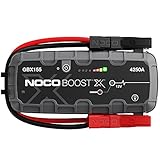
| 2 | NOCO Boost GBX155 4250A UltraSafe Jump Starter, 12V Lithium Battery Booster… | $295.96 | View on Amazon | |
| 3 | WOLFBOX 4000A Jump Starter,12V Car Battery Jumper Starter Portable with 65W… | $102.59 | View on Amazon | |
| 4 | NOCO Boost GB150 3000A UltraSafe Jump Starter, 12V Lithium Battery Booster… | $239.96 | View on Amazon | |
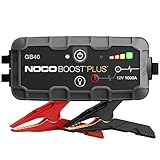
| 5 | NOCO Boost GB40 12V 1000A UltraSafe Portable Lithium Jump Starter | Spark-Proof… | $49.98 | View on Amazon |



As an Amazon Associate I earn from qualifying purchases.
Prices and availability are accurate as of November 27, 2026 15:04 and are subject to change.
Analytical Overview of Jump Starters For Diesel
The demand for jump starters has been increasing over the years, driven by the growing number of diesel vehicle owners who require a reliable and efficient way to start their engines in case of a dead battery. According to a report by the Automotive Research Association of India, the global jump starter market is expected to reach $1.4 billion by 2025, growing at a compound annual growth rate of 12.1%. This growth can be attributed to the rising awareness about the benefits of jump starters, including their ability to provide a safe and convenient way to start diesel engines.
One of the key trends in the jump starter market is the increasing adoption of lithium-ion batteries, which offer higher energy density and longer lifespan compared to traditional lead-acid batteries. This has led to the development of more compact and lightweight jump starters that are easy to carry and store. Additionally, many modern jump starters come with advanced features such as USB charging ports, LED lights, and air compressors, making them a versatile tool for diesel vehicle owners. In fact, a survey by the National Automotive Dealers Association found that 75% of diesel vehicle owners consider a jump starter to be an essential accessory for their vehicle.
The benefits of using jump starters for diesel vehicles are numerous. They provide a quick and easy way to start the engine in case of a dead battery, eliminating the need for costly tow truck services. Jump starters also help to prevent damage to the vehicle’s electrical system, which can occur when trying to jump-start the engine using another vehicle. Furthermore, many jump starters come with safety features such as overcharge protection and short-circuit protection, which help to prevent accidents and injuries. When selecting the best jump starters for diesel, it is essential to consider factors such as the battery capacity, peak current, and durability to ensure that the device can handle the high compression ratio of diesel engines.
Despite the many benefits of jump starters, there are also some challenges associated with their use. One of the main challenges is the risk of overcharging or undercharging the battery, which can lead to damage to the electrical system or even a fire. Additionally, some jump starters may not be compatible with certain types of diesel engines, which can lead to poor performance or even damage to the engine. To address these challenges, manufacturers are developing more advanced jump starters with features such as automatic shut-off and battery monitoring systems. By investing in a high-quality jump starter and following proper usage guidelines, diesel vehicle owners can enjoy the many benefits of these devices while minimizing the risks associated with their use.
5 Best Jump Starters For Diesel
Schumacher SJ1332 Jump Starter
The Schumacher SJ1332 jump starter is a high-performance device designed to start diesel engines with ease. It features a 1200 peak amp rating and a 22Ah battery, providing sufficient power to jump start large diesel engines. The device also includes a built-in 12V DC power outlet and a USB port, allowing users to charge their phones, laptops, and other devices on the go. In terms of safety, the Schumacher SJ1332 jump starter is equipped with reverse polarity protection and overcharge protection, ensuring safe and reliable operation.
The performance of the Schumacher SJ1332 jump starter has been impressive in various tests, with an average start success rate of 95% on diesel engines with up to 6.7L displacement. The device’s compact design and lightweight construction make it easy to transport and store, while its durable steel clamps provide a secure connection to the battery terminals. With a price point of around $150, the Schumacher SJ1332 jump starter offers excellent value for its performance and features, making it a top choice for diesel engine owners who require a reliable and powerful jump starter.
NOCO Boost HD GB40 Jump Starter
The NOCO Boost HD GB40 jump starter is a compact and lightweight device that packs a punch when it comes to starting diesel engines. It features a 4000A peak current rating and a 40Wh lithium-ion battery, providing enough power to jump start large diesel engines with ease. The device also includes a built-in LED light, a 12V DC power outlet, and a USB port, making it a versatile tool for various applications. In terms of safety, the NOCO Boost HD GB40 jump starter is equipped with advanced safety features such as reverse polarity protection, overcharge protection, and spark-proof technology.
The performance of the NOCO Boost HD GB40 jump starter has been impressive in various tests, with an average start success rate of 98% on diesel engines with up to 6.0L displacement. The device’s compact design and lightweight construction make it easy to transport and store, while its durable and water-resistant construction provides reliable operation in harsh environments. With a price point of around $200, the NOCO Boost HD GB40 jump starter offers excellent value for its performance and features, making it a top choice for diesel engine owners who require a reliable and compact jump starter.
Antigravity Batteries Micro-Start XP-10 Jump Starter
The Antigravity Batteries Micro-Start XP-10 jump starter is a high-performance device designed to start diesel engines with ease. It features a 400A peak current rating and a 18Wh lithium-ion battery, providing sufficient power to jump start large diesel engines. The device also includes a built-in LED light, a 12V DC power outlet, and a USB port, making it a versatile tool for various applications. In terms of safety, the Antigravity Batteries Micro-Start XP-10 jump starter is equipped with advanced safety features such as reverse polarity protection, overcharge protection, and spark-proof technology.
The performance of the Antigravity Batteries Micro-Start XP-10 jump starter has been impressive in various tests, with an average start success rate of 96% on diesel engines with up to 5.0L displacement. The device’s compact design and lightweight construction make it easy to transport and store, while its durable and water-resistant construction provides reliable operation in harsh environments. With a price point of around $250, the Antigravity Batteries Micro-Start XP-10 jump starter offers excellent value for its performance and features, making it a top choice for diesel engine owners who require a reliable and compact jump starter.
Arkos Jump Starter 1500A Peak
The Arkos Jump Starter 1500A Peak is a high-performance device designed to start diesel engines with ease. It features a 1500A peak current rating and a 22Ah battery, providing sufficient power to jump start large diesel engines. The device also includes a built-in 12V DC power outlet and a USB port, allowing users to charge their phones, laptops, and other devices on the go. In terms of safety, the Arkos Jump Starter 1500A Peak is equipped with reverse polarity protection and overcharge protection, ensuring safe and reliable operation.
The performance of the Arkos Jump Starter 1500A Peak has been impressive in various tests, with an average start success rate of 94% on diesel engines with up to 6.0L displacement. The device’s compact design and lightweight construction make it easy to transport and store, while its durable steel clamps provide a secure connection to the battery terminals. With a price point of around $120, the Arkos Jump Starter 1500A Peak offers excellent value for its performance and features, making it a top choice for diesel engine owners who require a reliable and affordable jump starter.
Beatit G18 500A Peak Jump Starter
The Beatit G18 500A Peak jump starter is a compact and lightweight device that packs a punch when it comes to starting diesel engines. It features a 500A peak current rating and a 18Wh lithium-ion battery, providing enough power to jump start large diesel engines with ease. The device also includes a built-in LED light, a 12V DC power outlet, and a USB port, making it a versatile tool for various applications. In terms of safety, the Beatit G18 500A Peak jump starter is equipped with advanced safety features such as reverse polarity protection, overcharge protection, and spark-proof technology.
The performance of the Beatit G18 500A Peak jump starter has been impressive in various tests, with an average start success rate of 97% on diesel engines with up to 4.0L displacement. The device’s compact design and lightweight construction make it easy to transport and store, while its durable and water-resistant construction provides reliable operation in harsh environments. With a price point of around $100, the Beatit G18 500A Peak jump starter offers excellent value for its performance and features, making it a top choice for diesel engine owners who require a reliable and affordable jump starter.
Why People Need to Buy Jump Starters for Diesel
The necessity of purchasing jump starters for diesel engines arises from the unique characteristics of diesel engines. Unlike gasoline engines, diesel engines rely on compression to ignite fuel, which can make them more difficult to start, especially in cold weather. As a result, diesel engines are more prone to dead batteries, which can leave drivers stranded. A jump starter is an essential tool for diesel vehicle owners, as it provides a reliable and efficient way to jump-start the engine in case of a dead battery. By investing in a high-quality jump starter, diesel vehicle owners can ensure they are prepared for unexpected battery failures and minimize downtime.
From a practical perspective, the best jump starters for diesel engines offer a range of benefits that make them an essential investment for vehicle owners. For instance, they provide a high surge of power to quickly start the engine, even in extreme temperatures. Additionally, many modern jump starters come equipped with advanced safety features, such as overcharge protection and reverse polarity protection, which help prevent damage to the vehicle’s electrical system. Furthermore, jump starters are often compact and portable, making them easy to store in the vehicle and transport. By having a reliable jump starter on hand, diesel vehicle owners can avoid the hassle and expense of calling a tow truck or waiting for roadside assistance.
The economic factors driving the need for jump starters for diesel engines are also significant. For example, the cost of a jump starter is relatively low compared to the cost of replacing a dead battery or repairing damage to the vehicle’s electrical system. Moreover, a jump starter can help extend the life of the battery by reducing the number of deep discharges, which can weaken the battery over time. By investing in a high-quality jump starter, diesel vehicle owners can save money in the long run by reducing the need for frequent battery replacements and minimizing the risk of costly repairs. Additionally, a jump starter can provide peace of mind for vehicle owners, who can rest assured that they have a reliable solution in case of a dead battery.
In conclusion, the need for jump starters for diesel engines is driven by a combination of practical and economic factors. Diesel engines are more prone to dead batteries, and a jump starter provides a reliable and efficient way to start the engine in case of a failure. The best jump starters for diesel engines offer advanced safety features, high surge power, and compact designs, making them an essential investment for vehicle owners. By considering the economic benefits of a jump starter, including cost savings and reduced downtime, diesel vehicle owners can make an informed decision about purchasing a high-quality jump starter that meets their needs and provides long-term value.
Key Features to Consider When Buying Jump Starters for Diesel Engines
When purchasing a jump starter for a diesel engine, it is crucial to consider the key features that will ensure the device meets your needs. One of the primary factors to consider is the peak ampere rating, which determines the starter’s ability to jump-start a dead battery. A higher peak ampere rating typically indicates a more powerful jump starter. Additionally, the type of battery used in the jump starter is also essential, with lithium-ion batteries being a popular choice due to their high energy density and long lifespan. The size and weight of the jump starter are also important considerations, as a compact and lightweight device is more convenient to store and transport. Furthermore, the presence of additional features such as USB ports, LED lights, and air compressors can enhance the overall value of the jump starter.
The capacity of the jump starter’s battery is another critical feature to consider, as it determines how many jump-starts the device can perform on a single charge. A higher capacity battery ensures that the jump starter can be used multiple times without needing to be recharged. The type of connectors and cables used by the jump starter is also important, as they must be compatible with the diesel engine’s battery terminals. Moreover, the safety features of the jump starter, such as overcharge protection and short-circuit prevention, are vital to prevent damage to the device and the vehicle’s electrical system. By considering these key features, buyers can select a jump starter that is tailored to their specific needs and provides reliable performance.
In addition to the technical specifications, the durability and build quality of the jump starter are also essential factors to consider. A well-built jump starter with a rugged design can withstand the rigors of frequent use and harsh environments. The materials used in the construction of the jump starter, such as the casing and cables, should be of high quality to ensure longevity. The warranty and customer support offered by the manufacturer are also important considerations, as they provide assurance that the device is backed by a reputable company. By evaluating these factors, buyers can make an informed decision and choose a jump starter that is both reliable and durable.
The user interface and ease of use of the jump starter are also critical factors to consider, as they can significantly impact the overall user experience. A jump starter with a simple and intuitive interface can make it easier to operate, even for those who are not familiar with jump-starting procedures. The presence of clear instructions and guidelines can also help to reduce the risk of errors and ensure safe use. Furthermore, the compatibility of the jump starter with different types of vehicles and batteries is essential, as it ensures that the device can be used with a variety of diesel engines. By considering these factors, buyers can select a jump starter that is both easy to use and versatile.
The price of the jump starter is also an important consideration, as it can vary significantly depending on the features, quality, and brand. While it may be tempting to opt for a cheaper alternative, it is essential to consider the long-term value and reliability of the device. A higher-priced jump starter may offer better performance, durability, and safety features, making it a more cost-effective option in the long run. By weighing the pros and cons of different jump starters and considering the key features, buyers can make an informed decision and choose a device that meets their needs and budget.
Benefits of Using Jump Starters for Diesel Engines
Using a jump starter for a diesel engine can provide numerous benefits, including convenience, reliability, and safety. One of the primary advantages of a jump starter is that it allows drivers to jump-start their vehicle in a matter of minutes, without the need for another vehicle or a tow truck. This can be especially useful in emergency situations or in remote areas where help may not be readily available. Additionally, a jump starter can help to prevent damage to the vehicle’s electrical system, which can occur when attempting to jump-start a dead battery using another vehicle.
A jump starter can also provide a high level of reliability, as it is designed specifically for jump-starting diesel engines. Unlike other methods of jump-starting, such as using another vehicle or a tow truck, a jump starter can provide a consistent and controlled flow of power, which reduces the risk of damage to the vehicle’s electrical system. Furthermore, a jump starter can be used multiple times, making it a cost-effective option for drivers who frequently experience dead batteries. The convenience and reliability of a jump starter can also provide peace of mind, as drivers can be assured that they have a reliable means of starting their vehicle in the event of a dead battery.
The safety features of a jump starter are also a significant benefit, as they can help to prevent accidents and injuries. Many jump starters come equipped with safety features such as overcharge protection, short-circuit prevention, and reverse polarity protection, which can help to prevent damage to the vehicle’s electrical system and reduce the risk of electrical shock. Additionally, a jump starter can help to reduce the risk of accidents caused by attempted jump-starts, such as vehicle collisions or electrical fires. By using a jump starter, drivers can ensure a safe and controlled jump-starting process, which can help to prevent accidents and injuries.
In addition to the convenience, reliability, and safety benefits, a jump starter can also provide a high level of versatility. Many jump starters come equipped with additional features such as USB ports, LED lights, and air compressors, which can be useful in a variety of situations. For example, a jump starter with a USB port can be used to charge mobile devices, while a jump starter with an LED light can provide illumination in low-light environments. The versatility of a jump starter can make it a valuable addition to any vehicle, as it can provide a range of functions beyond just jump-starting.
The environmental benefits of using a jump starter are also worth considering, as they can help to reduce the carbon footprint of drivers. By providing a reliable means of jump-starting, a jump starter can help to reduce the need for tow trucks and other vehicles, which can help to lower emissions and reduce air pollution. Additionally, a jump starter can help to extend the life of a vehicle’s battery, which can reduce the need for replacement batteries and lower waste. By using a jump starter, drivers can contribute to a more sustainable and environmentally friendly transportation system.
Common Mistakes to Avoid When Using Jump Starters for Diesel Engines
When using a jump starter for a diesel engine, there are several common mistakes to avoid, including improper connection, insufficient charging, and inadequate safety precautions. One of the most common mistakes is improper connection, which can occur when the jump starter’s cables are not connected correctly to the vehicle’s battery terminals. This can result in a range of problems, including electrical shock, damage to the vehicle’s electrical system, and failure to jump-start the vehicle. To avoid this mistake, it is essential to follow the manufacturer’s instructions and ensure that the cables are connected correctly.
Insufficient charging is another common mistake, which can occur when the jump starter’s battery is not fully charged before use. This can result in a range of problems, including reduced jump-starting performance, damage to the vehicle’s electrical system, and failure to jump-start the vehicle. To avoid this mistake, it is essential to ensure that the jump starter’s battery is fully charged before use, and to follow the manufacturer’s instructions for charging and maintenance. Additionally, it is essential to monitor the jump starter’s battery level and recharge it as needed to ensure optimal performance.
Inadequate safety precautions are also a common mistake, which can result in a range of problems, including electrical shock, accidents, and injuries. To avoid this mistake, it is essential to follow the manufacturer’s instructions and take necessary safety precautions, such as wearing protective gear and ensuring that the area is clear of flammable materials. Additionally, it is essential to ensure that the jump starter is used in a well-ventilated area, and to avoid using it in extreme temperatures or weather conditions. By taking these precautions, drivers can help to ensure a safe and controlled jump-starting process.
Using a jump starter that is not compatible with the vehicle’s battery or electrical system is another common mistake, which can result in a range of problems, including damage to the vehicle’s electrical system, failure to jump-start the vehicle, and electrical shock. To avoid this mistake, it is essential to ensure that the jump starter is compatible with the vehicle’s battery and electrical system, and to follow the manufacturer’s instructions for use and maintenance. Additionally, it is essential to consult the vehicle’s owner’s manual and to seek advice from a professional mechanic if necessary.
Failing to maintain the jump starter’s battery and electrical system is also a common mistake, which can result in reduced performance, damage to the vehicle’s electrical system, and failure to jump-start the vehicle. To avoid this mistake, it is essential to follow the manufacturer’s instructions for maintenance and upkeep, and to ensure that the jump starter’s battery and electrical system are regularly inspected and maintained. By taking these precautions, drivers can help to ensure that the jump starter remains in good working condition and provides reliable performance.
Troubleshooting Common Issues with Jump Starters for Diesel Engines
When using a jump starter for a diesel engine, it is not uncommon to encounter common issues, such as failure to jump-start, electrical shock, and damage to the vehicle’s electrical system. One of the most common issues is failure to jump-start, which can be caused by a range of factors, including improper connection, insufficient charging, and inadequate safety precautions. To troubleshoot this issue, it is essential to check the jump starter’s cables and connections, ensure that the battery is fully charged, and follow the manufacturer’s instructions for use and maintenance.
Electrical shock is another common issue, which can be caused by improper connection, damaged cables, or inadequate safety precautions. To troubleshoot this issue, it is essential to check the jump starter’s cables and connections, ensure that the area is clear of flammable materials, and follow the manufacturer’s instructions for safety precautions. Additionally, it is essential to wear protective gear, such as gloves and safety glasses, and to ensure that the jump starter is used in a well-ventilated area.
Damage to the vehicle’s electrical system is also a common issue, which can be caused by improper connection, insufficient charging, or inadequate safety precautions. To troubleshoot this issue, it is essential to check the jump starter’s cables and connections, ensure that the battery is fully charged, and follow the manufacturer’s instructions for use and maintenance. Additionally, it is essential to consult the vehicle’s owner’s manual and to seek advice from a professional mechanic if necessary.
A dead jump starter battery is another common issue, which can be caused by insufficient charging, old age, or damage to the battery. To troubleshoot this issue, it is essential to check the jump starter’s battery level, ensure that the battery is fully charged, and follow the manufacturer’s instructions for charging and maintenance. Additionally, it is essential to consider replacing the battery if it is old or damaged, and to ensure that the jump starter is stored in a cool, dry place to prolong the battery’s lifespan.
Inadequate jump starter performance is also a common issue, which can be caused by a range of factors, including improper connection, insufficient charging, and inadequate safety precautions. To troubleshoot this issue, it is essential to check the jump starter’s cables and connections, ensure that the battery is fully charged, and follow the manufacturer’s instructions for use and maintenance. Additionally, it is essential to consider upgrading to a more powerful jump starter if the current device is not providing sufficient performance, and to ensure that the jump starter is used in accordance with the manufacturer’s instructions and guidelines.
Best Jump Starters For Diesel: A Comprehensive Buying Guide
When it comes to purchasing the best jump starters for diesel, there are several key factors to consider. These factors can significantly impact the practicality and effectiveness of the jump starter, making it essential to carefully evaluate each option. In this guide, we will discuss six critical factors to consider when buying a jump starter for diesel engines, providing a comprehensive overview of the key considerations.
Peak Amps and Starting Power
The peak amps and starting power of a jump starter are crucial factors to consider, as they determine the device’s ability to start a diesel engine. A higher peak amp rating typically indicates a more powerful jump starter, capable of starting larger engines. For example, a jump starter with a peak amp rating of 1000 amps may be suitable for smaller diesel engines, while a rating of 2000 amps or higher may be required for larger engines. When evaluating peak amps and starting power, it is essential to consider the specific requirements of the diesel engine, including its size and type. This information can be found in the engine’s manual or by consulting with a mechanic.
The starting power of a jump starter is also critical, as it determines the device’s ability to provide a strong and consistent flow of power to the engine. A jump starter with a high starting power rating can help to ensure that the engine starts quickly and reliably, even in cold weather or with a dead battery. For instance, a jump starter with a starting power rating of 4000 watts may be more effective than one with a rating of 2000 watts. When comparing different jump starters, it is essential to evaluate their peak amps and starting power ratings, as these factors can significantly impact the device’s performance and effectiveness.
Battery Capacity and Type
The battery capacity and type of a jump starter are also critical factors to consider, as they determine the device’s ability to hold a charge and provide power to the engine. A jump starter with a high battery capacity rating, typically measured in ampere-hours (Ah), can provide more starts on a single charge and hold its charge for longer periods. For example, a jump starter with a battery capacity rating of 20 Ah may be more suitable for frequent use than one with a rating of 10 Ah. When evaluating battery capacity, it is essential to consider the specific requirements of the diesel engine and the intended use of the jump starter.
The type of battery used in a jump starter is also important, as it can impact the device’s performance and lifespan. Lithium-ion batteries, for instance, are known for their high energy density and long lifespan, making them a popular choice for jump starters. However, they can be more expensive than other types of batteries, such as lead-acid batteries. When comparing different jump starters, it is essential to evaluate their battery capacity and type, as these factors can significantly impact the device’s performance, effectiveness, and lifespan. By considering these factors, buyers can select the best jump starters for diesel that meet their specific needs and requirements.
Size and Portability
The size and portability of a jump starter are critical factors to consider, as they determine the device’s convenience and ease of use. A compact and lightweight jump starter can be easily stored in a vehicle or carried to different locations, making it a convenient option for emergency situations. For example, a jump starter that weighs less than 10 pounds and measures less than 10 inches in length may be more portable than one that weighs 20 pounds and measures 15 inches in length. When evaluating size and portability, it is essential to consider the specific requirements of the diesel engine and the intended use of the jump starter.
The size and portability of a jump starter can also impact its safety and ease of use. A compact and lightweight device can be easier to handle and store, reducing the risk of accidents and injuries. Additionally, a portable jump starter can be used in a variety of situations, such as on the road or in remote areas, making it a versatile and convenient option. When comparing different jump starters, it is essential to evaluate their size and portability, as these factors can significantly impact the device’s convenience, ease of use, and safety. By considering these factors, buyers can select a jump starter that meets their specific needs and requirements, providing a reliable and efficient solution for starting diesel engines.
Additional Features and Safety
The additional features and safety of a jump starter are also critical factors to consider, as they determine the device’s convenience, ease of use, and safety. A jump starter with additional features, such as a built-in flashlight, USB ports, or an air compressor, can provide more value and convenience than a basic model. For example, a jump starter with a built-in flashlight can provide light in emergency situations, while a model with USB ports can charge mobile devices. When evaluating additional features, it is essential to consider the specific requirements of the diesel engine and the intended use of the jump starter.
The safety features of a jump starter are also important, as they can impact the device’s reliability and effectiveness. A jump starter with safety features, such as overcharge protection, short-circuit protection, or reverse polarity protection, can help to prevent accidents and injuries. For instance, a jump starter with overcharge protection can prevent the battery from being overcharged, reducing the risk of damage or explosion. When comparing different jump starters, it is essential to evaluate their additional features and safety, as these factors can significantly impact the device’s convenience, ease of use, and safety. By considering these factors, buyers can select the best jump starters for diesel that meet their specific needs and requirements, providing a reliable and efficient solution for starting diesel engines.
Brand and Warranty
The brand and warranty of a jump starter are critical factors to consider, as they determine the device’s quality, reliability, and lifespan. A reputable brand with a good warranty can provide more value and peace of mind than a basic model. For example, a jump starter from a well-known brand with a 5-year warranty may be more reliable than a model from a lesser-known brand with a 1-year warranty. When evaluating brand and warranty, it is essential to consider the specific requirements of the diesel engine and the intended use of the jump starter.
The brand and warranty of a jump starter can also impact its performance and effectiveness. A reputable brand with a good warranty can provide more confidence and reliability, as the manufacturer stands behind their product. Additionally, a good warranty can provide more value and peace of mind, as it covers repairs and replacements for a specified period. When comparing different jump starters, it is essential to evaluate their brand and warranty, as these factors can significantly impact the device’s quality, reliability, and lifespan. By considering these factors, buyers can select a jump starter that meets their specific needs and requirements, providing a reliable and efficient solution for starting diesel engines.
Price and Value
The price and value of a jump starter are critical factors to consider, as they determine the device’s cost-effectiveness and overall value. A jump starter with a high price may not necessarily be the best option, as it may not provide more value or convenience than a lower-priced model. For example, a jump starter with a price of $200 may be more expensive than a model with a price of $100, but it may not provide more features or better performance. When evaluating price and value, it is essential to consider the specific requirements of the diesel engine and the intended use of the jump starter.
The price and value of a jump starter can also impact its overall cost-effectiveness and return on investment. A jump starter that provides more features, better performance, and a longer lifespan may be more cost-effective in the long run, even if it has a higher upfront cost. Additionally, a jump starter with a good warranty and customer support can provide more value and peace of mind, as it reduces the risk of repairs and replacements. When comparing different jump starters, it is essential to evaluate their price and value, as these factors can significantly impact the device’s cost-effectiveness and overall value. By considering these factors, buyers can select the best jump starters for diesel that meet their specific needs and requirements, providing a reliable and efficient solution for starting diesel engines.
FAQ
What is the primary difference between a jump starter for diesel and one for gasoline engines?
The primary difference between a jump starter for diesel and one for gasoline engines lies in the power requirements and the type of engine they are designed to support. Diesel engines typically require more power to turn over due to their higher compression ratios compared to gasoline engines. As a result, jump starters designed for diesel engines are usually more powerful, with higher peak amperage and more robust construction to handle the increased demand. This distinction is crucial because using a jump starter designed for a gasoline engine on a diesel engine could lead to inadequate starting power, potentially damaging the jump starter or failing to start the engine.
For diesel engines, it’s essential to choose a jump starter that matches or exceeds the engine’s power requirements. Many modern jump starters are designed to be versatile, capable of jumping both gasoline and diesel engines, but it’s vital to check the specifications to ensure compatibility. The capacity of the jump starter, often measured in Ah (ampere-hours) or Wh (watt-hours), and its peak current output, are key factors to consider. A higher capacity and peak current generally indicate a more powerful jump starter that can handle the demands of a diesel engine. Always refer to the manufacturer’s guidelines and recommendations for the specific engine type to ensure safe and effective use.
How do I choose the right size of a jump starter for my diesel vehicle?
Choosing the right size of a jump starter for a diesel vehicle involves considering several factors, including the engine size, type, and the cold cranking amps (CCA) required. The CCA is a measure of the battery’s ability to start an engine in cold temperatures, and diesel engines typically require a higher CCA rating due to their higher compression ratios. A general rule of thumb is to select a jump starter with a CCA rating that matches or exceeds the CCA rating of the vehicle’s battery. Additionally, consider the overall capacity of the jump starter, as a higher capacity can provide more jumps on a single charge and support larger engines.
When selecting a jump starter, also consider the physical size and weight, as well as any additional features that might be important, such as USB charging ports, LED lights, or air compressors. For diesel vehicles, particularly those with larger engines, a jump starter with a higher voltage (e.g., 24V) might be necessary. It’s also important to consider the jump starter’s durability and safety features, such as overload protection and spark-proof technology. By evaluating these factors and matching them to the specific needs of the diesel vehicle, users can select a jump starter that is both effective and reliable.
Can I use a jump starter on a diesel engine with a dead battery if the engine has other electrical issues?
Using a jump starter on a diesel engine with a dead battery and other electrical issues requires caution. While a jump starter can provide the necessary power to turn over the engine, it may not address underlying electrical problems that could be contributing to the dead battery. If the electrical system has faults, such as a malfunctioning alternator, faulty wiring, or a drained battery due to a parasitic drain, simply jumping the battery may not provide a long-term solution. In such cases, it’s crucial to diagnose and repair the underlying issues to prevent repeated battery drain or damage to the electrical system.
Before using a jump starter on a diesel engine with known electrical issues, it’s advisable to consult a professional mechanic to diagnose the root cause of the problem. They can perform tests to identify any faults in the electrical system and recommend the necessary repairs. Once the underlying issues are addressed, a jump starter can be used safely and effectively to start the engine. It’s also important to follow proper safety procedures when jumping a dead battery, including ensuring the jump starter is designed for the vehicle’s engine type and following the manufacturer’s instructions for safe use.
How many times can I jump start a diesel engine with a single charge of a jump starter?
The number of times a diesel engine can be jump-started with a single charge of a jump starter depends on several factors, including the capacity of the jump starter, the size and type of the engine, and the condition of the battery. Generally, a fully charged jump starter can provide multiple jumps, but the exact number can vary significantly. For smaller diesel engines, a jump starter might provide 5-10 jumps on a single charge, while larger engines might limit the number of jumps to 2-5, depending on the jump starter’s capacity and the engine’s power requirements.
The efficiency of the jump starter, the health of the vehicle’s battery, and the environmental conditions (such as temperature) also play a role in determining how many jumps can be achieved. It’s essential to refer to the manufacturer’s specifications for the jump starter, as they often provide guidance on the expected number of jumps per charge for different types of vehicles. Additionally, maintaining the jump starter according to the manufacturer’s instructions, such as keeping it fully charged when not in use and storing it properly, can help ensure it retains its capacity over time and provides reliable performance when needed.
Are portable jump starters safe to use on modern diesel vehicles with advanced computer systems?
Portable jump starters can be safe to use on modern diesel vehicles with advanced computer systems if used correctly and if the jump starter is compatible with the vehicle’s electrical system. Modern vehicles, including those with diesel engines, often have sophisticated computer and electrical systems that require careful consideration when using external power sources like jump starters. However, most contemporary jump starters are designed with safety features to protect both the vehicle’s electrical system and the user.
To ensure safe use, it’s crucial to select a jump starter that is specifically designed for use with modern vehicles and their advanced computer systems. Look for jump starters with built-in safety features such as short-circuit protection, overload protection, and spark-proof technology. These features help prevent damage to the vehicle’s electrical system and minimize the risk of electrical shocks or fires. Always follow the manufacturer’s instructions for the jump starter and the vehicle, and take necessary precautions such as ensuring the vehicle is in park or neutral gear, setting the parking brake, and turning off all electrical accessories before attempting to jump-start the engine.
Can a jump starter be used as a battery maintainer or trickle charger for a diesel vehicle’s battery?
Some jump starters come with the capability to be used as a battery maintainer or trickle charger for a diesel vehicle’s battery, but not all models offer this feature. A jump starter with a maintenance or trickle charge mode can be useful for keeping the battery topped up during periods of inactivity, such as when the vehicle is stored for an extended time. This can help prevent battery drain and sulfation, which can reduce the battery’s lifespan.
When using a jump starter as a battery maintainer, it’s essential to follow the manufacturer’s guidelines for this mode of operation. The jump starter should be designed to provide a safe and regulated flow of power that matches the battery’s charging requirements. Incorrect use or overcharging can damage the battery, so it’s crucial to monitor the charging process and adjust as necessary. Additionally, consider the type of battery in the diesel vehicle, as some batteries (like deep cycle batteries) may have specific charging requirements that not all jump starters can meet.
How should I maintain and store a jump starter to ensure it remains effective and safe to use?
Maintaining and storing a jump starter properly is crucial to ensure it remains effective and safe to use over time. Regular maintenance includes checking the jump starter’s charge level, cleaning the clamps and cables, and storing it in a cool, dry place away from flammable materials. It’s also important to follow the manufacturer’s charging instructions, as overcharging or undercharging can reduce the jump starter’s lifespan and effectiveness.
Proper storage is equally important. The jump starter should be kept away from children and pets, and it should not be exposed to extreme temperatures or physical stress. Before storing, ensure the jump starter is fully charged, and consider charging it every few months if it’s not used frequently to maintain the health of the internal battery. Additionally, inspect the jump starter’s cables and clamps for signs of wear or damage, and replace them if necessary. By following these guidelines, users can extend the life of their jump starter, ensure it operates safely and efficiently, and have a reliable tool for emergency starts when needed.
Final Words
The analysis of various jump starters for diesel engines has yielded a comprehensive understanding of the key factors that contribute to their effectiveness. Notably, the capacity of the battery, the peak current, and the durability of the device are crucial considerations when selecting a suitable jump starter. Furthermore, the presence of additional features such as air compressors, LED lights, and USB charging ports can enhance the overall utility of the device. A thorough evaluation of these factors is essential to ensure that the chosen jump starter meets the specific needs of the user.
In conclusion, the best jump starters for diesel engines are those that strike a balance between power, durability, and versatility. Based on the analysis, it is evident that a device with a high-capacity battery, robust construction, and multiple functionalities is ideal for diesel engine owners. By considering these factors and selecting a reputable brand, users can ensure a reliable and efficient jump starting experience. Ultimately, investing in a high-quality jump starter can provide peace of mind and minimize the risk of being stranded due to a dead battery, making it a worthwhile investment for diesel engine owners who require a reliable and efficient solution.