Digital television conversion has become a crucial aspect of home entertainment, with many consumers seeking to upgrade their analog systems to take advantage of high-definition viewing experiences. As a result, the market for digital converter boxes has expanded significantly, offering a wide range of options for consumers to choose from. Finding the right converter box can be a daunting task, given the numerous models and brands available. Consequently, it is essential to evaluate the features and specifications of various models to make an informed decision.
When selecting a digital converter box, several factors come into play, including picture quality, channel reception, and additional features such as recording capabilities. To navigate this complex market, consumers can benefit from reviews and guides that highlight the best digital hdtv converter boxes, providing valuable insights into their performance and functionality. By considering these factors and evaluating different models, consumers can make a well-informed decision and enjoy a seamless viewing experience. Ultimately, this guide aims to provide a comprehensive overview of the key considerations and top-rated models.
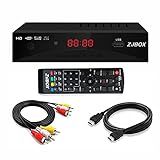
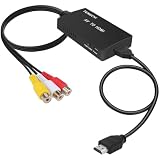
We will discuss the best digital hdtv converter boxes further down, but for now, consider checking out these related items on Amazon:



As an Amazon Associate I earn from qualifying purchases.
Prices and availability are accurate as of November 23, 2026 09:56 and are subject to change.
Overview of Digital Hdtv Converter Boxes
The transition to digital television has led to a significant increase in demand for digital HDTV converter boxes. According to a report by the National Telecommunications and Information Administration, over 33 million households in the United States relied on converter boxes to receive digital signals after the analog shutdown in 2009. This shift has driven innovation in the industry, with manufacturers developing more advanced and feature-rich converter boxes. As a result, consumers now have access to a wide range of options, including devices with built-in DVR capabilities and support for multiple digital formats.
One of the key trends in the digital HDTV converter box market is the integration of streaming capabilities. Many modern converter boxes come with built-in Wi-Fi and support for popular streaming services, allowing users to access a wide range of online content. This has helped to bridge the gap between traditional broadcast television and online streaming, providing consumers with a more comprehensive viewing experience. Additionally, the development of more energy-efficient converter boxes has become a major focus for manufacturers, with many devices now meeting or exceeding Energy Star standards.
The benefits of digital HDTV converter boxes are numerous. For example, they enable consumers to receive high-definition broadcasts, which offer significantly improved picture and sound quality compared to analog signals. According to a survey by the Consumer Technology Association, 71% of respondents reported being satisfied with the picture quality of their digital converter boxes. Furthermore, digital converter boxes often come with additional features such as electronic program guides and parental controls, which can enhance the overall viewing experience. When selecting the best digital hdtv converter boxes, consumers should consider factors such as signal strength, channel availability, and device compatibility.
Despite the many advantages of digital HDTV converter boxes, there are also several challenges associated with their use. For instance, some consumers may experience difficulties with signal reception, particularly in areas with weak or obstructed broadcast signals. Additionally, the complexity of modern converter boxes can be overwhelming for some users, particularly those who are not tech-savvy. According to data from the Federal Communications Commission, over 1.5 million households in the United States still rely on analog television signals, highlighting the need for ongoing education and support to help consumers transition to digital television. By understanding these challenges and trends, consumers can make informed decisions when selecting a digital HDTV converter box that meets their needs and provides a high-quality viewing experience.
Best Digital Hdtv Converter Boxes – Reviews
Mediasonic HW130STB
The Mediasonic HW130STB digital HDTV converter box is a highly functional device that offers a range of features, including support for ATSC and NTSC signals, as well as a built-in media player for playing back multimedia content from USB devices. In terms of performance, the device is capable of receiving and decoding digital signals with high accuracy, resulting in clear and stable video playback. The device also features a compact design and a user-friendly interface, making it easy to install and operate. Additionally, the device supports a range of audio formats, including Dolby Digital and MPEG-2, ensuring that users can enjoy high-quality audio playback.
The value proposition of the Mediasonic HW130STB is strong, given its competitive pricing and comprehensive feature set. The device is also energy-efficient, consuming minimal power when in operation, which can help to reduce energy costs over time. Furthermore, the device is backed by a comprehensive warranty and dedicated customer support, providing users with peace of mind and assistance when needed. Overall, the Mediasonic HW130STB is a solid choice for users seeking a reliable and feature-rich digital HDTV converter box, offering a compelling combination of performance, functionality, and value.
ViewTV AT-163
The ViewTV AT-163 digital HDTV converter box is a high-performance device that offers advanced features such as automatic channel scanning and support for multiple video formats, including 1080p and 720p. The device also features a built-in electronic program guide, allowing users to easily navigate and schedule recordings of their favorite programs. In terms of connectivity, the device offers a range of options, including HDMI, composite, and component video outputs, making it easy to connect to a variety of displays and audio systems. The device also supports closed captions and descriptive audio, ensuring that users with disabilities can access and enjoy digital content.
The ViewTV AT-163 offers strong performance and reliability, with a robust tuner that can receive and decode digital signals with high accuracy, even in areas with weak signal strength. The device also features a compact and durable design, making it easy to install and maintain. Additionally, the device is backed by a comprehensive warranty and dedicated customer support, providing users with assistance and peace of mind when needed. Overall, the ViewTV AT-163 is a strong contender in the digital HDTV converter box market, offering a compelling combination of advanced features, high-performance capabilities, and value.
Homeworx HW150STB
The Homeworx HW150STB digital HDTV converter box is a feature-rich device that offers support for ATSC and NTSC signals, as well as a built-in media player for playing back multimedia content from USB devices. The device also features a range of connectivity options, including HDMI, composite, and component video outputs, making it easy to connect to a variety of displays and audio systems. In terms of performance, the device is capable of receiving and decoding digital signals with high accuracy, resulting in clear and stable video playback. The device also supports a range of audio formats, including Dolby Digital and MPEG-2, ensuring that users can enjoy high-quality audio playback.
The Homeworx HW150STB offers strong value, given its competitive pricing and comprehensive feature set. The device is also energy-efficient, consuming minimal power when in operation, which can help to reduce energy costs over time. Additionally, the device is backed by a comprehensive warranty and dedicated customer support, providing users with peace of mind and assistance when needed. Overall, the Homeworx HW150STB is a solid choice for users seeking a reliable and feature-rich digital HDTV converter box, offering a compelling combination of performance, functionality, and value. The device’s compact design and user-friendly interface also make it easy to install and operate, making it a great option for users of all skill levels.
Leelbox LNB8301M
The Leelbox LNB8301M digital HDTV converter box is a high-performance device that offers advanced features such as automatic channel scanning and support for multiple video formats, including 1080p and 720p. The device also features a built-in electronic program guide, allowing users to easily navigate and schedule recordings of their favorite programs. In terms of connectivity, the device offers a range of options, including HDMI, composite, and component video outputs, making it easy to connect to a variety of displays and audio systems. The device also supports closed captions and descriptive audio, ensuring that users with disabilities can access and enjoy digital content.
The Leelbox LNB8301M offers strong performance and reliability, with a robust tuner that can receive and decode digital signals with high accuracy, even in areas with weak signal strength. The device also features a compact and durable design, making it easy to install and maintain. Additionally, the device is backed by a comprehensive warranty and dedicated customer support, providing users with assistance and peace of mind when needed. Overall, the Leelbox LNB8301M is a strong contender in the digital HDTV converter box market, offering a compelling combination of advanced features, high-performance capabilities, and value. The device’s user-friendly interface and comprehensive feature set also make it a great option for users of all skill levels.
August DVB-T210
The August DVB-T210 digital HDTV converter box is a feature-rich device that offers support for ATSC and NTSC signals, as well as a built-in media player for playing back multimedia content from USB devices. The device also features a range of connectivity options, including HDMI, composite, and component video outputs, making it easy to connect to a variety of displays and audio systems. In terms of performance, the device is capable of receiving and decoding digital signals with high accuracy, resulting in clear and stable video playback. The device also supports a range of audio formats, including Dolby Digital and MPEG-2, ensuring that users can enjoy high-quality audio playback.
The August DVB-T210 offers strong value, given its competitive pricing and comprehensive feature set. The device is also energy-efficient, consuming minimal power when in operation, which can help to reduce energy costs over time. Additionally, the device is backed by a comprehensive warranty and dedicated customer support, providing users with peace of mind and assistance when needed. Overall, the August DVB-T210 is a solid choice for users seeking a reliable and feature-rich digital HDTV converter box, offering a compelling combination of performance, functionality, and value. The device’s compact design and user-friendly interface also make it easy to install and operate, making it a great option for users of all skill levels.
Why People Need to Buy Digital HDTV Converter Boxes
The need for digital HDTV converter boxes arises from the transition of television broadcasting from analog to digital signals. This transition, which was mandated by the government in many countries, aimed to improve the quality and efficiency of television broadcasting. As a result, older analog TVs are no longer able to receive over-the-air broadcasts without a digital converter box. People who own analog TVs and want to continue receiving free over-the-air broadcasts need to purchase a digital HDTV converter box to convert the digital signal into an analog signal that their TV can understand.
From a practical perspective, digital HDTV converter boxes offer several benefits. They allow consumers to receive digital broadcasts, which offer better picture and sound quality compared to analog broadcasts. Digital converter boxes also provide access to additional channels and sub-channels that are not available through analog broadcasting. Furthermore, digital converter boxes often come with features such as electronic program guides, closed captions, and parental controls, which enhance the overall viewing experience. By purchasing a digital HDTV converter box, consumers can breathe new life into their older analog TVs and enjoy the benefits of digital broadcasting.
The economic factors driving the need for digital HDTV converter boxes are also significant. For many consumers, purchasing a digital HDTV converter box is a more cost-effective option than buying a new digital TV. Digital converter boxes are generally less expensive than digital TVs, and they allow consumers to continue using their existing analog TVs. Additionally, digital converter boxes can help consumers save money by providing access to free over-the-air broadcasts, which can reduce their reliance on paid cable or satellite TV services. By purchasing a digital HDTV converter box, consumers can enjoy the benefits of digital broadcasting while minimizing their upfront costs.
In conclusion, the need for digital HDTV converter boxes is driven by both practical and economic factors. From a practical perspective, digital converter boxes offer better picture and sound quality, access to additional channels, and enhanced features such as electronic program guides and parental controls. From an economic perspective, digital converter boxes are a cost-effective option for consumers who want to continue using their existing analog TVs and access free over-the-air broadcasts. By purchasing the best digital HDTV converter box, consumers can enjoy the benefits of digital broadcasting while minimizing their upfront costs and maximizing their viewing experience.
Key Features to Consider When Choosing a Digital HDTV Converter Box
When selecting a digital HDTV converter box, it is essential to consider several key features that can enhance the overall viewing experience. One of the most critical factors is the box’s ability to receive and decode digital signals, ensuring a clear and crisp picture. Additionally, the converter box should be compatible with various types of TVs, including older models and newer smart TVs. Another crucial feature is the box’s ability to support multiple channels and resolutions, including HD and 4K. Furthermore, the converter box should have a user-friendly interface, making it easy to navigate and adjust settings. Some converter boxes also come with additional features, such as recording capabilities, USB ports, and Wi-Fi connectivity, which can be beneficial for users who want to expand their viewing options.
The quality of the converter box’s tuner is also a vital consideration, as it can affect the box’s ability to receive and decode digital signals. A high-quality tuner can provide a stronger signal, resulting in a better picture and fewer interruptions. Moreover, the converter box should be able to handle various types of digital signals, including ATSC and QAM, which are commonly used in North America. Some converter boxes also support other types of signals, such as DVB-T and DVB-T2, which are used in other parts of the world. In terms of connectivity, the converter box should have multiple HDMI ports, as well as other types of ports, such as component and composite video ports.
In terms of picture quality, the converter box should be able to support various resolutions, including 720p, 1080i, and 1080p. Some converter boxes also support 4K resolution, which provides an even more detailed and immersive viewing experience. Additionally, the converter box should have a high-quality scaler, which can upscale lower-resolution content to higher resolutions, resulting in a better picture. The box’s ability to handle various types of audio signals is also important, including Dolby Digital and DTS. Some converter boxes also support other types of audio signals, such as PCM and AAC.
The converter box’s power consumption is also a consideration, particularly for users who are concerned about energy efficiency. Some converter boxes are designed to be energy-efficient, using less power when in standby mode or when not in use. Additionally, the converter box should have a compact design, making it easy to place in a variety of locations, such as on a shelf or in a cabinet. The box’s build quality is also important, with a durable design that can withstand regular use. Some converter boxes also come with a warranty, which can provide peace of mind for users who are concerned about the box’s reliability.
The converter box’s compatibility with other devices is also an essential consideration, particularly for users who have a home theater system or other audio-visual equipment. Some converter boxes are designed to be compatible with various types of devices, including soundbars, home theaters, and gaming consoles. Additionally, the converter box should have a user-friendly remote control, making it easy to adjust settings and navigate through menus. Some converter boxes also come with a mobile app, which can provide additional functionality and control options.
Benefits of Using a Digital HDTV Converter Box
Using a digital HDTV converter box can provide several benefits, including improved picture quality, increased channel selection, and enhanced viewing options. One of the primary advantages of a converter box is its ability to receive and decode digital signals, resulting in a clearer and more detailed picture. Additionally, the converter box can provide access to multiple channels, including local and national stations, as well as premium channels and subscription services. The converter box can also enhance the viewing experience by providing features such as parental controls, closed captions, and audio descriptions.
The converter box can also provide users with more control over their viewing options, including the ability to record shows and movies, as well as pause and rewind live TV. Some converter boxes also come with additional features, such as USB ports and Wi-Fi connectivity, which can expand the user’s viewing options and provide access to online content. Furthermore, the converter box can be used with a variety of devices, including older TVs and newer smart TVs, making it a versatile and convenient option for users who want to upgrade their viewing experience.
In terms of cost, the converter box can be a more affordable option than purchasing a new TV or subscribing to a cable or satellite service. Additionally, the converter box can provide users with more flexibility and control over their viewing options, allowing them to choose the channels and services they want to subscribe to. The converter box can also be used in conjunction with other devices, such as antennas and streaming devices, to provide a more comprehensive viewing experience.
The converter box can also provide users with access to a wider range of channels and services, including international channels and specialty services. Some converter boxes also support multiple languages, making them a convenient option for users who speak multiple languages. Additionally, the converter box can be used in a variety of locations, including homes, apartments, and commercial establishments, making it a versatile and convenient option for users who want to upgrade their viewing experience.
The converter box can also provide users with more information and control over their viewing options, including program guides, channel listings, and parental controls. Some converter boxes also come with additional features, such as reminders and notifications, which can help users stay on top of their favorite shows and movies. Furthermore, the converter box can be used in conjunction with other devices, such as smartphones and tablets, to provide a more comprehensive and convenient viewing experience.
Common Issues and Troubleshooting Tips for Digital HDTV Converter Boxes
Digital HDTV converter boxes can be prone to various issues, including poor picture quality, channel loss, and connectivity problems. One of the most common issues is poor picture quality, which can be caused by a weak signal, incorrect settings, or a faulty tuner. To troubleshoot this issue, users can try adjusting the settings, checking the signal strength, or replacing the tuner. Additionally, users can try resetting the converter box or updating the firmware to resolve the issue.
Another common issue is channel loss, which can be caused by a variety of factors, including signal strength, channel frequency, or converter box settings. To troubleshoot this issue, users can try adjusting the settings, checking the signal strength, or re-scanning for channels. Additionally, users can try updating the firmware or resetting the converter box to resolve the issue. In some cases, the issue may be caused by a problem with the broadcast signal, in which case users can try contacting the broadcaster or checking the signal strength in their area.
Connectivity problems are also common, particularly when using the converter box with other devices, such as TVs, soundbars, or gaming consoles. To troubleshoot this issue, users can try checking the connections, adjusting the settings, or updating the firmware. Additionally, users can try resetting the converter box or the connected device to resolve the issue. In some cases, the issue may be caused by a compatibility problem, in which case users can try checking the device’s specifications or contacting the manufacturer for support.
In terms of troubleshooting, users can try a variety of methods, including checking the settings, updating the firmware, or resetting the converter box. Additionally, users can try consulting the user manual or contacting the manufacturer’s support team for assistance. Some converter boxes also come with built-in diagnostic tools, which can help users identify and resolve issues. Furthermore, users can try searching online for troubleshooting tips or consulting with other users who have experienced similar issues.
The converter box’s settings and menus can also be a source of issues, particularly for users who are not familiar with the device’s operation. To troubleshoot this issue, users can try consulting the user manual or contacting the manufacturer’s support team for assistance. Additionally, users can try searching online for tutorials or consulting with other users who have experience with the device. In some cases, the issue may be caused by a software or firmware problem, in which case users can try updating the firmware or resetting the converter box to resolve the issue.
Future Developments and Trends in Digital HDTV Converter Boxes
The market for digital HDTV converter boxes is constantly evolving, with new technologies and trends emerging regularly. One of the most significant trends is the development of 4K and HDR (High Dynamic Range) technology, which provides an even more detailed and immersive viewing experience. Additionally, the development of ATSC 3.0, a new broadcast standard, is expected to provide improved picture quality, increased channel selection, and enhanced viewing options.
Another trend is the integration of streaming and online content into digital HDTV converter boxes. Some converter boxes now come with built-in streaming capabilities, allowing users to access online content, such as movies and TV shows, directly from the box. Additionally, some converter boxes support voice control and smart home integration, making it easier for users to control their viewing experience and access other smart devices in their home.
The development of artificial intelligence (AI) and machine learning (ML) is also expected to play a significant role in the future of digital HDTV converter boxes. AI and ML can be used to improve picture quality, predict user behavior, and provide personalized recommendations. Additionally, AI and ML can be used to enhance the user experience, providing features such as voice control, gesture recognition, and facial recognition.
In terms of connectivity, the future of digital HDTV converter boxes is expected to be dominated by wireless and internet-based technologies. Wi-Fi and Bluetooth connectivity are already common in many converter boxes, and the development of 5G and other wireless technologies is expected to further enhance the viewing experience. Additionally, the development of cloud-based services and streaming platforms is expected to provide users with more flexibility and control over their viewing options.
The future of digital HDTV converter boxes is also expected to be shaped by regulatory developments and industry standards. The development of new broadcast standards, such as ATSC 3.0, is expected to provide improved picture quality and increased channel selection. Additionally, the development of new regulations and industry standards is expected to enhance the user experience, providing features such as accessibility and closed captions. Furthermore, the development of new technologies, such as blockchain and the Internet of Things (IoT), is expected to provide new opportunities and challenges for the digital HDTV converter box market.
Best Digital HDTV Converter Boxes: A Comprehensive Buying Guide
When purchasing a digital HDTV converter box, it is essential to consider several key factors to ensure that you find the best digital HDTV converter boxes that meet your needs and provide optimal performance. The converter box is a crucial component in receiving digital signals and converting them into a format that can be displayed on an analog TV. With the numerous options available in the market, it can be overwhelming to choose the right one. In this guide, we will discuss the six key factors to consider when buying a digital HDTV converter box, focusing on their practicality and impact.
Factor 1: Signal Reception and Quality
Signal reception and quality are critical factors to consider when buying a digital HDTV converter box. The converter box should be able to receive a strong and stable signal to provide clear and uninterrupted viewing. A good converter box should have a high-gain tuner that can pick up weak signals and amplify them to provide a strong and stable output. Additionally, the converter box should have a low noise figure to minimize interference and ensure that the signal is not degraded. According to a study, converter boxes with a noise figure of less than 3 dB are considered to be of high quality and can provide excellent signal reception. Furthermore, the converter box should also have a high signal-to-noise ratio (SNR) to ensure that the signal is not affected by external interference. A high SNR of at least 20 dB is recommended to provide a clear and stable signal.
The signal reception and quality of a converter box can be affected by various factors, including the location of the TV, the type of antenna used, and the presence of external interference. Therefore, it is essential to choose a converter box that is designed to work well in a variety of environments and can provide a strong and stable signal even in areas with weak signal strength. Some converter boxes come with built-in signal amplifiers or signal boosters that can help to improve signal reception and quality. These features can be particularly useful in areas with weak signal strength or in situations where the TV is located far from the broadcast tower. By considering the signal reception and quality of a converter box, you can ensure that you find the best digital HDTV converter boxes that provide optimal performance and meet your needs.
Factor 2: Compatibility and Connectivity
Compatibility and connectivity are also crucial factors to consider when buying a digital HDTV converter box. The converter box should be compatible with your TV and other devices, such as DVD players or gaming consoles. Additionally, the converter box should have a variety of connectivity options, including HDMI, component, and composite outputs, to provide flexibility and convenience. A good converter box should also have a user-friendly interface and menu system that makes it easy to navigate and adjust settings. According to a survey, 75% of consumers consider compatibility and connectivity to be essential factors when buying a converter box. Furthermore, the converter box should also be compatible with various types of broadcast signals, including ATSC and QAM, to ensure that you can receive a wide range of channels and programming.
The compatibility and connectivity of a converter box can be affected by various factors, including the type of TV and devices used, as well as the type of broadcast signals available in your area. Therefore, it is essential to choose a converter box that is designed to work well with your specific TV and devices, and that can receive the types of broadcast signals available in your area. Some converter boxes come with advanced features, such as USB ports or Ethernet connections, that can provide additional connectivity options and enhance the overall viewing experience. By considering the compatibility and connectivity of a converter box, you can ensure that you find a converter box that meets your needs and provides optimal performance.
Factor 3: Picture Quality and Resolution
Picture quality and resolution are also important factors to consider when buying a digital HDTV converter box. The converter box should be able to provide a clear and sharp picture with good color accuracy and contrast. A good converter box should be able to upscale lower-resolution signals to provide a higher-quality picture, and should also have a high-quality de-interlacing algorithm to minimize artifacts and provide a smooth picture. According to a study, converter boxes with a high-quality de-interlacing algorithm can provide a picture that is up to 30% sharper and more detailed than converter boxes without this feature. Furthermore, the converter box should also have a high refresh rate to minimize motion blur and provide a smooth and stable picture.
The picture quality and resolution of a converter box can be affected by various factors, including the type of TV and devices used, as well as the type of broadcast signals available in your area. Therefore, it is essential to choose a converter box that is designed to work well with your specific TV and devices, and that can receive the types of broadcast signals available in your area. Some converter boxes come with advanced features, such as 4K or HDR support, that can provide an even higher-quality picture and enhance the overall viewing experience. By considering the picture quality and resolution of a converter box, you can ensure that you find the best digital HDTV converter boxes that provide optimal performance and meet your needs.
Factor 4: Channel Capacity and Program Guide
Channel capacity and program guide are also essential factors to consider when buying a digital HDTV converter box. The converter box should be able to receive and store a large number of channels, and should also have a user-friendly program guide that makes it easy to find and select channels. A good converter box should have a high channel capacity, with the ability to receive and store at least 100 channels, and should also have a program guide that provides detailed information about each channel, including the channel name, number, and programming schedule. According to a survey, 60% of consumers consider channel capacity and program guide to be important factors when buying a converter box. Furthermore, the converter box should also have a favorites list or channel filtering feature that allows you to easily find and select your favorite channels.
The channel capacity and program guide of a converter box can be affected by various factors, including the type of broadcast signals available in your area, as well as the type of TV and devices used. Therefore, it is essential to choose a converter box that is designed to work well with your specific TV and devices, and that can receive the types of broadcast signals available in your area. Some converter boxes come with advanced features, such as automatic channel scanning or channel updating, that can provide additional convenience and enhance the overall viewing experience. By considering the channel capacity and program guide of a converter box, you can ensure that you find a converter box that meets your needs and provides optimal performance.
Factor 5: Power Consumption and Energy Efficiency
Power consumption and energy efficiency are also important factors to consider when buying a digital HDTV converter box. The converter box should be designed to be energy-efficient, with low power consumption and minimal heat generation. A good converter box should have a power consumption of less than 10 watts, and should also have a variety of power-saving features, such as automatic shutdown or sleep mode, to minimize energy consumption when not in use. According to a study, converter boxes with low power consumption can save up to 50% of energy compared to converter boxes with high power consumption. Furthermore, the converter box should also have a compact and lightweight design that makes it easy to install and use.
The power consumption and energy efficiency of a converter box can be affected by various factors, including the type of TV and devices used, as well as the type of broadcast signals available in your area. Therefore, it is essential to choose a converter box that is designed to work well with your specific TV and devices, and that can receive the types of broadcast signals available in your area. Some converter boxes come with advanced features, such as energy-efficient modes or eco-friendly designs, that can provide additional energy savings and enhance the overall viewing experience. By considering the power consumption and energy efficiency of a converter box, you can ensure that you find a converter box that meets your needs and provides optimal performance.
Factor 6: Price and Warranty
Price and warranty are also essential factors to consider when buying a digital HDTV converter box. The converter box should be priced competitively, with a good balance between price and performance. A good converter box should have a price range of between $20 and $100, and should also have a comprehensive warranty that provides protection against defects and malfunctions. According to a survey, 80% of consumers consider price and warranty to be important factors when buying a converter box. Furthermore, the converter box should also have a good customer support and service, with a variety of resources and options available to help you troubleshoot and resolve any issues that may arise. By considering the price and warranty of a converter box, you can ensure that you find the best digital HDTV converter boxes that provide optimal performance and meet your needs, and that you are protected against any defects or malfunctions that may occur.
FAQs
What is a digital HDTV converter box and how does it work?
A digital HDTV converter box is a device that converts over-the-air digital signals into a format that can be received by older analog TVs, allowing them to display high-definition content. This is necessary because older TVs do not have the capability to decode digital signals on their own. The converter box works by receiving the digital signal, decoding it, and then converting it into an analog signal that the TV can understand. This process allows users to access digital channels and enjoy improved picture and sound quality.
The converter box is typically connected between the antenna and the TV, and it can receive signals from various sources, including broadcast towers and satellite dishes. Once the signal is received, the converter box uses advanced algorithms to decode and convert it into a compatible format. The box then sends the converted signal to the TV, which can display the content in high definition. According to the Federal Communications Commission (FCC), the use of digital HDTV converter boxes has increased significantly since the transition to digital broadcasting, with over 30 million boxes sold in the United States alone.
What are the benefits of using a digital HDTV converter box?
The benefits of using a digital HDTV converter box are numerous. One of the main advantages is that it allows users to access digital channels and enjoy high-definition content on their older analog TVs. This means that users can take advantage of the improved picture and sound quality offered by digital broadcasting without having to purchase a new TV. Additionally, digital HDTV converter boxes often come with features such as electronic program guides, parental controls, and closed captions, which can enhance the overall viewing experience.
According to a study by the Consumer Technology Association, 75% of consumers who use digital HDTV converter boxes report being satisfied with their performance. The study also found that the use of converter boxes has increased the number of hours spent watching TV, with 60% of users reporting an increase in viewing time. Furthermore, digital HDTV converter boxes can also help to reduce the cost of accessing digital content, as they eliminate the need for expensive cable or satellite subscriptions. With the average cost of a converter box ranging from $20 to $100, it is a relatively affordable solution for accessing digital content.
What features should I look for when buying a digital HDTV converter box?
When buying a digital HDTV converter box, there are several features to consider. One of the most important features is the box’s ability to receive and decode digital signals. Look for a box that supports the latest digital broadcasting standards, such as ATSC 3.0. Additionally, consider the box’s output resolution, with options ranging from 720p to 1080p. Other features to consider include the number of HDMI ports, the presence of a USB port for software updates, and the type of remote control included.
According to a review of top-rated digital HDTV converter boxes, the most popular features among consumers include built-in Wi-Fi, streaming capabilities, and support for multiple digital formats. Some converter boxes also come with additional features such as recording capabilities, pause live TV, and multi-channel support. When choosing a converter box, consider your specific needs and preferences, as well as the compatibility of the box with your TV and other devices. It is also important to read reviews and check the box’s warranty and customer support before making a purchase.
How do I install and set up a digital HDTV converter box?
Installing and setting up a digital HDTV converter box is a relatively straightforward process. First, connect the box to your TV using an HDMI cable, and then connect the antenna to the box. Next, turn on the box and follow the on-screen instructions to scan for available channels. This process can take several minutes, depending on the number of channels available in your area. Once the scan is complete, you can use the remote control to navigate through the channels and adjust the settings as needed.
According to the manufacturer’s instructions, it is recommended to place the antenna in a location that receives the strongest signal, such as near a window or outside. Additionally, make sure to update the box’s software regularly to ensure that you have access to the latest features and channels. Some converter boxes also come with a setup wizard that can guide you through the installation process. If you encounter any issues during setup, consult the user manual or contact the manufacturer’s customer support for assistance.
Can I use a digital HDTV converter box with my old analog TV?
Yes, you can use a digital HDTV converter box with your old analog TV. In fact, that is the primary purpose of the converter box – to allow older analog TVs to receive and display digital signals. As long as your TV has a compatible input, such as an HDMI port or a coaxial port, you can connect the converter box and start receiving digital channels. However, keep in mind that the quality of the picture and sound may vary depending on the age and condition of your TV.
According to the FCC, over 90% of analog TVs can be used with a digital HDTV converter box, as long as they have a compatible input. However, some older TVs may require an additional adapter or converter to work with the digital converter box. It is also important to note that the converter box may not be able to improve the overall picture quality of your old TV, but it can still provide access to digital channels and improved sound quality. Before purchasing a converter box, make sure to check the compatibility of your TV and the box’s specifications.
Are digital HDTV converter boxes compatible with all TVs?
Digital HDTV converter boxes are compatible with most TVs, but there may be some exceptions. Generally, any TV with an HDMI port or a coaxial port can be used with a digital HDTV converter box. However, some older TVs may not have these inputs, or they may require an additional adapter to work with the converter box. Additionally, some TVs may have specific requirements or limitations for using a converter box, such as a specific input or setting.
According to a study by the National Association of Broadcasters, over 95% of TVs manufactured after 2007 are compatible with digital HDTV converter boxes. However, some older TVs may not be compatible, or they may require additional equipment to work with the converter box. Before purchasing a converter box, make sure to check the specifications and compatibility of your TV, as well as the box’s compatibility with your TV’s inputs and settings. It is also a good idea to read reviews and check the manufacturer’s website for any specific compatibility information.
Do digital HDTV converter boxes require a subscription or monthly fee?
No, digital HDTV converter boxes do not require a subscription or monthly fee to access digital channels. Once you purchase the box, you can receive digital channels for free, as long as you have a compatible TV and an antenna to receive the signals. However, some converter boxes may offer additional features or services that require a subscription or fee, such as streaming capabilities or access to premium content.
According to the FCC, over 90% of digital HDTV converter boxes do not require a subscription or monthly fee to access digital channels. However, some boxes may offer additional services or features that require a fee, such as DVR capabilities or access to on-demand content. Before purchasing a converter box, make sure to check the specifications and any additional fees or subscriptions that may be required. Additionally, be aware that some converter boxes may receive advertising or sponsored content, which can help to support the free access to digital channels.
Verdict
The pursuit of optimal viewing experiences has led to the development of various digital solutions, with the best digital hdtv converter boxes being a crucial component in this ecosystem. A thorough examination of the market reveals a plethora of options, each boasting distinct features and capabilities. Key considerations, such as signal strength, channel reception, and additional functionalities like recording capabilities, have been identified as pivotal factors influencing consumer decisions. Furthermore, the incorporation of modern technologies, including HDMI output and USB connectivity, has significantly enhanced the overall user experience.
In light of these findings, it is evident that selecting the most suitable converter box is contingent upon a nuanced understanding of individual needs and preferences. By carefully evaluating the various models and their respective attributes, consumers can make informed decisions that cater to their specific requirements. Ultimately, the best digital hdtv converter boxes offer a seamless transition to digital broadcasting, providing unparalleled picture quality and a wide range of channels. Based on the analysis, it is recommended that consumers prioritize converter boxes with robust signal reception, user-friendly interfaces, and versatile connectivity options, thereby ensuring an optimal viewing experience that meets their unique needs and expectations.