Rising energy costs and growing concerns over environmental sustainability have sparked a surge in demand for innovative, energy-efficient heating solutions. Electric baseboard heating systems, in particular, have gained popularity due to their cost-effectiveness and ease of installation. However, optimizing their performance requires advanced temperature control mechanisms, which is where smart thermostats come into play. By investing in the best smart thermostats for electric baseboard heat, homeowners can significantly reduce their energy consumption and lower their utility bills.
Effective temperature management is crucial for maximizing the benefits of electric baseboard heating, and smart thermostats offer a range of features that facilitate this process. With their advanced sensors, scheduling capabilities, and remote access, these devices enable users to tailor their heating systems to their unique needs and preferences. Moreover, many smart thermostats are compatible with popular smart home systems, allowing for seamless integration and enhanced convenience. By exploring the various options available, consumers can make informed decisions and choose the ideal smart thermostat to optimize their electric baseboard heating system.
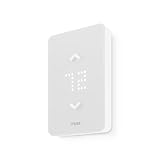
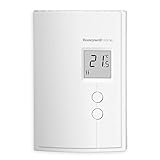
We will discuss the best smart thermostats for electric baseboard heat further down, but for now, consider checking out these related items on Amazon:


As an Amazon Associate I earn from qualifying purchases.
Prices and availability are accurate as of November 23, 2026 15:04 and are subject to change.
Analytical Overview of Smart Thermostats For Electric Baseboard Heat
The market for smart thermostats has experienced significant growth in recent years, driven by increasing demand for energy-efficient and convenient temperature control solutions. According to a report by the US Department of Energy, heating accounts for approximately 29% of the average household’s energy consumption, making it an area where smart thermostats can have a substantial impact. Smart thermostats for electric baseboard heat offer a range of benefits, including improved temperature control, reduced energy waste, and enhanced convenience through remote access and scheduling capabilities.
One key trend in the smart thermostat market is the increasing adoption of Wi-Fi and wireless communication protocols, which enable seamless integration with other smart home devices and voice assistants. This has led to the development of more sophisticated and user-friendly interfaces, allowing homeowners to easily monitor and adjust their heating systems from anywhere. Additionally, many smart thermostats now incorporate advanced features such as geofencing, which can automatically adjust the temperature based on the homeowner’s location, and energy usage tracking, which provides valuable insights into heating patterns and energy consumption.
The benefits of smart thermostats for electric baseboard heat are numerous, with potential energy savings ranging from 10% to 30% according to various studies. By optimizing heating schedules and temperatures, homeowners can reduce their energy consumption and lower their utility bills. Furthermore, smart thermostats can also help extend the lifespan of electric baseboard heating systems by preventing overheating and reducing wear and tear on the equipment. As the demand for energy-efficient solutions continues to grow, the best smart thermostats for electric baseboard heat are likely to play an increasingly important role in the market.
Despite the many benefits of smart thermostats, there are also several challenges to consider, including the potential for higher upfront costs and the need for reliable internet connectivity. However, as the technology continues to evolve and prices decrease, smart thermostats are likely to become an increasingly attractive option for homeowners looking to upgrade their heating systems. According to a survey by the National Resources Defense Council, 75% of homeowners consider energy efficiency to be an important factor when making purchasing decisions, highlighting the growing demand for solutions like smart thermostats that can help reduce energy consumption and lower utility bills.
Top 5 Best Smart Thermostats For Electric Baseboard Heat
Ecobee SmartThermostat
The Ecobee SmartThermostat is a highly advanced device that offers a wide range of features tailored to electric baseboard heat systems. It boasts a high-resolution touchscreen display and integrates seamlessly with various smart home systems, including Amazon Alexa and Google Assistant. This thermostat also includes a remote sensor that can be placed in any room, providing accurate temperature readings and allowing for more efficient heating. Additionally, the Ecobee SmartThermostat has a geofencing feature that can detect when occupants are away from home, automatically adjusting the temperature to conserve energy.
In terms of performance, the Ecobee SmartThermostat has received positive reviews from users, with many praising its ease of use and ability to learn their schedules and preferences. The device’s energy-saving features have also been shown to be effective, with some users reporting significant reductions in their energy bills. However, some users have noted that the installation process can be complex, and the device’s high price point may be a barrier for some consumers. Nevertheless, the Ecobee SmartThermostat’s advanced features and capabilities make it a strong contender in the market for smart thermostats designed for electric baseboard heat systems. Its ability to integrate with other smart devices and provide detailed energy usage reports also make it a valuable tool for homeowners looking to optimize their energy efficiency.
Nest Learning Thermostat
The Nest Learning Thermostat is a popular choice among homeowners with electric baseboard heat systems, and for good reason. This device is known for its ability to learn occupants’ schedules and preferences, automatically adjusting the temperature to optimize energy efficiency. The Nest Learning Thermostat also features a sleek and modern design, with a high-resolution display that provides detailed information about energy usage and temperature settings. Additionally, the device integrates seamlessly with other smart home systems, including Amazon Alexa and Google Assistant, making it easy to control the temperature remotely.
In terms of performance, the Nest Learning Thermostat has received widespread acclaim from users and critics alike. The device’s ability to learn and adapt to occupants’ schedules and preferences has been shown to be highly effective, with many users reporting significant reductions in their energy bills. The Nest Learning Thermostat also features a range of energy-saving features, including automatic temperature adjustments and energy usage reports. However, some users have noted that the device’s learning curve can be steep, and the high price point may be a barrier for some consumers. Nevertheless, the Nest Learning Thermostat’s advanced features and capabilities make it a strong contender in the market for smart thermostats designed for electric baseboard heat systems.
Honeywell Home T9 Smart Thermostat
The Honeywell Home T9 Smart Thermostat is a highly capable device that offers a range of features tailored to electric baseboard heat systems. This thermostat boasts a high-resolution display and integrates seamlessly with various smart home systems, including Amazon Alexa and Google Assistant. The device also includes a range of energy-saving features, including automatic temperature adjustments and energy usage reports. Additionally, the Honeywell Home T9 Smart Thermostat features a geofencing feature that can detect when occupants are away from home, automatically adjusting the temperature to conserve energy. The device also includes a remote sensor that can be placed in any room, providing accurate temperature readings and allowing for more efficient heating.
In terms of performance, the Honeywell Home T9 Smart Thermostat has received positive reviews from users, with many praising its ease of use and ability to learn their schedules and preferences. The device’s energy-saving features have also been shown to be effective, with some users reporting significant reductions in their energy bills. However, some users have noted that the installation process can be complex, and the device’s high price point may be a barrier for some consumers. Nevertheless, the Honeywell Home T9 Smart Thermostat’s advanced features and capabilities make it a strong contender in the market for smart thermostats designed for electric baseboard heat systems. Its ability to integrate with other smart devices and provide detailed energy usage reports also make it a valuable tool for homeowners looking to optimize their energy efficiency.
Sensibo Smart Thermostat
The Sensibo Smart Thermostat is a highly affordable device that offers a range of features tailored to electric baseboard heat systems. This thermostat boasts a compact design and integrates seamlessly with various smart home systems, including Amazon Alexa and Google Assistant. The device also includes a range of energy-saving features, including automatic temperature adjustments and energy usage reports. Additionally, the Sensibo Smart Thermostat features a geofencing feature that can detect when occupants are away from home, automatically adjusting the temperature to conserve energy. The device also includes a remote sensor that can be placed in any room, providing accurate temperature readings and allowing for more efficient heating.
In terms of performance, the Sensibo Smart Thermostat has received positive reviews from users, with many praising its ease of use and ability to learn their schedules and preferences. The device’s energy-saving features have also been shown to be effective, with some users reporting significant reductions in their energy bills. However, some users have noted that the device’s limited compatibility with certain smart home systems may be a drawback. Nevertheless, the Sensibo Smart Thermostat’s advanced features and affordable price point make it a strong contender in the market for smart thermostats designed for electric baseboard heat systems. Its ability to integrate with other smart devices and provide detailed energy usage reports also make it a valuable tool for homeowners looking to optimize their energy efficiency.
Mysa Smart Thermostat
The Mysa Smart Thermostat is a highly specialized device designed specifically for electric baseboard heat systems. This thermostat boasts a compact design and integrates seamlessly with various smart home systems, including Amazon Alexa and Google Assistant. The device also includes a range of energy-saving features, including automatic temperature adjustments and energy usage reports. Additionally, the Mysa Smart Thermostat features a geofencing feature that can detect when occupants are away from home, automatically adjusting the temperature to conserve energy. The device also includes a remote sensor that can be placed in any room, providing accurate temperature readings and allowing for more efficient heating.
In terms of performance, the Mysa Smart Thermostat has received positive reviews from users, with many praising its ease of use and ability to learn their schedules and preferences. The device’s energy-saving features have also been shown to be effective, with some users reporting significant reductions in their energy bills. However, some users have noted that the device’s limited compatibility with certain smart home systems may be a drawback. Nevertheless, the Mysa Smart Thermostat’s advanced features and specialized design make it a strong contender in the market for smart thermostats designed for electric baseboard heat systems. Its ability to integrate with other smart devices and provide detailed energy usage reports also make it a valuable tool for homeowners looking to optimize their energy efficiency.
Optimizing Electric Baseboard Heat with Smart Thermostats
The need for smart thermostats in homes with electric baseboard heat stems from the desire to optimize energy consumption and reduce heating costs. Electric baseboard heat can be an efficient and effective way to warm a home, but it often lacks the sophisticated control systems found in other types of heating systems. By installing a smart thermostat, homeowners can gain greater control over their heating system, allowing them to tailor their heating schedule to their specific needs and preferences. This can lead to significant energy savings, as the thermostat can learn the home’s heating patterns and adjust the temperature accordingly.
One of the primary practical factors driving the need for smart thermostats is their ability to learn and adapt to a home’s unique heating requirements. Unlike traditional thermostats, which often rely on manual adjustments and simplistic scheduling, smart thermostats can analyze a home’s heating patterns and make automatic adjustments to optimize energy consumption. This can be particularly beneficial for homes with electric baseboard heat, as these systems often lack the advanced control systems found in other types of heating systems. By installing a smart thermostat, homeowners can ensure that their heating system is operating at peak efficiency, reducing energy waste and minimizing their environmental impact.
From an economic perspective, the benefits of smart thermostats for electric baseboard heat are clear. By optimizing energy consumption and reducing heating costs, homeowners can save significant amounts of money on their energy bills. In fact, many smart thermostat manufacturers claim that their products can save homeowners up to 20% on their heating costs, which can translate to substantial savings over the course of a year. Additionally, many utility companies offer rebates and incentives for homeowners who install smart thermostats, which can help offset the upfront cost of the device. This can make smart thermostats a highly attractive option for homeowners looking to reduce their energy costs and improve the overall efficiency of their heating system.
The economic benefits of smart thermostats for electric baseboard heat are further enhanced by their ability to integrate with other smart home devices and systems. Many smart thermostats are compatible with popular smart home platforms, allowing homeowners to control their heating system remotely and integrate it with other devices, such as lights and security systems. This can create a highly efficient and automated home environment, where all systems work together to minimize energy waste and optimize comfort. By investing in a smart thermostat, homeowners can take the first step towards creating a smart home ecosystem that is tailored to their specific needs and preferences, and can help them save money and reduce their environmental impact for years to come.
Key Features to Consider When Choosing a Smart Thermostat
When selecting a smart thermostat for electric baseboard heat, it is crucial to consider the key features that will provide optimal performance and efficiency. One of the primary features to look for is compatibility with your existing heating system. Ensure that the smart thermostat you choose is designed to work with electric baseboard heat and can handle the specific voltage and power requirements of your system. Additionally, consider the thermostat’s scheduling capabilities, including its ability to learn your daily routine and adjust the temperature accordingly. A smart thermostat with geofencing capabilities can also be beneficial, as it can detect when you are away from home and adjust the temperature to conserve energy.
Another essential feature to consider is the thermostat’s ability to integrate with other smart devices in your home. If you have a smart home system, look for a thermostat that can seamlessly integrate with it, allowing you to control your heating system remotely and receive notifications when the temperature changes. The thermostat’s user interface is also critical, as it should be intuitive and easy to navigate. A thermostat with a high-resolution display and clear menus can make it easier to adjust settings and monitor your energy usage.
The thermostat’s energy monitoring capabilities are also vital, as they can help you track your energy consumption and identify areas for improvement. Look for a thermostat that provides detailed energy usage reports and can offer personalized recommendations for reducing your energy consumption. Some smart thermostats also come with features like automatic software updates, which can ensure that your thermostat stays up-to-date with the latest features and security patches.
In terms of installation, consider a thermostat that is easy to install and does not require extensive technical expertise. A thermostat with a simple and straightforward installation process can save you time and money, as you may not need to hire a professional to install it. Finally, consider the warranty and customer support offered by the manufacturer, as a comprehensive warranty and reliable customer support can provide peace of mind and protect your investment.
The cost of the thermostat is also an essential factor to consider, as smart thermostats can vary significantly in price. While it may be tempting to opt for a cheaper thermostat, consider the long-term benefits and energy savings that a more advanced thermostat can provide. A more expensive thermostat may offer more features and better performance, which can lead to greater energy savings and a faster return on investment.
Benefits of Using a Smart Thermostat with Electric Baseboard Heat
Using a smart thermostat with electric baseboard heat can provide numerous benefits, including improved energy efficiency, enhanced comfort, and increased convenience. One of the primary advantages of smart thermostats is their ability to learn your daily routine and adjust the temperature accordingly. This can help reduce energy waste and lower your energy bills, as the thermostat can automatically turn down the heat when you are away from home or sleeping. Additionally, smart thermostats can provide detailed energy usage reports, which can help you identify areas for improvement and optimize your energy consumption.
Smart thermostats can also enhance your comfort by allowing you to control the temperature remotely and receive notifications when the temperature changes. This can be particularly beneficial if you have a large home or multiple zones, as you can adjust the temperature in each zone separately to create a comfortable environment. Furthermore, smart thermostats can integrate with other smart devices in your home, allowing you to control your heating system and other devices remotely and receive notifications when something goes wrong.
Another benefit of smart thermostats is their ability to extend the lifespan of your electric baseboard heating system. By optimizing your energy consumption and reducing the strain on your heating system, a smart thermostat can help prolong its lifespan and reduce the need for costly repairs. Smart thermostats can also provide automatic software updates, which can ensure that your thermostat stays up-to-date with the latest features and security patches.
In terms of convenience, smart thermostats can be controlled remotely using a smartphone app, allowing you to adjust the temperature and monitor your energy usage from anywhere. This can be particularly beneficial if you have a busy schedule or are away from home for extended periods, as you can ensure that your home is comfortable and energy-efficient even when you are not there. Some smart thermostats also come with voice control capabilities, allowing you to adjust the temperature using voice commands.
The environmental benefits of smart thermostats should also not be overlooked. By reducing energy waste and optimizing energy consumption, smart thermostats can help lower your carbon footprint and contribute to a more sustainable future. Additionally, smart thermostats can provide detailed energy usage reports, which can help you identify areas for improvement and make informed decisions about your energy consumption.
Common Challenges and Limitations of Smart Thermostats
While smart thermostats can provide numerous benefits, there are also some common challenges and limitations to consider. One of the primary challenges is compatibility, as some smart thermostats may not be compatible with certain electric baseboard heating systems or smart home devices. This can limit their functionality and make it difficult to integrate them with other devices in your home. Additionally, some smart thermostats may require a hub or bridge to connect to your Wi-Fi network, which can add complexity and cost to the installation process.
Another challenge is the learning curve associated with smart thermostats. While many smart thermostats are designed to be user-friendly, they can still require some time and effort to learn and master. This can be particularly challenging for those who are not familiar with smart home technology or have limited technical expertise. Furthermore, some smart thermostats may not provide the level of granular control that some users require, which can limit their ability to optimize their energy consumption and comfort.
In terms of limitations, some smart thermostats may not be able to handle complex heating systems or multiple zones, which can limit their functionality and make it difficult to optimize energy consumption. Additionally, some smart thermostats may not provide the level of energy monitoring and reporting that some users require, which can make it difficult to track energy usage and identify areas for improvement. Some smart thermostats may also be prone to connectivity issues or software glitches, which can affect their performance and reliability.
The cost of smart thermostats is also a significant limitation, as they can be more expensive than traditional thermostats. While the long-term benefits and energy savings can justify the cost, the upfront expense can still be a barrier for some users. Additionally, some smart thermostats may require a subscription or fees for certain features or services, which can add to the overall cost and limit their accessibility.
Despite these challenges and limitations, smart thermostats can still provide numerous benefits and improve the efficiency and comfort of your electric baseboard heating system. By carefully evaluating your needs and selecting a smart thermostat that meets your requirements, you can overcome these challenges and limitations and enjoy the benefits of smart thermostat technology.
Future Developments and Trends in Smart Thermostat Technology
The smart thermostat market is constantly evolving, with new developments and trends emerging all the time. One of the most significant trends is the integration of artificial intelligence and machine learning, which can enable smart thermostats to learn and adapt to your behavior and preferences. This can provide more accurate and personalized temperature control, as well as optimized energy consumption and comfort. Additionally, the increasing adoption of smart home technology is driving the development of more integrated and interconnected smart thermostats, which can seamlessly integrate with other devices and systems in your home.
Another trend is the growing focus on energy efficiency and sustainability, with smart thermostats playing a critical role in reducing energy waste and optimizing energy consumption. This is driving the development of more advanced energy monitoring and reporting capabilities, as well as features like automated energy usage optimization and personalized energy recommendations. The increasing use of voice control and smart speakers is also driving the development of more voice-controlled smart thermostats, which can provide a more convenient and hands-free way to control your heating system.
In terms of future developments, one of the most exciting areas is the integration of smart thermostats with other smart devices and systems, such as security cameras and doorbells. This can provide a more integrated and comprehensive smart home experience, with smart thermostats playing a critical role in optimizing energy consumption and comfort. The growing use of blockchain technology and decentralized networks is also driving the development of more secure and private smart thermostats, which can provide a more secure and reliable way to control your heating system.
The increasing focus on energy efficiency and sustainability is also driving the development of more advanced smart thermostat features, such as automated energy usage optimization and personalized energy recommendations. This can provide a more optimized and efficient way to control your heating system, as well as reduce your energy consumption and lower your energy bills. Additionally, the growing adoption of electric vehicles and renewable energy systems is driving the development of more integrated and comprehensive smart home energy management systems, which can provide a more optimized and efficient way to manage your energy consumption and reduce your carbon footprint.
As the smart thermostat market continues to evolve, we can expect to see more advanced and integrated smart thermostats that can provide a more optimized and efficient way to control your heating system. By staying up-to-date with the latest developments and trends, you can take advantage of the latest smart thermostat technology and enjoy a more comfortable, energy-efficient, and sustainable home.
Best Smart Thermostats For Electric Baseboard Heat: A Comprehensive Buying Guide
When it comes to regulating temperature in homes with electric baseboard heat, investing in a smart thermostat can be a game-changer. These devices offer unparalleled convenience, energy efficiency, and cost savings. However, with numerous options available in the market, selecting the right one can be overwhelming. To make an informed decision, it is essential to consider several key factors that impact the practicality and effectiveness of smart thermostats for electric baseboard heat. In this guide, we will delve into the crucial aspects to consider when buying the best smart thermostats for electric baseboard heat, ensuring that you make the most out of your investment.
Compatibility and Installation
One of the primary factors to consider when purchasing a smart thermostat for electric baseboard heat is compatibility and installation. It is crucial to ensure that the device is compatible with your existing heating system and can be easily integrated into your home’s infrastructure. Some smart thermostats may require additional wiring or hardware, which can add to the overall cost and complexity of the installation process. On the other hand, some models may be designed for straightforward DIY installation, making them more accessible to homeowners who prefer to handle the setup themselves. According to a study by the National Resources Defense Council, homes with smart thermostats can save up to 12% on their heating bills, making it essential to choose a device that can be seamlessly integrated into your electric baseboard heat system.
The installation process itself can also have a significant impact on the overall performance and efficiency of the smart thermostat. A poorly installed device can lead to reduced functionality, increased energy consumption, and even safety hazards. Therefore, it is recommended to consult with a professional if you are unsure about the installation requirements or have a complex heating system. By choosing a smart thermostat that is compatible with your electric baseboard heat and ensuring proper installation, you can unlock the full potential of these devices and enjoy significant energy savings and enhanced comfort. The best smart thermostats for electric baseboard heat are designed to provide a hassle-free installation experience, making it easier for homeowners to upgrade their heating systems and reap the benefits of smart temperature control.
Energy Efficiency and Savings
Another critical factor to consider when buying a smart thermostat for electric baseboard heat is energy efficiency and savings. These devices are designed to optimize heating performance, reduce energy waste, and provide significant cost savings. By learning your schedule, preferences, and the thermal characteristics of your home, smart thermostats can create a personalized heating plan that minimizes energy consumption while maintaining a comfortable temperature. According to the U.S. Department of Energy, smart thermostats can help homeowners save between $131 and $145 per year on their energy bills. To maximize energy efficiency, look for smart thermostats with features such as geofencing, smart scheduling, and automated temperature adjustments.
The energy-saving potential of smart thermostats for electric baseboard heat can be substantial, especially when combined with other energy-efficient practices. For instance, some smart thermostats can detect when you are away from home and automatically adjust the temperature to an energy-saving mode, reducing heat waste and lowering your energy bills. Additionally, many smart thermostats come with energy usage reports and analytics, providing valuable insights into your heating habits and helping you identify areas for improvement. By investing in a smart thermostat that is optimized for energy efficiency, you can enjoy significant cost savings, reduce your carbon footprint, and create a more sustainable and comfortable living environment. When selecting the best smart thermostats for electric baseboard heat, prioritize devices with advanced energy-saving features and a proven track record of delivering substantial energy savings.
Smart Home Integration and Connectivity
Smart home integration and connectivity are essential factors to consider when buying a smart thermostat for electric baseboard heat. These devices can be seamlessly integrated into your existing smart home ecosystem, allowing for effortless control and monitoring of your heating system from anywhere. Look for smart thermostats that support popular smart home platforms, such as Amazon Alexa, Google Assistant, or Apple HomeKit, to ensure compatibility with your other smart devices. Additionally, consider devices with Wi-Fi or Bluetooth connectivity, enabling you to control your thermostat remotely and receive notifications and updates on your smartphone or tablet.
The benefits of smart home integration extend beyond convenience, as it can also enhance the overall performance and efficiency of your heating system. For example, some smart thermostats can be integrated with other smart devices, such as motion sensors or door sensors, to create a more automated and responsive heating system. This can lead to improved energy efficiency, as the thermostat can adjust the temperature based on occupancy and activity levels. Furthermore, smart home integration can also provide valuable insights into your heating habits and energy usage, helping you optimize your system and reduce waste. By choosing a smart thermostat with robust smart home integration and connectivity features, you can unlock a new level of convenience, control, and energy efficiency, making it an essential consideration when buying the best smart thermostats for electric baseboard heat.
Temperature Control and Accuracy
Temperature control and accuracy are critical factors to consider when purchasing a smart thermostat for electric baseboard heat. These devices are designed to provide precise temperature control, ensuring a comfortable and consistent heating experience. Look for smart thermostats with advanced temperature sensing technologies, such as geothermal or infrared sensors, which can accurately detect temperature fluctuations and adjust the heating system accordingly. Additionally, consider devices with multiple temperature sensors, which can provide a more comprehensive understanding of your home’s thermal characteristics and optimize heating performance.
The accuracy of temperature control can have a significant impact on energy efficiency and comfort. A smart thermostat that can maintain a consistent temperature can reduce energy waste and prevent overheating or underheating, which can be uncomfortable and expensive. Furthermore, advanced temperature control features, such as adaptive recovery and smart scheduling, can learn your preferences and adjust the temperature accordingly, providing a more personalized and efficient heating experience. By investing in a smart thermostat with precise temperature control and accuracy, you can enjoy enhanced comfort, reduced energy waste, and significant cost savings. When evaluating the best smart thermostats for electric baseboard heat, prioritize devices with advanced temperature sensing technologies and robust temperature control features.
Design and User Interface
The design and user interface of a smart thermostat can significantly impact its usability and overall user experience. A well-designed device with an intuitive interface can make it easier to navigate and control your heating system, while a poorly designed device can lead to frustration and confusion. Look for smart thermostats with high-resolution displays, simple menus, and responsive controls, which can provide a seamless and engaging user experience. Additionally, consider devices with mobile apps, which can enable remote control and monitoring of your heating system from anywhere.
The design and user interface of a smart thermostat can also influence its energy-saving potential and overall performance. For instance, a device with a user-friendly interface can encourage you to explore and utilize its energy-saving features, such as smart scheduling and geofencing, which can lead to significant cost savings. Furthermore, a well-designed device can also provide valuable insights into your energy usage and heating habits, helping you identify areas for improvement and optimize your system. By choosing a smart thermostat with a intuitive design and user interface, you can unlock its full potential and enjoy a more comfortable, efficient, and cost-effective heating experience.
Security and Data Protection
Finally, security and data protection are essential factors to consider when buying a smart thermostat for electric baseboard heat. These devices can collect and transmit sensitive data, such as your schedule, preferences, and energy usage, which can be vulnerable to cyber threats and data breaches. Look for smart thermostats with robust security features, such as encryption, secure authentication, and regular software updates, which can protect your data and prevent unauthorized access. Additionally, consider devices with transparent data policies and compliance with industry standards, such as GDPR or HIPAA, to ensure that your data is handled and protected responsibly.
The security and data protection features of a smart thermostat can have a significant impact on its overall trustworthiness and reliability. A device with robust security features can provide peace of mind, knowing that your data is protected and your heating system is secure. Furthermore, a smart thermostat with transparent data policies and compliance with industry standards can demonstrate a commitment to responsible data handling and protection, which can be essential for building trust and confidence in the device. By prioritizing security and data protection when buying a smart thermostat, you can ensure a safe and secure heating experience, and enjoy the benefits of smart temperature control without compromising your personal data.
FAQs
What are the benefits of using a smart thermostat for electric baseboard heat?
The benefits of using a smart thermostat for electric baseboard heat are numerous. For one, smart thermostats can help homeowners save energy and reduce their utility bills. According to the U.S. Department of Energy, a smart thermostat can save homeowners up to $150 per year on their energy bills. This is because smart thermostats can learn a home’s temperature preferences and schedule, and adjust the temperature accordingly. They can also be controlled remotely, allowing homeowners to adjust the temperature even when they are not at home.
In addition to energy savings, smart thermostats can also provide homeowners with more precise control over their home’s temperature. Electric baseboard heat can be notoriously difficult to control, as it can be slow to respond to temperature changes. Smart thermostats can help mitigate this issue by providing more precise control over the temperature, and by learning a home’s thermal characteristics to optimize heating and cooling. For example, some smart thermostats can detect when a home is empty, and adjust the temperature accordingly to save energy. With their advanced features and capabilities, smart thermostats can help homeowners get the most out of their electric baseboard heat system.
How do smart thermostats for electric baseboard heat work?
Smart thermostats for electric baseboard heat work by using advanced sensors and algorithms to learn a home’s temperature preferences and schedule. They can detect when a home is occupied or unoccupied, and adjust the temperature accordingly to save energy. Some smart thermostats can also integrate with other smart devices in the home, such as lights and security systems, to provide a more comprehensive smart home experience. For example, a smart thermostat can be programmed to turn down the heat when the lights are turned off, indicating that the home is unoccupied.
In terms of their technical operation, smart thermostats for electric baseboard heat typically use a combination of temperature sensors, timers, and relays to control the flow of electricity to the baseboard heaters. They can also use Wi-Fi or other wireless communication protocols to connect to the internet, allowing homeowners to control the temperature remotely using a smartphone app. Some smart thermostats can also use machine learning algorithms to optimize heating and cooling, and to detect potential issues with the heating system before they become major problems. By using these advanced technologies, smart thermostats can provide homeowners with a more convenient, efficient, and effective way to control their electric baseboard heat system.
What features should I look for in a smart thermostat for electric baseboard heat?
When shopping for a smart thermostat for electric baseboard heat, there are several features to look for. First and foremost, the thermostat should be compatible with your existing heating system. This means checking the thermostat’s voltage and current requirements, as well as its compatibility with your specific type of electric baseboard heat. You should also look for a thermostat with a user-friendly interface, such as a touchscreen display or a smartphone app. This will make it easy to control the temperature and adjust settings as needed.
In addition to these basic features, you may also want to consider a smart thermostat with advanced features such as geofencing, which can detect when you are approaching or leaving home and adjust the temperature accordingly. Some smart thermostats can also integrate with other smart devices in the home, such as lights and security systems, to provide a more comprehensive smart home experience. You should also consider the thermostat’s energy monitoring capabilities, such as its ability to track energy usage and provide detailed reports. By considering these features, you can find a smart thermostat that meets your needs and provides the best possible performance for your electric baseboard heat system.
Can I install a smart thermostat for electric baseboard heat myself?
While it is possible to install a smart thermostat for electric baseboard heat yourself, it is not always recommended. Smart thermostats can be complex devices that require careful installation to ensure proper function and safety. If you are not comfortable with electrical work or are unsure about any aspect of the installation process, it is best to hire a licensed electrician to install the thermostat for you. This will ensure that the thermostat is installed correctly and safely, and that it is compatible with your existing heating system.
That being said, if you are comfortable with DIY projects and have experience with electrical work, you may be able to install a smart thermostat for electric baseboard heat yourself. Just be sure to follow the manufacturer’s instructions carefully, and take any necessary safety precautions to avoid injury or damage to the thermostat or your home’s electrical system. You should also be aware of any local electrical codes or regulations that may apply to the installation of smart thermostats. By taking the time to carefully consider your options and follow the necessary safety precautions, you can ensure a successful installation and enjoy the benefits of your new smart thermostat.
How much do smart thermostats for electric baseboard heat cost?
The cost of smart thermostats for electric baseboard heat can vary widely, depending on the specific model and features. Basic smart thermostats that provide simple temperature control and scheduling can start at around $100-$200. More advanced smart thermostats with features such as geofencing, energy monitoring, and integration with other smart devices can cost $200-$500 or more. Some high-end smart thermostats with advanced features such as machine learning and voice control can cost $500-$1000 or more.
Despite their higher upfront cost, smart thermostats can provide significant long-term savings on energy bills. According to the U.S. Department of Energy, a smart thermostat can save homeowners up to $150 per year on their energy bills. This means that a smart thermostat can pay for itself in just a few years, and provide ongoing savings for years to come. Additionally, many utility companies offer rebates or incentives for homeowners who install smart thermostats, which can help offset the upfront cost. By considering the long-term savings and benefits of a smart thermostat, you can make an informed decision about whether the cost is worth it for your electric baseboard heat system.
Are smart thermostats for electric baseboard heat compatible with all types of electric baseboard heat systems?
Smart thermostats for electric baseboard heat are generally compatible with most types of electric baseboard heat systems, but it is always best to check the specific compatibility of the thermostat with your system before making a purchase. Some smart thermostats may be designed specifically for use with certain types of electric baseboard heat, such as line-voltage or low-voltage systems. Others may be more versatile and compatible with a wider range of systems.
To ensure compatibility, you should check the specifications of the smart thermostat and compare them to the specifications of your electric baseboard heat system. You should also consider factors such as the thermostat’s voltage and current requirements, as well as its compatibility with any existing thermostats or controls. If you are unsure about the compatibility of a smart thermostat with your electric baseboard heat system, you may want to consult with a licensed electrician or contact the manufacturer’s customer support for more information. By taking the time to carefully consider compatibility, you can ensure that your smart thermostat works seamlessly with your electric baseboard heat system.
Do smart thermostats for electric baseboard heat require any maintenance or upkeep?
Smart thermostats for electric baseboard heat are generally designed to be low-maintenance devices that require minimal upkeep. However, they may still require some occasional maintenance to ensure proper function and optimal performance. For example, you may need to update the thermostat’s software or firmware periodically to ensure that it has the latest features and security patches. You may also need to clean the thermostat’s sensors and other components occasionally to ensure that they are working accurately.
In addition to these routine maintenance tasks, you should also be aware of any potential issues that may arise with your smart thermostat. For example, if the thermostat’s temperature sensor becomes faulty, it may not be able to accurately control the temperature. Similarly, if the thermostat’s Wi-Fi connection is lost, it may not be able to communicate with the cloud or other smart devices. By being aware of these potential issues and taking steps to prevent or address them, you can ensure that your smart thermostat continues to work properly and provide optimal performance for your electric baseboard heat system. Regular maintenance and upkeep can help extend the lifespan of your smart thermostat and ensure that it continues to provide reliable and efficient temperature control.
Final Verdict
The selection of a suitable thermostat is crucial for optimizing the performance of electric baseboard heating systems. A thorough analysis of various models reveals that top-rated thermostats often possess advanced features such as Wi-Fi connectivity, geofencing, and voice control compatibility. These features enable homeowners to regulate their heating systems remotely, thereby enhancing convenience and energy efficiency. Furthermore, the incorporation of smart sensors and algorithms allows these thermostats to learn and adapt to occupancy patterns, preferences, and environmental conditions, resulting in significant reductions in energy consumption and costs.
In conclusion, the best smart thermostats for electric baseboard heat offer a unique combination of innovative features, ease of use, and energy-saving capabilities. By investing in one of these cutting-edge devices, homeowners can optimize their heating systems, reduce energy waste, and enjoy a more comfortable living environment. Based on the analysis, it is evident that the most effective smart thermostats are those that integrate seamlessly with existing infrastructure, provide real-time feedback, and support continuous learning and adaptation. Therefore, when selecting a thermostat for electric baseboard heat, it is essential to prioritize models that excel in these areas, ultimately leading to a more efficient, convenient, and cost-effective heating solution.