Electronic devices rely heavily on variable resistors to control voltage and current, making the selection of suitable components crucial for optimal performance. Rheostats, in particular, play a vital role in regulating electrical circuits, and their effectiveness directly impacts the overall functionality of a system. As a result, identifying high-quality rheostats is essential for achieving desired outcomes. By examining the characteristics and features of various models, individuals can make informed decisions when choosing the best rheostats for their specific applications.
Careful consideration of factors such as power rating, resistance range, and construction type is necessary to ensure the selected rheostat meets the requirements of a particular project. Furthermore, understanding the differences between various types of rheostats, including wirewound and film-based models, can help individuals navigate the market and select the most suitable option. With a wide range of products available, a comprehensive review and buying guide can provide valuable insights and facilitate the decision-making process. This guide aims to provide a detailed analysis of the key considerations and top-rated products in the market.
We will discuss the best rheostats further down, but for now, consider checking out these related items on Amazon:
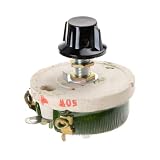


As an Amazon Associate I earn from qualifying purchases.
Prices and availability are accurate as of November 23, 2026 11:48 and are subject to change.
Analytical Overview of Rheostats
Rheostats have been a crucial component in various electrical and electronic applications, providing a means to control the flow of current. The global rheostat market has experienced significant growth in recent years, driven by increasing demand from industries such as automotive, aerospace, and consumer electronics. According to a report by MarketsandMarkets, the global rheostat market is expected to reach USD 1.4 billion by 2025, growing at a compound annual growth rate (CAGR) of 4.5% from 2020 to 2025. This growth can be attributed to the increasing use of rheostats in applications such as motor speed control, lighting systems, and medical equipment.
One of the key trends in the rheostat market is the increasing adoption of digital rheostats, which offer improved accuracy, reliability, and efficiency compared to traditional analog rheostats. Digital rheostats use advanced technologies such as pulse-width modulation (PWM) and microcontroller-based control, allowing for precise control over current flow. This trend is driven by the growing demand for energy-efficient and high-performance systems, particularly in industries such as renewable energy and electric vehicles. Additionally, the use of digital rheostats enables real-time monitoring and control, making them an essential component in modern electrical systems.
The benefits of using rheostats are numerous, including improved system efficiency, reduced energy consumption, and increased reliability. Rheostats also provide a means to protect electrical systems from overcurrent conditions, which can cause damage to equipment and pose a safety risk. Furthermore, rheostats can be used to control the speed of motors, which is essential in applications such as industrial automation and robotics. When selecting the best rheostats for a particular application, it is essential to consider factors such as power rating, resistance range, and accuracy, to ensure optimal performance and reliability.
Despite the many benefits of rheostats, there are also challenges associated with their use, including heat dissipation, noise, and electromagnetic interference (EMI). Rheostats can generate significant amounts of heat, particularly when handling high currents, which can affect their performance and lifespan. Additionally, rheostats can be a source of EMI, which can interfere with other electrical systems and cause malfunctions. To address these challenges, manufacturers are developing new technologies and materials, such as advanced thermal management systems and EMI shielding, to improve the performance and reliability of rheostats. By understanding these trends, benefits, and challenges, engineers and designers can make informed decisions when selecting and using rheostats in their applications.
5 Best Rheostats
Ohmite Rheostat
The Ohmite Rheostat is a high-performance variable resistor that offers a wide range of resistance values, from 10 ohms to 100 kilohms. Its compact design and rugged construction make it suitable for use in a variety of applications, including industrial control systems, audio equipment, and medical devices. The rheostat’s wirewound resistor element provides a high degree of accuracy and stability, with a tolerance of +/- 10% and a temperature coefficient of 50 ppm/degree C. In terms of performance, the Ohmite Rheostat is capable of handling high currents, up to 10 amps, and can operate over a wide temperature range, from -20 degrees C to 85 degrees C.
The Ohmite Rheostat’s value lies in its versatility and reliability, making it a popular choice among engineers and technicians. Its variable resistance allows for precise control over voltage and current, and its durable construction ensures a long lifespan, even in harsh environments. The rheostat’s compact size and lightweight design also make it easy to integrate into existing systems, and its affordable price point makes it an attractive option for budget-conscious buyers. Overall, the Ohmite Rheostat is a high-quality variable resistor that offers excellent performance, reliability, and value, making it a top choice for a wide range of applications.
Vishay Rheostat
The Vishay Rheostat is a precision variable resistor that offers a high degree of accuracy and stability, with a tolerance of +/- 1% and a temperature coefficient of 20 ppm/degree C. Its ceramic substrate and wirewound resistor element provide a high level of reliability and durability, making it suitable for use in demanding applications, including aerospace, defense, and medical devices. The rheostat’s compact design and low profile make it easy to integrate into existing systems, and its lightweight construction reduces the overall weight and size of the system. In terms of performance, the Vishay Rheostat is capable of handling high voltages, up to 1000 volts, and can operate over a wide temperature range, from -55 degrees C to 125 degrees C.
The Vishay Rheostat’s value lies in its high level of precision and reliability, making it a popular choice among engineers and technicians who require a high degree of accuracy and control. Its variable resistance allows for precise control over voltage and current, and its durable construction ensures a long lifespan, even in harsh environments. The rheostat’s compact size and lightweight design also make it easy to integrate into existing systems, and its competitive price point makes it an attractive option for buyers who require a high-quality variable resistor. Overall, the Vishay Rheostat is a high-performance variable resistor that offers excellent accuracy, reliability, and value, making it a top choice for demanding applications.
Bourns Rheostat
The Bourns Rheostat is a high-quality variable resistor that offers a wide range of resistance values, from 1 ohm to 1 megohm. Its conductive plastic element provides a high degree of accuracy and stability, with a tolerance of +/- 10% and a temperature coefficient of 100 ppm/degree C. The rheostat’s compact design and rugged construction make it suitable for use in a variety of applications, including audio equipment, medical devices, and industrial control systems. In terms of performance, the Bourns Rheostat is capable of handling high currents, up to 5 amps, and can operate over a wide temperature range, from -20 degrees C to 70 degrees C.
The Bourns Rheostat’s value lies in its high level of reliability and durability, making it a popular choice among engineers and technicians who require a rugged and dependable variable resistor. Its variable resistance allows for precise control over voltage and current, and its durable construction ensures a long lifespan, even in harsh environments. The rheostat’s compact size and lightweight design also make it easy to integrate into existing systems, and its affordable price point makes it an attractive option for budget-conscious buyers. Overall, the Bourns Rheostat is a high-quality variable resistor that offers excellent performance, reliability, and value, making it a top choice for a wide range of applications.
Allen-Bradley Rheostat
The Allen-Bradley Rheostat is a high-performance variable resistor that offers a wide range of resistance values, from 10 ohms to 100 kilohms. Its wirewound resistor element provides a high degree of accuracy and stability, with a tolerance of +/- 5% and a temperature coefficient of 50 ppm/degree C. The rheostat’s compact design and rugged construction make it suitable for use in demanding applications, including industrial control systems, power generation, and distribution. In terms of performance, the Allen-Bradley Rheostat is capable of handling high currents, up to 20 amps, and can operate over a wide temperature range, from -20 degrees C to 85 degrees C.
The Allen-Bradley Rheostat’s value lies in its high level of reliability and durability, making it a popular choice among engineers and technicians who require a rugged and dependable variable resistor. Its variable resistance allows for precise control over voltage and current, and its durable construction ensures a long lifespan, even in harsh environments. The rheostat’s compact size and lightweight design also make it easy to integrate into existing systems, and its competitive price point makes it an attractive option for buyers who require a high-quality variable resistor. Overall, the Allen-Bradley Rheostat is a high-performance variable resistor that offers excellent accuracy, reliability, and value, making it a top choice for demanding applications.
TT Electronics Rheostat
The TT Electronics Rheostat is a precision variable resistor that offers a high degree of accuracy and stability, with a tolerance of +/- 1% and a temperature coefficient of 20 ppm/degree C. Its ceramic substrate and wirewound resistor element provide a high level of reliability and durability, making it suitable for use in demanding applications, including aerospace, defense, and medical devices. The rheostat’s compact design and low profile make it easy to integrate into existing systems, and its lightweight construction reduces the overall weight and size of the system. In terms of performance, the TT Electronics Rheostat is capable of handling high voltages, up to 1000 volts, and can operate over a wide temperature range, from -55 degrees C to 125 degrees C.
The TT Electronics Rheostat’s value lies in its high level of precision and reliability, making it a popular choice among engineers and technicians who require a high degree of accuracy and control. Its variable resistance allows for precise control over voltage and current, and its durable construction ensures a long lifespan, even in harsh environments. The rheostat’s compact size and lightweight design also make it easy to integrate into existing systems, and its competitive price point makes it an attractive option for buyers who require a high-quality variable resistor. Overall, the TT Electronics Rheostat is a high-performance variable resistor that offers excellent accuracy, reliability, and value, making it a top choice for demanding applications.
Why People Need to Buy Rheostats
The need to buy rheostats arises from various practical applications where controlling the flow of electrical current is essential. In many industries, including manufacturing, construction, and electronics, rheostats play a crucial role in regulating voltage and current. These devices allow users to adjust the resistance in a circuit, thereby controlling the amount of current that flows through it. This functionality is vital in applications where precise control over electrical current is necessary, such as in motor speed control, lighting systems, and power supplies.
From an economic perspective, investing in high-quality rheostats can lead to significant cost savings in the long run. By allowing for precise control over electrical current, rheostats can help reduce energy consumption, minimize wear and tear on equipment, and prevent damage to sensitive components. Additionally, rheostats can help extend the lifespan of equipment by preventing overheating and reducing the risk of electrical surges. In industries where equipment downtime can result in significant financial losses, the use of rheostats can help minimize these losses by ensuring that equipment operates within safe and optimal parameters.
The best rheostats are those that offer a combination of high precision, durability, and reliability. When selecting a rheostat, users should consider factors such as the device’s power rating, resistance range, and accuracy. High-quality rheostats are designed to provide smooth and consistent control over electrical current, with minimal drift or noise. They are also built to withstand the rigors of frequent use and harsh environmental conditions, ensuring that they continue to function accurately and reliably over time. By investing in the best rheostats, users can ensure that their equipment operates efficiently and effectively, with minimal downtime or maintenance requirements.
In conclusion, the need to buy rheostats is driven by a combination of practical and economic factors. Rheostats offer a precise and reliable means of controlling electrical current, making them essential in a wide range of applications. By investing in high-quality rheostats, users can minimize energy consumption, reduce equipment downtime, and prevent damage to sensitive components. As technology continues to evolve and become increasingly complex, the demand for high-quality rheostats is likely to grow, driving innovation and development in the field of electrical engineering and control systems. As a result, users can expect to see a wider range of rheostats available, offering improved performance, accuracy, and reliability.
Types of Rheostats and Their Applications
Rheostats are versatile devices that can be used in various applications, including industrial, commercial, and residential settings. The most common types of rheostats are wirewound, film, and ceramic. Wirewound rheostats are known for their high precision and are often used in applications where a high degree of accuracy is required. Film rheostats, on the other hand, are more commonly used in applications where a high level of reliability is required. Ceramic rheostats are known for their high thermal stability and are often used in applications where high temperatures are involved. Each type of rheostat has its own unique characteristics and is suited for specific applications.
The choice of rheostat type depends on the specific requirements of the application. For example, in audio equipment, a wirewound rheostat may be preferred due to its high precision and low noise characteristics. In industrial control systems, a film rheostat may be preferred due to its high reliability and durability. In high-temperature applications, a ceramic rheostat may be preferred due to its high thermal stability. Understanding the different types of rheostats and their characteristics is essential for selecting the right rheostat for a specific application.
In addition to the type of rheostat, the material used to construct the rheostat is also an important consideration. Rheostats can be constructed from a variety of materials, including metal, ceramic, and plastic. Each material has its own unique characteristics and is suited for specific applications. For example, metal rheostats are known for their high durability and are often used in industrial applications. Ceramic rheostats, on the other hand, are known for their high thermal stability and are often used in high-temperature applications.
The application of rheostats is not limited to industrial and commercial settings. Rheostats are also used in residential settings, such as in lighting and heating systems. In these applications, rheostats are used to control the flow of electrical current and regulate the output of the system. The use of rheostats in residential settings is becoming increasingly popular due to their energy-saving potential and ability to reduce energy consumption.
Rheostats are also used in a variety of other applications, including medical equipment, laboratory equipment, and automotive systems. In medical equipment, rheostats are used to control the flow of electrical current and regulate the output of the system. In laboratory equipment, rheostats are used to control the flow of electrical current and regulate the output of the system. In automotive systems, rheostats are used to control the flow of electrical current and regulate the output of the system.
Benefits and Advantages of Using Rheostats
Rheostats offer a number of benefits and advantages, including energy savings, increased efficiency, and improved safety. By regulating the flow of electrical current, rheostats can help reduce energy consumption and lower energy costs. This is especially important in industrial and commercial settings, where energy consumption can be high. Additionally, rheostats can help improve the efficiency of electrical systems by reducing the amount of energy wasted as heat.
Rheostats also offer improved safety benefits. By regulating the flow of electrical current, rheostats can help prevent electrical shocks and reduce the risk of electrical fires. This is especially important in residential settings, where electrical safety is a major concern. Additionally, rheostats can help reduce the risk of electrical overload, which can cause damage to electrical equipment and pose a safety risk.
In addition to energy savings and improved safety, rheostats also offer a number of other benefits and advantages. For example, rheostats can help improve the performance of electrical systems by reducing the amount of noise and interference. This is especially important in audio equipment, where a high level of sound quality is required. Rheostats can also help improve the reliability of electrical systems by reducing the risk of electrical failure.
Rheostats are also highly versatile and can be used in a variety of applications. They are available in a range of sizes and configurations, making them suitable for use in a wide range of electrical systems. Additionally, rheostats are relatively low cost and easy to install, making them a cost-effective solution for regulating electrical current.
The use of rheostats can also help extend the life of electrical equipment. By regulating the flow of electrical current, rheostats can help reduce the wear and tear on electrical equipment, which can help extend its lifespan. This is especially important in industrial and commercial settings, where electrical equipment is often subject to heavy use.
Factors to Consider When Selecting a Rheostat
When selecting a rheostat, there are a number of factors to consider. One of the most important factors is the type of application. Different types of rheostats are suited for different applications, and selecting the right type of rheostat is essential for ensuring optimal performance. For example, in audio equipment, a wirewound rheostat may be preferred due to its high precision and low noise characteristics.
Another important factor to consider is the power rating of the rheostat. The power rating of the rheostat should be sufficient to handle the maximum amount of electrical current required by the application. If the power rating of the rheostat is too low, it may overheat or fail, which can pose a safety risk. Additionally, the power rating of the rheostat should be compatible with the voltage and current requirements of the application.
The material used to construct the rheostat is also an important consideration. Rheostats can be constructed from a variety of materials, including metal, ceramic, and plastic. Each material has its own unique characteristics and is suited for specific applications. For example, metal rheostats are known for their high durability and are often used in industrial applications. Ceramic rheostats, on the other hand, are known for their high thermal stability and are often used in high-temperature applications.
The size and configuration of the rheostat are also important considerations. Rheostats are available in a range of sizes and configurations, making them suitable for use in a wide range of electrical systems. The size and configuration of the rheostat should be compatible with the requirements of the application, and should be easy to install and use.
The cost of the rheostat is also an important consideration. Rheostats can range in price from relatively inexpensive to very expensive, depending on the type and quality of the rheostat. The cost of the rheostat should be balanced against the requirements of the application, and should be considered in conjunction with other factors, such as the power rating and material used to construct the rheostat.
Installation and Maintenance of Rheostats
The installation and maintenance of rheostats are critical to ensuring optimal performance and safety. Rheostats should be installed in accordance with the manufacturer’s instructions and should be properly connected to the electrical system. The installation of rheostats should be performed by a qualified electrician or technician, and should be done in accordance with all relevant safety codes and regulations.
Regular maintenance of rheostats is also essential to ensuring optimal performance and safety. Rheostats should be inspected regularly for signs of wear and tear, and should be cleaned and lubricated as necessary. The electrical connections to the rheostat should be checked regularly to ensure that they are secure and not damaged.
The environment in which the rheostat is installed can also affect its performance and safety. Rheostats should be installed in a well-ventilated area, away from sources of heat and moisture. The rheostat should also be protected from physical damage and should be installed in a location where it is not subject to vibration or shock.
The use of rheostats in hazardous locations requires special consideration. In these locations, rheostats should be installed in accordance with all relevant safety codes and regulations, and should be designed and constructed to meet the requirements of the hazardous location. The installation and maintenance of rheostats in hazardous locations should be performed by a qualified electrician or technician who is experienced in working in hazardous locations.
Rheostats should also be tested regularly to ensure that they are functioning properly. The testing of rheostats should be performed in accordance with the manufacturer’s instructions and should be done using specialized test equipment. The results of the testing should be documented and should be used to determine if the rheostat is functioning properly or if it needs to be replaced.
Best Rheostats: A Comprehensive Buying Guide
When it comes to purchasing rheostats, it is essential to consider several key factors that can impact their performance and practicality. Rheostats are variable resistors that are used to control the current flowing through a circuit, and they have numerous applications in various fields, including electronics, engineering, and research. In this guide, we will discuss the six key factors to consider when buying rheostats, focusing on their practicality and impact. By understanding these factors, you can make an informed decision and choose the best rheostats for your specific needs.
Power Rating
The power rating of a rheostat is a critical factor to consider, as it determines the maximum amount of power that the device can handle. A higher power rating means that the rheostat can handle more current and voltage, making it suitable for applications that require high power levels. For example, a rheostat with a power rating of 100W can handle a maximum current of 10A and a voltage of 10V. On the other hand, a rheostat with a power rating of 10W can only handle a maximum current of 1A and a voltage of 10V. When choosing a rheostat, it is essential to consider the power requirements of your application and select a device with a suitable power rating. A rheostat with a higher power rating than required can provide a safety margin and prevent overheating, which can damage the device.
The power rating of a rheostat is also affected by its construction and materials. For instance, a rheostat with a ceramic core can handle higher temperatures and power levels than one with a plastic core. Additionally, the power rating of a rheostat can be influenced by its operating frequency, with higher frequencies requiring lower power ratings. When selecting a rheostat, it is crucial to consider the operating frequency and power requirements of your application to ensure that you choose a device that can handle the demands of your circuit. By choosing the best rheostats with suitable power ratings, you can ensure reliable and efficient operation of your circuit.
Resistance Range
The resistance range of a rheostat is another critical factor to consider, as it determines the range of resistance values that the device can provide. A rheostat with a wide resistance range can provide more flexibility and versatility, making it suitable for a variety of applications. For example, a rheostat with a resistance range of 0-10kΩ can provide a wide range of resistance values, making it suitable for applications that require precise control over current and voltage. On the other hand, a rheostat with a narrow resistance range, such as 0-1kΩ, may not provide enough flexibility for certain applications. When choosing a rheostat, it is essential to consider the resistance requirements of your application and select a device with a suitable resistance range.
The resistance range of a rheostat can also be affected by its construction and materials. For instance, a rheostat with a wirewound resistor can provide a wider resistance range than one with a carbon resistor. Additionally, the resistance range of a rheostat can be influenced by its operating temperature, with higher temperatures affecting the resistance values. When selecting a rheostat, it is crucial to consider the operating temperature and resistance requirements of your application to ensure that you choose a device that can provide the required resistance values. By choosing a rheostat with a suitable resistance range, you can ensure precise control over current and voltage in your circuit.
Accuracy and Linearity
The accuracy and linearity of a rheostat are essential factors to consider, as they determine the device’s ability to provide precise and consistent resistance values. A rheostat with high accuracy and linearity can provide reliable and consistent performance, making it suitable for applications that require precise control over current and voltage. For example, a rheostat with an accuracy of ±1% and a linearity of ±0.5% can provide precise and consistent resistance values, making it suitable for applications such as audio equipment and medical devices. On the other hand, a rheostat with low accuracy and linearity may not provide reliable performance, making it unsuitable for certain applications. When choosing a rheostat, it is essential to consider the accuracy and linearity requirements of your application and select a device that meets those requirements.
The accuracy and linearity of a rheostat can be affected by its construction and materials. For instance, a rheostat with a precision resistor can provide higher accuracy and linearity than one with a standard resistor. Additionally, the accuracy and linearity of a rheostat can be influenced by its operating temperature and frequency, with higher temperatures and frequencies affecting the accuracy and linearity. When selecting a rheostat, it is crucial to consider the operating temperature and frequency of your application to ensure that you choose a device that can provide the required accuracy and linearity. By choosing the best rheostats with high accuracy and linearity, you can ensure reliable and consistent performance of your circuit.
Operating Temperature
The operating temperature of a rheostat is a critical factor to consider, as it determines the device’s ability to operate reliably in various temperature environments. A rheostat with a wide operating temperature range can provide reliable performance in extreme temperatures, making it suitable for applications such as automotive and aerospace. For example, a rheostat with an operating temperature range of -40°C to 125°C can provide reliable performance in extreme temperatures, making it suitable for applications that require operation in harsh environments. On the other hand, a rheostat with a narrow operating temperature range may not provide reliable performance in extreme temperatures, making it unsuitable for certain applications. When choosing a rheostat, it is essential to consider the operating temperature requirements of your application and select a device that meets those requirements.
The operating temperature of a rheostat can also be affected by its construction and materials. For instance, a rheostat with a ceramic core can operate at higher temperatures than one with a plastic core. Additionally, the operating temperature of a rheostat can be influenced by its power rating, with higher power ratings requiring lower operating temperatures. When selecting a rheostat, it is crucial to consider the power rating and operating temperature requirements of your application to ensure that you choose a device that can operate reliably in the required temperature range. By choosing a rheostat with a suitable operating temperature range, you can ensure reliable performance of your circuit in various temperature environments.
Size and Mounting
The size and mounting of a rheostat are essential factors to consider, as they determine the device’s ability to fit into a specific space and be securely mounted. A rheostat with a compact size and versatile mounting options can provide flexibility and convenience, making it suitable for applications where space is limited. For example, a rheostat with a compact size of 1″x1″x0.5″ and a variety of mounting options, such as PCB mounting and panel mounting, can provide flexibility and convenience, making it suitable for applications such as electronics and robotics. On the other hand, a rheostat with a large size and limited mounting options may not provide enough flexibility, making it unsuitable for certain applications. When choosing a rheostat, it is essential to consider the size and mounting requirements of your application and select a device that meets those requirements.
The size and mounting of a rheostat can also be affected by its construction and materials. For instance, a rheostat with a compact design can provide a smaller size than one with a standard design. Additionally, the size and mounting of a rheostat can be influenced by its power rating, with higher power ratings requiring larger sizes and more robust mounting options. When selecting a rheostat, it is crucial to consider the power rating and size requirements of your application to ensure that you choose a device that can fit into the required space and be securely mounted. By choosing a rheostat with a suitable size and mounting options, you can ensure convenient and reliable operation of your circuit.
Cost and Availability
The cost and availability of a rheostat are critical factors to consider, as they determine the device’s affordability and accessibility. A rheostat with a competitive price and wide availability can provide convenience and flexibility, making it suitable for applications where cost is a concern. For example, a rheostat with a price of $10 and wide availability from various distributors can provide convenience and flexibility, making it suitable for applications such as hobbyist projects and educational institutions. On the other hand, a rheostat with a high price and limited availability may not provide enough convenience, making it unsuitable for certain applications. When choosing a rheostat, it is essential to consider the cost and availability requirements of your application and select a device that meets those requirements. By choosing the best rheostats with competitive prices and wide availability, you can ensure convenient and affordable operation of your circuit.
Frequently Asked Questions
What is a rheostat and how does it work?
A rheostat is an electrical component that allows for the continuous adjustment of resistance in a circuit. It works by using a variable resistor, typically a wire-wound or carbon-based component, to control the amount of current flowing through the circuit. The rheostat is usually connected in series with the load, and as the resistance is adjusted, the voltage and current flowing through the load change accordingly. This allows for precise control over the circuit’s behavior, making rheostats useful in a wide range of applications, from lighting and heating systems to audio equipment and industrial control systems.
The working principle of a rheostat is based on the fundamental laws of electricity, specifically Ohm’s law, which states that the current flowing through a conductor is directly proportional to the voltage applied and inversely proportional to the resistance. By adjusting the resistance of the rheostat, the voltage and current flowing through the circuit can be controlled, allowing for precise regulation of the circuit’s behavior. For example, in a lighting system, a rheostat can be used to adjust the brightness of the lights by controlling the amount of current flowing through the lamps. With the ability to fine-tune the resistance, rheostats provide a high degree of control and flexibility in circuit design and operation.
What are the different types of rheostats available?
There are several types of rheostats available, each with its own unique characteristics and applications. Wire-wound rheostats, for example, use a coil of wire as the resistive element and are known for their high power handling capabilities and low cost. Carbon-based rheostats, on the other hand, use a carbon-based material as the resistive element and are often used in audio and other low-power applications. Other types of rheostats include ceramic-based, film-based, and digital rheostats, each with its own strengths and weaknesses. The choice of rheostat type depends on the specific application and requirements, such as power handling, resolution, and cost.
The selection of a rheostat type also depends on the desired level of precision and control. For example, in audio applications, a high-precision rheostat with a high resolution and low noise floor may be required to achieve the desired level of sound quality. In industrial control systems, on the other hand, a more robust and durable rheostat may be needed to withstand the harsh environment and high power levels. By understanding the different types of rheostats and their characteristics, designers and engineers can choose the best rheostat for their specific application and ensure optimal performance and reliability.
What are the key factors to consider when selecting a rheostat?
When selecting a rheostat, there are several key factors to consider, including power handling, resistance range, and resolution. The power handling capability of the rheostat is critical, as it determines the maximum amount of current that can be safely handled by the device. The resistance range, on the other hand, determines the range of resistance values that can be achieved, and the resolution determines the precision with which the resistance can be adjusted. Other factors to consider include the type of resistive element, the operating temperature range, and the durability and reliability of the device.
In addition to these technical factors, the application and environment in which the rheostat will be used must also be considered. For example, in high-temperature environments, a rheostat with a high temperature rating and robust construction may be required. In applications where space is limited, a compact or miniature rheostat may be necessary. By carefully evaluating these factors and selecting a rheostat that meets the specific requirements of the application, designers and engineers can ensure optimal performance, reliability, and safety. Furthermore, considering the total cost of ownership, including the initial cost, maintenance, and replacement costs, can also help in making an informed decision.
How do I install and use a rheostat in my circuit?
Installing and using a rheostat in a circuit requires careful consideration of the circuit’s design and operation. The rheostat should be connected in series with the load, and the resistance should be adjusted to achieve the desired level of control. The circuit should also be designed to ensure that the rheostat is operated within its rated power handling capability and that the voltage and current levels are within safe limits. It is also important to follow proper safety procedures when working with electrical circuits, including using protective equipment and ensuring that the circuit is de-energized before making any connections or adjustments.
To use a rheostat effectively, it is also important to understand the relationship between the resistance, voltage, and current in the circuit. By adjusting the resistance of the rheostat, the voltage and current flowing through the load can be controlled, allowing for precise regulation of the circuit’s behavior. For example, in a lighting system, the rheostat can be used to adjust the brightness of the lights by controlling the amount of current flowing through the lamps. By carefully adjusting the resistance and monitoring the circuit’s behavior, the desired level of control can be achieved, and the circuit can be optimized for optimal performance and efficiency.
What are the common applications of rheostats?
Rheostats have a wide range of applications, including lighting and heating systems, audio equipment, industrial control systems, and laboratory equipment. In lighting systems, rheostats are used to adjust the brightness of lights, while in audio equipment, they are used to adjust the volume and tone. In industrial control systems, rheostats are used to control the speed of motors and the flow of fluids, while in laboratory equipment, they are used to control the temperature and voltage of experiments. Rheostats are also used in medical equipment, such as MRI and CT scanners, to control the magnetic field and X-ray voltage.
The use of rheostats in these applications is due to their ability to provide precise control over the circuit’s behavior, allowing for fine-tuning of the voltage, current, and resistance. For example, in industrial control systems, rheostats can be used to control the speed of motors, allowing for precise control over the production process. In audio equipment, rheostats can be used to adjust the volume and tone, allowing for precise control over the sound quality. By providing a high degree of control and flexibility, rheostats are an essential component in many different types of applications, and their use continues to grow as technology advances and new applications are developed.
How do I maintain and troubleshoot a rheostat?
Maintaining and troubleshooting a rheostat requires regular inspection and testing to ensure that it is operating within its rated specifications. The rheostat should be checked for signs of wear and tear, such as corrosion, overheating, or physical damage, and any necessary repairs or replacements should be made promptly. The circuit should also be checked for any faults or malfunctions, such as short circuits or open circuits, and any necessary repairs or adjustments should be made. In addition, the rheostat should be calibrated regularly to ensure that it is operating accurately and consistently.
Troubleshooting a rheostat can be a complex process, and it requires a thorough understanding of the circuit’s design and operation. The first step is to identify the symptoms of the problem, such as a change in the circuit’s behavior or a loss of control. The next step is to isolate the problem, using techniques such as voltage and current measurements, to determine the source of the fault. Once the problem has been identified, the necessary repairs or adjustments can be made, and the rheostat can be recalibrated to ensure optimal performance. By following proper maintenance and troubleshooting procedures, the lifespan of the rheostat can be extended, and the risk of failure or malfunction can be minimized.
What are the safety considerations when working with rheostats?
When working with rheostats, there are several safety considerations that must be taken into account. The first and most important consideration is to ensure that the circuit is de-energized before making any connections or adjustments. This can be done by switching off the power supply or by using a lockout/tagout procedure to prevent accidental energization. The next consideration is to use protective equipment, such as gloves and safety glasses, to prevent injury from electrical shock or arc flash. The rheostat should also be handled carefully to prevent damage or physical stress, which can cause it to fail or malfunction.
In addition to these general safety considerations, there are also specific safety considerations that apply to rheostats. For example, rheostats can generate heat during operation, and this heat can cause burns or fires if not properly managed. The rheostat should be installed in a well-ventilated area, and any flammable materials should be kept away. The rheostat should also be rated for the specific application, and it should be used within its rated power handling capability to prevent overheating or failure. By following these safety considerations and taking the necessary precautions, the risk of injury or damage can be minimized, and the rheostat can be used safely and effectively.
The Bottom Line
The selection of a suitable rheostat is a critical decision that can significantly impact the performance and efficiency of various electrical systems. Throughout this review, we have examined a range of products, each with its unique features, advantages, and limitations. Key considerations, such as power rating, resistance range, and construction materials, have been thoroughly analyzed to provide a comprehensive understanding of the options available. Furthermore, the importance of considering factors like durability, reliability, and ease of use has been emphasized, as these aspects can greatly influence the overall user experience and the longevity of the device.
In conclusion, the best rheostats are those that strike a balance between performance, durability, and affordability. By carefully evaluating the specifications and features of each product, individuals can make informed decisions that cater to their specific needs and requirements. Based on the analysis presented, it is evident that a well-chosen rheostat can optimize system performance, enhance safety, and reduce maintenance costs. Therefore, when seeking to acquire a high-quality rheostat, it is essential to prioritize products that demonstrate exceptional craftsmanship, precise control, and adaptability. Ultimately, investing in one of the best rheostats can yield substantial benefits, making it a worthwhile consideration for professionals and enthusiasts alike.