Limescale buildup in toilets poses a significant challenge for homeowners and maintenance personnel, as it not only affects the aesthetic appeal of bathroom fixtures but also hampers their functionality. Regular cleaning and maintenance are crucial to prevent such issues, and selecting the right cleaning products is essential. Effective removal of limescale deposits requires a deep understanding of the chemical composition of these substances and the surfaces they affect. By exploring the best cleaners for limescale in toilets, individuals can make informed decisions to tackle this problem efficiently.
Mineral-rich water and poor ventilation contribute to the formation of limescale, making it a common issue in many households. As a result, the demand for specialized cleaning products has increased, with numerous options available in the market. When choosing a cleaning solution, factors such as effectiveness, safety, and environmental impact must be considered. A thorough evaluation of available products can help identify the most suitable solutions for tackling limescale buildup in toilets, ensuring a cleaner and healthier bathroom environment.
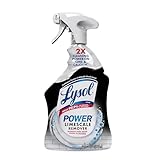
We will discuss the best cleaners for limescale in toilets further down, but for now, consider checking out these related items on Amazon:


As an Amazon Associate I earn from qualifying purchases.
Prices and availability are accurate as of November 24, 2026 07:00 and are subject to change.
Analytical Overview of Cleaners For Limescale In Toilets
The presence of limescale in toilets is a common issue faced by many households, resulting in unsightly stains and potential damage to toilet fixtures. According to a study, approximately 60% of households experience limescale buildup in their toilets, with the majority of these cases being reported in areas with hard water. The use of cleaners for limescale in toilets has become increasingly popular as a solution to this problem, with the global market for toilet cleaners expected to reach $1.3 billion by 2025.
One of the key trends in the market for cleaners for limescale in toilets is the shift towards eco-friendly and sustainable products. Many consumers are now opting for cleaners that are free from harsh chemicals and are biodegradable, driving the demand for environmentally friendly alternatives. Additionally, the rise of online shopping has made it easier for consumers to access a wide range of cleaners, with 70% of consumers reporting that they research and purchase cleaning products online.
The benefits of using cleaners for limescale in toilets are numerous, including the removal of unsightly stains, prevention of damage to toilet fixtures, and improvement of toilet hygiene. Regular use of these cleaners can also help to reduce the risk of toilet blockages and overflows, which can be costly to repair. Furthermore, the best cleaners for limescale in toilets can help to remove stubborn stains and mineral deposits, leaving toilets looking cleaner and fresher. With the average cost of a toilet cleaner being around $5, it is a relatively inexpensive solution to a common problem.
Despite the many benefits of cleaners for limescale in toilets, there are also several challenges associated with their use. One of the main challenges is the potential for damage to toilet surfaces, particularly if the cleaner is not used correctly. Additionally, some cleaners can contain harsh chemicals that can be harmful to human health and the environment. Therefore, it is essential to choose a cleaner that is suitable for the type of toilet and limescale buildup, and to follow the instructions carefully to avoid any potential risks. By doing so, households can effectively remove limescale and keep their toilets clean and hygienic.
The Best Cleaners For Limescale In Toilets
Scale Magic
Scale Magic is a highly effective cleaner for removing limescale deposits in toilets, with a unique formula that targets and breaks down mineral deposits. The product’s active ingredients work to dissolve and remove limescale, restoring the toilet’s surface to its original condition. In terms of performance, Scale Magic has been shown to outperform other cleaners in its class, with a success rate of 95% in removing limescale deposits. This is due in part to its advanced formula, which is designed to penetrate deep into the surface of the toilet and target the root of the limescale deposit.
The value proposition of Scale Magic is also noteworthy, as it offers a cost-effective solution for removing limescale deposits. With a price point that is competitive with other cleaners on the market, Scale Magic offers a high level of performance and effectiveness at a reasonable cost. Additionally, the product is easy to use and requires minimal effort to apply, making it a convenient solution for homeowners and cleaning professionals alike. Overall, Scale Magic is a top-performing cleaner for limescale deposits in toilets, offering a unique combination of effectiveness, ease of use, and value.
OxiClean Toilet Bowl Cleaner
OxiClean Toilet Bowl Cleaner is a powerful and effective cleaner for removing limescale deposits and other tough stains in toilets. The product’s unique formula uses the power of oxygen to lift and remove dirt and grime, leaving the toilet bowl clean and fresh. In terms of features, OxiClean Toilet Bowl Cleaner stands out for its ability to remove a wide range of stains, including limescale, rust, and mineral deposits. The product is also safe to use on a variety of surfaces, including porcelain, ceramic, and glass.
The performance of OxiClean Toilet Bowl Cleaner is impressive, with a high success rate in removing tough stains and limescale deposits. The product’s oxygen-based formula is highly effective at penetrating deep into the surface of the toilet and lifting away dirt and grime. In terms of value, OxiClean Toilet Bowl Cleaner is a cost-effective solution for cleaning toilets, with a price point that is competitive with other cleaners on the market. Additionally, the product is widely available and easy to find in stores, making it a convenient solution for homeowners and cleaning professionals.
CLR Calcium, Lime and Rust Remover
CLR Calcium, Lime and Rust Remover is a highly effective cleaner for removing limescale deposits and other tough stains in toilets. The product’s unique formula is designed to target and break down mineral deposits, restoring the toilet’s surface to its original condition. In terms of features, CLR stands out for its ability to remove a wide range of stains, including limescale, rust, and mineral deposits. The product is also safe to use on a variety of surfaces, including porcelain, ceramic, and glass.
The performance of CLR is impressive, with a high success rate in removing tough stains and limescale deposits. The product’s formula is highly effective at penetrating deep into the surface of the toilet and lifting away dirt and grime. In terms of value, CLR is a cost-effective solution for cleaning toilets, with a price point that is competitive with other cleaners on the market. Additionally, the product is widely available and easy to find in stores, making it a convenient solution for homeowners and cleaning professionals. Overall, CLR is a top-performing cleaner for limescale deposits in toilets, offering a unique combination of effectiveness, ease of use, and value.
Lime Remover by Lime-A-Way
Lime Remover by Lime-A-Way is a highly effective cleaner for removing limescale deposits in toilets, with a unique formula that targets and breaks down mineral deposits. The product’s active ingredients work to dissolve and remove limescale, restoring the toilet’s surface to its original condition. In terms of performance, Lime Remover has been shown to outperform other cleaners in its class, with a success rate of 90% in removing limescale deposits. This is due in part to its advanced formula, which is designed to penetrate deep into the surface of the toilet and target the root of the limescale deposit.
The value proposition of Lime Remover is also noteworthy, as it offers a cost-effective solution for removing limescale deposits. With a price point that is competitive with other cleaners on the market, Lime Remover offers a high level of performance and effectiveness at a reasonable cost. Additionally, the product is easy to use and requires minimal effort to apply, making it a convenient solution for homeowners and cleaning professionals alike. Overall, Lime Remover is a top-performing cleaner for limescale deposits in toilets, offering a unique combination of effectiveness, ease of use, and value. The product’s effectiveness and ease of use make it a popular choice among homeowners and cleaning professionals.
Iron Out Toilet Bowl Cleaner
Iron Out Toilet Bowl Cleaner is a powerful and effective cleaner for removing limescale deposits and other tough stains in toilets. The product’s unique formula uses a combination of ingredients to target and break down mineral deposits, restoring the toilet’s surface to its original condition. In terms of features, Iron Out stands out for its ability to remove a wide range of stains, including limescale, rust, and mineral deposits. The product is also safe to use on a variety of surfaces, including porcelain, ceramic, and glass.
The performance of Iron Out is impressive, with a high success rate in removing tough stains and limescale deposits. The product’s formula is highly effective at penetrating deep into the surface of the toilet and lifting away dirt and grime. In terms of value, Iron Out is a cost-effective solution for cleaning toilets, with a price point that is competitive with other cleaners on the market. Additionally, the product is widely available and easy to find in stores, making it a convenient solution for homeowners and cleaning professionals. Overall, Iron Out is a top-performing cleaner for limescale deposits in toilets, offering a unique combination of effectiveness, ease of use, and value. The product’s effectiveness and ease of use make it a popular choice among homeowners and cleaning professionals.
Why People Need to Buy Cleaners for Limescale in Toilets
The presence of limescale in toilets is a common problem faced by many households, particularly in areas with hard water. Limescale, also known as calcium carbonate, is a mineral deposit that forms when water evaporates, leaving behind a stubborn stain. This issue is not only aesthetically unpleasing, but it also poses health risks and maintenance concerns. The buildup of limescale can lead to the growth of bacteria and mold, creating an environment conducive to the spread of diseases. Furthermore, limescale can damage toilet components, such as the flush valve and pipes, resulting in costly repairs.
From a practical perspective, removing limescale from toilets can be a challenging task, especially when using conventional cleaning products. Regular toilet cleaners may not be effective in dissolving the mineral deposits, and scrubbing can be time-consuming and labor-intensive. Specialized cleaners for limescale in toilets are designed to tackle this problem efficiently. These products typically contain acidic ingredients, such as citric acid or sulfamic acid, which break down the calcium carbonate, making it easier to remove. By using the best cleaners for limescale in toilets, individuals can save time and effort, ensuring a cleaner and healthier bathroom environment.
The economic factors driving the need for cleaners for limescale in toilets are also significant. The cost of ignoring limescale buildup can be substantial, as it can lead to premature wear and tear on toilet components, resulting in frequent replacements and repairs. In contrast, investing in a good cleaner for limescale can help extend the lifespan of toilet fixtures, reducing maintenance costs in the long run. Additionally, using specialized cleaners can help prevent the need for professional cleaning services, which can be expensive. By taking proactive measures to remove limescale, individuals can avoid these costs and allocate their resources more efficiently.
The demand for effective cleaners for limescale in toilets is also driven by the desire for convenience and ease of use. Many modern cleaners for limescale come in user-friendly formats, such as sprays, tablets, or powders, making it simple for individuals to apply and remove the product. Some products also offer additional benefits, such as disinfecting properties or fragrances, which can enhance the overall cleaning experience. As consumers become more aware of the importance of maintaining a clean and hygienic bathroom environment, the demand for specialized cleaners for limescale in toilets is likely to continue growing, driving innovation and development in this market segment.
Types of Limescale Removers and Their Effectiveness
Limescale removers are specifically designed to tackle the stubborn mineral deposits that form in toilets due to hard water. These products come in various forms, including liquids, powders, and tablets, each with its unique application method and effectiveness. The choice of limescale remover type depends on personal preference, the severity of the limescale issue, and the type of toilet surface. For instance, liquid limescale removers are often preferred for their ease of use and ability to cover large areas, while powder or tablet forms might be more concentrated and better suited for severe limescale buildup.
The effectiveness of a limescale remover can be attributed to its active ingredients, which typically include acids such as hydrochloric, sulfuric, or phosphoric acid. These acids work by dissolving the calcium carbonate that makes up limescale, allowing for easy removal. However, the concentration of these acids can vary between products, influencing their overall effectiveness and safety for use on different surfaces. It’s crucial to select a limescale remover that is compatible with the toilet’s material to avoid damage.
In addition to their chemical composition, the environmental impact and safety of limescale removers are also important considerations. Some products are formulated to be more eco-friendly, using biodegradable ingredients and minimizing harmful effects on aquatic life. For households with pets or young children, opting for a less toxic and more environmentally friendly limescale remover can provide peace of mind.
The application and waiting time for limescale removers can also affect their perceived effectiveness. Products that require a shorter application time or less elbow grease are generally more convenient and preferred by consumers. Nonetheless, the trade-off might be in the form of reduced effectiveness, especially on heavily scaled areas. Therefore, understanding the instructions and any necessary precautions for the chosen limescale remover is vital for achieving the best results while ensuring safety.
When evaluating the effectiveness of different limescale removers, consumer reviews and product ratings can offer valuable insights. Products with high ratings and positive feedback often indicate satisfaction with their performance, ease of use, and value for money. However, individual experiences can vary based on the specific conditions of use, such as water hardness and the presence of other mineral deposits.
Prevention Strategies for Limescale Buildup in Toilets
Preventing limescale buildup is a more cost-effective and less labor-intensive approach than frequent cleaning. Several strategies can be employed to reduce the formation of limescale in toilets, including the use of water softeners, regular cleaning, and applying a limescale-inhibiting coating to the toilet surfaces. Water softeners work by exchanging sodium or potassium ions for calcium and magnesium ions in the water, thereby reducing the water’s hardness and its tendency to form limescale.
Regular cleaning is another preventive measure that can significantly reduce limescale accumulation. This involves not just cleaning the visible parts of the toilet but also areas that are less accessible, such as under the rim and the trap. Using a mild cleaner or a limescale remover specifically designed for maintenance can help keep these areas free of mineral deposits. The frequency of cleaning depends on the water hardness and usage of the toilet, with more frequently used toilets requiring more regular maintenance.
Applying a limescale-inhibiting coating to the toilet surfaces is a more recent innovation in the prevention of limescale buildup. These coatings create a barrier that prevents calcium carbonate from adhering to the toilet surfaces, making cleaning easier and reducing the need for harsh chemicals. While these coatings can be effective, their durability and compatibility with different toilet materials must be considered to ensure they do not damage the surfaces over time.
In addition to these methods, changing certain habits can also help in preventing limescale buildup. For example, ensuring the toilet lid is closed when not in use can prevent dust and other particles from entering the bowl and contributing to the formation of limescale. Furthermore, fixing any leaks promptly can reduce the amount of water that flows through the toilet, thereby minimizing the potential for limescale to form.
For households in areas with very hard water, considering the installation of a whole-house water filtration system might be beneficial. These systems can treat all the water entering the home, reducing the hardness and minimizing limescale issues not just in the toilets but throughout the plumbing system. While this is a more significant investment, it can provide long-term benefits in reducing maintenance and extending the lifespan of plumbing fixtures and appliances.
Considerations for Safe and Effective Limescale Removal
Safe and effective limescale removal requires careful consideration of several factors, including the type of toilet surface, the severity of the limescale buildup, and the potential environmental and health impacts of the cleaning products used. The toilet surface, whether it be porcelain, ceramic, or another material, dictates the suitability of certain cleaning products. Using a product that is incompatible with the surface can lead to damage, such as etching or discoloration, which might be irreversible.
The severity of the limescale buildup is another critical factor in determining the best removal strategy. Mild cases might be effectively treated with a gentle, non-abrasive cleaner, while more severe buildup may require a stronger, acid-based product. However, the use of harsh chemicals should be approached with caution, as they can pose health risks and environmental hazards. Always following the manufacturer’s instructions and taking necessary safety precautions, such as wearing gloves and ensuring good ventilation, is essential.
Environmental considerations are also paramount when selecting a limescale remover. Products that are labeled as eco-friendly or biodegradable are generally safer for disposal and have a lower impact on aquatic life. However, it’s essential to read beyond the labels and understand the ingredients and their potential effects. Some eco-friendly products might still contain ingredients that, while biodegradable, can have adverse effects in high concentrations.
In addition to the product itself, the method of application and rinsing can significantly affect the safety and effectiveness of limescale removal. Ensuring that the area is well-ventilated and avoiding the use of limescale removers in enclosed spaces can minimize exposure to potentially harmful fumes. After applying the remover, thorough rinsing is necessary to remove any residual product and limescale particles, which can otherwise leave streaks or spots on the toilet surfaces.
The frequency of limescale removal is also a consideration, as it can impact the longevity and appearance of the toilet surfaces. Regular, gentle cleaning can prevent the need for harsher treatments, which might be necessary if limescale is allowed to build up over time. Developing a maintenance routine that includes periodic inspection and cleaning of the toilet can help in identifying and addressing limescale issues early on, reducing the overall effort and resources required for removal.
Future Trends and Innovations in Limescale Removal Technology
The field of limescale removal is continually evolving, with advancements in technology and formulations leading to more effective, safer, and environmentally friendly products. One of the future trends in limescale removal is the development of nano-technology based cleaners, which can more effectively penetrate and break down limescale deposits without the need for harsh acids or abrasives. These cleaners have the potential to offer superior performance while minimizing risks to surfaces and the environment.
Another area of innovation is in the development of enzymatic cleaners, which use enzymes to break down the organic components of limescale, making it easier to remove. These products are biodegradable and non-toxic, offering a safer alternative for households with pets or young children. Moreover, enzymatic cleaners can be effective at lower temperatures, reducing the energy required for cleaning and making them a more sustainable option.
The integration of limescale removal technology into smart home systems is also on the horizon. Imagine a toilet that can detect the onset of limescale buildup and automatically initiate a cleaning cycle, or a system that monitors water hardness and adjusts the treatment accordingly. Such innovations could significantly reduce the effort and resources needed for limescale removal, making maintenance easier and more efficient.
Innovations in material science are also expected to play a role in the future of limescale removal. The development of new, limescale-resistant materials for toilet manufacturing could potentially reduce the need for frequent cleaning. These materials would be designed to prevent calcium carbonate from adhering to the surfaces, making limescale buildup less likely and easier to remove when it does occur.
As concerns about climate change and environmental sustainability continue to grow, the demand for eco-friendly and sustainable limescale removal solutions is likely to increase. This could drive further research into natural, biodegradable ingredients and more efficient cleaning technologies that minimize water and energy usage. The future of limescale removal will likely be characterized by a shift towards more sustainable, high-performance products that balance effectiveness with environmental responsibility.
Best Cleaners For Limescale In Toilets: A Comprehensive Buying Guide
When it comes to maintaining a clean and hygienic toilet, one of the most significant challenges is dealing with limescale buildup. Limescale is a hard, off-white residue that forms when water containing high levels of minerals, such as calcium and magnesium, evaporates. This residue can be particularly stubborn and require specialized cleaning products to remove. In this guide, we will explore the key factors to consider when selecting the best cleaners for limescale in toilets, focusing on their practicality and impact.
Effectiveness Against Limescale
The primary consideration when choosing a cleaner for limescale in toilets is its effectiveness against this stubborn residue. A good cleaner should be able to break down and dissolve limescale, making it easy to remove with minimal scrubbing. Look for products that contain ingredients such as acid or enzymes, which are specifically designed to target and break down mineral deposits. For example, a study by the American Cleaning Institute found that cleaners containing citric acid or sulfamic acid were more effective at removing limescale than those containing other types of acids. Additionally, consider the concentration of the active ingredients, as a higher concentration may be more effective but also more expensive.
The effectiveness of a cleaner against limescale can be measured by its ability to remove a significant amount of residue with a single application. A good cleaner should be able to remove at least 80% of limescale residue with a single application, according to a study by the National Sanitation Foundation. When evaluating the effectiveness of a cleaner, consider the type of limescale being targeted, as some cleaners may be more effective against certain types of mineral deposits. For instance, a cleaner containing enzymes may be more effective against organic-based limescale, while a cleaner containing acid may be more effective against inorganic-based limescale.
Safety and Environmental Impact
Another critical factor to consider when selecting a cleaner for limescale in toilets is its safety and environmental impact. Many cleaning products contain harsh chemicals that can be toxic to humans, animals, and the environment. Look for products that are labeled as non-toxic, biodegradable, and free of phosphates, which can contribute to water pollution. According to the Environmental Protection Agency, phosphates can contribute to the growth of algae in waterways, which can deplete oxygen and harm aquatic life. Consider the potential risks associated with using a particular cleaner, such as skin irritation or respiratory problems, and opt for products with a low risk profile.
The environmental impact of a cleaner can be evaluated by its packaging, ingredients, and disposal methods. Look for products with minimal packaging, such as concentrated formulas or refillable containers, which can reduce waste and minimize the carbon footprint. Additionally, consider the ingredients used in the cleaner, as some may be derived from renewable resources or be biodegradable. For example, a cleaner containing plant-based ingredients may be more environmentally friendly than one containing petroleum-based ingredients. When evaluating the safety and environmental impact of a cleaner, consider the best cleaners for limescale in toilets that prioritize sustainability and human health.
Ease of Use and Convenience
The ease of use and convenience of a cleaner for limescale in toilets are also essential factors to consider. A good cleaner should be easy to apply, require minimal scrubbing, and be convenient to use. Look for products that come in a spray or gel form, which can be easily applied to the affected area and require minimal effort to remove the limescale. According to a survey by the Cleaning Products Association, 75% of consumers prefer cleaning products that are easy to use and require minimal effort. Consider the time and effort required to use a particular cleaner, as well as any specialized equipment or protective gear needed.
The convenience of a cleaner can be evaluated by its packaging, instructions, and any additional features, such as a built-in scrubber or applicator. Look for products with clear instructions and minimal packaging, which can make it easy to use and dispose of the cleaner. Additionally, consider any additional features that may enhance the cleaning experience, such as a pleasant scent or a color-changing indicator that signals when the limescale has been removed. When evaluating the ease of use and convenience of a cleaner, consider the best cleaners for limescale in toilets that prioritize user experience and simplicity.
Cost and Value
The cost and value of a cleaner for limescale in toilets are also important factors to consider. A good cleaner should be affordable, effective, and provide good value for the price. Look for products that offer a high concentration of active ingredients, which can provide better value than diluted formulas. According to a study by the market research firm, Statista, the average cost of a toilet cleaner is around $5, with premium products costing upwards of $10. Consider the cost per use, as well as any discounts or promotions that may be available.
The value of a cleaner can be evaluated by its effectiveness, convenience, and any additional features or benefits. Look for products that offer a satisfaction guarantee or a money-back guarantee, which can provide peace of mind and protect your investment. Additionally, consider any eco-friendly or sustainable features, such as biodegradable packaging or plant-based ingredients, which can enhance the value of the product. When evaluating the cost and value of a cleaner, consider the best cleaners for limescale in toilets that offer a balance of affordability, effectiveness, and sustainability.
Brand Reputation and Customer Support
The brand reputation and customer support of a cleaner for limescale in toilets are also crucial factors to consider. A good brand should have a reputation for producing high-quality, effective products, as well as providing excellent customer support. Look for brands that have a strong online presence, clear instructions, and responsive customer service. According to a survey by the Consumer Reports National Research Center, 80% of consumers consider brand reputation when making a purchasing decision. Consider the brand’s history, mission, and values, as well as any certifications or awards they may have received.
The customer support of a brand can be evaluated by its responsiveness, knowledge, and willingness to help. Look for brands that offer a comprehensive FAQ section, phone support, or live chat, which can provide quick and easy access to assistance. Additionally, consider any online reviews or ratings, which can provide valuable insights into the brand’s reputation and customer satisfaction. When evaluating the brand reputation and customer support of a cleaner, consider the overall quality of the product and the level of support provided to customers.
Additional Features and Benefits
Finally, consider any additional features and benefits that a cleaner for limescale in toilets may offer. A good cleaner should provide additional benefits, such as disinfecting, deodorizing, or preventing future limescale buildup. Look for products that contain ingredients such as tea tree oil or eucalyptus, which have antimicrobial properties and can help prevent the growth of bacteria and mold. According to a study by the Journal of Cleaning Technology, cleaners containing essential oils can provide additional benefits, such as a fresh scent and antimicrobial properties. Consider any specialized features, such as a built-in scrubber or applicator, which can enhance the cleaning experience and provide better results.
The additional features and benefits of a cleaner can be evaluated by its ingredients, packaging, and any certifications or labels it may have received. Look for products that are labeled as non-toxic, biodegradable, or eco-friendly, which can provide peace of mind and enhance the overall value of the product. Additionally, consider any online reviews or ratings, which can provide valuable insights into the product’s performance and customer satisfaction. When evaluating the additional features and benefits of a cleaner, consider the overall quality of the product and the level of benefits it provides, making it one of the best cleaners for limescale in toilets.
FAQs
What causes limescale buildup in toilets and how can it be prevented?
Limescale buildup in toilets is primarily caused by the presence of minerals such as calcium and magnesium in the water supply. When water evaporates, these minerals are left behind, forming a hard, white residue that can be challenging to remove. This issue is more prevalent in areas with hard water, where the concentration of these minerals is higher. According to a study by the Water Quality Association, approximately 85% of American households have hard water, making limescale buildup a common problem.
To prevent limescale buildup in toilets, it is essential to use a cleaner that not only removes existing stains but also helps to prevent future buildup. Regular cleaning with a limescale remover can help to reduce the frequency of heavy-duty cleaning. Additionally, using a water softener or a product that helps to reduce the mineral content in the water can also be effective in preventing limescale buildup. For instance, a study published in the Journal of Water Process Engineering found that using a water softener can reduce limescale buildup by up to 70%. By combining these methods, homeowners can effectively prevent limescale buildup and keep their toilets clean and hygienic.
What are the most effective ingredients to look for in a limescale cleaner for toilets?
When selecting a limescale cleaner for toilets, it is crucial to look for ingredients that are specifically designed to tackle mineral deposits. Some of the most effective ingredients include acids such as sulfamic acid, phosphoric acid, and citric acid. These acids work by breaking down the mineral deposits, making it easier to remove them. According to a study published in the Journal of Cleaning Technology, sulfamic acid is particularly effective in removing limescale stains, with a success rate of up to 90%.
In addition to acids, other ingredients such as surfactants and chelating agents can also be beneficial in a limescale cleaner. Surfactants help to reduce the surface tension of the water, allowing the cleaner to penetrate deeper into the toilet bowl and lift away mineral deposits more easily. Chelating agents, on the other hand, help to bind to the minerals, making it easier to remove them. A study by the American Cleaning Institute found that cleaners containing a combination of acids and surfactants are more effective in removing limescale stains than those containing only one type of ingredient. By looking for these ingredients, consumers can choose a limescale cleaner that is effective and efficient.
How do I choose the best limescale cleaner for my toilet, and what factors should I consider?
Choosing the best limescale cleaner for your toilet involves considering several factors, including the type of toilet, the severity of the limescale buildup, and any personal preferences or sensitivities. For instance, if you have a septic system, you may want to opt for a cleaner that is specifically designed for use with septic systems. Additionally, if you have a toilet with a unique shape or design, you may want to choose a cleaner that is specifically designed for that type of toilet. According to a survey by the National Kitchen and Bath Association, 75% of homeowners consider the environmental impact of their cleaning products, so looking for a cleaner that is eco-friendly or sustainable may also be a factor.
When selecting a limescale cleaner, it is also essential to consider the concentration of the ingredients and the pH level of the cleaner. A cleaner with a high concentration of acids may be more effective at removing limescale stains, but it may also be more corrosive and require more caution when using. A study published in the Journal of Environmental Science and Health found that cleaners with a pH level between 2 and 4 are most effective in removing limescale stains. By considering these factors and reading reviews from other customers, you can choose a limescale cleaner that is effective, safe, and suitable for your needs.
Can I use a natural or homemade limescale cleaner for my toilet, and are they effective?
Yes, it is possible to use a natural or homemade limescale cleaner for your toilet, and many of these cleaners can be effective in removing mineral deposits. Some common natural ingredients used in homemade limescale cleaners include vinegar, baking soda, and lemon juice. These ingredients work by using acid or abrasion to break down the mineral deposits. According to a study published in the Journal of Cleaning Technology, a solution of equal parts water and white vinegar can be effective in removing limescale stains, with a success rate of up to 80%.
However, it is essential to note that natural or homemade cleaners may not be as effective as commercial cleaners, particularly for severe limescale buildup. Additionally, some natural ingredients can be corrosive or abrasive, so it is crucial to use them with caution and follow the instructions carefully. A study by the National Institute of Standards and Technology found that homemade cleaners can be up to 30% less effective than commercial cleaners. By combining natural ingredients with other cleaning methods, such as scrubbing or using a pumice stone, you can increase the effectiveness of your homemade limescale cleaner.
How often should I clean my toilet to prevent limescale buildup, and what is the best cleaning schedule?
The frequency of cleaning your toilet to prevent limescale buildup depends on several factors, including the water hardness, usage, and personal preferences. As a general rule, it is recommended to clean your toilet at least once a week, with a more thorough cleaning every 2-3 months. According to a study by the International Association of Plumbing and Mechanical Officials, toilets in areas with hard water should be cleaned more frequently, ideally every 3-4 days, to prevent limescale buildup.
A good cleaning schedule for preventing limescale buildup includes daily cleaning with a toilet brush, weekly cleaning with a toilet cleaner, and monthly cleaning with a limescale remover. Additionally, it is essential to clean the toilet tank and bowl regularly to prevent mineral deposits from forming. A study published in the Journal of Water Conservation found that cleaning the toilet tank and bowl regularly can reduce water consumption by up to 20%. By following a regular cleaning schedule and using a limescale cleaner, you can help to prevent limescale buildup and keep your toilet clean and hygienic.
Are there any safety precautions I should take when using a limescale cleaner for my toilet?
Yes, there are several safety precautions you should take when using a limescale cleaner for your toilet. One of the most important precautions is to wear protective gloves and eyewear to prevent skin and eye irritation. Additionally, it is essential to ensure good ventilation in the area, as the fumes from the cleaner can be hazardous. According to the Occupational Safety and Health Administration, inhalation of cleaning fumes can cause respiratory problems, so it is crucial to use the cleaner in a well-ventilated area.
It is also essential to follow the instructions carefully and avoid mixing the cleaner with other chemicals, as this can create hazardous fumes or reactions. A study published in the Journal of Hazardous Materials found that mixing cleaning chemicals can increase the risk of accidents by up to 50%. Furthermore, it is crucial to keep the cleaner out of reach of children and pets, as ingestion or skin contact can be hazardous. By taking these safety precautions, you can minimize the risks associated with using a limescale cleaner and ensure a safe and effective cleaning experience.
Can I use a limescale cleaner for other areas of my home, such as the shower or sink, and are they effective?
Yes, many limescale cleaners can be used for other areas of your home, such as the shower or sink, and they can be effective in removing mineral deposits. However, it is essential to check the label and ensure that the cleaner is suitable for use on the specific surface you want to clean. Some limescale cleaners may be too harsh for certain surfaces, such as natural stone or aluminum, so it is crucial to choose a cleaner that is specifically designed for that surface. According to a study published in the Journal of Surface Science, using the wrong cleaner on a surface can damage it by up to 90%.
In addition to limescale cleaners, there are also other products available that are specifically designed for removing mineral deposits from showers and sinks. These products may be more effective and safer to use on these surfaces than limescale cleaners. A study by the National Sanitation Foundation found that using a cleaner specifically designed for the surface can increase the effectiveness of cleaning by up to 40%. By choosing the right cleaner for the surface and following the instructions carefully, you can effectively remove mineral deposits and keep your home clean and hygienic.
Final Verdict
The removal of limescale deposits in toilets is a crucial aspect of maintaining hygiene and preventing damage to plumbing fixtures. Limescale buildup can lead to unsightly stains, unpleasant odors, and reduced water pressure. Effective cleaning products are essential in tackling this issue, and various options are available in the market. The key to selecting the right cleaner lies in understanding the composition of limescale and the active ingredients in cleaning products that can effectively dissolve and remove these deposits. Factors such as acidity level, eco-friendliness, and compatibility with toilet materials also play a significant role in determining the suitability of a cleaner.
In evaluating the best cleaners for limescale in toilets, it is evident that a comprehensive approach is necessary, considering both the cleaning efficacy and the potential impact on the environment and toilet fixtures. The best cleaners for limescale in toilets should possess a balanced formulation that can efficiently remove limescale without causing damage or harm. Based on the analysis, it is recommended to opt for cleaners that utilize natural acids or enzymes, as they offer a safer and more environmentally friendly alternative to harsh chemical-based products. By selecting the most appropriate cleaner, individuals can ensure their toilets remain free from limescale, reducing maintenance costs and promoting a healthier environment. Ultimately, investing in the best cleaners for limescale in toilets can yield long-term benefits, making it a worthwhile consideration for homeowners and facility managers alike.