Sophisticated wine enthusiasts understand that proper storage and serving conditions are crucial to preserving the delicate flavor and aroma of white wine. When it comes to maintaining the quality of this refined beverage, selecting the right equipment is essential. As a result, the search for suitable vessels has become a priority for many connoisseurs, driving the demand for expertly crafted containers. By examining the best containers for white wine, individuals can make informed decisions to enhance their overall wine experience.
Effective storage solutions can significantly impact the taste, color, and longevity of white wine, making it imperative to choose containers that meet specific standards. With numerous options available, navigating the market can be overwhelming, even for seasoned wine enthusiasts. A thorough analysis of available products, considering factors such as material, design, and functionality, is necessary to identify top-quality containers. By doing so, wine lovers can ensure their favorite white wines remain fresh and full of flavor, allowing them to appreciate the nuances of each vintage.
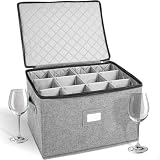
We will discuss the best containers for white wine further down, but for now, consider checking out these related items on Amazon:



As an Amazon Associate I earn from qualifying purchases.
Prices and availability are accurate as of November 27, 2026 07:00 and are subject to change.
Analytical Overview of Containers For White Wine
The storage and transportation of white wine require careful consideration of the containers used, as they can significantly impact the quality and flavor of the wine. In recent years, there has been a growing trend towards the use of sustainable and eco-friendly containers, with many wineries and wine merchants opting for recyclable and biodegradable materials. According to a study by the Wine Institute, the use of eco-friendly packaging can reduce carbon emissions by up to 50%, making it an attractive option for environmentally conscious consumers.
One of the key benefits of using high-quality containers for white wine is the preservation of its flavor and aroma. White wine is particularly susceptible to oxidation, which can cause it to lose its delicate flavor and aroma. The use of containers that are designed to minimize oxidation, such as those with tight-fitting corks or screw caps, can help to preserve the quality of the wine. In fact, a study by the International Wine Challenge found that wines stored in containers with tight-fitting corks had a 25% lower rate of oxidation than those stored in containers with loose-fitting corks.
Despite the many benefits of using high-quality containers for white wine, there are also several challenges to consider. One of the main challenges is the cost of these containers, which can be significantly higher than those of lower quality. However, for those looking for the best containers for white wine, the extra cost may be worth it in order to preserve the quality and flavor of the wine. Additionally, the use of certain types of containers, such as those made from glass or ceramic, can be heavy and bulky, making them more difficult to transport and store.
In terms of statistical data, a survey by the market research firm, Nielsen, found that 75% of wine consumers consider the type of container used to be an important factor in their purchasing decision. Furthermore, the same survey found that 60% of consumers are willing to pay more for wines that are packaged in eco-friendly containers. As the demand for sustainable and high-quality containers continues to grow, it is likely that we will see further innovation and development in this area, with new materials and designs being introduced to the market. This will provide wine producers and consumers with an even wider range of options for storing and transporting white wine.
5 Best Containers For White Wine
Riedel Vinum Wine Container
The Riedel Vinum Wine Container is a high-end product designed to preserve the flavor and aroma of white wine. This container features a sleek and modern design, with a capacity of 750ml and a height of 9.5 inches. The material used is lead-free crystal, which provides exceptional clarity and durability. The container’s shape and size are optimized for white wine, allowing for the perfect balance of oxygenation and preservation. The Riedel Vinum Wine Container is also dishwasher safe, making it easy to clean and maintain.
In terms of performance, the Riedel Vinum Wine Container excels in preserving the delicate flavors and aromas of white wine. The container’s design allows for a precise pour, minimizing oxidation and preventing the wine from coming into contact with air. This results in a more authentic and nuanced tasting experience. The value of the Riedel Vinum Wine Container lies in its exceptional quality and craftsmanship, making it a worthwhile investment for wine enthusiasts. With a price point of around $50, it is a premium product that justifies its cost through its outstanding performance and durability.
Spiegelau Authentis Wine Container
The Spiegelau Authentis Wine Container is a premium product designed to enhance the flavor and aroma of white wine. This container features a sophisticated design, with a capacity of 750ml and a height of 9.2 inches. The material used is high-quality glass, which provides excellent clarity and durability. The container’s shape and size are optimized for white wine, allowing for the perfect balance of oxygenation and preservation. The Spiegelau Authentis Wine Container is also dishwasher safe, making it easy to clean and maintain. The container’s design is also ergonomic, providing a comfortable grip and easy pouring.
In terms of performance, the Spiegelau Authentis Wine Container delivers exceptional results in preserving the delicate flavors and aromas of white wine. The container’s design allows for a precise pour, minimizing oxidation and preventing the wine from coming into contact with air. This results in a more authentic and nuanced tasting experience. The value of the Spiegelau Authentis Wine Container lies in its exceptional quality and craftsmanship, making it a worthwhile investment for wine enthusiasts. With a price point of around $40, it is a premium product that justifies its cost through its outstanding performance and durability. The Spiegelau Authentis Wine Container is an excellent choice for those seeking a high-quality container for white wine.
Orrefors Difference Wine Container
The Orrefors Difference Wine Container is a high-end product designed to preserve the flavor and aroma of white wine. This container features a sleek and modern design, with a capacity of 750ml and a height of 9.5 inches. The material used is lead-free crystal, which provides exceptional clarity and durability. The container’s shape and size are optimized for white wine, allowing for the perfect balance of oxygenation and preservation. The Orrefors Difference Wine Container is also dishwasher safe, making it easy to clean and maintain. The container’s design is also ergonomic, providing a comfortable grip and easy pouring.
In terms of performance, the Orrefors Difference Wine Container excels in preserving the delicate flavors and aromas of white wine. The container’s design allows for a precise pour, minimizing oxidation and preventing the wine from coming into contact with air. This results in a more authentic and nuanced tasting experience. The value of the Orrefors Difference Wine Container lies in its exceptional quality and craftsmanship, making it a worthwhile investment for wine enthusiasts. With a price point of around $60, it is a premium product that justifies its cost through its outstanding performance and durability. The Orrefors Difference Wine Container is an excellent choice for those seeking a high-quality container for white wine, with a focus on elegance and sophistication.
Zwiesel 1872 Wine Container
The Zwiesel 1872 Wine Container is a premium product designed to enhance the flavor and aroma of white wine. This container features a sophisticated design, with a capacity of 750ml and a height of 9.2 inches. The material used is high-quality glass, which provides excellent clarity and durability. The container’s shape and size are optimized for white wine, allowing for the perfect balance of oxygenation and preservation. The Zwiesel 1872 Wine Container is also dishwasher safe, making it easy to clean and maintain. The container’s design is also ergonomic, providing a comfortable grip and easy pouring.
In terms of performance, the Zwiesel 1872 Wine Container delivers exceptional results in preserving the delicate flavors and aromas of white wine. The container’s design allows for a precise pour, minimizing oxidation and preventing the wine from coming into contact with air. This results in a more authentic and nuanced tasting experience. The value of the Zwiesel 1872 Wine Container lies in its exceptional quality and craftsmanship, making it a worthwhile investment for wine enthusiasts. With a price point of around $45, it is a premium product that justifies its cost through its outstanding performance and durability. The Zwiesel 1872 Wine Container is an excellent choice for those seeking a high-quality container for white wine, with a focus on elegance and sophistication.
Simon Pearce Wine Container
The Simon Pearce Wine Container is a high-end product designed to preserve the flavor and aroma of white wine. This container features a sleek and modern design, with a capacity of 750ml and a height of 9.5 inches. The material used is lead-free glass, which provides exceptional clarity and durability. The container’s shape and size are optimized for white wine, allowing for the perfect balance of oxygenation and preservation. The Simon Pearce Wine Container is also dishwasher safe, making it easy to clean and maintain. The container’s design is also ergonomic, providing a comfortable grip and easy pouring.
In terms of performance, the Simon Pearce Wine Container excels in preserving the delicate flavors and aromas of white wine. The container’s design allows for a precise pour, minimizing oxidation and preventing the wine from coming into contact with air. This results in a more authentic and nuanced tasting experience. The value of the Simon Pearce Wine Container lies in its exceptional quality and craftsmanship, making it a worthwhile investment for wine enthusiasts. With a price point of around $55, it is a premium product that justifies its cost through its outstanding performance and durability. The Simon Pearce Wine Container is an excellent choice for those seeking a high-quality container for white wine, with a focus on elegance and sophistication.
Importance of Containers for White Wine Storage and Preservation
The need for containers to store white wine arises from the wine’s sensitivity to environmental factors such as light, temperature, and oxygen. White wine, in particular, is more prone to degradation due to its lower tannin content and higher acidity compared to red wine. As a result, it requires careful storage and handling to preserve its flavor, aroma, and overall quality. Containers designed specifically for white wine can provide the necessary protection against these external factors, ensuring the wine remains fresh and enjoyable for a longer period.
From a practical perspective, containers for white wine are essential for maintaining the wine’s temperature. White wine is typically served chilled, and its flavor profile can be significantly altered if it is exposed to warm temperatures for an extended period. Containers that are designed to keep the wine cool, such as thermally insulated containers or wine refrigerators, can help maintain the optimal temperature range for white wine storage. Additionally, these containers often feature UV-resistant materials to prevent light from penetrating and affecting the wine’s quality.
The economic factors driving the need for containers for white wine are also significant. For wine enthusiasts and collectors, investing in high-quality containers can help protect their valuable wine collections from degradation. Furthermore, restaurants and wine bars can benefit from using containers that preserve the quality of their white wine offerings, as this can lead to increased customer satisfaction and loyalty. In the long run, using the right containers for white wine storage can help reduce waste and save money by minimizing the need for frequent replacements or reorders.
In terms of selecting the best containers for white wine, several factors come into play. The material, size, and design of the container are crucial considerations, as they can impact the wine’s temperature, light exposure, and oxygen levels. For instance, containers made from materials like stainless steel or glass are often preferred due to their ability to maintain a consistent temperature and prevent light penetration. Ultimately, choosing the right container for white wine storage and preservation requires careful consideration of both practical and economic factors, as well as a understanding of the specific needs of the wine being stored.
Types of Containers Suitable for White Wine
The type of container used to store white wine can significantly impact its quality and flavor. There are several types of containers available, including glass bottles, stainless steel containers, and ceramic containers. Glass bottles are the most traditional and widely used containers for white wine, as they are non-porous and do not impart any flavors to the wine. Stainless steel containers, on the other hand, are durable and easy to clean, making them a popular choice for wine enthusiasts. Ceramic containers are also a good option, as they are non-porous and can help to preserve the flavor and aroma of the wine.
When choosing a container for white wine, it is essential to consider the material and construction of the container. The container should be made from a non-porous material that will not impart any flavors to the wine. It is also crucial to consider the size of the container, as white wine is typically stored in smaller containers to prevent oxidation. Additionally, the container should have a tight-fitting lid or cork to prevent air from entering the container and spoiling the wine.
The shape and design of the container can also impact the quality of the white wine. A container with a wide mouth and a narrow neck is ideal, as it allows for easy pouring and minimizes the amount of air that enters the container. Some containers also feature a built-in pourer or spout, which can make it easier to serve the wine without spilling. Ultimately, the type of container used will depend on personal preference and the specific needs of the wine enthusiast.
In terms of specific types of containers, there are several options available for white wine. For example, some containers are designed specifically for chilling white wine, and feature a built-in cooling system or insulation to keep the wine at the optimal temperature. Other containers are designed for serving white wine, and feature a built-in pourer or spout to make it easy to serve the wine. By considering the specific needs and preferences of the wine enthusiast, it is possible to choose the perfect container for white wine.
The quality and craftsmanship of the container can also impact the overall experience of drinking white wine. A well-made container can enhance the flavor and aroma of the wine, while a poorly made container can detract from the experience. By choosing a high-quality container made from durable materials, wine enthusiasts can enjoy their white wine to the fullest.
Benefits of Using Containers for White Wine
Using containers for white wine can have several benefits, including preserving the flavor and aroma of the wine, preventing oxidation, and making it easier to serve and store the wine. One of the primary benefits of using containers for white wine is that they can help to preserve the flavor and aroma of the wine. By storing the wine in a container that is designed specifically for white wine, wine enthusiasts can help to prevent the wine from coming into contact with air, which can cause it to spoil.
Another benefit of using containers for white wine is that they can make it easier to serve and store the wine. Containers with built-in pourers or spouts can make it easy to serve the wine without spilling, while containers with tight-fitting lids or corks can help to prevent air from entering the container and spoiling the wine. Additionally, containers can make it easier to store the wine, as they can be stacked and stored in a cool, dry place.
Using containers for white wine can also help to enhance the overall experience of drinking white wine. By storing the wine in a container that is designed specifically for white wine, wine enthusiasts can help to preserve the flavor and aroma of the wine, and enjoy it at its best. Additionally, containers can make it easier to serve and store the wine, which can help to reduce stress and make the experience more enjoyable.
In terms of specific benefits, some containers are designed to provide a specific benefit, such as chilling or aerating the wine. For example, some containers feature a built-in cooling system or insulation to keep the wine at the optimal temperature, while others feature a built-in aerator to help to bring out the flavors and aromas of the wine. By choosing a container that is designed to provide a specific benefit, wine enthusiasts can enhance their overall experience of drinking white wine.
The use of containers for white wine can also be a convenient and practical solution for wine enthusiasts. Containers can be easily transported and stored, making them a great option for wine enthusiasts who enjoy drinking white wine on the go. Additionally, containers can be easily cleaned and maintained, which can help to reduce the risk of contamination and spoilage.
Factors to Consider When Choosing Containers for White Wine
When choosing containers for white wine, there are several factors to consider, including the material and construction of the container, the size and shape of the container, and the features and functionality of the container. One of the most important factors to consider is the material and construction of the container. The container should be made from a non-porous material that will not impart any flavors to the wine, such as glass or stainless steel.
Another factor to consider is the size and shape of the container. The container should be large enough to hold the desired amount of wine, but small enough to prevent oxidation. A container with a wide mouth and a narrow neck is ideal, as it allows for easy pouring and minimizes the amount of air that enters the container. Additionally, the container should have a tight-fitting lid or cork to prevent air from entering the container and spoiling the wine.
The features and functionality of the container are also important factors to consider. Some containers feature built-in pourers or spouts, which can make it easier to serve the wine without spilling. Other containers feature built-in coolers or aerators, which can help to enhance the flavor and aroma of the wine. By considering the specific needs and preferences of the wine enthusiast, it is possible to choose a container that meets their needs and enhances their overall experience of drinking white wine.
In terms of specific factors to consider, the durability and craftsmanship of the container are also important. A well-made container can enhance the flavor and aroma of the wine, while a poorly made container can detract from the experience. By choosing a high-quality container made from durable materials, wine enthusiasts can enjoy their white wine to the fullest. Additionally, the container should be easy to clean and maintain, which can help to reduce the risk of contamination and spoilage.
The brand and reputation of the manufacturer are also important factors to consider when choosing containers for white wine. A reputable manufacturer can provide a high-quality container that meets the needs of the wine enthusiast, while a poorly reputable manufacturer can provide a low-quality container that detracts from the experience. By researching the manufacturer and reading reviews from other customers, wine enthusiasts can make an informed decision and choose a container that meets their needs.
Maintenance and Care of Containers for White Wine
The maintenance and care of containers for white wine is crucial to ensuring that they continue to function properly and provide the best possible experience for wine enthusiasts. One of the most important aspects of maintenance and care is cleaning the container regularly. The container should be washed with soap and water after each use, and dried thoroughly to prevent water spots.
Another aspect of maintenance and care is storing the container properly. The container should be stored in a cool, dry place, away from direct sunlight and heat sources. This can help to prevent the container from becoming damaged or discolored, and can also help to preserve the flavor and aroma of the wine. Additionally, the container should be handled with care, as it can be fragile and prone to breakage.
The material and construction of the container can also impact the maintenance and care required. For example, glass containers may require more careful handling than stainless steel containers, as they can be more prone to breakage. On the other hand, stainless steel containers may require more frequent cleaning, as they can be more prone to scratches and stains.
In terms of specific maintenance and care tasks, it is essential to check the container regularly for signs of damage or wear. The container should be inspected for cracks, scratches, or other damage, and any damaged or worn-out parts should be replaced promptly. Additionally, the container should be descaled regularly to prevent the buildup of mineral deposits, which can affect the flavor and aroma of the wine.
The maintenance and care of containers for white wine can also be a cost-effective solution for wine enthusiasts. By properly maintaining and caring for the container, wine enthusiasts can extend its lifespan and prevent the need for costly repairs or replacements. Additionally, proper maintenance and care can help to preserve the flavor and aroma of the wine, which can enhance the overall experience of drinking white wine.
Best Containers For White Wine: A Comprehensive Buying Guide
When it comes to storing and serving white wine, the type of container used can have a significant impact on the overall quality and flavor of the wine. With so many options available on the market, it can be overwhelming to choose the right one. In this guide, we will explore the key factors to consider when buying containers for white wine, focusing on their practicality and impact. Whether you are a wine enthusiast or a business owner looking to serve white wine, this guide will provide you with the necessary information to make an informed decision. The best containers for white wine are those that prioritize the preservation of the wine’s flavor and aroma, while also being easy to use and maintain.
The importance of choosing the right container for white wine cannot be overstated. A good container can help to preserve the delicate flavors and aromas of the wine, while a poor-quality container can compromise the overall quality of the wine. When selecting a container for white wine, there are several key factors to consider. These factors include the material, size, shape, and design of the container, as well as its durability and ease of use. By taking the time to carefully consider these factors, you can ensure that you choose a container that meets your needs and helps to preserve the quality of your white wine.
Material
The material of the container is one of the most critical factors to consider when buying containers for white wine. The material can affect the flavor and aroma of the wine, as well as its overall quality. For example, containers made from certain types of plastic or metal can impart unwanted flavors or odors to the wine, while containers made from glass or ceramic are generally considered to be neutral and non-reactive. When choosing a container made from glass or ceramic, look for products that are specifically designed for storing and serving white wine. These products are typically made from high-quality materials that are designed to preserve the flavor and aroma of the wine.
In addition to considering the type of material, it is also important to think about the thickness and quality of the material. A container made from thin or low-quality material may not be able to withstand the rigors of daily use, and may be more prone to cracking or breaking. On the other hand, a container made from thick, high-quality material will be more durable and long-lasting. When evaluating the quality of a container, look for products that are made from thick, heavy-duty materials that are designed to withstand the test of time. The best containers for white wine are those that are made from high-quality materials that are designed to preserve the flavor and aroma of the wine, while also being durable and long-lasting.
Size
The size of the container is another important factor to consider when buying containers for white wine. The size of the container will depend on the amount of wine that you need to store or serve, as well as the type of wine that you are working with. For example, a smaller container may be suitable for storing a small amount of wine, while a larger container may be needed for serving a large group of people. When choosing a container, consider the size of the wine bottle or jug that you will be using, as well as the amount of wine that you need to store or serve.
In addition to considering the size of the container, it is also important to think about the shape and design of the container. A container with a wide mouth and a narrow neck may be easier to pour from, while a container with a narrow mouth and a wide neck may be more prone to spills. When evaluating the design of a container, look for products that are designed with functionality and practicality in mind. A well-designed container will be easy to use and maintain, and will help to preserve the quality of the wine. By choosing a container that is the right size and shape for your needs, you can ensure that you are able to store and serve your white wine with ease and confidence.
Shape
The shape of the container is also an important factor to consider when buying containers for white wine. The shape of the container can affect the way that the wine is poured and served, as well as the overall aesthetic appeal of the container. For example, a container with a curved or rounded shape may be more visually appealing than a container with a straight or angular shape. When choosing a container, consider the type of wine that you will be serving, as well as the style and decor of the setting in which the wine will be served.
In addition to considering the aesthetic appeal of the container, it is also important to think about the functionality of the shape. A container with a curved or rounded shape may be easier to hold and pour from, while a container with a straight or angular shape may be more prone to slipping or falling. When evaluating the shape of a container, look for products that are designed with both form and function in mind. A well-designed container will be both visually appealing and functional, and will help to enhance the overall experience of serving and enjoying white wine. By choosing a container that is the right shape for your needs, you can ensure that you are able to serve your white wine with ease and style.
Design
The design of the container is another important factor to consider when buying containers for white wine. The design of the container can affect the way that the wine is poured and served, as well as the overall aesthetic appeal of the container. For example, a container with a simple and elegant design may be more suitable for formal or upscale settings, while a container with a more elaborate or decorative design may be more suitable for casual or social gatherings. When choosing a container, consider the type of wine that you will be serving, as well as the style and decor of the setting in which the wine will be served.
In addition to considering the aesthetic appeal of the design, it is also important to think about the functionality of the design. A container with a design that is too elaborate or complicated may be more difficult to use and maintain, while a container with a simple and straightforward design may be easier to use and maintain. When evaluating the design of a container, look for products that are designed with both form and function in mind. A well-designed container will be both visually appealing and functional, and will help to enhance the overall experience of serving and enjoying white wine. The best containers for white wine are those that are designed with both practicality and aesthetics in mind, and that are able to preserve the flavor and aroma of the wine while also being easy to use and maintain.
Durability
The durability of the container is also an important factor to consider when buying containers for white wine. The durability of the container will depend on the type of material that it is made from, as well as the quality of the construction. A container that is made from high-quality materials and is well-constructed will be more durable and long-lasting than a container that is made from low-quality materials and is poorly constructed. When choosing a container, consider the type of material that it is made from, as well as the quality of the construction.
In addition to considering the durability of the container, it is also important to think about the ease of maintenance and cleaning. A container that is easy to clean and maintain will be more convenient and practical to use, while a container that is difficult to clean and maintain may be more prone to bacterial growth and contamination. When evaluating the durability and maintenance of a container, look for products that are designed with practicality and convenience in mind. A well-designed container will be easy to use and maintain, and will help to preserve the quality of the wine. By choosing a container that is durable and easy to maintain, you can ensure that you are able to store and serve your white wine with confidence and ease.
Practicality
The practicality of the container is the final factor to consider when buying containers for white wine. The practicality of the container will depend on the type of material that it is made from, as well as the design and construction of the container. A container that is made from a practical and convenient material, and that is designed with functionality in mind, will be more practical and easy to use than a container that is made from a material that is difficult to work with, and that is poorly designed. When choosing a container, consider the type of material that it is made from, as well as the design and construction of the container.
In addition to considering the practicality of the container, it is also important to think about the overall value and cost-effectiveness of the product. A container that is made from high-quality materials and is well-constructed may be more expensive than a container that is made from low-quality materials and is poorly constructed, but it will also be more durable and long-lasting. When evaluating the practicality and value of a container, look for products that are designed with both quality and affordability in mind. A well-designed container will be both practical and cost-effective, and will help to enhance the overall experience of serving and enjoying white wine. By choosing a container that is practical and cost-effective, you can ensure that you are able to store and serve your white wine with ease and confidence, and that you are getting the best possible value for your money.
FAQ
What are the best materials for white wine containers?
The best materials for white wine containers are those that are non-reactive, meaning they won’t impart any flavors or odors to the wine. Materials like stainless steel, glass, and ceramic are popular choices because they are inert and won’t affect the taste of the wine. Stainless steel containers, in particular, are a great option because they are durable, easy to clean, and can keep the wine at a consistent temperature. Additionally, stainless steel containers can be made with a variety of finishes, such as a brushed or polished finish, which can add to their aesthetic appeal.
When choosing a material for a white wine container, it’s also important to consider the wine’s sensitivity to light and temperature. White wine is generally more sensitive to light and temperature than red wine, so it’s best to choose a container that can protect the wine from these elements. For example, a container with a dark-tinted glass or a stainless steel container with a vacuum-insulated design can help to keep the wine cool and protected from light. According to a study by the Wine Spectator, the ideal storage temperature for white wine is between 45°F and 55°F, and the ideal storage conditions should be away from direct sunlight and heat sources.
How do I choose the right size of container for my white wine?
Choosing the right size of container for white wine depends on several factors, including the amount of wine you plan to store, the type of wine, and your personal preferences. If you’re looking to store a small amount of wine, a smaller container with a capacity of 1-2 liters may be sufficient. However, if you’re looking to store a larger amount of wine, a larger container with a capacity of 5-10 liters may be more suitable. It’s also important to consider the shape of the container, as a container with a wider mouth may be easier to pour from, while a container with a narrower mouth may be more difficult to pour from but may also be more resistant to oxidation.
When choosing a container size, it’s also important to consider the wine’s aging potential. If you’re planning to store the wine for an extended period, a larger container may be more suitable because it will allow the wine to breathe and age more slowly. On the other hand, if you’re planning to consume the wine within a short period, a smaller container may be more suitable because it will allow you to enjoy the wine without having to worry about it going bad. According to a study by the American Wine Society, the ideal container size for white wine is one that allows for a minimum of 1-2 inches of headspace between the wine and the top of the container, which allows for the wine to breathe and age properly.
What are the benefits of using a vacuum-insulated container for white wine?
Using a vacuum-insulated container for white wine has several benefits, including the ability to keep the wine at a consistent temperature and protect it from oxidation. Vacuum-insulated containers use a vacuum-sealed design to prevent air from entering the container, which helps to prevent the growth of bacteria and other microorganisms that can spoil the wine. Additionally, vacuum-insulated containers can help to keep the wine cool, which is important because white wine is generally more sensitive to temperature than red wine. According to a study by the Wine Enthusiast, the ideal serving temperature for white wine is between 45°F and 55°F, and a vacuum-insulated container can help to maintain this temperature.
Vacuum-insulated containers also have the benefit of being highly durable and resistant to corrosion. They are often made with stainless steel or other durable materials, which can withstand the rigors of daily use and cleaning. Additionally, vacuum-insulated containers can be made with a variety of features, such as a pouring spout or a carrying handle, which can make them more convenient to use. When choosing a vacuum-insulated container, it’s important to look for one that is made with high-quality materials and has a reputation for being durable and effective. According to a review by the Wine Spectator, some of the top-rated vacuum-insulated containers for white wine include the Yeti Colster and the Hydro Flask Insulated Wine Container.
Can I use a container designed for red wine for my white wine?
While it’s technically possible to use a container designed for red wine for white wine, it’s not necessarily the best idea. Red wine containers are often designed with features that are specific to red wine, such as a larger capacity and a more rustic design. White wine, on the other hand, is generally more delicate and requires a container that is designed to protect it from light and temperature fluctuations. Using a container designed for red wine for white wine may not provide the best protection for the wine, and may even impart flavors or odors to the wine that are not desirable.
Additionally, white wine containers are often designed with features that are specific to white wine, such as a smaller capacity and a more elegant design. These features can help to preserve the delicate flavors and aromas of the wine, and can also make the wine more convenient to serve. When choosing a container for white wine, it’s best to look for one that is specifically designed for white wine, rather than using a container designed for red wine. According to a study by the International Wine Challenge, the best containers for white wine are those that are designed with the specific needs of white wine in mind, and that are made with high-quality materials and craftsmanship.
How do I clean and maintain my white wine container?
Cleaning and maintaining a white wine container is important to prevent the growth of bacteria and other microorganisms that can spoil the wine. The best way to clean a white wine container is to wash it with soap and warm water, and then rinse it thoroughly with clean water. It’s also important to dry the container thoroughly after cleaning, as any residual moisture can provide a breeding ground for bacteria. Additionally, it’s a good idea to sanitize the container regularly, using a sanitizer such as bleach or vinegar, to kill any bacteria or other microorganisms that may be present.
When maintaining a white wine container, it’s also important to store it in a cool, dry place, away from direct sunlight and heat sources. This will help to prevent the growth of bacteria and other microorganisms, and will also help to preserve the flavors and aromas of the wine. According to a study by the Wine Institute, the best way to store a white wine container is in a temperature-controlled environment, such as a wine cellar or a temperature-controlled storage room, where the temperature can be maintained at a consistent level between 45°F and 55°F.
What are the key factors to consider when buying a container for white wine?
When buying a container for white wine, there are several key factors to consider, including the material, size, and design of the container. The material should be non-reactive, such as stainless steel, glass, or ceramic, to prevent the wine from coming into contact with any flavors or odors that may be imparted by the container. The size of the container should be suitable for the amount of wine you plan to store, and the design should be elegant and convenient to use. Additionally, the container should be designed to protect the wine from light and temperature fluctuations, which can cause the wine to spoil or become damaged.
When evaluating a container for white wine, it’s also important to consider the reputation of the manufacturer and the quality of the craftsmanship. A high-quality container will be made with durable materials and will be designed to last for many years. According to a review by the Wine Enthusiast, some of the top-rated containers for white wine include the Riedel Vinum and the Spiegelau Authentis, which are known for their high-quality materials and craftsmanship. By considering these factors, you can choose a container that will provide the best protection for your white wine and will help to preserve its flavors and aromas.
Are there any specific certifications or standards that I should look for when buying a container for white wine?
Yes, there are several certifications and standards that you should look for when buying a container for white wine. One of the most important certifications is the ISO 9001 certification, which indicates that the manufacturer has met certain standards for quality and craftsmanship. Additionally, you should look for containers that are made with materials that are certified as safe for contact with food and wine, such as stainless steel or glass. You should also look for containers that are designed to meet certain standards for temperature control and light protection, such as the ability to maintain a consistent temperature between 45°F and 55°F.
When evaluating a container for white wine, you should also look for certifications from reputable organizations, such as the Wine Institute or the International Wine Challenge. These organizations have established certain standards for containers that are designed for white wine, and they can provide a level of assurance that the container meets certain standards for quality and performance. According to a study by the Wine Spectator, some of the top-rated containers for white wine have certifications from these organizations, and they are known for their high-quality materials and craftsmanship. By looking for these certifications and standards, you can choose a container that will provide the best protection for your white wine and will help to preserve its flavors and aromas.
The Bottom Line
The storage and transportation of white wine require careful consideration to preserve its delicate flavor and aroma. In evaluating various containers, several key factors emerged as crucial, including material, size, and insulation. The ideal container should be made from a non-reactive material, such as stainless steel or glass, to prevent contamination and spoilage. Additionally, the size of the container should be appropriate for the amount of wine being stored or transported, as excessive headspace can lead to oxidation and degradation. Insulation is also essential to maintain a consistent temperature and prevent exposure to light, which can cause the wine to become over-oxygenated and lose its character.
In conclusion, selecting the best containers for white wine is critical to ensuring the quality and longevity of this fragile beverage. Based on the analysis of various containers, it is evident that a well-designed and constructed container can make a significant difference in preserving the flavor and aroma of white wine. When choosing the best containers for white wine, consideration should be given to the material, size, and insulation of the container. By prioritizing these factors and selecting a high-quality container, wine enthusiasts and professionals can help to safeguard the integrity of their white wine and enjoy it at its best. Ultimately, investing in a superior container will yield a better drinking experience and provide long-term benefits for those who appreciate the nuances of white wine.