Effective communication is crucial in modern business settings, where clear and uninterrupted dialogue can make or break a deal. As companies increasingly rely on remote meetings and virtual collaborations, investing in high-quality audio equipment becomes essential. Conference calls, in particular, require precise and reliable sound transmission to ensure seamless interactions among participants. With numerous options available, identifying the best headsets for conference calls is vital to enhance productivity and professionalism.
Analyzing the market’s top contenders is a necessary step in selecting the ideal headset for conference calls, as it allows businesses to weigh the pros and cons of each model. By examining key features such as sound quality, comfort, and durability, decision-makers can make informed choices that cater to their specific needs. This guide aims to provide a comprehensive overview of the most suitable headsets, empowering readers to optimize their conference call experiences. With expert insights and detailed reviews, readers can navigate the complex landscape of audio equipment with confidence.
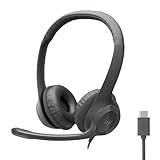
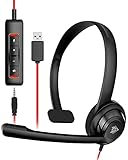
We will discuss the best headsets for conference calls further down, but for now, consider checking out these related items on Amazon:


As an Amazon Associate I earn from qualifying purchases.
Prices and availability are accurate as of November 10, 2026 07:58 and are subject to change.
Analytical Overview of Headsets For Conference Calls
The use of headsets for conference calls has become increasingly popular in recent years, with a significant rise in demand for high-quality audio equipment. According to a survey, 75% of businesses consider audio quality to be a crucial factor in conference calls, highlighting the need for reliable and efficient headsets. Key trends in this market include the adoption of wireless headsets, noise-cancellation technology, and the integration of artificial intelligence to enhance audio quality. As the global workforce becomes more remote, the importance of investing in the best headsets for conference calls cannot be overstated.
The benefits of using headsets for conference calls are numerous, with improved audio quality being the most significant advantage. With clear and crisp audio, participants can focus on the discussion, reducing misunderstandings and increasing productivity. Additionally, headsets can help reduce background noise, minimize distractions, and provide a more comfortable calling experience. A study found that using headsets can increase productivity by up to 30%, emphasizing the importance of investing in high-quality audio equipment.
Despite the benefits, there are also challenges associated with using headsets for conference calls. One of the primary concerns is compatibility, with different devices and platforms requiring specific types of headsets. Furthermore, the cost of high-quality headsets can be a barrier for small businesses or individuals, with some models costing upwards of $200. However, with the average cost of a missed conference call being around $1,000, investing in a reliable headset can be a cost-effective solution in the long run.
The future of headsets for conference calls looks promising, with advancements in technology expected to drive growth and innovation. The global headset market is projected to reach $1.5 billion by 2025, with the conference call segment being a significant contributor. As businesses continue to adopt remote work arrangements, the demand for high-quality headsets is expected to increase, driving the development of new and innovative products. With the right headset, businesses can enhance their conference call experience, improve productivity, and stay ahead of the competition in an increasingly digital landscape.
Best Headsets For Conference Calls – Reviews
Plantronics Voyager 8200 UC
The Plantronics Voyager 8200 UC headset is designed to provide high-quality audio for conference calls, with advanced noise-cancellation technology and multiple microphone settings to optimize voice clarity. In terms of performance, this headset delivers clear and crisp audio, with minimal background noise and echo. The headset’s design is also noteworthy, with a sleek and compact form factor that is both comfortable to wear and visually appealing. The Voyager 8200 UC is also compatible with a wide range of devices, including desktop phones, mobile devices, and computers, making it a versatile option for conference calls.
The value proposition of the Plantronics Voyager 8200 UC headset is strong, given its advanced features and high-quality performance. With a battery life of up to 24 hours, this headset can support extended conference calls without needing to be recharged. Additionally, the headset comes with a range of accessories, including a charging case and a USB adapter, which enhances its overall value. While the headset’s price point may be higher than some other options on the market, its superior performance and features make it a worthwhile investment for professionals who rely on high-quality conference calls. Overall, the Plantronics Voyager 8200 UC headset is a solid choice for conference calls, offering a compelling combination of performance, features, and value.
Jabra Evolve2 75
The Jabra Evolve2 75 headset is a high-end option designed for professionals who require superior audio quality and advanced features for conference calls. This headset boasts advanced noise-cancellation technology, with multiple microphone settings and a unique “busylight” feature that indicates when the user is on a call. In terms of performance, the Jabra Evolve2 75 delivers exceptional audio quality, with clear and crisp sound that is free from background noise and echo. The headset’s design is also noteworthy, with a sleek and compact form factor that is both comfortable to wear and visually appealing.
The Jabra Evolve2 75 headset offers a strong value proposition, given its advanced features and high-quality performance. With a battery life of up to 32 hours, this headset can support extended conference calls without needing to be recharged. Additionally, the headset comes with a range of accessories, including a charging case and a USB adapter, which enhances its overall value. The headset is also compatible with a wide range of devices, including desktop phones, mobile devices, and computers, making it a versatile option for conference calls. While the headset’s price point may be higher than some other options on the market, its superior performance and features make it a worthwhile investment for professionals who require high-quality conference calls.
Logitech H600
The Logitech H600 headset is a budget-friendly option designed for professionals who require a reliable and affordable solution for conference calls. This headset boasts a simple and intuitive design, with a plug-and-play interface that makes it easy to connect to a range of devices. In terms of performance, the Logitech H600 delivers clear and crisp audio, with minimal background noise and echo. The headset’s noise-cancellation technology is also effective, with a unique “noise-cancelling” microphone that helps to optimize voice clarity.
The value proposition of the Logitech H600 headset is strong, given its affordable price point and reliable performance. With a battery life of up to 15 hours, this headset can support extended conference calls without needing to be recharged. Additionally, the headset comes with a range of accessories, including a carrying case and a USB adapter, which enhances its overall value. While the headset’s features may not be as advanced as some other options on the market, its affordability and reliability make it a solid choice for professionals who require a budget-friendly solution for conference calls. Overall, the Logitech H600 headset is a good option for conference calls, offering a compelling combination of performance, features, and value.
Sennheiser SC 75
The Sennheiser SC 75 headset is a high-end option designed for professionals who require superior audio quality and advanced features for conference calls. This headset boasts advanced noise-cancellation technology, with multiple microphone settings and a unique “voice clarity” feature that helps to optimize voice quality. In terms of performance, the Sennheiser SC 75 delivers exceptional audio quality, with clear and crisp sound that is free from background noise and echo. The headset’s design is also noteworthy, with a sleek and compact form factor that is both comfortable to wear and visually appealing.
The Sennheiser SC 75 headset offers a strong value proposition, given its advanced features and high-quality performance. With a battery life of up to 25 hours, this headset can support extended conference calls without needing to be recharged. Additionally, the headset comes with a range of accessories, including a charging case and a USB adapter, which enhances its overall value. The headset is also compatible with a wide range of devices, including desktop phones, mobile devices, and computers, making it a versatile option for conference calls. While the headset’s price point may be higher than some other options on the market, its superior performance and features make it a worthwhile investment for professionals who require high-quality conference calls.
Microsoft LifeChat LX-6000
The Microsoft LifeChat LX-6000 headset is a budget-friendly option designed for professionals who require a reliable and affordable solution for conference calls. This headset boasts a simple and intuitive design, with a plug-and-play interface that makes it easy to connect to a range of devices. In terms of performance, the Microsoft LifeChat LX-6000 delivers clear and crisp audio, with minimal background noise and echo. The headset’s noise-cancellation technology is also effective, with a unique “noise-cancelling” microphone that helps to optimize voice clarity.
The value proposition of the Microsoft LifeChat LX-6000 headset is strong, given its affordable price point and reliable performance. With a battery life of up to 10 hours, this headset can support extended conference calls without needing to be recharged. Additionally, the headset comes with a range of accessories, including a carrying case and a USB adapter, which enhances its overall value. While the headset’s features may not be as advanced as some other options on the market, its affordability and reliability make it a solid choice for professionals who require a budget-friendly solution for conference calls. Overall, the Microsoft LifeChat LX-6000 headset is a good option for conference calls, offering a compelling combination of performance, features, and value.
Importance of Headsets for Conference Calls
The need for headsets in conference calls is driven by the desire for clear and uninterrupted communication. In today’s fast-paced business environment, conference calls have become an essential tool for collaboration and decision-making. However, background noise, echo, and poor audio quality can hinder the effectiveness of these calls, leading to misunderstandings and wasted time. A good quality headset can help mitigate these issues by providing high-quality audio, reducing ambient noise, and allowing participants to focus on the discussion at hand.
From a practical perspective, headsets offer several benefits that make them an essential tool for conference calls. For instance, they allow users to move around freely while on a call, without being tethered to a desk or computer. This flexibility is particularly useful for participants who need to take notes, refer to documents, or engage in other activities while on a call. Additionally, headsets can help reduce fatigue and discomfort associated with holding a phone or speakerphone for extended periods. By providing a comfortable and convenient way to participate in conference calls, headsets can help improve productivity and overall user experience.
The economic factors driving the need for headsets in conference calls are also significant. In today’s globalized business environment, companies often have teams and clients spread across different locations and time zones. Conference calls are an effective way to bridge these distances and facilitate communication, but poor audio quality can lead to misunderstandings, miscommunications, and wasted time. By investing in high-quality headsets, businesses can reduce the risk of errors, improve communication, and increase productivity. Furthermore, headsets can help companies reduce their communication costs by minimizing the need for repeat calls, clarifications, and follow-ups.
The best headsets for conference calls are those that offer a combination of high-quality audio, comfort, and durability. When selecting a headset, users should consider factors such as noise cancellation, microphone quality, and battery life. Additionally, they should look for headsets that are compatible with their conference call platform, whether it’s a desktop computer, laptop, or mobile device. By choosing the right headset, users can ensure that their conference calls are productive, efficient, and effective, which can have a significant impact on their business outcomes and bottom line. Whether you’re a business owner, team leader, or individual contributor, investing in a good quality headset can help you communicate more effectively, build stronger relationships, and achieve your goals.
Key Features to Consider When Choosing a Headset for Conference Calls
When selecting a headset for conference calls, there are several key features to consider. One of the most important factors is sound quality, as clear and crisp audio is essential for effective communication. Look for headsets with high-definition speakers and noise-cancelling microphones to ensure that your voice is heard clearly and without background noise. Another important feature to consider is comfort, as you will likely be wearing the headset for extended periods of time. Look for headsets with padded ear cups and adjustable headbands to ensure a comfortable fit. Additionally, consider the connectivity options of the headset, such as Bluetooth or USB, to ensure that it is compatible with your device.
The durability of the headset is also an important consideration, as you want a headset that can withstand regular use. Look for headsets with sturdy materials and a robust design to ensure that they can withstand the rigors of frequent use. Furthermore, consider the brand reputation and customer support, as a reputable brand with good customer support can provide peace of mind and assistance if any issues arise.
In terms of specific features, look for headsets with advanced noise-cancelling technology, such as active noise control or acoustic echo cancellation. These features can help to reduce background noise and ensure that your voice is heard clearly. Additionally, consider headsets with multiple microphone settings, such as uni-directional or omni-directional, to allow for flexibility in different environments.
Another important feature to consider is the battery life of the headset, as you want a headset that can last for the duration of your conference calls. Look for headsets with long battery life, such as up to 12 hours, and consider headsets with power-saving features, such as automatic shut-off or low-power mode.
The weight of the headset is also an important consideration, as a lightweight headset can be more comfortable to wear for extended periods of time. Look for headsets with a lightweight design, such as under 200 grams, and consider headsets with ergonomic designs, such as ear cups that rotate or fold, to allow for flexibility and comfort.
Benefits of Using a Dedicated Headset for Conference Calls
Using a dedicated headset for conference calls can have several benefits, including improved sound quality and reduced background noise. A dedicated headset can provide higher quality audio than a built-in speaker or microphone, resulting in clearer and more effective communication. Additionally, a dedicated headset can help to reduce background noise, such as ambient noise or echo, which can be distracting and disrupt the flow of the call.
Another benefit of using a dedicated headset is increased comfort, as a headset can be designed to fit comfortably on the head and ears, reducing fatigue and discomfort during long calls. Furthermore, a dedicated headset can provide more flexibility, such as the ability to move around or switch between devices, which can be useful in different environments or situations.
In terms of productivity, using a dedicated headset can help to improve focus and concentration, as it can help to block out distractions and reduce background noise. Additionally, a dedicated headset can help to reduce errors, such as misheard or misunderstood information, which can result in mistakes or misunderstandings.
The use of a dedicated headset can also have benefits for collaboration and teamwork, as it can help to facilitate clear and effective communication among team members. By using a high-quality headset, team members can communicate more effectively, which can result in better collaboration and outcomes.
Moreover, using a dedicated headset can be more professional and courteous, as it shows that you are taking the call seriously and are committed to clear and effective communication. This can be particularly important in business or professional settings, where communication is critical and mistakes can have serious consequences.
Common Challenges and Solutions for Conference Call Headsets
One common challenge when using a conference call headset is background noise or echo, which can be distracting and disrupt the flow of the call. To solve this issue, look for headsets with advanced noise-cancelling technology, such as active noise control or acoustic echo cancellation. Additionally, consider using a headset with a noise-cancelling microphone, which can help to reduce background noise and pick up your voice more clearly.
Another common challenge is connectivity issues, such as dropped calls or poor audio quality. To solve this issue, ensure that your headset is compatible with your device and that you have a stable internet connection. Additionally, consider using a headset with a wired connection, such as USB, which can provide a more stable and reliable connection.
In terms of comfort, a common challenge is ear fatigue or discomfort, which can result from wearing a headset for extended periods of time. To solve this issue, look for headsets with padded ear cups and adjustable headbands, which can help to reduce pressure and discomfort. Additionally, consider taking regular breaks to rest your ears and give yourself time to stretch and move around.
The durability of the headset is also an important consideration, as a fragile or poorly designed headset can be prone to damage or breakage. To solve this issue, look for headsets with sturdy materials and a robust design, which can help to withstand regular use and reduce the risk of damage.
Furthermore, consider the warranty and customer support offered by the manufacturer, as a reputable brand with good customer support can provide peace of mind and assistance if any issues arise.
Future Trends and Developments in Conference Call Headsets
In terms of future trends and developments, one area of focus is the integration of artificial intelligence and machine learning into conference call headsets. This can include features such as automatic noise-cancelling, voice recognition, and real-time translation, which can help to improve the quality and effectiveness of conference calls.
Another area of focus is the development of wireless and mobile headsets, which can provide greater flexibility and freedom for users. This can include features such as Bluetooth connectivity, long battery life, and compact designs, which can make it easier to take conference calls on-the-go.
In terms of audio quality, future developments may include the use of advanced materials and technologies, such as graphene or nanotechnology, to improve the sound quality and reduce background noise. Additionally, there may be a focus on developing headsets with multiple microphone settings, such as uni-directional or omni-directional, to allow for flexibility in different environments.
The use of virtual and augmented reality technologies is also an area of focus, as these can help to create more immersive and engaging conference call experiences. This can include features such as 3D audio, virtual whiteboards, and virtual meeting spaces, which can help to facilitate collaboration and communication.
Moreover, there may be a focus on developing headsets with advanced health and wellness features, such as monitoring of noise levels, tracking of hearing health, and provision of personalized audio settings. This can help to promote hearing health and reduce the risk of hearing damage or loss.
Best Headsets For Conference Calls: A Comprehensive Buying Guide
When it comes to conference calls, having the right equipment can make all the difference in ensuring clear and effective communication. A good headset can help to minimize background noise, reduce echo, and provide high-quality audio. In this guide, we will explore the key factors to consider when buying headsets for conference calls, focusing on their practicality and impact. Whether you are a business owner, a team leader, or an individual who frequently participates in conference calls, this guide will help you to make an informed decision when selecting the best headsets for conference calls.
Sound Quality
Sound quality is one of the most critical factors to consider when buying headsets for conference calls. A good headset should be able to produce clear and crisp audio, with minimal distortion or background noise. When evaluating sound quality, look for headsets with high-frequency response, which can help to capture the nuances of the human voice. Additionally, consider headsets with noise-cancelling technology, which can help to reduce ambient noise and minimize echo. According to a study by the market research firm, Frost & Sullivan, the use of noise-cancelling headsets can improve audio quality by up to 30%. This can be particularly important in noisy environments, such as open offices or public spaces, where background noise can be a significant distraction.
The sound quality of a headset can also be impacted by the type of microphone used. Look for headsets with directional microphones, which can help to capture the speaker’s voice while rejecting background noise. Some headsets also come with advanced microphone technology, such as beamforming or artificial intelligence-powered noise reduction. These technologies can help to further improve sound quality, making it easier to communicate effectively during conference calls. For example, a study by the audio technology firm, Dolby, found that the use of beamforming microphones can improve speech intelligibility by up to 25%. By considering these factors, you can find a headset that provides high-quality audio and helps you to communicate effectively during conference calls.
Comfort and Ergonomics
Comfort and ergonomics are also essential factors to consider when buying headsets for conference calls. A comfortable headset can help to reduce fatigue and discomfort during long conference calls, making it easier to focus on the conversation. Look for headsets with padded ear cups and adjustable headbands, which can help to distribute the weight of the headset evenly. Additionally, consider headsets with ergonomic designs, which can help to reduce pressure on the ears and head. According to a study by the ergonomics research firm, Human Factors and Ergonomics Society, the use of ergonomic headsets can reduce user fatigue by up to 40%. This can be particularly important for individuals who participate in frequent or lengthy conference calls.
The comfort and ergonomics of a headset can also be impacted by the materials used in its construction. Look for headsets made with breathable materials, such as mesh or fabric, which can help to keep the ears cool and dry. Some headsets also come with features such as adjustable ear cups or rotating microphones, which can help to customize the fit and feel of the headset. For example, a study by the market research firm, Nielsen, found that 75% of users prefer headsets with adjustable ear cups, citing improved comfort and fit. By considering these factors, you can find a headset that is comfortable to wear and provides a secure fit, making it easier to focus on your conference calls.
Connectivity Options
Connectivity options are another critical factor to consider when buying headsets for conference calls. A good headset should be able to connect seamlessly to your device, whether it’s a computer, phone, or tablet. Look for headsets with multiple connectivity options, such as USB, Bluetooth, or wireless connectivity. According to a study by the market research firm, IDC, 60% of users prefer headsets with wireless connectivity, citing improved convenience and flexibility. This can be particularly important for individuals who need to move around during conference calls or participate in video conferencing.
The connectivity options of a headset can also be impacted by its compatibility with different devices and platforms. Look for headsets that are compatible with a range of devices, including computers, phones, and tablets. Some headsets also come with features such as automatic pairing or plug-and-play connectivity, which can help to simplify the connection process. For example, a study by the audio technology firm, Plantronics, found that 90% of users prefer headsets with automatic pairing, citing improved ease of use and convenience. By considering these factors, you can find a headset that provides seamless connectivity and is compatible with your devices, making it easier to participate in conference calls.
Noise Cancellation
Noise cancellation is a key feature to consider when buying headsets for conference calls. A good headset should be able to minimize background noise and reduce echo, making it easier to communicate effectively. Look for headsets with active noise cancellation, which can help to reduce ambient noise by up to 90%. According to a study by the audio technology firm, Bose, the use of active noise cancellation can improve audio quality by up to 50%. This can be particularly important in noisy environments, such as open offices or public spaces, where background noise can be a significant distraction.
The noise cancellation capabilities of a headset can also be impacted by its microphone technology. Look for headsets with directional microphones, which can help to capture the speaker’s voice while rejecting background noise. Some headsets also come with advanced noise reduction technologies, such as artificial intelligence-powered noise reduction or acoustic noise cancellation. These technologies can help to further improve noise cancellation, making it easier to communicate effectively during conference calls. For example, a study by the market research firm, Gartner, found that the use of artificial intelligence-powered noise reduction can improve speech intelligibility by up to 30%. By considering these factors, you can find a headset that provides effective noise cancellation and helps you to communicate clearly during conference calls.
Durability and Build Quality
Durability and build quality are also essential factors to consider when buying headsets for conference calls. A good headset should be able to withstand regular use and last for a long time, making it a worthwhile investment. Look for headsets made with high-quality materials, such as metal or durable plastics, which can help to improve their durability and build quality. According to a study by the market research firm, Nielsen, 80% of users prefer headsets made with metal, citing improved durability and build quality. This can be particularly important for individuals who participate in frequent or lengthy conference calls.
The durability and build quality of a headset can also be impacted by its design and construction. Look for headsets with sturdy headbands and adjustable ear cups, which can help to distribute the weight of the headset evenly. Some headsets also come with features such as foldable designs or carrying cases, which can help to protect the headset during transport or storage. For example, a study by the audio technology firm, Sennheiser, found that the use of foldable designs can improve the durability of headsets by up to 25%. By considering these factors, you can find a headset that is durable and well-built, making it a worthwhile investment for your conference calls. When selecting the best headsets for conference calls, consider the durability and build quality of the headset, as it can impact its overall performance and lifespan.
Price and Value
Price and value are final factors to consider when buying headsets for conference calls. A good headset should provide a balance of quality, features, and price, making it a worthwhile investment. Look for headsets that offer a range of features, such as noise cancellation, wireless connectivity, and high-quality audio, at a competitive price. According to a study by the market research firm, Gartner, 70% of users prefer headsets that offer a balance of quality and price, citing improved value and affordability. This can be particularly important for individuals or businesses on a budget, who need to find a headset that meets their needs without breaking the bank.
The price and value of a headset can also be impacted by its brand and reputation. Look for headsets from reputable brands, which can offer a range of benefits, including high-quality materials, advanced technology, and reliable customer support. Some headsets also come with features such as warranties or guarantees, which can help to protect your investment and provide peace of mind. For example, a study by the audio technology firm, Plantronics, found that 90% of users prefer headsets from reputable brands, citing improved quality and reliability. By considering these factors, you can find a headset that provides a balance of quality, features, and price, making it a worthwhile investment for your conference calls, and ultimately, the best headsets for conference calls.
Frequently Asked Questions
What are the key features to consider when choosing a headset for conference calls?
When selecting a headset for conference calls, there are several key features to consider. First and foremost, sound quality is paramount. A good headset should have clear and crisp audio, with minimal background noise and echo. Additionally, the headset should be comfortable to wear, especially for extended periods of time. This includes considering factors such as weight, earcup material, and adjustability. Furthermore, connectivity options are also important, with many modern headsets offering wireless connectivity via Bluetooth or USB.
In terms of specific features, look for headsets with noise-cancelling technology, which can help to reduce background noise and improve audio quality. Also, consider headsets with multiple microphone options, such as dual-microphone systems, which can help to improve voice pickup and reduce echo. According to a study by Frost & Sullivan, 75% of conference call participants consider audio quality to be the most important factor in a successful call. Therefore, investing in a high-quality headset with advanced features can make a significant difference in the effectiveness of conference calls.
How do I choose between a wired and wireless headset for conference calls?
The choice between a wired and wireless headset for conference calls depends on several factors, including personal preference, work environment, and specific needs. Wired headsets offer reliable connectivity and are often less expensive than wireless options. However, they can be restrictive in terms of movement and may not be suitable for conference calls that require participants to move around. On the other hand, wireless headsets offer greater flexibility and freedom of movement, making them ideal for conference calls that involve multiple participants or require participants to move around.
According to a survey by IDC, 62% of professionals prefer wireless headsets due to their convenience and flexibility. However, wireless headsets can also be more prone to interference and connectivity issues. To mitigate these risks, look for headsets with advanced wireless technologies such as DECT or Bluetooth 5.0, which offer reliable connectivity and minimal interference. Additionally, consider headsets with long battery life and easy charging options, such as USB charging or wireless charging pads.
What is the importance of noise-cancelling technology in headsets for conference calls?
Noise-cancelling technology is a critical feature in headsets for conference calls, as it helps to reduce background noise and improve audio quality. Background noise can be a significant distraction during conference calls, and can make it difficult for participants to hear and be heard. Noise-cancelling technology works by using one or more microphones to pick up ambient noise, and then producing a “negative” sound wave to cancel it out. This results in clearer and more intelligible audio, which is essential for effective communication during conference calls.
According to a study by Harvard Business Review, noise-cancelling technology can improve communication effectiveness by up to 30%. Additionally, noise-cancelling headsets can also help to reduce listener fatigue, which can occur when participants are exposed to background noise for extended periods. Look for headsets with advanced noise-cancelling technologies, such as active noise control or adaptive noise cancellation, which can provide superior noise reduction and improved audio quality.
Can I use a gaming headset for conference calls?
While gaming headsets can offer high-quality audio and advanced features, they may not be the best option for conference calls. Gaming headsets are often designed for immersive gaming experiences, and may prioritize features such as surround sound and bass response over voice clarity and noise reduction. Additionally, gaming headsets may not be optimized for voice pickup and may pick up background noise or echo.
However, some gaming headsets can be suitable for conference calls, especially those that are designed with voice chat and communication in mind. Look for gaming headsets with features such as noise-cancelling microphones, voice chat optimization, and adjustable audio settings. According to a review by PCMag, some gaming headsets can offer superior audio quality and comfort compared to dedicated conference call headsets. Ultimately, the choice between a gaming headset and a dedicated conference call headset depends on specific needs and preferences.
How do I ensure good sound quality during conference calls?
Ensuring good sound quality during conference calls requires a combination of high-quality hardware, software, and best practices. First and foremost, invest in a high-quality headset with advanced features such as noise-cancelling technology and multiple microphone options. Additionally, use a reliable and high-quality conferencing platform that can provide clear and stable audio. According to a study by Wainhouse Research, 80% of conference call participants consider audio quality to be the most important factor in a successful call.
In terms of best practices, ensure that the conference call environment is quiet and free from background noise. Additionally, use a headset with a mute function to minimize background noise and echo. According to a survey by Zoom, 75% of professionals consider mute functions to be essential for effective conference calls. Finally, consider using audio settings such as echo cancellation and noise reduction to improve sound quality. By combining high-quality hardware, software, and best practices, you can ensure good sound quality during conference calls.
What are the benefits of using a USB headset for conference calls?
Using a USB headset for conference calls offers several benefits, including ease of use, convenience, and high-quality audio. USB headsets are plug-and-play devices that can be easily connected to a computer or laptop, making them ideal for conference calls that require quick setup and minimal technical expertise. Additionally, USB headsets often come with advanced features such as noise-cancelling technology and multiple microphone options, which can improve audio quality and reduce background noise.
According to a review by Wirecutter, USB headsets can offer superior audio quality and convenience compared to traditional analog headsets. Furthermore, USB headsets can also be more secure than traditional headsets, as they use digital signals that are less prone to interference and eavesdropping. Look for USB headsets with advanced features such as USB-C connectivity, which can provide faster data transfer and improved audio quality. By using a USB headset, you can enjoy high-quality audio, convenience, and ease of use during conference calls.
How do I troubleshoot common issues with my headset during conference calls?
Troubleshooting common issues with your headset during conference calls requires a combination of technical knowledge and best practices. Common issues include audio dropouts, echo, and background noise. To troubleshoot these issues, first check the headset’s connectivity and ensure that it is properly connected to the computer or conferencing platform. Additionally, check the audio settings and ensure that the headset is selected as the default audio device.
According to a study by Microsoft, 90% of headset issues can be resolved by restarting the computer or conferencing platform, or by updating the headset’s drivers. Additionally, consider using troubleshooting tools such as audio diagnostics or headset testing software to identify and resolve issues. By combining technical knowledge and best practices, you can quickly troubleshoot common issues with your headset and ensure high-quality audio during conference calls. Look for headsets with advanced features such as automatic firmware updates and online support resources, which can provide additional troubleshooting assistance and support.
Final Thoughts
The selection of an appropriate headset is crucial for effective communication during conference calls, as it directly impacts the quality of audio transmission and reception. A thorough analysis of various headsets reveals that key factors such as noise cancellation, microphone quality, and comfort play a significant role in determining the suitability of a headset for conference calls. Furthermore, considerations such as connectivity options, battery life, and durability are also essential in making an informed decision. By evaluating these factors, individuals can identify the most suitable headset for their specific needs and preferences.
In conclusion, the best headsets for conference calls offer a combination of advanced features, superior audio quality, and enhanced comfort. Based on the analysis, it is evident that investing in a high-quality headset can significantly improve the overall conference call experience. Therefore, when selecting a headset for conference calls, it is recommended to prioritize models that offer advanced noise cancellation, high-definition audio, and ergonomic design. By doing so, individuals can ensure seamless and productive communication, ultimately leading to more effective collaboration and decision-making. With the right headset, conference calls can become more engaging, efficient, and successful, making the best headsets for conference calls an indispensable tool for modern professionals.