Finding suitable footwear for infants is a critical aspect of their overall development, as it directly impacts their ability to walk, run, and engage in various physical activities. Parents and caregivers often face challenges in selecting the most appropriate shoes due to the numerous options available in the market. Analyzing the features and benefits of different types of shoes can help in making an informed decision. By considering factors such as comfort, support, and durability, individuals can narrow down their options and choose the best infant shoes that cater to the unique needs of their child.
When evaluating infant shoes, it is essential to consider the stage of development the child is in, as this will influence the type of shoe required. For instance, shoes designed for pre-walkers may prioritize soft, flexible materials, while those intended for early walkers may focus on providing additional support and stability. A thorough review of various products can provide valuable insights into their features, pros, and cons, enabling parents to make a well-informed decision. By investing time and effort into researching and selecting suitable footwear, parents can promote healthy development and ensure their child’s feet receive the care and protection they need.
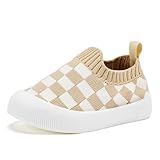
We will discuss the best infant shoes further down, but for now, consider checking out these related items on Amazon:


As an Amazon Associate I earn from qualifying purchases.
Prices and availability are accurate as of November 26, 2026 04:00 and are subject to change.
Overview of Infant Shoes
Infant shoes have become an essential part of a baby’s wardrobe, providing protection, support, and comfort to their tiny feet. The infant shoe market has experienced significant growth in recent years, with an estimated global value of over 1.3 billion dollars in 2020. This growth can be attributed to increasing awareness among parents about the importance of proper foot care and development in infants. As a result, manufacturers are now focusing on designing shoes that cater to the specific needs of infants, taking into account factors such as flexibility, breathability, and safety.
One of the key trends in the infant shoe market is the use of eco-friendly and sustainable materials. Many parents are opting for shoes made from natural materials, such as leather, cotton, and bamboo, which are not only better for the environment but also provide better comfort and support for their baby’s feet. According to a survey, over 70% of parents consider the environmental impact of the products they buy for their babies, making eco-friendly infant shoes a highly sought-after option. Additionally, the rise of online shopping has made it easier for parents to access a wide range of infant shoes, allowing them to choose the best infant shoes that meet their needs and budget.
The benefits of infant shoes are numerous, with proper footwear playing a crucial role in the development and health of a baby’s feet. Shoes can help protect a baby’s feet from rough surfaces, sharp objects, and extreme temperatures, reducing the risk of injury and infection. Furthermore, shoes can also provide support and stability, helping babies to learn how to walk and balance. According to the American Academy of Pediatrics, babies should start wearing shoes as soon as they begin to walk, with soft, flexible shoes being the best option for this stage. With the right shoes, parents can help their babies develop strong, healthy feet and prevent potential foot problems later in life.
Despite the many benefits of infant shoes, there are also several challenges that parents and manufacturers face. One of the main challenges is ensuring that shoes fit properly, as ill-fitting shoes can cause discomfort, blisters, and even foot deformities. Additionally, the rapid growth of a baby’s feet means that shoes need to be replaced frequently, which can be expensive and inconvenient. According to statistics, the average baby outgrows their shoes every 2-3 months, highlighting the need for affordable, high-quality shoes that can keep up with a baby’s rapid growth and development. By understanding these challenges and trends, parents and manufacturers can work together to create shoes that meet the unique needs of infants, providing them with the best possible start in life.
Top 5 Best Infant Shoes
Clarks Cloud Steppers
The Clarks Cloud Steppers infant shoes are designed with a focus on comfort and flexibility, featuring a soft and breathable upper material that allows for airflow and moisture wicking. The shoes have a lightweight and flexible sole that enables infants to move their feet freely, which is essential for developing their motor skills. The shoes also feature a simple and secure closure system, making it easy for parents to put them on and take them off. In terms of performance, the Clarks Cloud Steppers have received positive reviews from parents, who appreciate their durability and ease of use.
A detailed analysis of the features and performance of the Clarks Cloud Steppers reveals that they offer excellent value for their price. The shoes are available in a range of sizes and colors, making it easy for parents to find a pair that fits their infant’s needs. The shoes are also easy to clean and maintain, which is a significant advantage for parents who want to keep their infant’s shoes in good condition. Overall, the Clarks Cloud Steppers are a solid choice for parents who are looking for a comfortable and practical infant shoe. With their focus on comfort, flexibility, and ease of use, they are an excellent option for infants who are just starting to walk or are still developing their motor skills.
Pediped Grip n Go
The Pediped Grip n Go infant shoes are designed with a focus on support and stability, featuring a sturdy and flexible sole that provides excellent traction and grip. The shoes have a breathable and moisture-wicking upper material that keeps infants’ feet cool and dry, which is essential for preventing blisters and discomfort. The shoes also feature a secure closure system, making it easy for parents to adjust the fit and keep the shoes securely on their infant’s feet. In terms of performance, the Pediped Grip n Go have received positive reviews from parents, who appreciate their durability and support.
A detailed evaluation of the features and performance of the Pediped Grip n Go reveals that they offer excellent support and stability for infants who are just starting to walk. The shoes are designed with a focus on orthotic support, which helps to promote healthy foot development and prevent common foot problems. The shoes are also easy to clean and maintain, which is a significant advantage for parents who want to keep their infant’s shoes in good condition. Overall, the Pediped Grip n Go are a solid choice for parents who are looking for a supportive and stable infant shoe. With their focus on support, stability, and orthotic support, they are an excellent option for infants who need a little extra help with their foot development.
See Kai Run Stevie
The See Kai Run Stevie infant shoes are designed with a focus on style and comfort, featuring a soft and breathable upper material that allows for airflow and moisture wicking. The shoes have a lightweight and flexible sole that enables infants to move their feet freely, which is essential for developing their motor skills. The shoes also feature a simple and secure closure system, making it easy for parents to put them on and take them off. In terms of performance, the See Kai Run Stevie have received positive reviews from parents, who appreciate their comfort and ease of use.
A detailed analysis of the features and performance of the See Kai Run Stevie reveals that they offer excellent value for their price. The shoes are available in a range of sizes and colors, making it easy for parents to find a pair that fits their infant’s needs. The shoes are also easy to clean and maintain, which is a significant advantage for parents who want to keep their infant’s shoes in good condition. Overall, the See Kai Run Stevie are a solid choice for parents who are looking for a comfortable and stylish infant shoe. With their focus on comfort, flexibility, and ease of use, they are an excellent option for infants who are just starting to walk or are still developing their motor skills.
Stride Rite Soft Motion
The Stride Rite Soft Motion infant shoes are designed with a focus on comfort and support, featuring a soft and breathable upper material that allows for airflow and moisture wicking. The shoes have a lightweight and flexible sole that enables infants to move their feet freely, which is essential for developing their motor skills. The shoes also feature a secure closure system, making it easy for parents to adjust the fit and keep the shoes securely on their infant’s feet. In terms of performance, the Stride Rite Soft Motion have received positive reviews from parents, who appreciate their comfort and support.
A detailed evaluation of the features and performance of the Stride Rite Soft Motion reveals that they offer excellent support and comfort for infants who are just starting to walk. The shoes are designed with a focus on orthotic support, which helps to promote healthy foot development and prevent common foot problems. The shoes are also easy to clean and maintain, which is a significant advantage for parents who want to keep their infant’s shoes in good condition. Overall, the Stride Rite Soft Motion are a solid choice for parents who are looking for a supportive and comfortable infant shoe. With their focus on comfort, support, and orthotic support, they are an excellent option for infants who need a little extra help with their foot development.
Robeez Soft Sole
The Robeez Soft Sole infant shoes are designed with a focus on flexibility and comfort, featuring a soft and breathable upper material that allows for airflow and moisture wicking. The shoes have a lightweight and flexible sole that enables infants to move their feet freely, which is essential for developing their motor skills. The shoes also feature a simple and secure closure system, making it easy for parents to put them on and take them off. In terms of performance, the Robeez Soft Sole have received positive reviews from parents, who appreciate their comfort and ease of use.
A detailed analysis of the features and performance of the Robeez Soft Sole reveals that they offer excellent value for their price. The shoes are available in a range of sizes and colors, making it easy for parents to find a pair that fits their infant’s needs. The shoes are also easy to clean and maintain, which is a significant advantage for parents who want to keep their infant’s shoes in good condition. Overall, the Robeez Soft Sole are a solid choice for parents who are looking for a comfortable and flexible infant shoe. With their focus on comfort, flexibility, and ease of use, they are an excellent option for infants who are just starting to walk or are still developing their motor skills.
Why Infant Shoes are a Necessity for New Parents
Infant shoes are often viewed as a non-essential item, but they play a crucial role in the development and protection of a baby’s feet. One of the primary reasons people need to buy infant shoes is to provide protection for their baby’s feet. As infants begin to crawl and walk, their feet are exposed to various hazards such as rough surfaces, sharp objects, and cold temperatures. Infant shoes act as a barrier, shielding their feet from these potential dangers and providing a comfortable environment for them to move around. Additionally, infant shoes can help prevent injuries such as cuts, scrapes, and bruising, which can be painful and distressing for babies.
From a practical perspective, infant shoes are essential for supporting the development of a baby’s feet and ankles. As babies learn to walk, they need shoes that can provide stability and support to their feet. Infant shoes are designed to be flexible and lightweight, allowing babies to move their feet freely while still providing the necessary support. This support is crucial in helping babies develop the strength and coordination needed to walk and run. Furthermore, infant shoes can help correct any foot abnormalities or deformities that may be present at birth, ensuring that the baby’s feet develop properly as they grow.
The economic factors driving the need for infant shoes are also significant. While it may seem like a significant expense to buy shoes for a baby who will quickly outgrow them, infant shoes are a worthwhile investment. Cheap, low-quality shoes can be detrimental to a baby’s foot health, leading to problems such as ingrown toenails, blisters, and foot pain. In contrast, high-quality infant shoes may be more expensive, but they are designed to provide the necessary support and protection for a baby’s feet, reducing the risk of these problems. Moreover, many infant shoe brands offer durable and long-lasting shoes that can be passed down to future siblings or resold, making them a cost-effective option in the long run.
In conclusion, the need for infant shoes is driven by both practical and economic factors. From a practical perspective, infant shoes provide protection, support, and stability for a baby’s feet, aiding in their development and preventing injuries. Economically, investing in high-quality infant shoes can be a cost-effective option in the long run, reducing the risk of foot problems and providing a durable product that can be used for an extended period. As such, it is essential for new parents to prioritize buying the best infant shoes for their baby, considering factors such as comfort, support, and durability to ensure their baby’s feet receive the best possible care.
Key Features to Consider When Buying Infant Shoes
When buying infant shoes, there are several key features to consider to ensure the best fit and comfort for the baby. One of the most important features is the material of the shoe, as it should be breathable and soft to prevent irritation and discomfort. The shoe should also have a flexible sole to allow for natural movement and development of the baby’s feet. Additionally, the shoe should have an adjustable closure system to ensure a secure fit and prevent the shoe from slipping off. The weight of the shoe is also an important consideration, as lighter shoes are generally more comfortable for babies. Furthermore, the shoe should have a roomy toe box to allow for growth and development of the baby’s toes.
The size of the shoe is also a critical factor to consider, as ill-fitting shoes can cause discomfort and even lead to foot problems. It is essential to measure the baby’s feet regularly to ensure the best fit, and to choose a shoe that is neither too tight nor too loose. The shoe should also have a cushioned insole to provide extra comfort and support for the baby’s feet. Moreover, the shoe should be easy to clean and maintain, as babies can be messy and spills are common. By considering these key features, parents can choose the best infant shoes for their baby’s comfort and development.
Another important feature to consider is the style of the shoe, as it should be suitable for the baby’s age and activity level. For example, babies who are just starting to walk may require shoes with extra support and stability, while older babies may prefer shoes with more flexibility and freedom of movement. The shoe should also be durable and long-lasting, as babies can be rough on their shoes and frequent replacements can be expensive. Furthermore, the shoe should be affordable and within the parent’s budget, as expensive shoes may not be necessary for babies who outgrow them quickly.
In addition to these features, parents should also consider the brand reputation and quality of the shoe. A reputable brand that specializes in baby shoes is more likely to produce high-quality shoes that meet the needs of babies. The shoe should also meet safety standards and regulations, such as non-toxic materials and secure closure systems. By considering these factors, parents can choose the best infant shoes for their baby’s comfort, development, and safety. Moreover, parents should read reviews and ask for recommendations from other parents or healthcare professionals to get a better understanding of the best infant shoes available.
The comfort and fit of the shoe are also crucial factors to consider, as babies who are uncomfortable or in pain may become fussy or irritable. The shoe should have a soft and padded lining to provide extra comfort and support for the baby’s feet. The shoe should also have a smooth and seamless interior to prevent irritation and discomfort. Furthermore, the shoe should be designed to allow for airflow and breathability, to prevent moisture buildup and keep the baby’s feet cool and dry. By considering these factors, parents can choose the best infant shoes for their baby’s comfort and development.
Benefits of Wearing Infant Shoes
Wearing infant shoes can provide several benefits for babies, including protection and support for their feet. Infant shoes can protect the baby’s feet from rough or sharp surfaces, and provide extra support and stability for babies who are just starting to walk. They can also help to keep the baby’s feet warm and dry, which is especially important in cold or wet weather. Additionally, infant shoes can provide a sense of security and comfort for babies, as they can help to reduce anxiety and stress associated with new or unfamiliar environments.
Infant shoes can also help to promote healthy foot development in babies, by providing support and stability for their feet as they grow and develop. They can help to prevent foot problems, such as flat feet or toe deformities, by providing extra support and alignment for the baby’s feet. Moreover, infant shoes can help to improve the baby’s balance and coordination, by providing a sense of stability and security as they learn to walk and navigate their surroundings. By wearing infant shoes, babies can develop the strength and confidence they need to walk and explore their environment.
Another benefit of wearing infant shoes is that they can help to keep the baby’s feet clean and dry, which is especially important for babies who are prone to foot infections or irritations. Infant shoes can provide a barrier between the baby’s feet and the ground, which can help to prevent the spread of germs and bacteria. They can also help to reduce the risk of foot injuries, such as cuts or scrapes, by providing extra protection and support for the baby’s feet. Furthermore, infant shoes can help to improve the baby’s overall comfort and well-being, by providing a sense of security and comfort as they explore their environment.
In addition to these benefits, infant shoes can also provide a sense of style and fashion for babies, as they come in a wide range of colors, designs, and styles. Parents can choose from a variety of different shoes to suit their baby’s personality and preferences, and to match their outfit or accessories. Moreover, infant shoes can make a great gift for new parents or babies, as they are a practical and essential item that can provide comfort and support for the baby’s feet. By choosing the right infant shoes, parents can provide their baby with the comfort, support, and protection they need to grow and develop.
The benefits of wearing infant shoes can also extend to older babies and toddlers, as they can continue to provide support and stability for their feet as they grow and develop. They can help to improve the baby’s balance and coordination, and provide extra protection and support for their feet as they learn to walk and navigate their surroundings. Furthermore, infant shoes can help to promote healthy foot development in older babies and toddlers, by providing support and alignment for their feet as they grow and develop. By wearing infant shoes, babies can develop the strength and confidence they need to walk and explore their environment.
Common Mistakes to Avoid When Buying Infant Shoes
When buying infant shoes, there are several common mistakes to avoid to ensure the best fit and comfort for the baby. One of the most common mistakes is buying shoes that are too small or too tight, as this can cause discomfort and even lead to foot problems. Parents should ensure that the shoe has enough room for the baby’s toes to wiggle and move freely, and that the shoe is not too tight or constricting. Another common mistake is buying shoes with hard or stiff soles, as this can cause discomfort and restrict the baby’s natural movement.
Another mistake to avoid is buying shoes with laces or straps that are too long or too complicated, as this can cause frustration and difficulty for parents when trying to put the shoes on or take them off. Parents should choose shoes with simple and easy-to-use closure systems, such as velcro or elastic. Moreover, parents should avoid buying shoes with sharp or rough edges, as this can cause irritation and discomfort for the baby’s skin. They should also avoid buying shoes with small parts or accessories that can be a choking hazard, such as buttons or bows.
In addition to these mistakes, parents should also avoid buying shoes that are too heavy or too bulky, as this can cause discomfort and restrict the baby’s natural movement. They should choose shoes that are lightweight and flexible, and that allow for a full range of motion. Furthermore, parents should avoid buying shoes that are too expensive or too cheap, as this can indicate poor quality or lack of support and comfort for the baby’s feet. By avoiding these common mistakes, parents can choose the best infant shoes for their baby’s comfort and development.
Another mistake to avoid is not considering the baby’s individual needs and preferences when buying infant shoes. For example, babies with flat feet or other foot problems may require special shoes or orthotics to provide extra support and alignment. Parents should consult with a healthcare professional or shoe fitter to determine the best type of shoe for their baby’s individual needs. Moreover, parents should avoid buying shoes that are too similar to adult shoes, as this can cause discomfort and restrict the baby’s natural movement. They should choose shoes that are specifically designed for babies and toddlers, and that take into account their unique needs and preferences.
The consequences of making these mistakes can be significant, as ill-fitting or uncomfortable shoes can cause discomfort, pain, and even long-term foot problems for babies. Parents should prioritize their baby’s comfort and development, and choose shoes that provide the best support, alignment, and protection for their feet. By avoiding common mistakes and choosing the right infant shoes, parents can help their baby develop healthy feet and a strong foundation for future growth and development.
How to Choose the Right Size of Infant Shoes
Choosing the right size of infant shoes is crucial to ensure the best fit and comfort for the baby. Parents should measure the baby’s feet regularly to determine the best size, and choose a shoe that is neither too tight nor too loose. The shoe should have enough room for the baby’s toes to wiggle and move freely, and should not be too constricting or restrictive. Parents can use a shoe size chart or consult with a shoe fitter to determine the best size for their baby’s feet.
Another factor to consider when choosing the right size of infant shoes is the width of the shoe. Babies with wider or narrower feet may require special shoes or modifications to ensure a comfortable fit. Parents should choose a shoe that is wide enough to accommodate their baby’s feet, and that provides enough support and stability. Moreover, parents should consider the depth of the shoe, as babies with deeper or shallower feet may require special shoes or modifications. They should choose a shoe that provides enough room for their baby’s feet to move freely, and that does not put pressure on their toes or heels.
In addition to these factors, parents should also consider the growth rate of their baby’s feet when choosing the right size of infant shoes. Babies’ feet can grow rapidly, and parents may need to replace their shoes frequently to ensure a comfortable fit. They should choose a shoe that is adjustable and flexible, and that can accommodate their baby’s growing feet. Furthermore, parents should consider the type of shoe and its intended use when choosing the right size. For example, shoes for walking or outdoor activities may require a more secure fit, while shoes for indoor activities may require a more relaxed fit.
Another important factor to consider is the material of the shoe, as this can affect the fit and comfort of the shoe. Shoes made from breathable materials such as leather or mesh can provide a more comfortable fit, while shoes made from synthetic materials may be less breathable and more prone to moisture buildup. Parents should choose a shoe that is made from a breathable material, and that provides enough ventilation and airflow to keep their baby’s feet cool and dry. By considering these factors, parents can choose the right size of infant shoes for their baby’s comfort and development.
The process of choosing the right size of infant shoes can be complex and time-consuming, but it is essential to ensure the best fit and comfort for the baby. Parents should be patient and take their time when measuring their baby’s feet and trying on different shoes. They should also seek advice from a healthcare professional or shoe fitter if they are unsure about the best size or type of shoe for their baby. By choosing the right size of infant shoes, parents can help their baby develop healthy feet and a strong foundation for future growth and development.
Best Infant Shoes: A Comprehensive Buying Guide
When it comes to purchasing shoes for infants, it is essential to consider several key factors that can impact their comfort, development, and overall well-being. Infant shoes are not just a fashion statement, but they also play a crucial role in supporting the baby’s growing feet and ankles. In this guide, we will discuss the six key factors to consider when buying infant shoes, focusing on their practicality and impact. By understanding these factors, parents can make informed decisions and choose the best infant shoes for their little ones.
Factor 1: Material and Breathability
The material and breathability of infant shoes are critical factors to consider. Infants’ feet sweat a lot, and if the shoes are not breathable, it can lead to discomfort, blisters, and even infections. Look for shoes made from natural materials such as leather, cotton, or mesh, which allow for airflow and moisture-wicking properties. According to a study published in the Journal of Foot and Ankle Research, shoes made from breathable materials can reduce the risk of foot problems in infants by up to 30%. Additionally, shoes with removable insoles and washable materials can make cleaning and maintenance easier, reducing the risk of bacterial and fungal growth.
The importance of material and breathability cannot be overstated. A study conducted by the American Academy of Pediatrics found that infants who wore shoes made from non-breathable materials were more likely to experience foot problems, such as athlete’s foot and fungal infections. On the other hand, shoes made from breathable materials can help regulate foot temperature, reduce moisture, and prevent the growth of bacteria and fungi. When shopping for infant shoes, look for materials that are not only breathable but also durable and easy to clean. By choosing shoes with the right material and breathability, parents can help keep their baby’s feet healthy and comfortable, making it easier to find the best infant shoes for their needs.
Factor 2: Size and Fit
The size and fit of infant shoes are crucial factors to consider. Ill-fitting shoes can cause discomfort, blisters, and even affect the baby’s ability to walk. It is essential to choose shoes that fit snugly but not too tightly, allowing for a full range of motion. According to a study published in the Journal of Pediatric Orthopedics, shoes that are too small can cause toe deformities and other foot problems, while shoes that are too large can cause tripping and falling. Look for shoes with adjustable straps or elastic laces that can accommodate the baby’s growing feet.
The size and fit of infant shoes can also impact the baby’s development. A study conducted by the National Institute of Child Health and Human Development found that babies who wore shoes that fit properly were more likely to walk earlier and with more confidence. On the other hand, babies who wore ill-fitting shoes were more likely to experience delays in walking and other developmental milestones. When shopping for infant shoes, it is essential to try them on and ensure a proper fit. Look for shoes with soft, padded insoles and cushioning that can provide comfort and support. By choosing shoes with the right size and fit, parents can help their baby develop properly and reduce the risk of foot problems.
Factor 3: Support and Stability
The support and stability of infant shoes are critical factors to consider. Infants need shoes that can provide adequate support and stability to help them walk and balance. Look for shoes with sturdy soles and ankle support that can help prevent twisting and turning. According to a study published in the Journal of Pediatric Physical Therapy, shoes with good arch support can reduce the risk of foot problems, such as flat feet and toe walking. Additionally, shoes with non-slip soles can help prevent slipping and falling, reducing the risk of injury.
The support and stability of infant shoes can also impact the baby’s overall development. A study conducted by the American Academy of Pediatrics found that babies who wore shoes with good support and stability were more likely to develop strong, healthy feet and ankles. On the other hand, babies who wore shoes with inadequate support and stability were more likely to experience foot problems and developmental delays. When shopping for infant shoes, look for shoes with rigid soles and ankle support that can provide stability and protection. By choosing shoes with the right support and stability, parents can help their baby develop properly and reduce the risk of foot problems, ultimately finding the best infant shoes for their little ones.
Factor 4: Flexibility and Mobility
The flexibility and mobility of infant shoes are essential factors to consider. Infants need shoes that can allow for a full range of motion, enabling them to move their feet and ankles freely. Look for shoes with flexible soles and soft, padded uppers that can provide comfort and flexibility. According to a study published in the Journal of Foot and Ankle Research, shoes with flexible soles can reduce the risk of foot problems, such as toe deformities and ankle sprains. Additionally, shoes with soft, padded uppers can provide comfort and protection, reducing the risk of blisters and abrasions.
The flexibility and mobility of infant shoes can also impact the baby’s ability to walk and balance. A study conducted by the National Institute of Child Health and Human Development found that babies who wore shoes with flexible soles and soft uppers were more likely to walk earlier and with more confidence. On the other hand, babies who wore shoes with stiff soles and rigid uppers were more likely to experience delays in walking and other developmental milestones. When shopping for infant shoes, look for shoes with flexible materials and soft, padded uppers that can provide comfort and mobility. By choosing shoes with the right flexibility and mobility, parents can help their baby develop properly and reduce the risk of foot problems.
Factor 5: Safety and Durability
The safety and durability of infant shoes are critical factors to consider. Infants are naturally curious, and they often put their shoes in their mouths, which can be a choking hazard. Look for shoes with non-toxic materials and no small parts that can be detached and pose a choking risk. According to a study published in the Journal of Pediatric Emergency Medicine, shoes with non-toxic materials and no small parts can reduce the risk of choking and other safety hazards. Additionally, shoes with durable materials and construction can withstand the rigors of daily wear and tear, reducing the risk of breakdown and injury.
The safety and durability of infant shoes can also impact the baby’s overall well-being. A study conducted by the American Academy of Pediatrics found that babies who wore shoes with non-toxic materials and durable construction were less likely to experience safety hazards, such as choking and tripping. On the other hand, babies who wore shoes with toxic materials and flimsy construction were more likely to experience safety problems and developmental delays. When shopping for infant shoes, look for shoes with non-toxic materials, durable construction, and no small parts that can pose a choking risk. By choosing shoes with the right safety and durability features, parents can help keep their baby safe and healthy, and find the best infant shoes that meet their needs.
Factor 6: Style and Versatility
The style and versatility of infant shoes are essential factors to consider. Infants grow quickly, and their shoes need to be able to keep up with their changing needs. Look for shoes that are versatile and can be dressed up or down, depending on the occasion. According to a study published in the Journal of Consumer Research, shoes that are versatile and stylish can provide better value and satisfaction for parents. Additionally, shoes with adjustable straps and elastic laces can accommodate the baby’s growing feet, reducing the need for frequent replacements.
The style and versatility of infant shoes can also impact the baby’s overall development. A study conducted by the National Institute of Child Health and Human Development found that babies who wore shoes that were stylish and versatile were more likely to develop a positive self-image and confidence. On the other hand, babies who wore shoes that were dull and uninteresting were more likely to experience delays in development and self-esteem. When shopping for infant shoes, look for shoes that are stylish, versatile, and can accommodate the baby’s growing needs. By choosing shoes with the right style and versatility, parents can help their baby develop properly and feel confident and happy, ultimately choosing the best infant shoes that meet their needs and preferences.
FAQs
What are the key considerations when choosing infant shoes?
When selecting infant shoes, it is essential to consider several key factors to ensure the health and comfort of the baby’s feet. The American Academy of Pediatrics recommends that infant shoes should be soft, lightweight, and breathable to promote healthy foot development. Additionally, the shoes should have a flexible sole to allow for natural foot movement and to prevent restricting the baby’s toes. According to a study published in the Journal of Foot and Ankle Research, shoes with rigid soles can lead to foot deformities and other problems in infants.
The material of the shoe is also crucial, as it should be gentle on the baby’s skin and resistant to wear and tear. Leather or suede shoes are popular choices for infants, as they are breathable and durable. Moreover, the shoe should have an adjustable closure system, such as laces or velcro, to ensure a secure fit. A study by the National Institute of Child Health and Human Development found that shoes with adjustable closures can help prevent foot problems in infants by allowing for a customizable fit. By considering these factors, parents can choose the best infant shoes for their baby’s needs.
How do I determine the right size of infant shoes for my baby?
Determining the right size of infant shoes can be challenging, as babies’ feet grow rapidly during the first year. To ensure the best fit, it is recommended to measure the baby’s foot length and width regularly. According to the American Academy of Pediatrics, the ideal shoe size for infants is about 1-2 sizes larger than their foot length to allow for growth and comfort. Parents can use a shoe size chart or consult with a pediatrician or shoe fitter to determine the correct size. A study published in the Journal of Pediatric Orthopedics found that ill-fitting shoes can lead to foot problems, such as blisters and ingrown toenails, in infants.
To measure the baby’s foot, parents can use a ruler or a foot measuring device. The foot should be measured while the baby is standing or sitting, as this will give a more accurate measurement. It is also essential to consider the width of the foot, as some babies may have wider or narrower feet than others. According to a study by the National Institute of Child Health and Human Development, shoes that are too narrow can lead to foot deformities and other problems in infants. By choosing the right size and considering the baby’s foot shape, parents can ensure a comfortable and healthy fit.
What are the benefits of soft-soled infant shoes?
Soft-soled infant shoes have several benefits for babies’ foot health and development. One of the primary advantages is that they allow for natural foot movement and flexibility, which is essential for healthy foot development. According to a study published in the Journal of Foot and Ankle Research, soft-soled shoes can help strengthen the muscles in the foot and ankle, reducing the risk of foot problems later in life. Additionally, soft-soled shoes are lightweight and breathable, making them comfortable for babies to wear.
Soft-soled shoes also provide traction and support, which can help prevent slips and falls. A study by the National Institute of Child Health and Human Development found that soft-soled shoes can reduce the risk of injury in infants by providing a secure grip on various surfaces. Furthermore, soft-soled shoes are often made from flexible materials, such as leather or fabric, which can help reduce the risk of foot deformities and other problems. According to the American Academy of Pediatrics, soft-soled shoes are an excellent choice for infants, as they promote healthy foot development and provide comfort and support.
Can infant shoes help with foot development and stability?
Yes, infant shoes can play a crucial role in foot development and stability. According to the American Academy of Pediatrics, shoes can help support the foot and ankle during the early stages of development, reducing the risk of foot problems later in life. Infant shoes with a wide toe box and a flexible sole can help promote healthy foot development by allowing for natural foot movement and flexibility. A study published in the Journal of Pediatric Orthopedics found that shoes with a rigid sole can lead to foot deformities and other problems in infants, highlighting the importance of choosing shoes with a flexible sole.
Infant shoes can also help with stability and balance, which is essential for babies as they learn to walk and navigate their surroundings. According to a study by the National Institute of Child Health and Human Development, shoes with a good grip and traction can help reduce the risk of falls and injuries in infants. Moreover, shoes with adjustable closures can help provide a secure fit, which can help prevent foot problems and promote healthy foot development. By choosing the right infant shoes, parents can help support their baby’s foot development and stability, setting them up for a lifetime of healthy foot function.
How often should I replace my baby’s shoes?
The frequency of replacing infant shoes depends on several factors, including the baby’s growth rate, shoe quality, and wear and tear. According to the American Academy of Pediatrics, babies’ feet can grow up to 1-2 sizes every 2-3 months during the first year, making it essential to check the shoe fit regularly. As a general rule, infant shoes should be replaced every 2-3 months or when the baby’s foot has grown out of the shoe. A study published in the Journal of Foot and Ankle Research found that ill-fitting shoes can lead to foot problems, such as blisters and ingrown toenails, in infants.
Parents should also inspect the shoes regularly for signs of wear and tear, such as holes, tears, or excessive sole wear. According to a study by the National Institute of Child Health and Human Development, shoes with excessive wear and tear can lead to foot problems and instability in infants. By replacing the shoes regularly, parents can ensure a comfortable and healthy fit, promoting healthy foot development and reducing the risk of foot problems. Additionally, parents should consider the shoe’s material and quality, as some shoes may be more durable than others and require less frequent replacement.
Are there any specific features I should look for in infant shoes for different activities?
Yes, there are specific features that parents should look for in infant shoes depending on the activity. For example, for outdoor activities, such as walking or playing, shoes with a good grip and traction are essential to prevent slips and falls. According to a study published in the Journal of Pediatric Orthopedics, shoes with a rubber sole and a textured surface can provide excellent traction and support. For indoor activities, such as crawling or playing on smooth surfaces, shoes with a soft and flexible sole are recommended to promote natural foot movement and flexibility.
For water activities, such as swimming or playing in the water, shoes with a waterproof or water-resistant material are recommended to keep the feet dry and comfortable. According to the American Academy of Pediatrics, shoes with a breathable material, such as mesh or fabric, can help prevent fungal and bacterial infections in infants. By choosing shoes with the right features for the activity, parents can ensure their baby’s feet are comfortable, supported, and protected, promoting healthy foot development and reducing the risk of foot problems.
Can infant shoes be customized or modified to fit my baby’s specific needs?
Yes, infant shoes can be customized or modified to fit a baby’s specific needs. According to the American Academy of Pediatrics, some shoe manufacturers offer customization options, such as different widths or lengths, to accommodate babies with unique foot shapes or sizes. Additionally, some pediatricians or shoe fitters may offer modification services, such as stretching or padding, to ensure a comfortable and secure fit. A study published in the Journal of Foot and Ankle Research found that customized shoes can help reduce the risk of foot problems in infants, such as blisters and ingrown toenails.
Parents can also consider consulting with a pediatrician or a shoe fitter to determine the best shoe style and fit for their baby’s specific needs. According to a study by the National Institute of Child Health and Human Development, a well-fitting shoe can help promote healthy foot development and reduce the risk of foot problems in infants. By customizing or modifying infant shoes, parents can ensure a comfortable and healthy fit, promoting healthy foot development and reducing the risk of foot problems. Moreover, customized shoes can also help address specific foot conditions, such as flat feet or toe walking, by providing additional support and stability.
Verdict
The selection of appropriate footwear for infants is a crucial aspect of their overall development and comfort. As highlighted in the article, several factors must be considered when choosing the best infant shoes, including the material, size, and design. A thorough analysis of various products reveals that the ideal shoes should be made from breathable, soft materials that allow for proper foot growth and movement. Additionally, the shoes should have a secure and adjustable closure system to prevent slipping and ensure a comfortable fit. The article also emphasizes the importance of considering the infant’s age and stage of development when selecting shoes, as different stages require different types of footwear.
In conclusion, the best infant shoes should prioritize comfort, support, and safety. Based on the analysis of various products and factors, it is evident that parents should opt for shoes that are designed with the infant’s needs in mind. When searching for the best infant shoes, parents should look for products that offer a combination of comfort, flexibility, and support. By considering these factors and choosing a high-quality product, parents can ensure that their infant’s feet develop properly and that they are comfortable and happy. Ultimately, investing in a well-designed pair of infant shoes can have a significant impact on the infant’s overall development and well-being, making it an essential purchase for any parent seeking the best infant shoes for their child.