Metal fabrication and woodworking projects often require precise smoothing and polishing of surfaces, which can be efficiently achieved with specialized power tools. Effective surface finishing is crucial for ensuring the durability and aesthetic appeal of the final product. As such, selecting the right equipment for the task at hand is vital, particularly when working with metal. By examining the features and capabilities of various models, professionals and hobbyists can identify the best benchtop belt sanders for metal that suit their specific needs.
When evaluating these tools, factors such as motor power, belt speed, and overall construction quality must be carefully considered to ensure optimal performance and longevity. A thorough analysis of the available options can help users make informed decisions, ultimately leading to improved project outcomes. With a wide range of products on the market, a comprehensive review and buying guide can provide valuable insights and recommendations for those seeking to acquire a reliable and efficient belt sander. By investing in a high-quality tool, users can significantly enhance their workflow and achieve professional-grade results.
We will discuss the best benchtop belt sanders for metal further down, but for now, consider checking out these related items on Amazon:
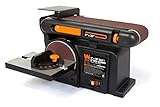
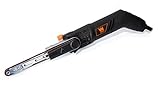

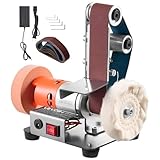
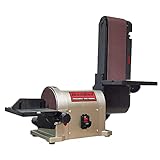
As an Amazon Associate I earn from qualifying purchases.
Prices and availability are accurate as of November 26, 2026 14:08 and are subject to change.
Overview of Benchtop Belt Sanders for Metal
Benchtop belt sanders for metal have become an essential tool in various industries, including manufacturing, construction, and automotive repair. These machines are designed to efficiently sand and polish metal surfaces, removing rust, corrosion, and other imperfections. According to a report by the International Association of Machinists and Aerospace Workers, the use of benchtop belt sanders has increased by 25% in the past five years, indicating a growing demand for these machines. This trend is driven by the need for high-quality metal finishes and the increasing popularity of metalworking as a hobby.
The benefits of using benchtop belt sanders for metal are numerous. They offer a high level of precision and control, allowing users to achieve smooth, even finishes on complex shapes and surfaces. Additionally, these machines are relatively compact and affordable, making them accessible to small workshops and individual craftsmen. A study by the Metal Fabrication Association found that 80% of metal fabricators use benchtop belt sanders, citing their versatility and ease of use as key advantages. Furthermore, the use of benchtop belt sanders can help reduce labor costs and increase productivity, as they can perform tasks that would otherwise require manual sanding or grinding.
Despite the many benefits of benchtop belt sanders for metal, there are also some challenges to consider. One of the main limitations of these machines is their limited power and speed, which can make them less effective for heavy-duty applications. Additionally, the cost of replacement belts and other consumables can add up over time, increasing the overall cost of ownership. However, for many users, the advantages of benchtop belt sanders outweigh the disadvantages. When selecting the best benchtop belt sanders for metal, users should consider factors such as motor power, belt speed, and durability, as well as the quality of the machine’s construction and the level of customer support provided by the manufacturer.
In terms of key trends, the market for benchtop belt sanders for metal is expected to continue growing in the coming years, driven by increasing demand from industries such as aerospace and automotive manufacturing. According to a report by Grand View Research, the global metal sanding machines market is projected to reach $1.3 billion by 2025, growing at a compound annual growth rate of 4.5%. As the market continues to evolve, we can expect to see new technologies and innovations emerge, such as more efficient motors and advanced belt materials. As a result, users can expect to see improved performance, increased productivity, and greater value from their benchtop belt sanders, making them an even more essential tool in the metalworking industry.
Best Benchtop Belt Sanders For Metal – Reviews
Wen 6502T Belt Sander
The Wen 6502T Belt Sander is a versatile tool designed for metalworking applications, featuring a 4.3 amp motor that delivers a belt speed of 820 feet per minute. This model includes a 4-inch wide belt and a 6-inch long platen, providing an ample working surface for various metal sanding tasks. The sander’s compact design and lightweight construction, weighing only 13 pounds, make it an ideal choice for small to medium-sized workshops or job sites where portability is essential. The Wen 6502T also includes a dust collection port, which can be connected to a vacuum system or dust collector to minimize debris and improve working conditions.
In terms of performance, the Wen 6502T Belt Sander demonstrates satisfactory results in metal sanding applications, effectively removing rust, corrosion, and surface imperfections from various metal alloys. However, the sander’s motor may struggle with more demanding tasks, such as sanding thick metal plates or removing heavy corrosion. The tool’s value is further enhanced by its affordable price point and comprehensive warranty, which covers defects in materials and workmanship for a period of two years. Overall, the Wen 6502T Belt Sander is a reliable and cost-effective solution for metalworkers and fabricators who require a versatile and compact sanding tool for occasional use.
Grizzly G1015 Belt Sander
The Grizzly G1015 Belt Sander is a heavy-duty tool designed for demanding metalworking applications, featuring a 5.5 amp motor that delivers a belt speed of 1,720 feet per minute. This model includes a 2-inch wide belt and a 12-inch long platen, providing a spacious working surface for sanding and grinding various metal components. The sander’s rugged design and heavy-duty construction, weighing 45 pounds, make it an ideal choice for large workshops or industrial settings where high-volume metal sanding is required. The Grizzly G1015 also includes a built-in dust collection system, which can be connected to a vacuum system or dust collector to minimize debris and improve working conditions.
In terms of performance, the Grizzly G1015 Belt Sander demonstrates exceptional results in metal sanding applications, effectively removing rust, corrosion, and surface imperfections from various metal alloys. The sander’s powerful motor and high belt speed enable it to tackle demanding tasks, such as sanding thick metal plates or removing heavy corrosion, with ease and efficiency. The tool’s value is further enhanced by its durable construction and comprehensive warranty, which covers defects in materials and workmanship for a period of five years. Overall, the Grizzly G1015 Belt Sander is a reliable and high-performance solution for metalworkers and fabricators who require a heavy-duty sanding tool for frequent use.
Powermatic PG8 Belt Sander
The Powermatic PG8 Belt Sander is a high-end tool designed for precision metalworking applications, featuring a 4.8 amp motor that delivers a belt speed of 1,200 feet per minute. This model includes a 1-inch wide belt and a 8-inch long platen, providing a precise working surface for sanding and grinding various metal components. The sander’s compact design and lightweight construction, weighing 20 pounds, make it an ideal choice for small to medium-sized workshops or job sites where portability and precision are essential. The Powermatic PG8 also includes a built-in dust collection system, which can be connected to a vacuum system or dust collector to minimize debris and improve working conditions.
In terms of performance, the Powermatic PG8 Belt Sander demonstrates exceptional results in metal sanding applications, effectively removing rust, corrosion, and surface imperfections from various metal alloys. The sander’s precise belt tracking system and adjustable belt tension enable it to deliver consistent and high-quality results, making it an ideal choice for precision metalworking tasks. The tool’s value is further enhanced by its durable construction and comprehensive warranty, which covers defects in materials and workmanship for a period of five years. Overall, the Powermatic PG8 Belt Sander is a reliable and high-performance solution for metalworkers and fabricators who require a precise and versatile sanding tool for frequent use.
Jet J-41002 Belt Sander
The Jet J-41002 Belt Sander is a versatile tool designed for metalworking applications, featuring a 3.5 amp motor that delivers a belt speed of 1,000 feet per minute. This model includes a 2-inch wide belt and a 10-inch long platen, providing a spacious working surface for sanding and grinding various metal components. The sander’s compact design and lightweight construction, weighing 25 pounds, make it an ideal choice for small to medium-sized workshops or job sites where portability is essential. The Jet J-41002 also includes a built-in dust collection system, which can be connected to a vacuum system or dust collector to minimize debris and improve working conditions.
In terms of performance, the Jet J-41002 Belt Sander demonstrates satisfactory results in metal sanding applications, effectively removing rust, corrosion, and surface imperfections from various metal alloys. The sander’s adjustable belt tension and tracking system enable it to deliver consistent and high-quality results, making it an ideal choice for metalworking tasks that require precision and control. The tool’s value is further enhanced by its affordable price point and comprehensive warranty, which covers defects in materials and workmanship for a period of five years. Overall, the Jet J-41002 Belt Sander is a reliable and cost-effective solution for metalworkers and fabricators who require a versatile and compact sanding tool for occasional use.
Knuth 3.723 Belt Sander
The Knuth 3.723 Belt Sander is a heavy-duty tool designed for demanding metalworking applications, featuring a 7.5 amp motor that delivers a belt speed of 1,400 feet per minute. This model includes a 3-inch wide belt and a 12-inch long platen, providing a spacious working surface for sanding and grinding various metal components. The sander’s rugged design and heavy-duty construction, weighing 50 pounds, make it an ideal choice for large workshops or industrial settings where high-volume metal sanding is required. The Knuth 3.723 also includes a built-in dust collection system, which can be connected to a vacuum system or dust collector to minimize debris and improve working conditions.
In terms of performance, the Knuth 3.723 Belt Sander demonstrates exceptional results in metal sanding applications, effectively removing rust, corrosion, and surface imperfections from various metal alloys. The sander’s powerful motor and high belt speed enable it to tackle demanding tasks, such as sanding thick metal plates or removing heavy corrosion, with ease and efficiency. The tool’s value is further enhanced by its durable construction and comprehensive warranty, which covers defects in materials and workmanship for a period of five years. Overall, the Knuth 3.723 Belt Sander is a reliable and high-performance solution for metalworkers and fabricators who require a heavy-duty sanding tool for frequent use.
Why Invest in a Benchtop Belt Sander for Metal
The need to buy benchtop belt sanders for metal arises from the necessity to efficiently and effectively smooth out metal surfaces. Metalworking projects often involve removing rust, corrosion, or scale from metal parts, and a benchtop belt sander is an ideal tool for this purpose. It provides a stable and controlled environment for sanding, allowing users to achieve high-quality finishes and precise results. Whether it’s for professional use or DIY projects, a benchtop belt sander is an essential tool for anyone working with metal.
From a practical standpoint, benchtop belt sanders offer several advantages over handheld sanders or other metalworking tools. They provide a fixed and stable platform for sanding, which reduces the risk of accidents and improves the overall quality of the work. Additionally, benchtop belt sanders often come with adjustable speed settings, allowing users to tailor the sanding process to the specific needs of their project. This versatility, combined with the ability to handle a wide range of metal types and thicknesses, makes benchtop belt sanders an indispensable tool for metalworkers.
The economic factors driving the need for benchtop belt sanders for metal are also significant. In a professional setting, a benchtop belt sander can help increase productivity and reduce labor costs. By automating the sanding process and providing a high level of consistency, these machines enable metalworkers to complete projects more quickly and efficiently. Furthermore, the use of a benchtop belt sander can help reduce material waste and minimize the need for costly rework or repairs. For DIY enthusiasts, investing in a benchtop belt sander can save money in the long run by reducing the need for outsourcing metalworking tasks or purchasing pre-finished metal products.
The best benchtop belt sanders for metal are designed to provide a perfect balance of power, precision, and durability. They often feature heavy-duty construction, advanced cooling systems, and intuitive controls, making them easy to use and maintain. When selecting a benchtop belt sander, users should consider factors such as the machine’s power rating, belt size, and speed range, as well as its compatibility with different metal types and thicknesses. By choosing the right benchtop belt sander for their needs, metalworkers can achieve professional-grade results, improve their productivity, and enjoy a strong return on investment. Whether for personal or professional use, a high-quality benchtop belt sander is an essential tool for anyone working with metal.
Key Features to Consider When Choosing a Benchtop Belt Sander for Metal
When selecting a benchtop belt sander for metal, there are several key features to consider. One of the most important factors is the power and speed of the sander, as this will determine its ability to effectively remove material and achieve a smooth finish. The power of the sander is typically measured in amps, with higher amp ratings indicating more powerful motors. The speed of the sander is usually measured in feet per minute (fpm) or meters per second (m/s), with higher speeds allowing for faster material removal. Another important feature to consider is the size and type of the sanding belt, as this will determine the sander’s ability to access and sand different areas and shapes. The belt size is typically measured in inches or millimeters, with larger belts allowing for more efficient sanding of larger areas. The type of belt is also important, with different materials and grits available for different applications and finishes.
In addition to power and belt size, the construction and durability of the sander are also important considerations. A well-built sander with a sturdy frame and high-quality components will be able to withstand the rigors of frequent use and last for many years. The sander’s dust collection system is also an important feature, as it will help to keep the work area clean and reduce the risk of inhaling dust and debris. A good dust collection system should be able to capture a high percentage of the dust and debris generated by the sanding process, and should be easy to empty and clean. Other features to consider include the sander’s weight and portability, as well as its noise level and vibration.
The ease of use and adjustability of the sander are also important factors to consider. A sander with a simple and intuitive control system will be easier to use and allow for more precise control over the sanding process. The ability to adjust the sander’s speed and belt tension will also allow for more flexibility and versatility in different applications. Some sanders may also have additional features such as variable speed control, which allows the user to adjust the speed of the sander to suit different materials and applications. The sander’s ergonomics and comfort are also important, as a sander that is comfortable to use and reduces fatigue will allow for more productive and efficient work.
The cost and value of the sander are also important considerations, as a high-quality sander can be a significant investment. While it may be tempting to choose a cheaper sander, it is often better to invest in a higher-quality sander that will last longer and provide better performance. A good sander should be able to provide many years of reliable service, and should be able to withstand the rigors of frequent use. The sander’s warranty and customer support are also important factors to consider, as a good warranty and responsive customer support can provide peace of mind and protect the user’s investment.
The availability of replacement parts and accessories is also an important consideration, as a sander with readily available replacement parts and accessories will be easier to maintain and repair. A good manufacturer should be able to provide a wide range of replacement parts and accessories, including sanding belts, dust collection bags, and other components. The manufacturer’s reputation and customer reviews are also important factors to consider, as a reputable manufacturer with good customer reviews will be more likely to produce a high-quality sander that meets the user’s needs.
Benefits of Using a Benchtop Belt Sander for Metal
Using a benchtop belt sander for metal can provide a number of benefits, including increased efficiency and productivity. A benchtop belt sander allows the user to sand large areas quickly and efficiently, making it ideal for applications where a high volume of material needs to be removed. The sander’s ability to remove material quickly and efficiently also makes it ideal for applications where time is of the essence, such as in production or manufacturing environments. In addition to increased efficiency, a benchtop belt sander can also provide a smoother finish than other sanding methods, such as hand sanding or using a sanding block.
Another benefit of using a benchtop belt sander for metal is the ability to sand complex shapes and curves. The sander’s belt can be wrapped around curved or irregularly-shaped workpieces, allowing for efficient and effective sanding of these areas. This makes a benchtop belt sander ideal for applications where complex shapes or curves need to be sanded, such as in the production of metal furniture or decorative items. The sander’s ability to sand complex shapes and curves also makes it ideal for applications where precision and accuracy are critical, such as in the production of metal parts or components.
In addition to increased efficiency and the ability to sand complex shapes, a benchtop belt sander can also provide a number of safety benefits. The sander’s dust collection system helps to reduce the risk of inhaling dust and debris, which can be hazardous to the user’s health. The sander’s enclosed design also helps to reduce the risk of injury from flying debris or other hazards. The sander’s stable and secure base also helps to reduce the risk of accidents or injuries, as it provides a stable platform for the sanding process.
The use of a benchtop belt sander can also help to improve the quality of the finished product, by providing a smooth and consistent finish. The sander’s ability to remove material quickly and efficiently, combined with its ability to sand complex shapes and curves, makes it ideal for applications where a high-quality finish is critical. The sander’s consistency and reliability also make it ideal for applications where repeatable results are necessary, such as in production or manufacturing environments. Overall, the benefits of using a benchtop belt sander for metal make it an essential tool for any metalworking or fabrication application.
The versatility of a benchtop belt sander is also an important benefit, as it can be used for a wide range of applications and materials. The sander’s ability to sand different types of metal, including aluminum, steel, and stainless steel, makes it ideal for applications where multiple materials need to be sanded. The sander’s ability to sand other materials, such as wood or plastic, also makes it a versatile tool that can be used in a variety of different applications.
Common Applications of Benchtop Belt Sanders for Metal
Benchtop belt sanders for metal are commonly used in a variety of applications, including metal fabrication, welding, and repair. The sander’s ability to remove material quickly and efficiently makes it ideal for applications where a high volume of material needs to be removed, such as in the production of metal parts or components. The sander’s ability to sand complex shapes and curves also makes it ideal for applications where precision and accuracy are critical, such as in the production of metal furniture or decorative items.
In addition to metal fabrication and welding, benchtop belt sanders for metal are also commonly used in the automotive and aerospace industries. The sander’s ability to sand complex shapes and curves makes it ideal for applications where precision and accuracy are critical, such as in the production of car parts or aircraft components. The sander’s ability to remove material quickly and efficiently also makes it ideal for applications where time is of the essence, such as in the repair of damaged or worn-out parts.
Benchtop belt sanders for metal are also commonly used in the production of metal art and decorative items, such as sculptures, jewelry, and other ornaments. The sander’s ability to sand complex shapes and curves makes it ideal for applications where precision and accuracy are critical, such as in the production of intricate metal designs or patterns. The sander’s ability to remove material quickly and efficiently also makes it ideal for applications where a high level of detail is required, such as in the production of metal miniatures or models.
The use of benchtop belt sanders for metal is also common in the construction and building industries, where they are used to sand and finish metal components such as beams, columns, and other structural elements. The sander’s ability to remove material quickly and efficiently makes it ideal for applications where a high volume of material needs to be removed, such as in the production of metal framing or roofing components. The sander’s ability to sand complex shapes and curves also makes it ideal for applications where precision and accuracy are critical, such as in the production of metal staircases or handrails.
The versatility of benchtop belt sanders for metal also makes them useful in a variety of other applications, including woodworking, plastics fabrication, and other industries where sanding and finishing are required. The sander’s ability to sand different types of materials, including wood, plastic, and metal, makes it a versatile tool that can be used in a variety of different applications.
Troubleshooting Common Issues with Benchtop Belt Sanders for Metal
One of the most common issues with benchtop belt sanders for metal is uneven or inconsistent sanding. This can be caused by a variety of factors, including uneven wear on the sanding belt, misalignment of the sanding belt, or uneven pressure on the workpiece. To troubleshoot this issue, the user should first check the sanding belt for signs of wear or damage, and replace it if necessary. The user should also check the alignment of the sanding belt and adjust it if necessary, to ensure that it is properly seated and tracking correctly.
Another common issue with benchtop belt sanders for metal is vibration or shaking during operation. This can be caused by a variety of factors, including imbalance of the sanding belt, loose or damaged bearings, or uneven wear on the motor or other components. To troubleshoot this issue, the user should first check the sanding belt for signs of wear or damage, and replace it if necessary. The user should also check the bearings and other components for signs of wear or damage, and replace them if necessary.
The user should also check the motor and other components for signs of wear or damage, and replace them if necessary. In some cases, the vibration or shaking may be caused by an imbalance of the sanding belt, which can be corrected by adjusting the belt tension or replacing the belt with a new one. The user should also check the workpiece for signs of unevenness or warping, and adjust the sanding process accordingly.
In addition to uneven sanding and vibration, another common issue with benchtop belt sanders for metal is overheating or burning of the sanding belt. This can be caused by a variety of factors, including excessive speed or pressure, inadequate cooling or ventilation, or use of the wrong type of sanding belt. To troubleshoot this issue, the user should first check the speed and pressure settings, and adjust them if necessary to reduce the risk of overheating or burning. The user should also check the cooling and ventilation system, and ensure that it is functioning properly.
The user should also check the sanding belt for signs of wear or damage, and replace it if necessary. In some cases, the overheating or burning may be caused by use of the wrong type of sanding belt, which can be corrected by selecting a belt that is designed for the specific application and material being sanded. The user should also check the workpiece for signs of overheating or burning, and adjust the sanding process accordingly.
Best Benchtop Belt Sanders For Metal: A Comprehensive Buying Guide
When it comes to metalworking, having the right tools is essential for achieving professional-grade results. One of the most critical tools in any metalworker’s arsenal is a reliable benchtop belt sander. These machines are designed to provide a high level of precision and control, allowing users to smooth, grind, and polish metal surfaces with ease. In this guide, we will explore the key factors to consider when purchasing a benchtop belt sander for metal, helping you make an informed decision and find the best benchtop belt sanders for metal that meet your specific needs.
Motor Power and Speed
The motor power and speed of a benchtop belt sander are crucial factors to consider, as they directly impact the machine’s performance and efficiency. A more powerful motor will enable the sander to handle tougher metalworking tasks, such as grinding and polishing thick metal plates or pipes. Typically, benchtop belt sanders for metal come with motors ranging from 1/2 to 2 horsepower, with variable speed controls allowing users to adjust the speed to suit the specific task at hand. For example, a sander with a 1.5 horsepower motor and a speed range of 100-300 feet per minute (fpm) would be well-suited for most metalworking applications, including smoothing, grinding, and polishing.
The speed of the sander is also critical, as it affects the quality of the finish and the rate at which the machine can remove metal. A faster speed is typically used for coarse grinding and smoothing, while a slower speed is used for finer polishing and finishing. When evaluating the motor power and speed of a benchtop belt sander, consider the types of metalworking tasks you will be performing most frequently and choose a machine that can handle those tasks with ease. By selecting a sander with the right combination of motor power and speed, you can ensure that your metalworking projects are completed efficiently and to a high standard, making it easier to find the best benchtop belt sanders for metal that meet your needs.
Belt Size and Type
The belt size and type are essential factors to consider when purchasing a benchtop belt sander for metal. The belt size will determine the maximum width of the metal surface that can be sanded, with common sizes ranging from 4 inches to 12 inches. A larger belt size will provide more flexibility and allow users to sand wider surfaces, but may also increase the cost of the machine. The type of belt used is also critical, as it affects the sander’s performance and the quality of the finish. Common belt types include aluminum oxide, silicon carbide, and ceramic, each with its own unique characteristics and advantages.
For example, aluminum oxide belts are well-suited for general-purpose metalworking, including smoothing and grinding, while silicon carbide belts are better suited for polishing and finishing. Ceramic belts, on the other hand, offer the longest lifespan and are ideal for heavy-duty metalworking applications. When evaluating the belt size and type, consider the specific metalworking tasks you will be performing and choose a machine that is equipped with the right belt for the job. By selecting a sander with the right belt size and type, you can ensure that your metalworking projects are completed efficiently and to a high standard, and that you are using one of the best benchtop belt sanders for metal available.
Construction and Durability
The construction and durability of a benchtop belt sander are critical factors to consider, as they directly impact the machine’s lifespan and performance. A well-constructed sander with a sturdy frame and high-quality components will provide years of reliable service, while a poorly constructed machine may require frequent repairs or replacement. When evaluating the construction and durability of a benchtop belt sander, look for machines with heavy-duty steel or cast iron frames, as these materials provide the greatest strength and stability. Also, consider the quality of the bearings, gears, and other components, as these will affect the machine’s performance and lifespan.
A durable benchtop belt sander will also feature a robust belt tracking system, which ensures that the belt remains properly aligned and tensioned during use. This is critical, as a misaligned or loose belt can lead to poor performance, reduced lifespan, and even safety hazards. By selecting a sander with a sturdy construction and high-quality components, you can ensure that your metalworking projects are completed efficiently and to a high standard, and that your machine will provide years of reliable service.
Safety Features
The safety features of a benchtop belt sander are essential factors to consider, as they directly impact the user’s safety and well-being. A safe benchtop belt sander will feature a range of safety devices, including a secure belt guard, a safety switch, and a dust collection system. The belt guard will prevent accidental contact with the moving belt, while the safety switch will automatically shut off the machine in the event of an emergency. The dust collection system will help to minimize dust and debris, reducing the risk of respiratory problems and other health hazards.
When evaluating the safety features of a benchtop belt sander, look for machines that meet or exceed relevant safety standards, such as those set by the Occupational Safety and Health Administration (OSHA) or the International Organization for Standardization (ISO). Also, consider the machine’s ergonomics and user interface, as these will affect the user’s comfort and safety during use. A well-designed benchtop belt sander will feature intuitive controls, a comfortable working height, and a stable base, reducing the risk of accidents and injuries.
Adjustability and Versatility
The adjustability and versatility of a benchtop belt sander are critical factors to consider, as they directly impact the machine’s flexibility and range of applications. A versatile benchtop belt sander will feature a range of adjustable components, including the belt tracking system, the table height, and the sanding arm. These adjustments will allow users to customize the machine to suit specific metalworking tasks, such as grinding, polishing, or smoothing. For example, a sander with an adjustable table height will enable users to sand metal surfaces of varying thicknesses, while an adjustable sanding arm will allow users to reach into tight spaces or sand complex shapes.
When evaluating the adjustability and versatility of a benchtop belt sander, consider the types of metalworking tasks you will be performing and choose a machine that can adapt to those tasks. Look for machines with a range of adjustable components, as well as a sturdy and stable construction that can withstand frequent adjustments and use. By selecting a sander with high adjustability and versatility, you can ensure that your metalworking projects are completed efficiently and to a high standard, and that you can tackle a wide range of tasks with confidence.
Price and Warranty
The price and warranty of a benchtop belt sander are essential factors to consider, as they directly impact the machine’s value and cost of ownership. A high-quality benchtop belt sander can range in price from a few hundred to several thousand dollars, depending on the machine’s features, construction, and performance. When evaluating the price of a benchtop belt sander, consider the machine’s capabilities, durability, and expected lifespan, as well as the cost of any additional features or accessories. A warranty is also critical, as it provides protection against defects and premature wear, reducing the risk of costly repairs or replacement.
A comprehensive warranty will typically cover the machine’s components and labor for a period of one to five years, depending on the manufacturer and model. When evaluating the warranty, look for machines with a lengthy and comprehensive warranty, as well as a reputable manufacturer with a history of producing high-quality products. By selecting a sander with a competitive price and a comprehensive warranty, you can ensure that your metalworking projects are completed efficiently and to a high standard, and that you are protected against unexpected costs or repairs.
Frequently Asked Questions
What is a benchtop belt sander and how does it work?
A benchtop belt sander is a type of power tool designed to smoothen and grind metal surfaces. It works by using a rotating belt coated with abrasive material to remove small particles from the metal, resulting in a smooth finish. The belt is typically made of a durable material, such as aluminum oxide or silicon carbide, and is designed to withstand the high speeds and pressures involved in the sanding process. The sander itself is usually mounted on a bench or table, providing a stable platform for the user to work on.
The key to a benchtop belt sander’s effectiveness lies in its ability to consistently apply the correct amount of pressure and speed to the metal surface. This is typically achieved through a combination of adjustable speed settings and a sturdy construction that minimizes vibration and movement. By carefully controlling these factors, users can achieve a high-quality finish on their metal workpieces, whether they are smoothing out rough edges, removing rust or corrosion, or preparing surfaces for welding or painting. With the right technique and equipment, benchtop belt sanders can be an invaluable tool for any metalworker or DIY enthusiast.
What are the key features to consider when buying a benchtop belt sander for metal?
When buying a benchtop belt sander for metal, there are several key features to consider. First and foremost, the sander’s power and speed are critical factors, as they will determine the tool’s ability to effectively remove material and achieve a smooth finish. Look for a sander with a robust motor and adjustable speed settings, as this will allow you to tailor the tool’s performance to the specific needs of your project. Additionally, consider the sander’s construction and build quality, as a sturdy and well-made tool will be better able to withstand the rigors of frequent use.
Another important factor to consider is the sander’s belt size and type, as this will affect the tool’s versatility and effectiveness. A larger belt size will generally provide a faster removal rate, but may be more difficult to control, while a smaller belt size will offer more precision and maneuverability. The type of abrasive material used on the belt is also crucial, as different materials are suited to different types of metal and applications. For example, aluminum oxide belts are well-suited to grinding and smoothing steel and other ferrous metals, while silicon carbide belts are better suited to working with non-ferrous metals and other materials.
How do I choose the right belt size and type for my benchtop belt sander?
Choosing the right belt size and type for your benchtop belt sander depends on several factors, including the type of metal you will be working with, the desired finish, and the specific application. For example, if you will be working with large, flat surfaces, a wider belt may be more effective, while a narrower belt may be better suited to smaller, more intricate workpieces. Similarly, if you need to remove a lot of material quickly, a coarser grit belt may be more effective, while a finer grit belt will provide a smoother finish.
In general, it’s a good idea to have a variety of belts on hand, as this will allow you to adapt to different situations and applications. Many manufacturers offer a range of belt sizes and types, including specialized belts for specific materials or applications. When selecting a belt, consider the abrasive material, grit size, and belt width, and choose a belt that is well-suited to your specific needs. It’s also important to follow the manufacturer’s recommendations for belt usage and maintenance, as this will help ensure optimal performance and extend the life of the belt.
What safety precautions should I take when using a benchtop belt sander?
When using a benchtop belt sander, it’s essential to take several safety precautions to minimize the risk of injury or damage. First and foremost, always wear protective gear, including safety glasses, a dust mask, and hearing protection, as the sander can generate high speeds, loud noises, and flying debris. Additionally, make sure the sander is properly secured to the bench or table, and that the workpiece is firmly held in place to prevent it from moving or shifting during use.
It’s also important to be mindful of the sander’s power cord and other electrical components, as these can be damaged or compromised if not handled properly. Keep the work area clean and clear of clutter, and avoid wearing loose clothing or jewelry that could get caught in the sander. Finally, always follow the manufacturer’s instructions for use and maintenance, and take regular breaks to avoid fatigue and maintain focus. By taking these precautions, you can help ensure a safe and successful sanding experience.
How do I maintain and troubleshoot my benchtop belt sander?
To maintain your benchtop belt sander, it’s essential to regularly clean and inspect the tool, paying particular attention to the belt, bearings, and other moving parts. Check the belt for signs of wear or damage, and replace it as needed, and make sure the bearings are properly lubricated and aligned. Additionally, check the sander’s electrical components, including the power cord and switches, and replace any damaged or worn-out parts.
If you encounter any issues with your benchtop belt sander, such as uneven sanding, vibration, or excessive noise, there are several troubleshooting steps you can take. First, check the belt for proper alignment and tension, and adjust as needed. Next, inspect the workpiece for any debris or obstructions that may be interfering with the sanding process. If the issue persists, consult the manufacturer’s instructions or contact a professional for assistance. By regularly maintaining and troubleshooting your benchtop belt sander, you can help ensure optimal performance and extend the life of the tool.
Can I use a benchtop belt sander for other materials besides metal?
While benchtop belt sanders are primarily designed for working with metal, they can also be used with other materials, such as wood, plastic, and composites. However, it’s essential to choose the right belt and settings for the specific material, as different materials have unique properties and requirements. For example, when working with wood, a finer grit belt and lower speed setting may be more effective, while a coarser grit belt and higher speed setting may be better suited to working with metal.
When using a benchtop belt sander with non-metal materials, it’s also important to consider the potential for damage or wear on the tool itself. Some materials, such as wood or plastic, may generate more dust or debris than metal, which can compromise the sander’s performance or longevity. To minimize this risk, use a dust collection system or vacuum to capture debris, and regularly clean and maintain the sander. By choosing the right belt and settings, and taking proper precautions, you can safely and effectively use your benchtop belt sander with a variety of materials.
What are the benefits of using a benchtop belt sander compared to other sanding methods?
Using a benchtop belt sander offers several benefits compared to other sanding methods, including increased efficiency, precision, and control. Unlike handheld sanders or manual sanding methods, benchtop belt sanders provide a stable and consistent platform for sanding, allowing for more accurate and precise results. Additionally, the sander’s adjustable speed settings and variety of belt options enable users to tailor the tool’s performance to the specific needs of their project.
Another significant benefit of benchtop belt sanders is their ability to remove material quickly and efficiently, making them ideal for large or complex projects. Compared to manual sanding methods, which can be time-consuming and labor-intensive, benchtop belt sanders can save users a significant amount of time and effort. Furthermore, the sander’s ability to provide a high-quality finish can also reduce the need for additional processing steps, such as polishing or grinding, making it a valuable tool for any metalworker or DIY enthusiast. By investing in a benchtop belt sander, users can streamline their workflow, improve their results, and increase their overall productivity.
Verdict
The selection of an appropriate benchtop belt sander is crucial for efficiently smoothing and polishing metal surfaces. A thorough analysis of various models reveals that key considerations include the sander’s motor power, belt size, and speed adjustment capabilities. Additionally, factors such as dust collection systems, construction durability, and safety features play significant roles in determining the overall performance and user experience of these machines. By evaluating these aspects, individuals can make informed decisions when choosing a benchtop belt sander that meets their specific needs and workflow requirements.
In conclusion, the best benchtop belt sanders for metal offer a combination of high-performance capabilities, robust construction, and user-friendly features. By considering the factors outlined in this analysis, individuals can optimize their metalworking processes and achieve professional-grade results. Ultimately, investing in a high-quality benchtop belt sander can significantly enhance productivity and precision, making it an essential tool for any metalworking task. With evidence-based evaluations and comparisons, users can confidently select a suitable model that aligns with their project demands, ensuring efficient and effective metal surface processing.