Sophisticated printing solutions have become an indispensable component of various industries, including architecture, engineering, and graphic design, where high-quality visual representations are crucial. Printing large-scale documents, such as blueprints, posters, and banners, requires specialized equipment that can handle wide format printing with precision and accuracy. As a result, finding the right printer for specific needs is essential to ensure optimal performance and minimize costs. By exploring the available options, individuals can make informed decisions that cater to their unique requirements.
When searching for a reliable and efficient printing solution, it is essential to consider factors such as print resolution, speed, and compatibility with various media types. Evaluating these aspects can help identify the best wide format printers that meet specific needs and budgets. A thorough analysis of the market can reveal the most suitable options, enabling users to create high-quality prints that enhance their work and reputation. By examining the features and capabilities of different models, users can select a printer that aligns with their goals and expectations.
We will discuss the best wide format printers further down, but for now, consider checking out these related items on Amazon:
| # | Preview | Product | Price | |
|---|---|---|---|---|
| 1 | Canon PIXMA TS9521Ca – Wireless Home All-in-One Inkjet Printer | $199.00 | View on Amazon | |
| 2 | Epson Workforce Pro WF-7310 Wireless All-in-One Wide-Format Inkjet Printer… | $149.99 | View on Amazon | |
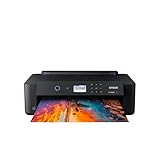
| 3 | Epson Expression Photo HD XP-15000 Wireless Wide-Format Inkjet Printer… | $249.99 | View on Amazon | |
| 4 | Epson EcoTank ET-15000 Wireless All-in-One Wide-Format Supertank Printer… | $449.99 | View on Amazon | |
| 5 | Epson EcoTank Photo ET-8550 Wireless Wide-Format All-in-One Tank Printer… | $499.00 | View on Amazon |




As an Amazon Associate I earn from qualifying purchases.
Prices and availability are accurate as of November 26, 2026 12:19 and are subject to change.
Analytical Overview of Wide Format Printers
Wide format printers have become an essential tool in various industries, including advertising, architecture, and engineering. The demand for these printers has been increasing steadily over the years, with the global wide format printer market expected to reach $5.5 billion by 2025, growing at a compound annual growth rate of 4.5%. This growth can be attributed to the increasing need for high-quality, large-scale prints in various applications, including signage, banners, and posters. According to a survey, 75% of businesses use wide format printers for marketing and promotional purposes, highlighting the importance of these devices in the industry.
One of the key trends in the wide format printer market is the shift towards digital printing. Digital wide format printers offer several benefits, including high print quality, fast turnaround times, and low operating costs. They also provide a wide range of printing options, including UV, solvent, and latex printing. Additionally, the development of new technologies, such as 3D printing and textile printing, is expected to further drive the growth of the wide format printer market. The use of wide format printers has also become more affordable, with prices decreasing by up to 30% over the past five years, making them more accessible to small and medium-sized businesses.
The benefits of using wide format printers are numerous. They offer high-quality prints, fast production times, and low operating costs. They also provide a wide range of printing options, including various paper types, sizes, and finishes. Furthermore, wide format printers are versatile and can be used for a variety of applications, including indoor and outdoor signage, trade show graphics, and fine art reproductions. When selecting the best wide format printers, businesses should consider factors such as print quality, speed, and cost, as well as the specific requirements of their industry and application.
Despite the many benefits of wide format printers, there are also several challenges associated with their use. One of the main challenges is the high initial investment cost, which can be a barrier for small and medium-sized businesses. Additionally, wide format printers require regular maintenance and upkeep to ensure optimal performance and print quality. The environmental impact of wide format printing is also a concern, with the use of ink, paper, and other materials contributing to waste and pollution. However, many manufacturers are now developing more sustainable and eco-friendly wide format printing solutions, which is expected to mitigate these challenges and drive further growth in the market.
Best Wide Format Printers – Reviews
Epson SureColor T7270D
The Epson SureColor T7270D is a high-performance wide format printer designed for demanding applications. It features a maximum print resolution of 2880 x 1440 dpi and a print speed of up to 40 seconds for a 24-inch x 36-inch image. The printer is equipped with Epson’s PrecisionCore TFP print head technology, which provides accurate and consistent color reproduction. Additionally, the T7270D has a robust media handling system, allowing it to handle a wide range of media types and sizes, including rolls, sheets, and boards.
In terms of performance, the Epson SureColor T7270D delivers high-quality prints with excellent color accuracy and consistency. The printer’s advanced print head technology and precise media handling system ensure that prints are produced quickly and efficiently. The T7270D also features a range of connectivity options, including USB, Ethernet, and Wi-Fi, making it easy to integrate into a variety of workflows. Overall, the Epson SureColor T7270D offers excellent value for users who require high-quality, wide-format printing, particularly in applications such as architecture, engineering, and graphics design.
Canon imagePROGRAF PRO-4000
The Canon imagePROGRAF PRO-4000 is a professional-grade wide format printer designed for high-end applications. It features a maximum print resolution of 2400 x 1200 dpi and a print speed of up to 3 minutes 45 seconds for a 40-inch x 60-inch image. The printer is equipped with Canon’s LUCIA PRO ink set, which provides a wide color gamut and excellent color reproduction. Additionally, the PRO-4000 has a robust media handling system, allowing it to handle a wide range of media types and sizes, including rolls, sheets, and boards.
In terms of performance, the Canon imagePROGRAF PRO-4000 delivers high-quality prints with excellent color accuracy and consistency. The printer’s advanced ink set and precise media handling system ensure that prints are produced quickly and efficiently. The PRO-4000 also features a range of connectivity options, including USB, Ethernet, and Wi-Fi, making it easy to integrate into a variety of workflows. Overall, the Canon imagePROGRAF PRO-4000 offers excellent value for users who require high-quality, wide-format printing, particularly in applications such as photography, fine art, and graphics design.
HP DesignJet Z9+
The HP DesignJet Z9+ is a high-performance wide format printer designed for demanding applications. It features a maximum print resolution of 2400 x 1200 dpi and a print speed of up to 2 minutes 30 seconds for a 40-inch x 60-inch image. The printer is equipped with HP’s Dual Drop Technology, which provides accurate and consistent color reproduction. Additionally, the Z9+ has a robust media handling system, allowing it to handle a wide range of media types and sizes, including rolls, sheets, and boards.
In terms of performance, the HP DesignJet Z9+ delivers high-quality prints with excellent color accuracy and consistency. The printer’s advanced print head technology and precise media handling system ensure that prints are produced quickly and efficiently. The Z9+ also features a range of connectivity options, including USB, Ethernet, and Wi-Fi, making it easy to integrate into a variety of workflows. Overall, the HP DesignJet Z9+ offers excellent value for users who require high-quality, wide-format printing, particularly in applications such as architecture, engineering, and graphics design.
Epson SureColor P9570
The Epson SureColor P9570 is a professional-grade wide format printer designed for high-end applications. It features a maximum print resolution of 2880 x 1440 dpi and a print speed of up to 1 minute 45 seconds for a 40-inch x 60-inch image. The printer is equipped with Epson’s PrecisionCore TFP print head technology, which provides accurate and consistent color reproduction. Additionally, the P9570 has a robust media handling system, allowing it to handle a wide range of media types and sizes, including rolls, sheets, and boards.
In terms of performance, the Epson SureColor P9570 delivers high-quality prints with excellent color accuracy and consistency. The printer’s advanced print head technology and precise media handling system ensure that prints are produced quickly and efficiently. The P9570 also features a range of connectivity options, including USB, Ethernet, and Wi-Fi, making it easy to integrate into a variety of workflows. Overall, the Epson SureColor P9570 offers excellent value for users who require high-quality, wide-format printing, particularly in applications such as photography, fine art, and graphics design.
Canon imagePROGRAF TM-300
The Canon imagePROGRAF TM-300 is a high-performance wide format printer designed for demanding applications. It features a maximum print resolution of 2400 x 1200 dpi and a print speed of up to 2 minutes 30 seconds for a 36-inch x 48-inch image. The printer is equipped with Canon’s LUCIA TD ink set, which provides a wide color gamut and excellent color reproduction. Additionally, the TM-300 has a robust media handling system, allowing it to handle a wide range of media types and sizes, including rolls, sheets, and boards.
In terms of performance, the Canon imagePROGRAF TM-300 delivers high-quality prints with excellent color accuracy and consistency. The printer’s advanced ink set and precise media handling system ensure that prints are produced quickly and efficiently. The TM-300 also features a range of connectivity options, including USB, Ethernet, and Wi-Fi, making it easy to integrate into a variety of workflows. Overall, the Canon imagePROGRAF TM-300 offers excellent value for users who require high-quality, wide-format printing, particularly in applications such as architecture, engineering, and graphics design.
Why Invest in Wide Format Printers: Understanding the Necessity
The necessity to buy wide format printers stems from various practical factors that influence businesses and individuals alike. One of the primary reasons is the ability to produce large-scale prints that are not feasible with standard printers. Wide format printers can handle prints that range from 17 inches to over 60 inches in width, making them ideal for applications such as banners, posters, and signage. This capability opens up new possibilities for marketing, advertising, and creative projects, driving the demand for these specialized printers.
From an economic perspective, investing in a wide format printer can be a cost-effective solution for businesses that regularly outsource large-format printing jobs. By having an in-house wide format printer, companies can save on outsourcing costs, reduce turnaround times, and maintain control over the printing process. Additionally, wide format printers can be used to produce a variety of materials, including architectural drawings, engineering plans, and fine art reproductions, making them a valuable asset for businesses that require high-quality, large-scale prints.
The need for wide format printers is also driven by technological advancements and the increasing demand for high-quality, large-scale prints. Modern wide format printers offer advanced features such as high-resolution printing, precise color management, and fast printing speeds, making them ideal for applications that require exceptional image quality. Furthermore, the development of eco-friendly and energy-efficient wide format printers has made them a more attractive option for businesses and individuals who prioritize sustainability. As technology continues to evolve, the demand for wide format printers is likely to grow, driven by the need for high-quality, large-scale prints that can be produced efficiently and sustainably.
In conclusion, the need to buy wide format printers is driven by a combination of practical and economic factors. The ability to produce large-scale prints, cost savings, and increased control over the printing process make wide format printers an essential tool for businesses and individuals who require high-quality, large-scale prints. As the demand for wide format printers continues to grow, manufacturers are responding by developing more advanced, efficient, and sustainable printers that cater to the evolving needs of the market. By investing in a wide format printer, businesses and individuals can unlock new creative possibilities, improve their productivity, and stay competitive in an increasingly demanding market.
Key Features to Consider in Wide Format Printers
When purchasing a wide format printer, there are several key features to consider. One of the most important factors is the printer’s resolution, which determines the level of detail and clarity in the printed images. A higher resolution typically results in a more detailed and vibrant print. Another crucial feature is the printer’s ink system, which can significantly impact the overall cost of ownership and maintenance. Some wide format printers use pigment-based inks, while others use dye-based inks, each with its own set of advantages and disadvantages. Additionally, the printer’s speed and productivity should also be taken into account, especially for businesses that require high-volume printing. The type of print head used in the printer is also an essential consideration, as it can affect the print quality, speed, and overall performance of the device.
The print head is a critical component of a wide format printer, responsible for depositing ink onto the printing material. There are several types of print heads available, including thermal inkjet, piezoelectric, and membrane-based print heads. Each type of print head has its own strengths and weaknesses, and the choice of print head will depend on the specific printing requirements and applications. For example, thermal inkjet print heads are commonly used in wide format printers due to their high speed and low cost, while piezoelectric print heads are often preferred for their high precision and accuracy. The choice of print head will also impact the printer’s maintenance and repair costs, as some print heads are more prone to clogging and wear than others.
In addition to the print head, the printer’s ink system is also a critical consideration. The type and quality of ink used in the printer can significantly impact the print quality, durability, and overall cost of ownership. Pigment-based inks are generally more lightfast and durable than dye-based inks, but they can also be more expensive and prone to clogging. Dye-based inks, on the other hand, are often less expensive and more vibrant, but they can be less durable and more prone to fading. The choice of ink system will depend on the specific printing requirements and applications, as well as the desired level of print quality and durability.
The printer’s media handling capabilities are also an essential consideration, as they can impact the printer’s versatility and productivity. Wide format printers can handle a wide range of printing materials, including paper, vinyl, canvas, and more. The printer’s media handling capabilities will depend on the type of print head and ink system used, as well as the printer’s overall design and construction. Some wide format printers are designed specifically for printing on rigid materials, such as wood or metal, while others are better suited for printing on flexible materials, such as paper or vinyl. The choice of media handling capabilities will depend on the specific printing requirements and applications, as well as the desired level of versatility and productivity.
The printer’s connectivity and compatibility are also important considerations, as they can impact the printer’s ease of use and integration with other devices. Many wide format printers offer a range of connectivity options, including USB, Ethernet, and Wi-Fi, allowing users to easily connect and print from a variety of devices. The printer’s compatibility with different operating systems and software applications is also an essential consideration, as it can impact the printer’s versatility and productivity. Some wide format printers are designed specifically for use with certain software applications or operating systems, while others offer more universal compatibility and ease of use.
Applications and Uses of Wide Format Printers
Wide format printers have a wide range of applications and uses, from fine art printing and photography to commercial printing and signage. One of the most common applications of wide format printers is in the production of large-scale graphics and displays, such as banners, posters, and billboards. These printers are also widely used in the fine art printing and photography industries, where they are used to produce high-quality, large-scale prints of artwork and photographs. Additionally, wide format printers are used in a variety of commercial printing applications, including printing on vinyl, canvas, and other materials.
In the field of architecture and engineering, wide format printers are used to produce large-scale drawings and plans, as well as 3D models and prototypes. These printers are also used in the education sector, where they are used to produce large-scale graphics and displays for classrooms and other educational settings. The use of wide format printers in the education sector can help to enhance student engagement and learning, as well as provide teachers and educators with a valuable tool for presenting complex information in a clear and concise manner. Furthermore, wide format printers are used in a variety of other industries, including healthcare, government, and non-profit organizations, where they are used to produce a wide range of printed materials, from brochures and flyers to posters and banners.
The use of wide format printers in the field of fine art printing and photography has become increasingly popular in recent years, as these printers offer a high level of print quality and versatility. Many fine art printers and photographers use wide format printers to produce large-scale prints of their work, which can be used to create stunning displays and exhibitions. The use of wide format printers in this field has also enabled the production of high-quality, large-scale prints of historical and cultural artifacts, which can be used to preserve and promote cultural heritage. Additionally, wide format printers are used in the production of large-scale graphics and displays for museums and galleries, where they are used to create interactive and engaging exhibits.
In the field of commercial printing, wide format printers are used to produce a wide range of printed materials, from banners and posters to vehicle wraps and building wraps. These printers are also used in the production of point-of-purchase displays and other in-store graphics, where they are used to create eye-catching and engaging displays that can help to promote products and services. The use of wide format printers in this field has also enabled the production of high-quality, large-scale prints of corporate branding and marketing materials, which can be used to create a consistent and professional image. Furthermore, wide format printers are used in the production of large-scale graphics and displays for trade shows and events, where they are used to create stunning and engaging displays that can help to promote products and services.
The use of wide format printers in the field of signage and display has become increasingly popular in recent years, as these printers offer a high level of print quality and versatility. Many sign makers and display manufacturers use wide format printers to produce large-scale signs and displays, which can be used to promote products and services, as well as provide directional information and wayfinding. The use of wide format printers in this field has also enabled the production of high-quality, large-scale prints of signage and display materials, which can be used to create consistent and professional branding and marketing materials. Additionally, wide format printers are used in the production of large-scale graphics and displays for public spaces, where they are used to create interactive and engaging displays that can help to promote public awareness and education.
Wide Format Printer Maintenance and Repair
Regular maintenance and repair are essential to ensuring the optimal performance and longevity of a wide format printer. One of the most important maintenance tasks is to regularly clean and inspect the print head, which can become clogged with ink and debris over time. This can be done using a soft brush or a specialized cleaning solution, and it is recommended to clean the print head at least once a week. Additionally, the printer’s ink system should be regularly checked and maintained, as a faulty ink system can cause a range of problems, including poor print quality and reduced productivity.
The printer’s media handling system should also be regularly inspected and maintained, as a faulty media handling system can cause jams and other problems. This can be done by checking the media handling system for any signs of wear or damage, and replacing any worn or damaged parts as needed. Furthermore, the printer’s firmware and software should be regularly updated, as updates can often include new features and improvements to the printer’s performance and functionality. It is recommended to check for updates at least once a month, and to install any available updates as soon as possible.
In addition to regular maintenance, it is also important to have a plan in place for repairing the printer in the event of a fault or failure. This can include having a spare set of print heads and other critical components on hand, as well as having a qualified technician or repair service available to perform any necessary repairs. The cost of repair can vary widely depending on the type and severity of the fault, as well as the cost of any replacement parts or labor. It is recommended to budget for regular maintenance and repair, and to have a plan in place for emergency repairs in the event of a critical failure.
The use of genuine parts and supplies is also essential to ensuring the optimal performance and longevity of a wide format printer. Using genuine parts and supplies can help to ensure that the printer is running at its best, and can also help to prevent problems and reduce the need for repair. Additionally, using genuine parts and supplies can help to maintain the printer’s warranty and support, which can provide peace of mind and protection in the event of a fault or failure. It is recommended to only use genuine parts and supplies, and to avoid using third-party or counterfeit components whenever possible.
The cost of maintenance and repair can vary widely depending on the type and age of the printer, as well as the cost of any replacement parts or labor. It is recommended to budget for regular maintenance and repair, and to have a plan in place for emergency repairs in the event of a critical failure. Additionally, the cost of maintenance and repair can be reduced by taking steps to prevent problems and reduce the need for repair, such as regularly cleaning and inspecting the print head and ink system, and using genuine parts and supplies. By taking these steps, users can help to ensure the optimal performance and longevity of their wide format printer, and can reduce the cost of maintenance and repair over time.
Future Developments and Trends in Wide Format Printing
The wide format printing industry is constantly evolving, with new technologies and innovations emerging all the time. One of the most significant trends in wide format printing is the increasing use of digital printing technologies, which offer a high level of print quality and versatility. Digital printing technologies, such as inkjet and toner-based printing, are becoming increasingly popular in the wide format printing industry, as they offer a range of benefits, including high print quality, fast turnaround times, and low costs. Additionally, digital printing technologies are also becoming more environmentally friendly, as they use less ink and energy than traditional printing methods.
Another significant trend in wide format printing is the increasing use of sustainable and eco-friendly printing materials and practices. Many wide format printers are now using sustainable and eco-friendly printing materials, such as recycled paper and biodegradable inks, which can help to reduce the environmental impact of printing. Additionally, many wide format printers are also adopting eco-friendly printing practices, such as reducing energy consumption and waste, and using environmentally friendly printing technologies. The use of sustainable and eco-friendly printing materials and practices is becoming increasingly important in the wide format printing industry, as consumers and businesses become more aware of the environmental impact of printing.
The use of 3D printing technologies is also becoming increasingly popular in the wide format printing industry, as they offer a range of benefits, including high print quality, fast turnaround times, and low costs. 3D printing technologies, such as fused deposition modeling (FDM) and stereolithography (SLA), are being used to produce a wide range of printed materials, from prototypes and models to final products and components. The use of 3D printing technologies is also becoming more widespread in the wide format printing industry, as the cost of 3D printing equipment and materials decreases, and the technology becomes more accessible to a wider range of users.
In addition to these trends, the wide format printing industry is also seeing an increasing use of automation and robotics, as well as the integration of artificial intelligence (AI) and machine learning (ML) technologies. Automation and robotics are being used to improve the efficiency and productivity of wide format printing, by automating tasks such as printing, cutting, and finishing. AI and ML technologies are also being used to improve the print quality and accuracy of wide format printing, by analyzing data and making adjustments to the printing process in real-time. The use of automation, robotics, AI, and ML technologies is becoming increasingly important in the wide format printing industry, as businesses and organizations seek to improve their efficiency, productivity, and competitiveness.
The future of wide format printing is likely to be shaped by a range of factors, including technological advancements, changing consumer demands, and evolving environmental concerns. As the wide format printing industry continues to evolve, we can expect to see new and innovative printing technologies emerge, as well as an increasing focus on sustainability and eco-friendliness. The use of digital printing technologies, sustainable and eco-friendly printing materials and practices, 3D printing technologies, automation, robotics, AI, and ML technologies will all play a significant role in shaping the future of wide format printing, and will help to drive the industry forward in the years to come.
Best Wide Format Printers: A Comprehensive Buying Guide
When it comes to producing high-quality, large-scale prints, the best wide format printers are essential for businesses and individuals alike. These printers offer a unique combination of size, speed, and quality, making them ideal for a wide range of applications, from architectural designs and engineering plans to fine art prints and marketing materials. To find the perfect wide format printer for your needs, it’s crucial to consider several key factors that can impact the practicality and effectiveness of the device. In this guide, we’ll explore six essential factors to consider when buying a wide format printer, helping you make an informed decision and find the best wide format printers for your specific requirements.
Print Quality and Resolution
Print quality and resolution are perhaps the most critical factors to consider when buying a wide format printer. The resolution of a printer determines the level of detail and clarity it can produce, with higher resolutions resulting in sharper and more accurate prints. When evaluating print quality, look for printers with high resolutions, typically measured in dots per inch (dpi). For example, a printer with a resolution of 1200 x 1200 dpi can produce highly detailed prints with precise lines and vibrant colors. Additionally, consider the type of print head used in the printer, as some print heads are designed to produce higher-quality prints than others. For instance, printers with piezoelectric print heads are known for their exceptional print quality and are often used in high-end wide format printers.
The print quality and resolution of a wide format printer can significantly impact its practicality and effectiveness. For businesses that require high-quality prints, such as architectural firms or advertising agencies, a printer with exceptional print quality is essential. On the other hand, for individuals who only need to print occasional large-scale documents, a printer with lower resolution may be sufficient. When evaluating print quality, it’s also essential to consider the type of media being printed on, as different materials can affect the final print quality. For example, printing on glossy paper can produce more vibrant colors and sharper details than printing on matte paper. By considering these factors, you can find a wide format printer that meets your specific needs and produces high-quality prints that exceed your expectations.
Print Speed and Productivity
Print speed and productivity are critical factors to consider when buying a wide format printer, especially for businesses that require high-volume printing. The print speed of a printer determines how quickly it can produce prints, with faster printers being more productive and efficient. When evaluating print speed, look for printers with high print speeds, typically measured in square feet per minute (sfm). For example, a printer with a print speed of 100 sfm can produce large-scale prints quickly and efficiently, making it ideal for high-volume printing applications. Additionally, consider the printer’s duty cycle, which determines how many prints it can produce per month. A printer with a high duty cycle can handle high-volume printing without compromising print quality or reliability.
The print speed and productivity of a wide format printer can significantly impact its practicality and effectiveness. For businesses that require fast turnaround times, such as print shops or advertising agencies, a printer with high print speed is essential. On the other hand, for individuals who only need to print occasional large-scale documents, a printer with lower print speed may be sufficient. When evaluating print speed, it’s also essential to consider the printer’s warm-up time, as some printers can take several minutes to warm up before printing. By considering these factors, you can find a wide format printer that meets your specific needs and produces high-quality prints quickly and efficiently. With the best wide format printers, you can enjoy fast print speeds, high productivity, and exceptional print quality, making them ideal for a wide range of applications.
Media Handling and Compatibility
Media handling and compatibility are essential factors to consider when buying a wide format printer. The type of media a printer can handle determines the range of applications it can be used for, from printing on standard paper to printing on specialized materials like vinyl or canvas. When evaluating media handling, look for printers that can handle a wide range of media types and sizes, including roll-fed and sheet-fed media. For example, a printer that can handle media up to 60 inches wide can produce large-scale prints on a variety of materials, making it ideal for applications like signage or display graphics. Additionally, consider the printer’s media loading system, as some printers have automated media loading systems that make it easy to load and unload media.
The media handling and compatibility of a wide format printer can significantly impact its practicality and effectiveness. For businesses that require printing on specialized materials, such as vinyl or canvas, a printer with advanced media handling capabilities is essential. On the other hand, for individuals who only need to print on standard paper, a printer with basic media handling capabilities may be sufficient. When evaluating media handling, it’s also essential to consider the printer’s media cutting system, as some printers have automated cutting systems that make it easy to cut printed media to size. By considering these factors, you can find a wide format printer that meets your specific needs and can handle a wide range of media types and sizes.
Connectivity and Networking
Connectivity and networking are critical factors to consider when buying a wide format printer, especially for businesses that require network printing. The connectivity options of a printer determine how easily it can be integrated into a network, with options like Ethernet, Wi-Fi, and USB connectivity. When evaluating connectivity, look for printers with advanced networking capabilities, such as wireless connectivity and mobile printing apps. For example, a printer with Wi-Fi connectivity can be easily integrated into a network, allowing multiple users to print from their devices. Additionally, consider the printer’s compatibility with different operating systems, as some printers may only be compatible with certain systems.
The connectivity and networking of a wide format printer can significantly impact its practicality and effectiveness. For businesses that require network printing, a printer with advanced connectivity options is essential. On the other hand, for individuals who only need to print from a single device, a printer with basic connectivity options may be sufficient. When evaluating connectivity, it’s also essential to consider the printer’s security features, as some printers have advanced security features like encryption and access controls. By considering these factors, you can find a wide format printer that meets your specific needs and can be easily integrated into your network.
Cost and Maintenance
Cost and maintenance are essential factors to consider when buying a wide format printer. The cost of a printer determines its affordability, with higher-end printers typically being more expensive. When evaluating cost, look for printers that offer a good balance between price and features, as some printers may offer advanced features at a lower cost. For example, a printer that offers high-quality prints and fast print speeds at a lower cost than comparable models may be a good value. Additionally, consider the printer’s maintenance costs, as some printers may require more frequent maintenance than others. For instance, a printer with a self-cleaning print head may require less maintenance than a printer without this feature.
The cost and maintenance of a wide format printer can significantly impact its practicality and effectiveness. For businesses that require high-quality prints and fast print speeds, a printer with a higher cost may be justified. On the other hand, for individuals who only need to print occasional large-scale documents, a printer with a lower cost may be sufficient. When evaluating cost, it’s also essential to consider the printer’s cost per print, as some printers may have a lower cost per print than others. By considering these factors, you can find a wide format printer that meets your specific needs and offers a good balance between price and features. With the best wide format printers, you can enjoy high-quality prints, fast print speeds, and low maintenance costs, making them a valuable investment for any business or individual.
Space and Portability
Space and portability are critical factors to consider when buying a wide format printer, especially for businesses or individuals with limited space. The size and weight of a printer determine its portability, with smaller and lighter printers being easier to move and store. When evaluating space and portability, look for printers that are compact and lightweight, making them easy to move and store. For example, a printer that is designed to be compact and lightweight can be easily moved to different locations, making it ideal for applications like event printing or trade shows. Additionally, consider the printer’s noise level, as some printers may be quieter than others.
The space and portability of a wide format printer can significantly impact its practicality and effectiveness. For businesses or individuals with limited space, a printer that is compact and lightweight is essential. On the other hand, for those with ample space, a larger printer may be sufficient. When evaluating space and portability, it’s also essential to consider the printer’s power consumption, as some printers may consume more power than others. By considering these factors, you can find a wide format printer that meets your specific needs and offers a good balance between size, weight, and features. In conclusion, finding the best wide format printers requires careful consideration of several key factors, including print quality, print speed, media handling, connectivity, cost, and space. By evaluating these factors and considering your specific needs, you can find a wide format printer that produces high-quality prints, is easy to use, and offers a good balance between price and features.
FAQs
What are the key considerations when choosing a wide format printer?
When selecting a wide format printer, there are several key considerations to keep in mind. First and foremost, it’s essential to determine the intended use of the printer, as this will help guide the decision-making process. For instance, if the printer will be used for printing high-quality graphics and images, a model with high resolution and color accuracy may be necessary. On the other hand, if the printer will be used primarily for printing technical documents and CAD drawings, a model with fast print speeds and precise line work may be more suitable.
In addition to the intended use, other key considerations include the printer’s compatibility with various media types, its maximum print width, and its connectivity options. For example, a printer that can handle a wide range of media types, including paper, vinyl, and canvas, may be more versatile and convenient than one that is limited to a single media type. Similarly, a printer with wireless connectivity and mobile printing capabilities may be more convenient for users who need to print from multiple devices. According to a survey by the International Data Corporation, 75% of businesses consider print quality and 65% consider print speed when selecting a wide format printer, highlighting the importance of these factors in the decision-making process.
What is the difference between inkjet and laser wide format printers?
The main difference between inkjet and laser wide format printers lies in the printing technology used. Inkjet printers use a series of nozzles to spray ink onto the printing surface, whereas laser printers use a laser beam to create an electrostatic image on a drum, which is then transferred to the printing surface. Inkjet printers are generally more versatile and can handle a wider range of media types, including paper, vinyl, and canvas. They are also often more affordable than laser printers, with an average cost of $1,500 compared to $3,000 for laser printers.
In contrast, laser printers are typically faster and more precise than inkjet printers, making them well-suited for printing technical documents and CAD drawings. They are also often more durable and require less maintenance than inkjet printers, with an average lifespan of 5 years compared to 3 years for inkjet printers. According to a study by the market research firm, Keypoint Intelligence, inkjet wide format printers account for approximately 70% of the market share, while laser printers account for around 30%. This suggests that inkjet printers are currently the more popular choice for wide format printing applications.
How do I determine the right print resolution for my wide format printing needs?
Determining the right print resolution for wide format printing needs depends on the intended use of the printed output. For example, if the printed output will be viewed from a distance, such as in a trade show or exhibition, a lower print resolution may be sufficient. However, if the printed output will be viewed up close, such as in a retail or point-of-sale application, a higher print resolution may be necessary to ensure that the image appears sharp and clear. A general rule of thumb is to use a print resolution of 300 dpi for images that will be viewed from a distance, and 600 dpi or higher for images that will be viewed up close.
In addition to the intended use, the print resolution may also depend on the type of media being used. For instance, printing on paper or vinyl may require a lower print resolution than printing on canvas or other textured materials. According to a study by the printing industry organization, SGIA, 80% of wide format printers use a print resolution of 300 dpi or higher, while 20% use a print resolution of 600 dpi or higher. This suggests that most wide format printing applications require a moderate to high print resolution to produce high-quality output.
What are the benefits of using a wide format printer with a built-in cutter?
Using a wide format printer with a built-in cutter can offer several benefits, including increased productivity and convenience. With a built-in cutter, users can print and cut their output in a single step, eliminating the need for a separate cutting device. This can save time and reduce waste, as the cutter can be programmed to cut the output to the exact size and shape required. Additionally, a built-in cutter can also help to improve the accuracy and precision of the cut, as it is controlled by the printer’s software and can be calibrated to ensure precise cuts.
According to a survey by the printing industry organization, Printing United, 60% of wide format printers with built-in cutters report increased productivity, while 40% report reduced waste. This suggests that using a wide format printer with a built-in cutter can have a significant impact on the efficiency and effectiveness of the printing process. Furthermore, a built-in cutter can also expand the range of applications that can be produced on the printer, such as cutting intricate designs or shapes, or creating custom-sized prints.
Can I use a wide format printer for printing on unusual or specialty media?
Yes, many wide format printers are capable of printing on unusual or specialty media, such as canvas, wood, or metal. However, the ability to print on these types of media depends on the specific printer model and its capabilities. Some printers may require special ink sets or printing modes to accommodate unusual media, while others may have limitations on the type or thickness of media that can be used. It’s essential to check the printer’s specifications and consult with the manufacturer to determine its capabilities and any special requirements for printing on unusual media.
According to a study by the market research firm, InfoTrends, 50% of wide format printers are used to print on specialty media, such as canvas, wood, or metal. This suggests that many users are taking advantage of the versatility of wide format printers to produce unique and creative output. Additionally, some printers may offer specialized features, such as textile printing or 3D printing, which can further expand the range of applications and media that can be used.
How do I maintain and troubleshoot my wide format printer?
Maintaining and troubleshooting a wide format printer requires regular cleaning and maintenance, as well as troubleshooting common issues that may arise. Regular maintenance tasks may include cleaning the print heads, checking and replacing ink or toner, and updating the printer’s software and firmware. Additionally, users should also monitor the printer’s performance and output, and troubleshoot any issues that may arise, such as print quality problems or paper jams.
According to a survey by the printing industry organization, ISA, 70% of wide format printer users report that regular maintenance is essential to ensuring optimal print quality and preventing downtime. This highlights the importance of regular maintenance and troubleshooting in keeping the printer running smoothly and efficiently. Furthermore, many manufacturers offer online resources and support, such as user manuals, troubleshooting guides, and technical support hotlines, which can help users to diagnose and resolve common issues and maintain their printer’s performance.
What are the environmental considerations of wide format printing?
The environmental considerations of wide format printing depend on the type of printer and ink or toner used, as well as the media and printing practices employed. For example, some printers may use eco-friendly inks or toners that are free from hazardous chemicals, while others may use recycled or sustainable media. Additionally, users can also reduce their environmental impact by using energy-efficient printers, reducing waste and excess printing, and recycling their printing materials.
According to a study by the environmental organization, EPA, the printing industry is responsible for approximately 2% of greenhouse gas emissions in the United States. However, by adopting sustainable printing practices and using eco-friendly materials, wide format printers can reduce their environmental impact and contribute to a more sustainable future. Furthermore, some manufacturers are also developing new technologies and products that are designed to be more environmentally friendly, such as printers that use plant-based inks or biodegradable media.
Final Words
The world of printing has undergone significant transformations in recent years, driven by advancements in technology and the increasing demand for high-quality, large-scale prints. In this context, the selection of a suitable printing device is crucial, as it directly impacts the final output and overall user experience. This analysis has delved into the key considerations and features that distinguish top-tier printing solutions, including print resolution, ink compatibility, and paper handling capabilities. By examining these factors, individuals can make informed decisions that cater to their specific needs and applications.
In light of the comprehensive evaluation, it is evident that the best wide format printers offer a unique blend of performance, versatility, and cost-effectiveness. When choosing a printing device, it is essential to weigh the trade-offs between different features and prioritize those that align with the intended use case. By doing so, users can unlock the full potential of their printing solution and achieve exceptional results. Ultimately, the most suitable printing device will depend on individual requirements and preferences; however, by considering the key factors outlined in this analysis, users can navigate the market with confidence and select a printing solution that meets their needs, driving productivity and creativity in various applications.