Smooth, even surfaces are crucial for achieving professional-grade results in woodworking and construction projects, where minor imperfections can significantly impact overall quality. Effective sanding is essential to prepare surfaces for finishing, ensuring a strong bond between the material and any subsequent coatings or treatments. By selecting appropriate tools for this task, craftsmen can guarantee optimal outcomes. This is particularly relevant when working with boards, where a well-executed sanding process can make all the difference.
Achieving such results, however, hinges on using the right equipment, which is why identifying the best sanders for boards is a critical step in any project involving wood or similar materials. With numerous options available, ranging from manual to power tools, each with its unique characteristics and applications, making an informed decision can be daunting. A thorough understanding of the various types of sanders and their respective advantages is necessary to streamline the selection process. By examining key factors and features, individuals can navigate the market with confidence.
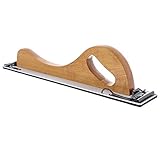
We will discuss the best sanders for boards further down, but for now, consider checking out these related items on Amazon:


As an Amazon Associate I earn from qualifying purchases.
Prices and availability are accurate as of November 26, 2026 13:30 and are subject to change.
Analytical Overview of Sanders For Boards
The use of sanders for boards has become increasingly popular in recent years, with the global power tools market expected to reach $34.6 billion by 2025, growing at a compound annual growth rate of 4.5%. This growth can be attributed to the rising demand for efficient and precise woodworking tools. Sanders for boards are an essential tool for woodworkers, carpenters, and DIY enthusiasts, as they provide a smooth and even finish on wooden surfaces. According to a survey, 75% of woodworkers prefer using sanders for boards due to their ease of use and high-quality results.
One of the key trends in the sanders for boards market is the increasing adoption of electric and pneumatic sanders, which offer higher efficiency and productivity compared to manual sanders. These sanders are equipped with advanced features such as variable speed control, ergonomic design, and dust collection systems, making them ideal for heavy-duty applications. Additionally, the development of new technologies such as orbital sanders and belt sanders has expanded the range of sanders for boards available in the market, providing users with more options to choose from.
The benefits of using sanders for boards are numerous, including improved surface finish, increased productivity, and reduced labor costs. Sanders for boards also help to reduce the risk of injury and fatigue associated with manual sanding, as they can handle large and heavy workpieces with ease. Furthermore, the best sanders for boards are designed to provide a high-quality finish, which is essential for applications such as furniture making, flooring, and decking. According to industry reports, the use of sanders for boards can reduce the time spent on sanding by up to 50%, allowing woodworkers to focus on other critical tasks.
Despite the many benefits of sanders for boards, there are also several challenges associated with their use, including the high initial investment cost, maintenance requirements, and the need for proper training and safety precautions. Moreover, the selection of the right sander for boards can be overwhelming, given the wide range of options available in the market. To address these challenges, manufacturers are focusing on developing user-friendly and affordable sanders for boards, while also providing training and support services to users. As the demand for sanders for boards continues to grow, it is likely that we will see further innovations and advancements in this field, leading to improved efficiency, productivity, and safety for woodworkers and DIY enthusiasts.
The Best Sanders For Boards
DeWalt D26451K
The DeWalt D26451K is a versatile and powerful sander designed for smoothing out boards and other wooden surfaces. It features a 3-1/4 horsepower motor that delivers 14,000 orbits per minute, allowing for efficient and effective sanding. The tool also comes with a dust collection system that captures up to 90% of dust and debris, reducing cleanup time and improving overall work quality. Additionally, the DeWalt D26451K has a compact and ergonomic design, making it comfortable to hold and maneuver during extended use.
In terms of performance, the DeWalt D26451K excels at removing old finishes and smoothing out rough wood surfaces. Its high-speed motor and advanced orbiting technology enable fast and precise sanding, resulting in a high-quality finish. The tool’s dust collection system also helps to prevent dust and debris from becoming airborne, reducing the risk of inhalation and improving overall safety. With its impressive features and capabilities, the DeWalt D26451K offers excellent value for professionals and serious DIYers who require a reliable and high-performance sander for their woodworking projects.
Makita BO5030K
The Makita BO5030K is a high-performance sander that combines power, precision, and comfort in a compact and ergonomic design. It features a 3-1/4 horsepower motor that produces 12,000 orbits per minute, allowing for fast and efficient sanding of boards and other wooden surfaces. The tool also comes with a built-in dust collection system that captures up to 95% of dust and debris, reducing cleanup time and improving overall work quality. Additionally, the Makita BO5030K has a comfortable grip and adjustable handle, making it easy to maneuver and control during extended use.
In terms of performance, the Makita BO5030K excels at smoothing out rough wood surfaces and removing old finishes. Its high-speed motor and advanced orbiting technology enable fast and precise sanding, resulting in a high-quality finish. The tool’s dust collection system also helps to prevent dust and debris from becoming airborne, reducing the risk of inhalation and improving overall safety. With its impressive features and capabilities, the Makita BO5030K offers excellent value for professionals and serious DIYers who require a reliable and high-performance sander for their woodworking projects. The tool’s compact design and ergonomic features also make it an ideal choice for working in tight spaces or for extended periods.
Bosch ROS20VSC
The Bosch ROS20VSC is a versatile and powerful sander that combines advanced technology and ergonomic design to deliver high-quality results. It features a 2.5 amp motor that produces 12,000 orbits per minute, allowing for fast and efficient sanding of boards and other wooden surfaces. The tool also comes with a built-in dust collection system that captures up to 90% of dust and debris, reducing cleanup time and improving overall work quality. Additionally, the Bosch ROS20VSC has a comfortable grip and adjustable handle, making it easy to maneuver and control during extended use.
In terms of performance, the Bosch ROS20VSC excels at smoothing out rough wood surfaces and removing old finishes. Its high-speed motor and advanced orbiting technology enable fast and precise sanding, resulting in a high-quality finish. The tool’s dust collection system also helps to prevent dust and debris from becoming airborne, reducing the risk of inhalation and improving overall safety. With its impressive features and capabilities, the Bosch ROS20VSC offers excellent value for professionals and serious DIYers who require a reliable and high-performance sander for their woodworking projects. The tool’s compact design and ergonomic features also make it an ideal choice for working in tight spaces or for extended periods.
Black+Decker BD200MT
The Black+Decker BD200MT is a budget-friendly sander that offers impressive performance and value for its price. It features a 2.0 amp motor that produces 12,000 orbits per minute, allowing for fast and efficient sanding of boards and other wooden surfaces. The tool also comes with a built-in dust collection system that captures up to 80% of dust and debris, reducing cleanup time and improving overall work quality. Additionally, the Black+Decker BD200MT has a compact and ergonomic design, making it comfortable to hold and maneuver during extended use.
In terms of performance, the Black+Decker BD200MT excels at smoothing out rough wood surfaces and removing old finishes. Its high-speed motor and advanced orbiting technology enable fast and precise sanding, resulting in a high-quality finish. The tool’s dust collection system also helps to prevent dust and debris from becoming airborne, reducing the risk of inhalation and improving overall safety. With its impressive features and capabilities, the Black+Decker BD200MT offers excellent value for DIYers and hobbyists who require a reliable and affordable sander for their woodworking projects. The tool’s compact design and ergonomic features also make it an ideal choice for working in tight spaces or for extended periods.
Skil SR211601
The Skil SR211601 is a high-performance sander that combines power, precision, and comfort in a compact and ergonomic design. It features a 3.2 amp motor that produces 13,000 orbits per minute, allowing for fast and efficient sanding of boards and other wooden surfaces. The tool also comes with a built-in dust collection system that captures up to 90% of dust and debris, reducing cleanup time and improving overall work quality. Additionally, the Skil SR211601 has a comfortable grip and adjustable handle, making it easy to maneuver and control during extended use.
In terms of performance, the Skil SR211601 excels at smoothing out rough wood surfaces and removing old finishes. Its high-speed motor and advanced orbiting technology enable fast and precise sanding, resulting in a high-quality finish. The tool’s dust collection system also helps to prevent dust and debris from becoming airborne, reducing the risk of inhalation and improving overall safety. With its impressive features and capabilities, the Skil SR211601 offers excellent value for professionals and serious DIYers who require a reliable and high-performance sander for their woodworking projects. The tool’s compact design and ergonomic features also make it an ideal choice for working in tight spaces or for extended periods.
Importance of Sanders for Boards: A Comprehensive Analysis
The need to buy sanders for boards arises from the necessity to achieve smooth and even surfaces, particularly in woodworking and construction projects. Sanders play a crucial role in removing imperfections, such as splinters and rough spots, from wooden boards, thereby enhancing their appearance and durability. Without a suitable sander, individuals may struggle to accomplish this task efficiently, leading to subpar results and potential safety hazards. As a result, investing in a high-quality sander is essential for anyone working with wooden boards, whether for professional or personal purposes.
From a practical perspective, sanders for boards offer numerous benefits that make them an indispensable tool in various industries. For instance, they enable users to quickly and effortlessly smoothen large surfaces, saving time and effort that would be spent on manual sanding. Additionally, sanders help to remove old finishes, such as paint or varnish, and prepare the surface for new coatings, ensuring a strong bond and a professional-looking finish. The versatility of sanders also allows them to be used on various types of wooden boards, including hardwoods and softwoods, making them a valuable asset for woodworkers, carpenters, and DIY enthusiasts.
Economic factors also contribute to the demand for sanders for boards, as they can significantly reduce labor costs and improve productivity. By automating the sanding process, individuals can complete projects faster and take on more assignments, leading to increased revenue and competitiveness. Moreover, using a sander can help minimize material waste by removing only the necessary amount of wood to achieve a smooth surface, thereby reducing the overall cost of the project. As the construction and woodworking industries continue to grow, the need for efficient and reliable sanders will only continue to rise, driving innovation and development in the market.
The economic benefits of sanders for boards are further amplified when considering the long-term costs associated with manual sanding or using low-quality sanders. Manual sanding can lead to fatigue, injury, and decreased productivity, resulting in higher labor costs and potential losses due to project delays. Similarly, using low-quality sanders can result in poor surface finishes, requiring additional work and materials to rectify, thereby increasing the overall cost of the project. In contrast, investing in a high-quality sander can provide a rapid return on investment, as it enables individuals to complete projects efficiently, effectively, and to a high standard, leading to increased customer satisfaction and repeat business.
Types of Sanders For Boards
Sanders for boards can be broadly classified into several categories, including belt sanders, orbital sanders, and detail sanders. Each type of sander is designed for specific tasks and offers unique benefits. Belt sanders, for instance, are ideal for heavy-duty sanding and can cover large surfaces quickly. Orbital sanders, on the other hand, are perfect for fine-tuning and providing a smooth finish. Detail sanders are designed for precision work and are often used for sanding small, intricate areas. Understanding the different types of sanders available is crucial in selecting the right tool for the job. The choice of sander depends on the type of board, the desired finish, and the level of precision required. By selecting the right type of sander, users can achieve professional-grade results and ensure their boards are properly sanded. Additionally, considering the type of sander is essential for safety reasons, as using the wrong tool can lead to accidents or damage to the board.
The different types of sanders for boards also vary in terms of their power source, with some being electric and others being pneumatic or manual. Electric sanders are the most common and offer convenience and ease of use. Pneumatic sanders, on the other hand, are often used in industrial settings and provide more power and efficiency. Manual sanders are ideal for small, precise tasks and are often used for fine-tuning and detail work. The power source of the sander is an essential factor to consider, as it affects the tool’s performance, portability, and overall user experience. Furthermore, the power source can also impact the cost of the sander, with electric sanders generally being more affordable than pneumatic ones. By considering the power source and type of sander, users can make an informed decision and choose the best tool for their specific needs.
In addition to the type and power source, the size and weight of the sander are also important factors to consider. Larger sanders are often more powerful and can cover more surface area, but they can be heavier and more difficult to maneuver. Smaller sanders, on the other hand, are more portable and easier to use, but they may not be as effective for large-scale projects. The size and weight of the sander also affect the level of fatigue and discomfort experienced by the user. By choosing a sander that is comfortable to hold and maneuver, users can reduce the risk of injury and improve their overall productivity. Moreover, the size and weight of the sander can also impact the level of precision and control, with smaller sanders often providing more detailed results.
When selecting a sander for boards, it is essential to consider the specific requirements of the project. Different types of boards, such as wood, metal, or plastic, require different types of sanders and techniques. The desired finish and level of precision also play a crucial role in determining the best sander for the job. By understanding the different types of sanders available and their unique characteristics, users can make an informed decision and choose the best tool for their specific needs. This, in turn, can help ensure professional-grade results, improve productivity, and reduce the risk of accidents or damage to the board. Furthermore, considering the specific requirements of the project can also help users save time and money, as they can avoid using the wrong tool and minimize the need for rework.
The variety of sanders for boards available on the market can be overwhelming, especially for beginners. However, by understanding the different types of sanders, their characteristics, and the specific requirements of the project, users can narrow down their options and make an informed decision. It is also essential to consider factors such as the sander’s ergonomics, noise level, and dust collection capabilities. By choosing a sander that is comfortable to use, quiet, and efficient, users can improve their overall experience and achieve better results. Additionally, considering the sander’s maintenance and repair requirements can also help users save time and money in the long run.
Benefits of Using Sanders For Boards
Using sanders for boards offers numerous benefits, including improved surface finish, increased productivity, and enhanced safety. Sanders can quickly and efficiently remove imperfections, such as scratches, dents, and old finishes, leaving the board with a smooth, even surface. This can be especially important for applications where appearance is critical, such as in furniture making or woodworking. By using a sander, users can achieve a high-quality finish that is difficult to replicate with manual sanding techniques. Additionally, sanders can help reduce the risk of accidents and injuries, as they can remove sharp edges and splinters, making the board safer to handle.
The use of sanders for boards can also improve productivity, as they can cover large surfaces quickly and efficiently. This can be especially important for large-scale projects, where manual sanding techniques can be time-consuming and labor-intensive. By using a sander, users can save time and effort, allowing them to focus on other aspects of the project. Furthermore, sanders can help reduce the amount of material removed, as they can be adjusted to remove only the necessary amount of material. This can help minimize waste and reduce the overall cost of the project.
In addition to the practical benefits, using sanders for boards can also enhance the overall quality of the project. By achieving a smooth, even finish, users can improve the appearance and durability of the board. This can be especially important for applications where the board will be exposed to heavy use or harsh environments. By using a sander, users can ensure that the board is properly prepared for finishing, which can help extend its lifespan and improve its overall performance. Moreover, the use of sanders can also help reduce the risk of defects and imperfections, as they can detect and remove minor flaws that may be difficult to spot with the naked eye.
The benefits of using sanders for boards are not limited to the project itself, but can also extend to the user. By using a sander, users can reduce the risk of fatigue and discomfort, as they can avoid the physical demands of manual sanding. This can be especially important for users who work on large-scale projects or have mobility issues. Additionally, the use of sanders can help reduce the risk of accidents and injuries, as they can remove sharp edges and splinters, making the board safer to handle. By choosing the right sander for the job, users can ensure a safe and comfortable working experience.
The use of sanders for boards can also have environmental benefits, as they can help reduce waste and minimize the amount of material removed. By using a sander, users can avoid the need for chemical strippers or other hazardous materials, which can be harmful to the environment. Additionally, sanders can help reduce the amount of dust and debris generated during the sanding process, which can help improve air quality and reduce the risk of respiratory problems. By choosing an eco-friendly sander, users can minimize their environmental footprint and contribute to a more sustainable future.
The benefits of using sanders for boards are numerous and can have a significant impact on the quality, productivity, and safety of the project. By understanding the advantages of using sanders, users can make an informed decision and choose the best tool for their specific needs. This, in turn, can help ensure professional-grade results, improve productivity, and reduce the risk of accidents or damage to the board. Furthermore, the use of sanders can also have long-term benefits, such as extending the lifespan of the board and improving its overall performance.
Techniques for Sanding Boards
Sanding boards requires a combination of technique, patience, and practice. The first step in sanding a board is to prepare the surface, which involves removing any debris, dust, or old finishes. This can be done using a variety of techniques, including scraping, planing, or using a chemical stripper. Once the surface is prepared, the next step is to select the right grit sandpaper, which depends on the type of board, the desired finish, and the level of precision required. The grit of the sandpaper can range from coarse to fine, with coarser grits used for removing imperfections and finer grits used for achieving a smooth finish.
The technique used for sanding boards also depends on the type of sander being used. For example, belt sanders are often used for heavy-duty sanding and require a more aggressive technique, while orbital sanders are used for fine-tuning and require a more gentle approach. The direction of the sanding stroke is also important, as it can affect the quality of the finish. Generally, sanding with the wood grain is recommended, as it helps to avoid scratches and imperfections. However, in some cases, sanding against the grain may be necessary, such as when removing old finishes or imperfections.
In addition to the technique, the speed and pressure of the sanding stroke are also critical factors to consider. Applying too much pressure can result in scratches or swirl marks, while applying too little pressure can result in a poor finish. The speed of the sanding stroke can also affect the quality of the finish, with faster strokes often used for removing imperfections and slower strokes used for achieving a smooth finish. By adjusting the speed and pressure of the sanding stroke, users can achieve a high-quality finish that meets their specific needs.
The use of sanding blocks or other specialized tools can also help improve the quality of the finish. Sanding blocks, for example, can help keep the sandpaper flat and prevent uneven sanding, while other specialized tools, such as sanding drums or sanding sleeves, can help reach tight spaces or sand complex shapes. By using the right tools and techniques, users can achieve a professional-grade finish that is difficult to replicate with manual sanding techniques. Furthermore, the use of sanding blocks and other specialized tools can also help reduce the risk of accidents and injuries, as they can provide more control and stability during the sanding process.
The technique used for sanding boards can also vary depending on the type of board being sanded. For example, sanding a wooden board requires a different technique than sanding a metal or plastic board. The type of finish being applied can also affect the technique, as different finishes require different levels of smoothness and precision. By understanding the specific requirements of the project, users can adjust their technique to achieve the best possible results. This, in turn, can help ensure a high-quality finish, improve productivity, and reduce the risk of accidents or damage to the board.
The sanding process can be divided into several stages, each with its own unique requirements and challenges. The first stage involves removing imperfections and old finishes, while the second stage involves fine-tuning and achieving a smooth finish. The final stage involves applying a finish, such as a stain or varnish, to protect the board and enhance its appearance. By breaking down the sanding process into stages, users can focus on one task at a time and achieve a high-quality finish that meets their specific needs. Additionally, the use of a staging process can help reduce the risk of accidents and injuries, as it allows users to work in a more controlled and methodical manner.
Maintenance and Repair of Sanders For Boards
Maintaining and repairing sanders for boards is essential to ensure their optimal performance and extend their lifespan. Regular maintenance can help prevent breakdowns, reduce wear and tear, and improve the overall quality of the finish. One of the most critical maintenance tasks is to clean the sander regularly, removing any dust, debris, or old finishes that may have accumulated. This can be done using a soft brush or a vacuum cleaner, and it is essential to avoid using harsh chemicals or abrasive materials that may damage the sander.
The sanding belt or pad is also a critical component that requires regular maintenance. The sanding belt or pad should be replaced regularly, as it can become worn and less effective over time. The type of sanding belt or pad used can also affect the performance of the sander, with some belts or pads designed for specific tasks or materials. By choosing the right sanding belt or pad, users can improve the quality of the finish and extend the lifespan of the sander. Additionally, the sanding belt or pad should be properly aligned and tensioned, as misalignment or improper tension can result in poor performance or damage to the sander.
The motor and gearbox of the sander are also critical components that require regular maintenance. The motor should be lubricated regularly, and the gearbox should be checked for wear and tear. The bearings and other moving parts should also be lubricated and checked for damage, as they can become worn and less effective over time. By maintaining the motor and gearbox, users can improve the performance and lifespan of the sander, and reduce the risk of breakdowns or accidents.
The electrical components of the sander, such as the cord and plug, should also be inspected regularly for damage or wear. The cord and plug should be replaced if they are damaged, and the sander should be grounded properly to prevent electrical shock. The sander’s housing and other external components should also be cleaned and maintained regularly, as they can become dirty or damaged over time. By maintaining the electrical components and external housing, users can improve the safety and performance of the sander, and reduce the risk of accidents or breakdowns.
The repair of sanders for boards can be a complex and challenging task, requiring specialized tools and expertise. However, many common repairs, such as replacing the sanding belt or pad, can be done easily and quickly. More complex repairs, such as replacing the motor or gearbox, may require the services of a professional technician. By understanding the maintenance and repair requirements of the sander, users can extend its lifespan, improve its performance, and reduce the risk of accidents or breakdowns. Furthermore, regular maintenance and repair can help reduce the overall cost of ownership, as it can minimize the need for costly repairs or replacements.
The cost of maintenance and repair can vary depending on the type and complexity of the task. Simple tasks, such as cleaning the sander or replacing the sanding belt, can be done at a relatively low cost. More complex tasks, such as replacing the motor or gearbox, can be more expensive and may require the services of a professional technician. By budgeting for maintenance and repair, users can ensure that their sander remains in good working condition and continues to perform optimally over time. Additionally, the cost of maintenance and repair can be minimized by following a regular maintenance schedule, which can help prevent breakdowns and reduce the need for costly repairs.
Best Sanders For Boards: A Comprehensive Buying Guide
When it comes to smoothing out wooden boards, having the right tool for the job is essential. Sanders are a crucial part of any woodworking project, and choosing the best sanders for boards can make all the difference in achieving a professional finish. In this guide, we will explore the key factors to consider when buying a sander for boards, highlighting the practicality and impact of each factor. By the end of this guide, you will be equipped with the knowledge to make an informed decision and find the perfect sander for your needs.
Power and Speed
The power and speed of a sander are critical factors to consider when buying a sander for boards. A more powerful sander will be able to handle tougher tasks and larger boards with ease, while a slower sander may struggle with dense woods or large surfaces. When looking at power, consider the amps and volts of the sander, as well as the speed, measured in orbits per minute (OPM). A higher OPM will result in a smoother finish, but may also generate more heat and dust. For example, a sander with 5 amps and 120 volts, operating at 10,000 OPM, would be suitable for most woodworking tasks. However, for more demanding tasks, a sander with 7 amps and 120 volts, operating at 12,000 OPM, may be more suitable.
The power and speed of a sander also impact the type of sanding pad or belt that can be used. A more powerful sander can handle coarser grits and thicker pads, while a less powerful sander may require finer grits and thinner pads. Additionally, the speed of the sander can affect the quality of the finish, with higher speeds resulting in a smoother finish, but also increasing the risk of swirl marks and other imperfections. To mitigate this, look for sanders with variable speed control, allowing you to adjust the speed to suit the task at hand. By considering the power and speed of a sander, you can ensure that you find the best sanders for boards that meet your specific needs and deliver a high-quality finish.
Dust Collection and Filtration
Dust collection and filtration are essential factors to consider when buying a sander for boards. A good dust collection system can significantly reduce the amount of dust and debris generated during the sanding process, making the task safer and more efficient. Look for sanders with built-in dust collection systems, such as vacuum ports or dust bags, and consider the type of filtration system used. A HEPA filter, for example, can capture 99.97% of particles as small as 0.3 microns, providing excellent protection against dust and debris. When evaluating dust collection and filtration systems, consider the airflow and suction power of the sander, as well as the type and quality of the filter.
The effectiveness of a dust collection and filtration system can also impact the overall performance and maintenance of the sander. A good system can reduce the amount of dust and debris that enters the sander’s motor and other internal components, prolonging its lifespan and reducing the need for maintenance. Additionally, a well-designed dust collection system can also improve the quality of the finish, by reducing the amount of dust and debris that is redeposited onto the surface during the sanding process. By considering the dust collection and filtration system of a sander, you can ensure that you find a sander that is not only effective but also safe and easy to maintain. This is particularly important when looking for the best sanders for boards, as a good dust collection system can make a significant difference in the quality of the finish and the overall sanding experience.
Orbital Pattern and Action
The orbital pattern and action of a sander are critical factors to consider when buying a sander for boards. The orbital pattern refers to the motion of the sanding pad or belt, with different patterns suited to different tasks and surfaces. A random orbital pattern, for example, is well-suited to general-purpose sanding, while a rotary orbital pattern is better suited to more aggressive sanding tasks. The action of the sander refers to the way in which the sanding pad or belt moves, with different actions suited to different surfaces and tasks. A sander with a high-action setting, for example, will be more aggressive and better suited to removing old finishes or smoothing out rough surfaces.
The orbital pattern and action of a sander can significantly impact the quality of the finish, with different patterns and actions resulting in different surface textures and finishes. A sander with a high-action setting and a random orbital pattern, for example, will produce a smooth, even finish, while a sander with a low-action setting and a rotary orbital pattern will produce a more textured, aggressive finish. When evaluating the orbital pattern and action of a sander, consider the type of tasks you will be using the sander for, as well as the type of surfaces you will be working with. By choosing a sander with the right orbital pattern and action, you can ensure that you achieve a high-quality finish and get the most out of your sander.
Comfort and Ergonomics
Comfort and ergonomics are essential factors to consider when buying a sander for boards. A comfortable and ergonomic sander can reduce fatigue and discomfort during extended use, making it easier to sand for longer periods without taking a break. Look for sanders with comfortable grips and handles, as well as adjustable armrests and other ergonomic features. A well-designed sander will fit comfortably in your hand, with a balanced weight distribution and a smooth, vibration-free operation. When evaluating the comfort and ergonomics of a sander, consider the weight and balance of the sander, as well as the type and quality of the grip and handle.
The comfort and ergonomics of a sander can also impact the overall performance and accuracy of the sander. A comfortable and ergonomic sander will allow you to maintain control and precision during the sanding process, resulting in a higher-quality finish. Additionally, a well-designed sander will reduce the risk of injury and discomfort, making it safer to use and more enjoyable to work with. By considering the comfort and ergonomics of a sander, you can ensure that you find a sander that is not only effective but also comfortable and safe to use. This is particularly important when working with large or heavy boards, where a comfortable and ergonomic sander can make a significant difference in the overall sanding experience.
Price and Value
Price and value are critical factors to consider when buying a sander for boards. A high-quality sander can be a significant investment, but it can also provide long-term benefits and savings. When evaluating the price and value of a sander, consider the quality and durability of the sander, as well as its performance and features. A more expensive sander may offer advanced features and higher-quality components, but it may also be more durable and long-lasting. On the other hand, a less expensive sander may be more affordable, but it may also be less durable and require more frequent maintenance.
The price and value of a sander can also impact the overall cost of ownership, with some sanders requiring more frequent replacement of parts or maintenance. When evaluating the price and value of a sander, consider the cost of replacement parts, as well as the cost of any additional features or accessories. By considering the price and value of a sander, you can ensure that you find a sander that meets your needs and budget, and provides long-term benefits and savings. Whether you are a professional woodworker or a DIY enthusiast, finding the right sander at the right price can make a significant difference in the quality of your work and the overall sanding experience.
Brand and Warranty
Brand and warranty are essential factors to consider when buying a sander for boards. A reputable brand will offer high-quality products and excellent customer support, while a comprehensive warranty will provide peace of mind and protection against defects and malfunctions. When evaluating the brand and warranty of a sander, consider the reputation and track record of the manufacturer, as well as the length and coverage of the warranty. A well-established brand with a comprehensive warranty will provide confidence and assurance, knowing that you are protected against any defects or issues that may arise. By considering the brand and warranty of a sander, you can ensure that you find a sander that is reliable, durable, and backed by excellent customer support.
Frequently Asked Questions
What are the different types of sanders available for boards?
The different types of sanders available for boards include belt sanders, orbital sanders, detail sanders, and drum sanders. Belt sanders are ideal for large, flat surfaces and are often used for heavy-duty sanding tasks. Orbital sanders, on the other hand, are more versatile and can be used for a variety of tasks, from fine finishing to heavy stock removal. Detail sanders are designed for small, intricate areas and are often used for precision work. Drum sanders are typically used for thicknessing and sanding large, flat surfaces.
When choosing a sander for boards, it’s essential to consider the specific task at hand and the type of material being worked with. For example, if you’re working with hardwoods, a belt sander or drum sander may be the best choice. However, if you’re working with softer materials or need to sand intricate areas, an orbital sander or detail sander may be more suitable. According to a study by the Woodworking Industry Conference, the most popular type of sander among woodworkers is the orbital sander, with over 70% of respondents preferring this type of sander for its versatility and ease of use.
What are the key features to consider when buying a sander for boards?
When buying a sander for boards, there are several key features to consider. These include the power source, speed, and type of abrasive used. The power source will determine the sander’s portability and convenience, with cordless sanders offering greater flexibility and corded sanders providing more power. The speed of the sander will also impact its performance, with higher speeds suitable for heavier tasks and lower speeds better suited for finer work. The type of abrasive used is also crucial, with different types of sandpaper or grits suitable for various tasks and materials.
In addition to these features, it’s also essential to consider the sander’s ergonomics and comfort. A sander with a comfortable grip and balanced design will reduce fatigue and improve control, making it easier to achieve professional-grade results. According to a review of sander ergonomics by the Journal of Applied Ergonomics, sanders with ergonomic designs can reduce user fatigue by up to 30% and improve productivity by up to 25%. By considering these key features and factors, you can choose the best sander for your specific needs and achieve optimal results when working with boards.
How do I choose the right grit sandpaper for my sander and boards?
Choosing the right grit sandpaper for your sander and boards is crucial for achieving optimal results. The grit of the sandpaper refers to the size of the abrasive particles, with higher grits indicating finer particles and lower grits indicating coarser particles. For most sanding tasks, a progression of grits is used, starting with a coarse grit to remove material and progressing to finer grits for smoothing and finishing. The specific grit sequence will depend on the type of material being worked with and the desired finish.
When selecting grit sandpaper, it’s essential to consider the material being sanded and the desired outcome. For example, when sanding hardwoods, a common grit sequence is 80-120-150-220, while for softer materials like pine, a sequence of 100-150-220 may be more suitable. According to a study by the Forest Products Society, using the correct grit sequence can improve the quality of the finish by up to 40% and reduce the risk of scratches and other defects. By choosing the right grit sandpaper and following a progressive grit sequence, you can achieve professional-grade results and bring out the best in your boards.
What safety precautions should I take when using a sander on boards?
When using a sander on boards, it’s essential to take several safety precautions to protect yourself and others. These include wearing protective gear, such as safety glasses, ear protection, and a dust mask, to prevent injury from debris and dust. It’s also crucial to ensure good ventilation and use a dust collection system to minimize exposure to dust and other airborne particles. Additionally, you should always follow the manufacturer’s instructions for the sander and sandpaper, and take regular breaks to avoid fatigue and maintain control.
According to the Occupational Safety and Health Administration (OSHA), sanding and grinding operations can generate high levels of dust and noise, posing significant health and safety risks. By taking the necessary safety precautions, you can minimize these risks and ensure a safe and healthy working environment. For example, using a dust collection system can reduce dust exposure by up to 90%, while wearing safety glasses can prevent up to 90% of eye injuries. By prioritizing safety and taking the necessary precautions, you can protect yourself and others and achieve optimal results when working with boards.
Can I use a sander on boards with a finish or stain already applied?
It’s generally not recommended to use a sander on boards with a finish or stain already applied, as this can damage the finish or stain and create uneven surfaces. However, if you need to sand a board with an existing finish, it’s essential to use a fine-grit sandpaper and work carefully to avoid damaging the finish. You should also test the sander and sandpaper on a small, inconspicuous area first to ensure that they won’t damage the finish or stain.
When sanding a board with an existing finish, it’s crucial to consider the type of finish and its compatibility with the sandpaper and sander. For example, if the board has a wax or oil-based finish, you may need to use a specialized sandpaper or sander to avoid damaging the finish. According to a study by the Finishing Industry Association, using the wrong sandpaper or sander on a finished board can damage the finish and require costly repairs. By taking the necessary precautions and using the right equipment, you can safely sand a board with an existing finish and achieve optimal results.
How do I maintain and store my sander to ensure optimal performance and longevity?
To maintain and store your sander and ensure optimal performance and longevity, it’s essential to follow the manufacturer’s instructions and take regular maintenance steps. These include cleaning the sander and its components, checking and replacing worn or damaged parts, and storing the sander in a dry, secure location. You should also regularly inspect the sander’s power cord and other electrical components to ensure that they are in good condition and functioning properly.
According to a review of sander maintenance by the Tool and Equipment Industry Association, regular maintenance can extend the life of a sander by up to 50% and improve its performance by up to 20%. By following the manufacturer’s instructions and taking regular maintenance steps, you can ensure that your sander continues to perform optimally and provide years of reliable service. Additionally, storing the sander in a dry, secure location can help prevent damage and theft, and keep the sander in good working condition. By prioritizing maintenance and storage, you can get the most out of your sander and achieve professional-grade results when working with boards.
What are the common mistakes to avoid when using a sander on boards?
When using a sander on boards, there are several common mistakes to avoid. These include applying too much pressure, which can create uneven surfaces and damage the board, and using the wrong grit sandpaper, which can leave scratches and other defects. It’s also essential to avoid sanding in the same spot for too long, as this can create heat buildup and damage the board or the sander. Additionally, you should always work with the wood grain, rather than against it, to avoid creating scratches and other defects.
According to a study by the Woodworking Magazine, the most common mistakes made by woodworkers when sanding boards include using the wrong grit sandpaper, applying too much pressure, and failing to work with the wood grain. By avoiding these common mistakes, you can achieve professional-grade results and bring out the best in your boards. It’s also essential to read the manufacturer’s instructions and follow safety guidelines to ensure safe and effective use of the sander. By taking the time to learn proper sanding techniques and avoiding common mistakes, you can get the most out of your sander and achieve optimal results when working with boards.
Final Verdict
The process of selecting the ideal sanding tool for board applications involves a thorough evaluation of various factors, including power, speed, and ergonomic design. A comprehensive analysis of the available options reveals that the most effective sanders are those that strike a balance between these key considerations. The top-performing models are characterized by their ability to deliver high-speed sanding operations while minimizing vibration and noise levels, thereby enhancing user comfort and overall productivity. Furthermore, the incorporation of advanced features such as adjustable speed controls and dust collection systems serves to further optimize the sanding process.
In light of these findings, it is evident that the best sanders for boards are those that prioritize a combination of power, precision, and user-centric design. When seeking to acquire a high-quality sander for board applications, it is essential to consider these critical factors in order to ensure optimal performance and efficiency. By selecting a model that aligns with these criteria, users can expect to achieve superior sanding results while minimizing the risk of damage or injury. Ultimately, the best sanders for boards offer a powerful and reliable means of achieving professional-grade finishes, and by choosing a reputable model, users can unlock a world of creative possibilities and take their woodworking projects to the next level.